

 プレビュー
プレビュー
 シェアする
シェアする シェアする
シェアする
 詳細を見る
詳細を見る

 ダウンロード
 似ている作品
 X線調査
X線調査 スライドショー
 Stats
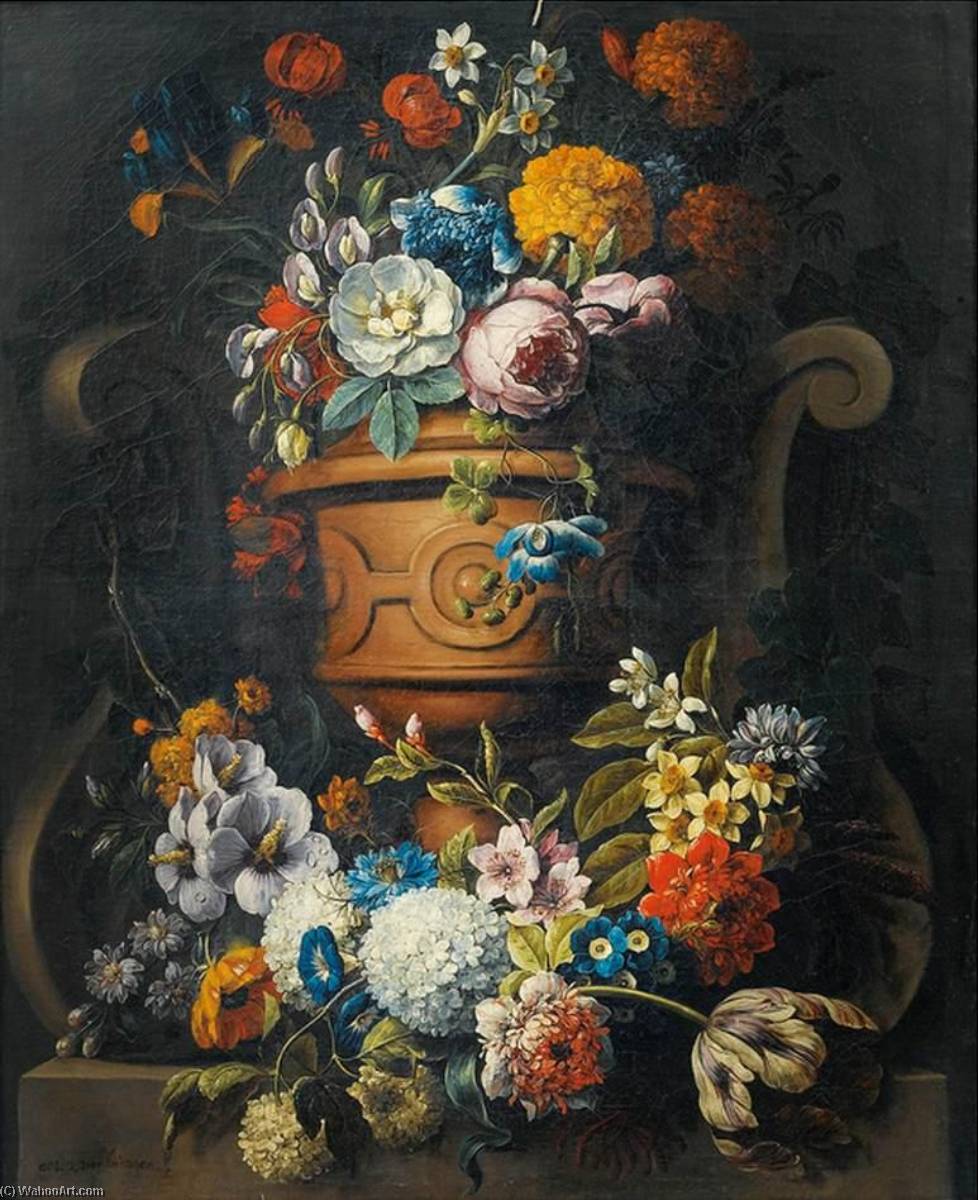
StatsStill Life with Flowers in a Vase
 Flemish Baroque
 86.0 x 69.0 cm
 詳細を見る
詳細を見る
オンラインプレビューをはるかに凌ぐ、高解像度で鮮明なデジタル画像をご購入いただけます。
各ファイルは、社内の専門家が高度なツールと熟練した手作業によるレタッチを用いて、細心の注意を払って準備されています。すべての画像において、卓越した鮮明度、正確な色彩再現性、そして繊細なディテールを保証いたします。
最終ファイルは、プロフェッショナルな編集・印刷環境ですぐにご利用いただけるよう最適化された状態で、72時間以内にメールにてお届けいたします。これは、一流のデザインスタジオ、出版社、ギャラリーから信頼されているものと同等の品質です。
デジタルアート
個人での鑑賞、印刷、クリエイティブなプロジェクト用に、高解像度ファイルをダウンロードできます。 ( Switch to Print 手描きの絵画を購入)
デジタル画像のご注文に付随する特典
高品質なデジタル画像配信を、確かな品質で。
ArtsDot.com を選ぶことは、単に画像を手に入れることではありません。それは、プロの手によって精密に仕上げられ、満足保証が付いた高品質なデジタルアートワークを受け取ることを意味します。ご注文いただいた際に自動的に付随する内容は、以下の通りです:

メールですぐにお届け
ご注文から72時間以内に、高解像度のデジタル画像ファイルがメールでお手元に届きます。すぐにそのままご利用いただけます。

AI技術で最適化されたデジタルファイル
お客様の作品は、高度なAIツールと専門家による手作業の編集を組み合わせてプロフェッショナルに最適化されており、細部のディテール、鮮明さ、そして正確な色再現性を最大限に引き出しています。

一生涯無料の再送サービス
ファイルを誤って削除したり、紛失してしまったりしましたか?ご安心ください。いつでも無料で再送いたします。

輸入手数料は一切かかりません
関税や手数料、配送料を気にすることなく、お気に入りのアートワークをすぐにお楽しみいただけます。デジタルダウンロードは常に免税です。

色彩再現の保証
プロ仕様のツールとカラーマネジメント技術を用いることで、デジタル画像が元の色を最大限に忠実に再現することを保証いたします。

100日間満足保証
ご購入いただいたデジタル画像にご満足いただけない場合は、100日以内であれば、理由を問わず修正または100%の返金対応をさせていただきます。

100% 返金保証
ご満足いただけない場合は、デジタルファイルを受け取ってから100日以内であれば、理由を問わず全額返金いたします。

まとめ買い割引
3枚購入で10%OFF - 5枚購入で15%OFF - 10枚以上購入で20%OFF。クリエイティブなプロジェクト、ギャラリー、エージェンシーに最適です。
関連作品
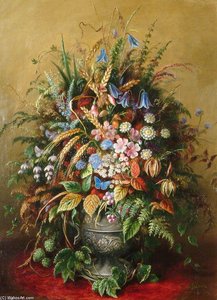
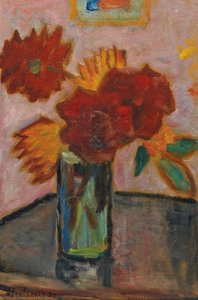
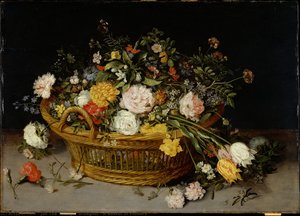
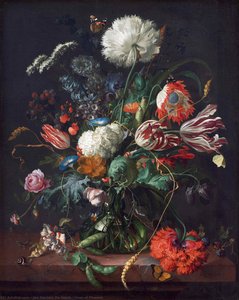
作家の略歴
A Life Immersed in Blooms: The World of Gaspar Peeter Verbruggen the Younger
Gaspar Peeter Verbruggen the Younger, born in Antwerp in 1664 and passing away in the same city in 1730, was a Flemish still life painter whose name became synonymous with opulent floral arrangements and decorative artistry. He wasn’t merely recording flowers; he was crafting miniature worlds of beauty, imbued with symbolism and technical mastery. His story is one woven into the rich tapestry of Antwerp's artistic guilds, familial legacy, and the shifting tastes of 17th- and 18th-century Europe. Born into a family already steeped in the tradition of still life painting—his father, Gaspar Peeter Verbruggen the Elder, was a successful artist in his own right—the younger Verbruggen’s path seemed predetermined, yet he carved out a distinct style that resonated with both Flemish and Dutch sensibilities. From an incredibly young age, demonstrating exceptional talent, he entered the Antwerp Guild of Saint Luke in 1677-1678 at just thirteen years old, a testament to his precocious skill. This early entry signaled not only his aptitude but also the strong support system within his family that fostered his artistic development.The Flourishing Career and Collaborative Spirit
Verbruggen quickly established himself as a sought-after painter, becoming deacon of the Guild in 1691/1692. His success allowed him to live comfortably on Antwerp’s prestigious Meir street, but life took an unfortunate turn with the early death of his wife, Dymphna van der Voort, in 1702. Financial difficulties soon followed, forcing him to sell his possessions in 1703. This hardship prompted a relocation to the Dutch Republic in 1705, initially to Amsterdam and then settling in The Hague. It was here that he found renewed patronage, receiving commissions for decorating prominent residences. His membership in the Hague’s Guild of Saint Luke in 1708 further solidified his position within the artistic community. However, even with commercial success, Verbruggen struggled with financial instability, a recurring theme throughout his life. A return to Antwerp in 1723 saw him take on a humble role as a ‘knaap’ (boy) at the Guild of Saint Luke until his death in 1730. What is particularly striking about Verbruggen's career is his frequent collaboration with figure painters. He didn’t see still life as an isolated genre but rather as a component within larger, more complex compositions. Artists like Peter Ykens and Jacob Leyssens in Antwerp, and Matheus Terwesten in The Hague, often partnered with him, creating works where their figures were seamlessly integrated into Verbruggen's vibrant floral displays.Influences and the Evolution of Style
Verbruggen’s artistic style wasn’t born in a vacuum; it was shaped by the currents flowing through European art at the time. The broad, impasto brushstrokes characteristic of his work echo the innovations introduced by Italian artists Mario Nuzzi and Michele Pace del Campidoglio. He also drew inspiration from the French painter Jean-Baptiste Monnoyer, known for his lavish flower paintings. These influences coalesced into a uniquely Flemish aesthetic—a move towards greater decoration and monumentality in still life painting. His compositions often featured bouquets arranged within grand stone vases or cascading as garlands around garden ornaments, creating a sense of abundance and theatricality. He wasn’t simply replicating nature; he was elevating it, transforming flowers and fruit into symbols of wealth, beauty, and the fleeting nature of existence.Major Achievements and Lasting Legacy
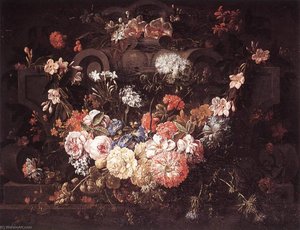
While pinpointing specific “masterpieces” can be subjective, Verbruggen's enduring contribution lies in his ability to synthesize various influences into a cohesive and recognizable style. His *Flower garland surrounding a statue of Apollo*, gifted to the Antwerp Guild in 1694 as thanks for accepting his pupils without fee, exemplifies his technical skill and generosity. Beyond individual works, his impact is visible in the proliferation of decorative still lifes during the late 17th and early 18th centuries. He trained several pupils—including his half-brother Balthasar Hyacinth Verbruggen, Jacob Melchior van Herck, Frans d'Olivero, Peter Frans Casteels, and Gillis Vinck—ensuring that his techniques and aesthetic sensibilities were passed down to the next generation of artists.Historical Significance: A Reflection of an Era
Gaspar Peeter Verbruggen the Younger’s work provides a fascinating glimpse into the tastes and values of his time. The opulent displays of flowers and fruit reflected the prosperity of the merchant class, while the inclusion of classical motifs—like Apollo—hinted at a broader cultural appreciation for antiquity. His collaborative spirit speaks to the interconnectedness of the artistic world, where painters often worked together to create more ambitious and complex compositions. Though he faced personal hardships throughout his life, Verbruggen left behind a legacy of beauty and technical skill that continues to captivate audiences today. He stands as a testament to the enduring power of still life painting—a genre capable of conveying not only visual delight but also profound symbolism and emotional resonance.- Born: 11 April 1664, Antwerp
- Died: 14 March 1730, Antwerp
- Style: Flemish Still Life, Decorative Floral Paintings
- Influences: Mario Nuzzi, Michele Pace del Campidoglio, Jean-Baptiste Monnoyer
- Key Themes: Opulence, Symbolism, Collaboration
gaspar peeter the younger verbruggen
1664 - 1730
プロフィール概要
- Artistic Movement Or Style: Still life, Decorative
- Artists Who Influenced This Artist:
- Mario Nuzzi
- Michele Pace del Campidoglio
- Jean-Baptiste Monnoyer
- Date Of Birth: 1664
- Date Of Death: 1730
- Full Name: Gaspar Peeter Verbruggen the Younger
- Nationality: Flemish
- Notable Artworks: ['Flower garland surrounding Apollo']
- Place Of Birth: Antwerp, Flanders