 プレビュー
プレビュー
 プリントを購入
 シェアする
シェアする シェアする
シェアする
 詳細を見る
詳細を見る

 ダウンロード
 似ている作品
 X線調査
X線調査 スライドショー
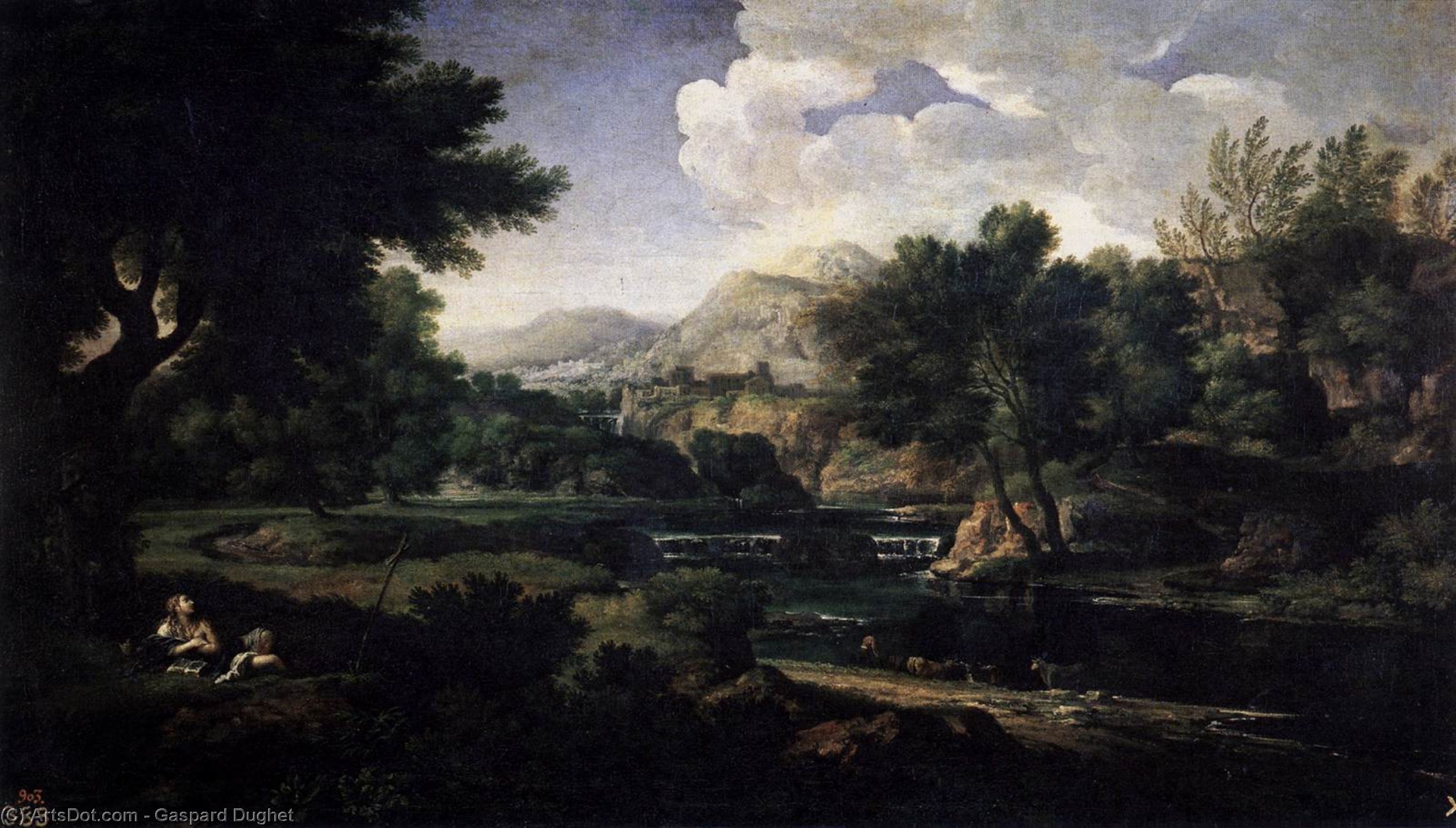
Landscape with Magdalen Worshipping the Cross
 Oil On Canvas
- WallArt
- Baroque Landscape
 1660
1660- Early Modern
 76.0 x 130.0 cm
 プラド美術館
 詳細を見る
詳細を見る




P118B $10

P118H $10

P118W $10

P438Z $10

P508JH $12

P508YH $12

P805H $10

P805Z $10

P919BZ $10

P919G $10

P919XJ $10

P959ZH $10

P968JZ $12

W106C $8

W218G $10

W218JH $8

W218Y $10

W307PJ $10

W316G $10

W316PJ $8

W316Y $10

W398PJ $8

W4111J $10

W500HY $15

W500JH $15

W692G $12

W849H $8

W940BG $15

W953PJ $8




作品のオリジナル比率に合わせた、当店の規定サイズからお選びください。

特定のフレームやスペースに合わせて、ご希望のサイズをご入力いただけます。選択されたサイズが元の画像の比率と異なる場合、アートワークをトリミングするか、手描きで要素を追加して絵画を拡張いたします。デジタルモックアップ を制作し、制作開始前にご確認(承認)をいただきます。
画面上のプレビューは、実際のトリミングや拡張を正確に反映しているものではありません。最終的な構図は、モックアップによってのみ正確にご確認いただけます。
カスタムサイズもご利用いただけますが、元の比率を維持するためには、あらかじめ用意されたリストからサイズを選択することをお勧めいたします。
ご注文後、ArtsDot.com チームより詳細な指示をお送りするとともに、仕上がりイメージ(モックアップ)をご提供いたします。


 ガラスオプションは、110cm未満のサイズでのみご利用いただけます。

Landscape with Magdalen Worshipping the Cross
複製技法
複製画のサイズ
-


合計金額
$ 263
A Sanctuary of Silence: The Soul of the Roman Campagna
In the quietude of Gaspard Dughet’s “Landscape with Magdalen Worshipping the Cross,” one does not merely observe a scene; one enters a state of meditation. Painted around 1660, this masterpiece serves as a profound window into the seventeenth-century Classical Landscape tradition, a genre that sought to find the divine within the earthly. The canvas presents an idealized vision of the Roman campagna, where the rugged beauty of nature is harmoniously intertwined with deep Christian piety. At its heart lies a solitary figure—the Magdalen—kneeling in humble devotion before a crucifix. This deliberate narrative choice elevates the work from a simple topographical study to a spiritual journey, inviting the viewer to contemplate the intersection of human frailty and eternal grace amidst the grandeur of the natural world.
The composition is a masterclass in balance and visual storytelling, reminiscent of the structured elegance championed by Dughet’s mentor, Nicolas Poussin. The artist employs a sophisticated three-plane arrangement to guide the wandering eye through a lush, atmospheric odyssey. A winding path serves as a silent guide, drawing the viewer from the textured foreground into the middle ground where the sacred drama unfolds. To the left, sturdy trees provide a sense of structural stability and frame the scene, while the right side opens up to reveal a breathtaking vista of rolling hills and a distant, sun-drenched settlement. This use of atmospheric perspective—where distant mountains fade into soft, hazy blues—creates an immense sense of depth, making the landscape feel as though it breathes with its own vast, unending horizon.
The Alchemy of Light and Earth
Technically, Dughet’s mastery is revealed through his subtle use of oil on canvas, where every brushstroke contributes to a rich, tactile experience. The color palette is a sophisticated symphony of muted greens, deep ochres, and earthy browns, reflecting the naturalistic tones of the Italian countryside. Yet, within this subdued scheme, there are moments of luminous brilliance; soft, diffused light, as if filtered through an overcast afternoon sky, illuminates the central figure and catches the gentle ripples of a meandering river. This lighting does not merely reveal forms but creates a mood of profound tranquility. The textures vary beautifully across the canvas, from the rough, organic bark of the foreground trees to the smooth, glass-like surface of the water, all working in concert to ground the spiritual subject matter in a palpable, physical reality.
For the discerning collector or interior designer, this painting offers more than just aesthetic beauty; it provides an emotional anchor for any space. The artwork evokes feelings of peace, reverence, and a nostalgic longing for a simpler, more contemplative era. Its ability to command attention through subtle harmony rather than jarring contrast makes it an exquisite choice for sophisticated interiors that value timelessness and grace. Whether placed in a sunlit gallery or a quiet study, Dughet’s work remains a powerful testament to the enduring dialogue between humanity and the sublime, offering a perennial source of inspiration and spiritual repose.
関連作品

アーティストの略歴
The Soul of the Roman Campagna
In the heart of the seventeenth century, amidst the sweeping vistas and ancient ruins of Rome, emerged a painter whose brush captured the very breath of the Italian countryside. Gaspard Dughet, often whispered in art circles as Gaspard Poussin, was a man of dual identity—a French soul born into the warmth of an Italian landscape. Though he never set foot in his ancestral France, his work remains a cornerstone of the French school, deeply rooted in the fertile soil of the Roman Campagna.
His journey began under the tutelage of his brother-in-law, the great Nicolas Poussin, a connection that would forever link his name to the classical tradition. Yet, Dughet was never merely a shadow of his mentor. While he inherited a sense of structured grandeur, he infused his landscapes with a vitality and a rhythmic movement that were uniquely his own. He specialized in the topography of the Roman outskirts, transforming dusty paths and verdant hills into stages for silent, eternal dramas.
The Drama of Light and Tempest
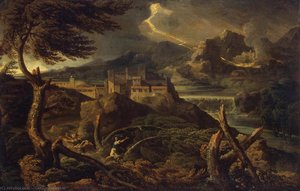
As Dughet’s artistry matured, his canvases began to pulse with a more fluid and atmospheric energy. He became a master of the elements, particularly known for his ability to depict the sudden, breathtaking arrival of a storm. Out of his vast repertoire, many of his works are dedicated to these turbulent skies, where heavy clouds collide with shafts of breaking light. This fascination with the ephemeral nature of weather placed him alongside his contemporary, Salvator Rosa, as one of the preeminent landscape painters of his era.
His technique often involved a delicate collaboration; he frequently worked with Guillaume Courtois, who would breathe life into the scenes by painting the staffage—the small, human figures that wander through the vastness. This synergy allowed Dughet to focus on the monumental scale of nature while maintaining an intimate connection to the human experience. From the grand frescoes of the Palazzo Colonna to the more weathered cycles in San Martino ai Monti, his work reflects a profound mastery over both light and texture.
A Legacy Carved in Stone and Garden
The influence of Dughet’s vision did not fade with his death in 1675; rather, it migrated north, finding a profound resonance in the British Isles. During the eighteenth century, his name became synonymous with the ideal classical landscape. His style was so evocative that collectors often attributed any beautiful, pastoral scene to him, a testament to the enduring power of his aesthetic.
His impact can be seen across several disciplines:
- The evolution of British landscape painting, providing a blueprint for masters like Thomas Gainsborough and John Constable.
- The design of English landscape gardens, which sought to replicate the serene, structured wildness found in his oil paintings.
- The preservation of classical ideals within the National Gallery in London, where works like his Sacrifice of Abraham continue to inspire awe.
Gaspard Dughet
1613 - 1675 , Italy
基本情報
- Artistic Movement Or Style: Baroque Landscape
- Artists Or Movements Influenced By This Artist: British landscape painting
- Artists Who Influenced This Artist: Nicolas poussin
- Date Of Birth: June 1615
- Date Of Death: May 1675
- Full Name: Gaspard Dughet
- Nationality: French
- Notable Artworks:
- Landscape with Cross
- View of the Hermitage of Camaldoli near Frascati
- Place Of Birth: Rome, Italy
関連記事

Evocations of Place: A Historical Journey Through Landscape Art
Explore the rich history of landscape art with ArtsDot. Discover renowned artists, movements like Impressionism & Romanticism, and expert guidance for collecting timeless pieces. Find your perfect serene escape today!

ロマン派ランドスケープ:時代を彩る巨匠の10選|アートとインテリアの世界
ロマン派絵画の時代を彩る10選。巨匠たちの風景が織りなす感動の世界へ。ターナー、ルーベンスなど、名作の裏話と高精細複製でアートをお部屋に。ArtsDot.comで至福のアート体験を。

Evocations of Place: A Historical Journey Through Landscape Art
Explore the rich history of landscape art with ArtsDot. Discover renowned artists, movements like Impressionism & tonalism, and expert guidance for collecting timeless pieces. Find your perfect serene escape today!
Claude Lorrain: Master of Light & Landscape in the Golden Age
Explore the luminous landscapes of Claude Lorrain, a Baroque master renowned for his masterful use of light & atmosphere. Discover his life, techniques, key works & enduring influence on art history.

The Enduring Legacy of Oil on Canvas: Technique, History & Aesthetic Impact
Explore the rich history & techniques of oil painting – from Renaissance masters to Impressionism. Discover pigments, layering methods, and why this timeless medium endures. Expert insights for artists & art enthusiasts.