

 プレビュー
プレビュー
 プリントを購入
 シェアする
シェアする シェアする
シェアする
 詳細を見る
詳細を見る

 ダウンロード
 似ている作品
 X線調査
X線調査 スライドショー
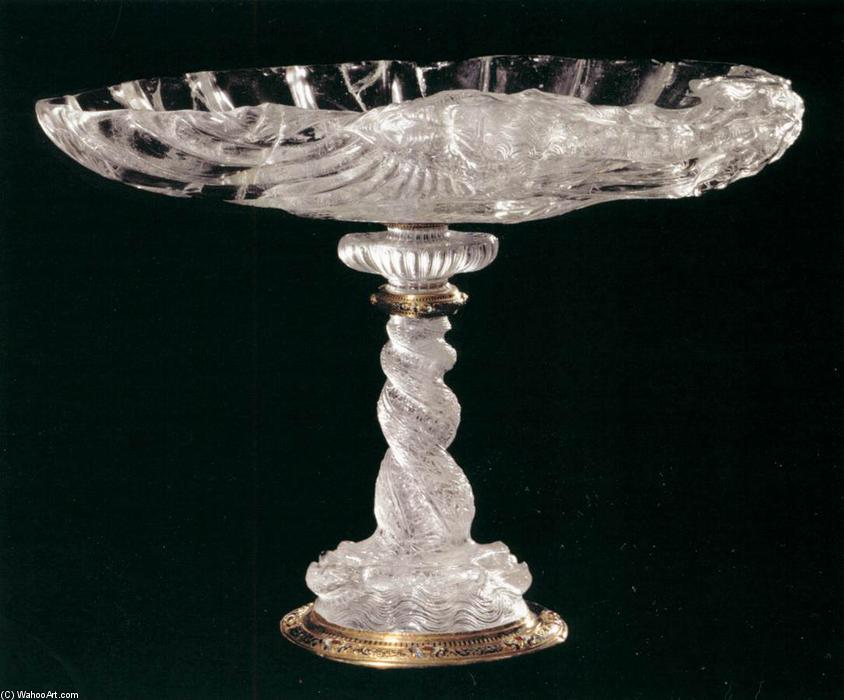
Bowl in the Shape of a Shell
 1565
1565 24.0 x 30.0 cm
 Kunsthistorisches Museum
 詳細を見る
詳細を見る
オンラインプレビューをはるかに凌ぐ、高解像度で鮮明なデジタル画像をご購入いただけます。
各ファイルは、社内の専門家が高度なツールと熟練した手作業によるレタッチを用いて、細心の注意を払って準備されています。すべての画像において、卓越した鮮明度、正確な色彩再現性、そして繊細なディテールを保証いたします。
最終ファイルは、プロフェッショナルな編集・印刷環境ですぐにご利用いただけるよう最適化された状態で、72時間以内にメールにてお届けいたします。これは、一流のデザインスタジオ、出版社、ギャラリーから信頼されているものと同等の品質です。
デジタル画像のご注文に付随する特典
高品質なデジタル画像配信を、確かな品質で。
ArtsDot.com を選ぶことは、単に画像を手に入れることではありません。それは、プロの手によって精密に仕上げられ、満足保証が付いた高品質なデジタルアートワークを受け取ることを意味します。ご注文いただいた際に自動的に付随する内容は、以下の通りです:

メールですぐにお届け
ご注文から72時間以内に、高解像度のデジタル画像ファイルがメールでお手元に届きます。すぐにそのままご利用いただけます。

AI技術で最適化されたデジタルファイル
お客様の作品は、高度なAIツールと専門家による手作業の編集を組み合わせてプロフェッショナルに最適化されており、細部のディテール、鮮明さ、そして正確な色再現性を最大限に引き出しています。

一生涯無料の再送サービス
ファイルを誤って削除したり、紛失してしまったりしましたか?ご安心ください。いつでも無料で再送いたします。

輸入手数料は一切かかりません
関税や手数料、配送料を気にすることなく、お気に入りのアートワークをすぐにお楽しみいただけます。デジタルダウンロードは常に免税です。

色彩再現の保証
プロ仕様のツールとカラーマネジメント技術を用いることで、デジタル画像が元の色を最大限に忠実に再現することを保証いたします。

60日間満足保証
ご購入いただいたデジタル画像にご満足いただけない場合は、60日以内であれば、修正または100%の返金(理由を問う必要はありません)をさせていただきます。

100% 返金保証
ご満足いただけない場合は、デジタルファイルを受け取ってから60日以内であれば、理由を問わず全額返金いたします。

まとめ買い割引
3枚購入で10%OFF - 5枚購入で15%OFF - 10枚以上購入で20%OFF。クリエイティブなプロジェクト、ギャラリー、エージェンシーに最適です。
関連作品







作家の略歴
Gasparo Miseroni: A Milanese Master of Fantastical Ceramics
Gasparo Miseroni (1518-1573) stands as a singular figure in the history of Italian ceramics, a master craftsman whose workshops in Milan produced some of the most opulent and imaginative vessels of the 16th century. While often overshadowed by his more famous cousin, Dionysio Miseroni, Gasparo’s contribution to the artistic landscape was profound, characterized by an extraordinary command of materials – particularly rock crystal, agate, jasper, and chalcedony – combined with a dazzling display of goldsmithing and enamel work. His creations weren't merely decorative; they were miniature worlds brimming with mythological figures, fantastical creatures, and intricate scenes, reflecting the lavish tastes of European courts and wealthy patrons. Born in Milan around 1518, Gasparo’s lineage was steeped in artistic tradition. The Miseroni family had established itself as leading lapidaries and goldsmiths by the 15th century, tracing their roots back to Francesco Miseroni in 1460. This long-standing legacy instilled a deep appreciation for craftsmanship and an understanding of precious materials – qualities that would be passed down through generations. Gasparo’s early training undoubtedly involved learning from his father and uncle, absorbing the family's techniques and developing his own distinctive style. The workshop itself was a hub of activity, employing numerous artisans who contributed to the creation of these elaborate pieces. While precise details about his life remain scarce – he died in Milan in 1573 – contemporary accounts suggest he was a highly respected figure within the artistic community.Technique and Materials: A Symphony of Craftsmanship
Miseroni’s genius lay not just in his imaginative designs but also in his mastery of technique. He worked primarily with rock crystal, a notoriously difficult material to carve due to its inherent brittleness and tendency to fracture. His skill in shaping this delicate stone into intricate forms – shells, dragons, Medusas, and elaborate floral arrangements – was truly remarkable. He employed a subtractive method, carefully removing material to reveal the desired shape, often using diamond-tipped tools. The surfaces were then meticulously polished to a mirror sheen, highlighting the crystal’s natural clarity and brilliance. Beyond rock crystal, Miseroni skillfully utilized other materials like agate, jasper, chalcedony, and lapis lazuli, each contributing unique textures and colors to his designs. These stones were often combined with gold mounts, intricately applied enamel work, and precious gemstones – a testament to the wealth and status of his patrons. The use of enamels, particularly in vibrant blues, greens, and reds, added another layer of richness and visual complexity to his pieces. The integration of these diverse materials demonstrated an exceptional understanding of color theory and design principles, creating works that were both visually stunning and technically impressive.Iconic Designs: Shells, Dragons, and Mythological Narratives
Miseroni’s ceramics are instantly recognizable for their fantastical imagery and opulent decoration. The shell bowl, a recurring motif in his work, is particularly noteworthy. These bowls often depicted winged horses, mythical creatures, or scenes from classical mythology – a deliberate attempt to evoke the grandeur of ancient Greece and Rome. Dragons, another frequent subject, symbolized power and protection, while Medusa’s heads served as potent reminders of the dangers of hubris. These weren't simply decorative objects; they were miniature narratives, carefully crafted to entertain and impress. One particularly striking example is the “Lidded Bowl in Prase” (1565), a testament to his skill with layered materials and intricate detailing. The bowl’s exterior features a vibrant prase agate shell adorned with gold leaf and enamel, while the interior showcases a scene of winged horses galloping across a landscape. Similarly, his dragon-shaped cups and vases are masterpieces of illusionistic carving, creating the impression of three-dimensional forms within the confines of the stone. These pieces demonstrate not only technical virtuosity but also a deep understanding of perspective and spatial relationships.Influence and Legacy: A Family Tradition
Gasparo Miseroni’s influence extended far beyond his own lifetime. His workshop continued to thrive for generations, producing some of the most exquisite ceramics of the 16th and 17th centuries. His son, Girolamo Miseroni, further developed the family's reputation, establishing a workshop in Prague that catered to the demands of European royalty. The Miseroni family’s legacy is inextricably linked to the Habsburg court, which actively sought out talented artisans to decorate its palaces and churches. The techniques pioneered by Gasparo Miseroni – particularly his mastery of rock crystal carving and the integration of gold and enamel work – were highly valued by other artists and workshops throughout Europe. His designs served as inspiration for generations of ceramicists, shaping the aesthetic sensibilities of Renaissance and Baroque art. While often working in the shadow of his more flamboyant cousin Dionysio, Gasparo Miseroni’s contribution to the history of ceramics is undeniable—a testament to the enduring power of imagination, skill, and a deep appreciation for beauty. His work continues to captivate viewers today, offering a glimpse into the opulent world of 16th-century European courts and the extraordinary talent of a Milanese master craftsman.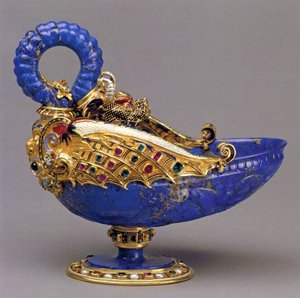
gasparo miseroni
1518 - 1573

