 プレビュー
プレビュー
 プリントを購入
 シェアする
シェアする シェアする
シェアする
 詳細を見る
詳細を見る

 ダウンロード
 似ている作品
 X線調査
X線調査 スライドショー
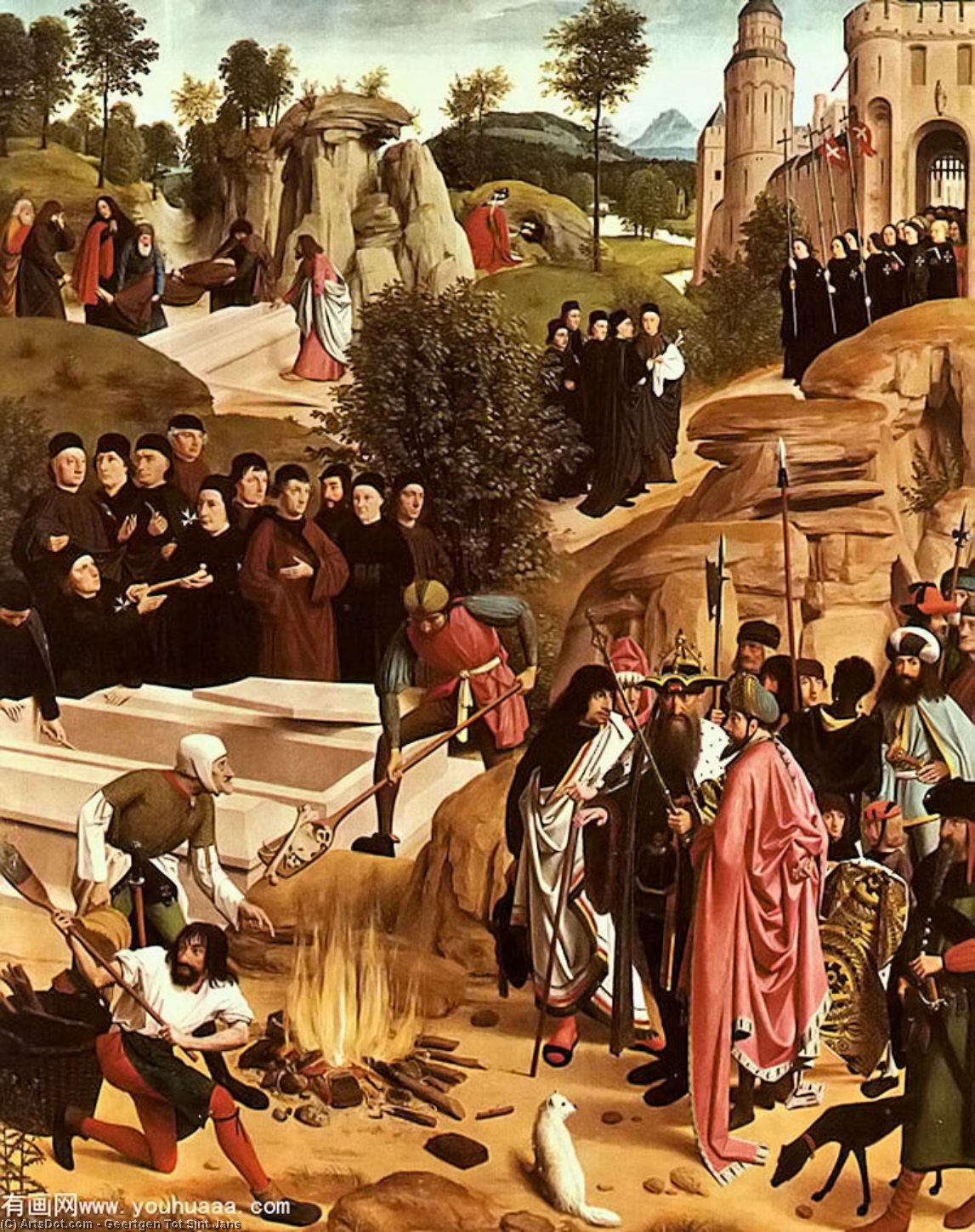
The Bones of St. John the Baptist
 Acrylic On Canvas
- WallArt
- Early Netherlandish Renaissance
 1485
1485 172.0 x 139.0 cm
 Kunsthistorisches Museum
 詳細を見る
詳細を見る




P118B $10

P118H $10

P118W $10

P438Z $10

P508JH $12

P508YH $12

P805H $10

P805Z $10

P919BZ $10

P919G $10

P919XJ $10

P959ZH $10

P968JZ $12

W106C $8

W218G $10

W218JH $8

W218Y $10

W307PJ $10

W316G $10

W316PJ $8

W316Y $10

W398PJ $8

W4111J $10

W500HY $15

W500JH $15

W692G $12

W849H $8

W940BG $15

W953PJ $8




作品のオリジナル比率に合わせた、当店の規定サイズからお選びください。

特定のフレームやスペースに合わせて、ご希望のサイズをご入力いただけます。選択されたサイズが元の画像の比率と異なる場合、アートワークをトリミングするか、手描きで要素を追加して絵画を拡張いたします。デジタルモックアップ を制作し、制作開始前にご確認(承認)をいただきます。
画面上のプレビューは、実際のトリミングや拡張を正確に反映しているものではありません。最終的な構図は、モックアップによってのみ正確にご確認いただけます。
カスタムサイズもご利用いただけますが、元の比率を維持するためには、あらかじめ用意されたリストからサイズを選択することをお勧めいたします。
ご注文後、ArtsDot.com チームより詳細な指示をお送りするとともに、仕上がりイメージ(モックアップ)をご提供いたします。


 ガラスオプションは、110cm未満のサイズでのみご利用いただけます。

The Bones of St. John the Baptist
複製技法
複製画のサイズ
-


合計金額
$ 263
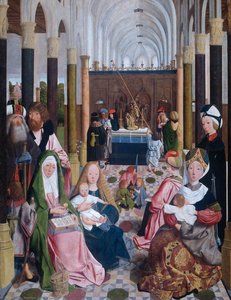
A Silent Testament to Faith: Exploring Geertgen tot Sint Jans’ “The Bones of St. John the Baptist”
Geertgen tot Sint Jans remains an enigma, a figure shrouded in conjecture and tantalizing fragments of biographical detail gleaned primarily from Karel van Mander's accounts—a testament to the challenges inherent in reconstructing artistic lives centuries after their demise. Yet, despite this obscurity, his output speaks volumes about the spiritual fervor of Early Netherlandish painting, specifically embodied in “The Bones of St. John the Baptist,” a monumental altarpiece commissioned around 1485 that continues to captivate viewers with its unsettling beauty and profound meditation on mortality. This artwork isn’t merely a depiction; it's an invitation into a contemplative space where symbolism intertwines seamlessly with masterful technique.The Scene Unfolds: Composition and Narrative
The painting presents a stark tableau against a dark, richly textured background—a deliberate choice that underscores the solemnity of the subject matter. At its core lies a man, draped in sombre robes, holding aloft a skull – undeniably St. John the Baptist’s bones – a poignant reminder of human vulnerability and the inevitability of death. Surrounding him are several individuals engaged in hushed conversation, their postures conveying both reverence and apprehension. A dog rests at his feet, symbolizing loyalty and faithfulness, while a bird perched near the center adds an element of ethereal grace to the composition. Two books positioned on the lower left corner subtly reinforce the theme of contemplation and scholarly reflection—a hallmark of humanist thought prevalent during the period. Van Mander’s description suggests that this scene was intended to evoke a sense of pilgrimage and spiritual introspection, mirroring the devotional practices of the time.Technique and Artistic Style: Detail and Atmosphere
Geertgen tot Sint Jans' skill is evident in every brushstroke—a testament to his mastery of oil paint, which allowed him to achieve an unparalleled level of luminosity and textural depth. The artist employed a technique known as sfumato – blurring edges and softening contours – creating an atmospheric haze that envelops the figures and enhances the painting’s emotional impact. Careful attention was paid to anatomical accuracy, reflecting the influence of Vesalian dissection—a burgeoning field of scientific inquiry during the Renaissance—yet this realism is tempered by a stylized approach that prioritizes expressive gesture and psychological nuance. The meticulous rendering of fabrics and textures contributes to the overall illusionistic quality of the artwork, transporting viewers into the heart of the depicted space.Symbolism: Death, Faith, and Remembrance
The skull itself serves as a central symbol—a direct reference to Christian iconography representing death and resurrection, reminding us that earthly existence is transient but spiritual life transcends mortality. The positioning of St. John’s bones elevates them beyond mere bone fragments; they become a tangible embodiment of suffering endured for the sake of faith. Furthermore, the presence of the dog and bird symbolizes virtues associated with Saint John—loyalty and divine grace respectively—underscoring the painting's moral dimension. These elements coalesce to convey a powerful message about confronting mortality with courage and maintaining unwavering devotion amidst adversity.Emotional Resonance: A Portrait of Contemplation
“The Bones of St. John the Baptist” transcends mere visual representation; it aspires to evoke an emotional response in the viewer—a feeling of solemn contemplation and profound awareness of human fragility. The subdued palette, dominated by dark browns and blacks, reinforces the atmosphere of mourning and introspection. Yet, amidst this darkness lies a glimmer of light—symbolic of hope and divine compassion—suggesting that even in the face of death, faith offers solace and eternal life. This artwork continues to resonate with audiences today because it speaks directly to universal themes of mortality, spirituality, and remembrance—a timeless masterpiece capturing the essence of humanist thought and artistic excellence.関連作品
アーティストの略歴
謎に包まれた生涯:ヘールヘン・ト・スィント・ヤンスの真実を紐解く
初期ネーデルラント絵画の歴史において、ヘールヘン・ト・スィント・ヤンスという名は、静かな輝きを放つ一筋の光のように響きます。その生涯は、もどかしいほどに謎に包まれています。15世紀後半(おおよそ1460年から1辺90年)にかけてハーレムで活躍した彼の存在は、主に、没後1世紀以上が経過してから執筆されたオランダの美術史家カレル・ファン・マンデルの記述によって、断片的に繋ぎ合わされています。ファン・マンデルによれば、彼はハーレムにある聖ヨハネ騎士団と関わりがあったとされ、それが「聖ヨハネの小さなゲラルト」を意味する独特な姓の由来となりました。彼が騎士団の修道士であったのか、あるいは単に縁があっただけなのかは定かではありませんが、この結びつきは彼の芸術的成果に深い影響を与えています。ヘールヘンを取り巻く文献的証拠の乏しさは、かえって彼に神秘的なオーラを纏わせ、私たちが現存する作品の驚異的な質と精神的な深みに、より深く没入することを可能にしています。また、ハーレムの絵画発展における重要人物であるアルベルト・ファン・アウヴェーターの弟子であったとも考えられていますが、決定的な証拠はいまだ見つかっていません。断片的な遺産:現存する傑作たち
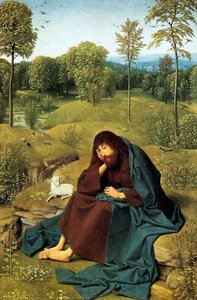
悲劇的なことに、ヘールヘンの作品の多くは、時の流れと過酷な運命によって失われてしまいました。ハーレムの激動の歴史、特に八十年戦争中の1573年の包囲戦は、数多くの芸術作品を破壊し、彼の制作物の大部分をも奪い去りました。しかし、今なお残された断片的な作品には、類まれなる才能の片鱗が鮮烈に描き出されています。最も名高い現存作は、もともと聖ヨハネ騎士団の祭壇のために制作された大型三連祭壇画の断片です。聖ヨランの伝説とキリストの哀悼と題されたこれらのパネルは、現在ウィーンの美術史博物館に収蔵されています。本来の構造から切り離されてしまったその姿は、歴史の荒波に対して芸術がいかに脆弱であるかを、痛切に物語っています。特に哀悼は、その静謐な感情表現と革新的な風景描写で知られ、後の世紀のオランダ絵画を特徴づける展開を予兆させるものです。他にも、精神的な孤独を瞑想的に描いた荒野の洗礼者ヨハネや、キリストの受難を力強く感動的に表現した悲しみの人などが、彼の作品として伝えられています。現存する各パネルは、ヘールゲンの油彩技法の習熟、繊細な光の扱い、そして宗教的な場面に深い心理的共鳴を吹き込む能力の証左といえるでしょう。風景と精神性における革新
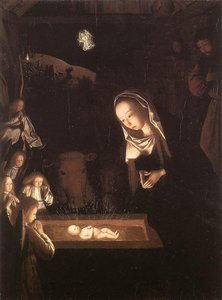
ヘールヘン・ト・スィント・ヤンスは、いくつかの重要な芸術的革新を通じて、他の画家たちと一線を画していました。彼は風景に対して並外れた感受性を備えており、それを絵画の物語構造の中に継ぎ目なく融合させたのです。風景を単なる背景として用いた同時代の多くの画家とは異なり、ヘールゲンの描く情景には象徴的な意味が込められており、作品全体の感情的なインパクトに大きく寄与しています。彼の風景は、単なる写実的な描写にとどまりません。それは精神的な安らぎを呼び起こし、画面の中に存在する人物たちの内面的な状態を反映しているのです。さらに、ヘールヘンは繊細な身振りや表情を通じて感情を伝える驚くべき能力を示しました。彼の描く人物たちは、決して大げさで演劇的なものではなく、鑑賞者を信仰と悲哀の世界へと引き込むような、親密な人間性を備えています。また、光と影の劇的な相互作用である「キアロスクーロ(明暗法)」の使用も特筆すべき点であり、場面の感情的な強度を高め、奥行きとリアリズムを生み出しています。この技法は、闇が場面を包み込み、幼いキリストから放たれる輝かしい光が際立つ夜の降誕において、とりわけ顕著に現れています。永続する影響:美術史におけるヘールゲンの地位
確実に帰属が特定されている作品数は限られているものの、ヘールヘン・ト・スィント・ヤンスは初期ネーデルラント絵画の歴史において極めて重要な地位を占めています。彼の影は、後のオランダの巨匠たち、特にハーレム派に関連する画家たちの作品の中に見出すことができます。風景への革新的なアプローチと、人間の感情に対する繊細な描写は、17世紀のオランダ絵画を定義づける発展への道筋をつけたのです。ヤコブ・マタムによる版画や詩に裏付けられた哀悼の影響力は、ヘールゲンの作品が当時の人々に対してどれほど深い影響を与えたかを証明しています。生前は、ヤン・ファン・エイクやロヒール・ファン・デル・ウェイデンといったより多作な画家たちの影に隠れがちでしたが、現代の研究では、北方のルネサンスに対するヘールゲンの独自の貢献がますます高く評価されるようになっています。彼は国際ゴシック様式と、16世紀に芽生えつつあったリアリズムを結ぶ重要な架け橋であり、精神的な献身と芸術的な革新の繊細な均衡を体現しています。彼の遺産は、現存する傑作を通じてだけでなく、その生涯を取り巻く消えることのない謎を通じても生き続けています。それは、歴史的知識の限界を超越する芸術の力を証明しているのです。巨匠の再発見
- 初期ネーデルラント絵画: ヘールゲンの作品は、緻密なディテール、写実的な描写、そして宗教的テーマへの集中を特徴とする、初期ネーデルラント絵画の伝統に深く根ざしています。
- ハーレム派: 彼はハーレム派の確立において重要な役割を果たし、その後のこの地域で活動する画家たちの世代に影響を与えました。
- 精神的な深み: 彼の絵画は、深い精神性と感情的な共鳴によって際立っており、鑑賞者を信仰、苦難、そして救済というテーマへの瞑想へと誘います。
- 風景の革新: 物語構造の不可欠な要素として風景を用いたヘールゲンの革新的な手法は、同時代の多くの画家たちから彼を際立たせるものとなりました。
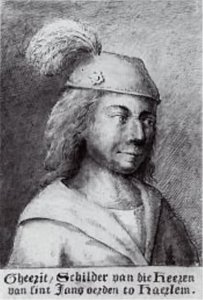
ヘールヘン・トット・シント・ヤンス
1460 - 1490 , オランダ
基本情報
- Artistic Movement Or Style: 初期ネーデルラント絵画
- Artists Or Movements Influenced By This Artist:
- レンブラント
- フランス・ハルス
- Artists Who Influenced This Artist: ['アルベルト・ファン・アウヴェーター']
- Date Of Birth: 1460年
- Date Of Death: 1490年
- Full Name: ヘールヘン・ト・シント・ヤンス
- Nationality: オランダ
- Notable Artworks:
- キリストの哀悼
- 聖ヨハネの伝説
- 荒野の洗礼者ヨハネ
- 悲しみの人
- Place Of Birth: オランダ、ライデン
関連記事

Early Netherlandish Masters: 10 Paintings That Revolutionized Art & Decor
Journey into the world of Early Netherlandish painting! Explore 10 masterpieces by Jan van Eyck, Rogier van der Weyden & more. Discover stunning detail, symbolism & Renaissance art for your home decor. Find museum-quality reproductions on ArtsDot.com

High Medieval Art: 10 Masterpieces That Shaped an Era | ArtsDot
Journey through High Medieval Art! Explore 10 iconic masterpieces – from Giotto's frescoes to stunning Gothic cathedrals. Discover the stories behind these timeless paintings, sculptures & illuminated manuscripts. Find museum-quality art reproductions at ArtsDot.com.
Late Medieval Masterpieces: 10 Artworks That Defined an Era | ArtsDot
Journey through 10 defining Late Medieval masterpieces – from Giotto's frescoes to Jan van Eyck’s realism. Explore the stories, techniques & vibrant colors of Gothic art. Find museum-quality reproductions and elevate your home decor with ArtsDot.com! Discover all masterpieces on ArtsDot.com
Jan Gossart: Bridging Netherlandish Realism & Renaissance Humanism – A Comprehensive Exploration
Explore the captivating world of Jan Gossart, a pivotal figure bridging Netherlandish realism & Renaissance humanism. Discover his masterpieces, patronage, and lasting influence – an essential guide for discerning art collectors.
Jan Gossaert (Mabuse): Pioneering Renaissance Style & the Birth of Netherlandish Antiquity
Explore the groundbreaking art of Jan Gossaert (Mabuse), a pioneer of Renaissance painting in the Low Countries. Discover his Romanist style, stunning portraits, and influence on Northern European art history.