

 プレビュー
プレビュー
 プリントを購入
 シェアする
シェアする シェアする
シェアする
 詳細を見る
詳細を見る

 ダウンロード
 似ている作品
 X線調査
X線調査 スライドショー
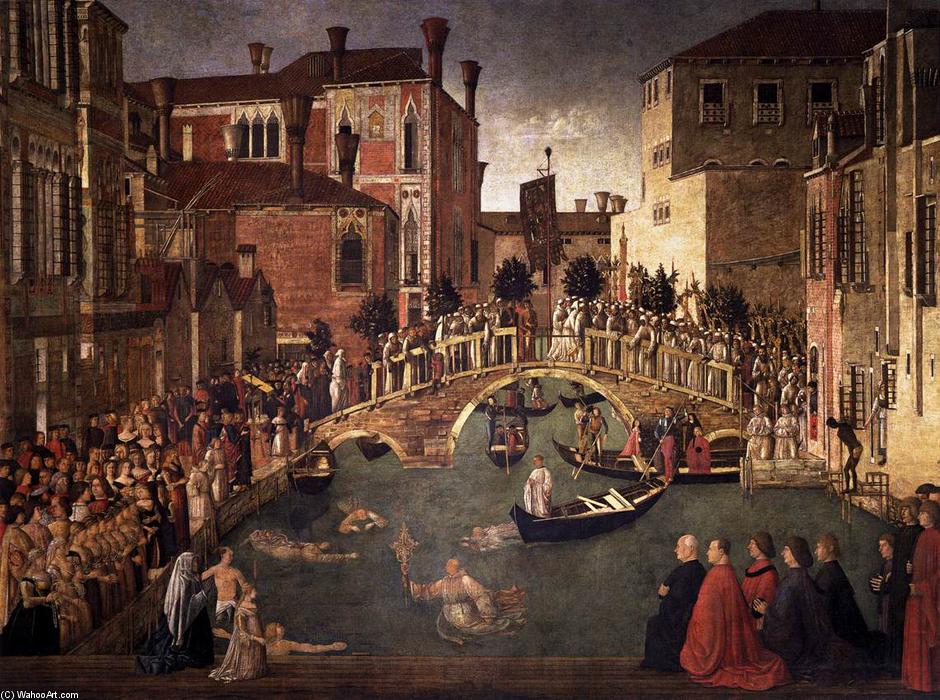
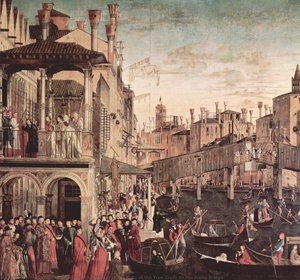
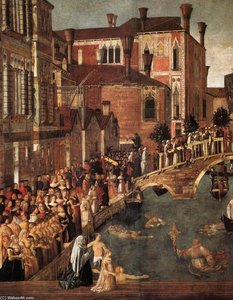
Miracle of the Cross at the Bridge of San Lorenzo
 Oil On Canvas
- WallArt
- Renaissance Venetian Painting
 1500
1500 323.0 x 430.0 cm
 Gallerie dell’Accademia
 詳細を見る
詳細を見る




P118B $10

P118H $10

P118W $10

P438Z $10

P508JH $12

P508YH $12

P805H $10

P805Z $10

P919BZ $10

P919G $10

P919XJ $10

P959ZH $10

P968JZ $12

W106C $8

W218G $10

W218JH $8

W218Y $10

W307PJ $10

W316G $10

W316PJ $8

W316Y $10

W398PJ $8

W4111J $10

W500HY $15

W500JH $15

W692G $12

W849H $8

W940BG $15

W953PJ $8




作品のオリジナル比率に合わせた、当店の規定サイズからお選びください。

特定のフレームやスペースに合わせて、ご希望のサイズをご入力いただけます。選択されたサイズが元の画像の比率と異なる場合、アートワークをトリミングするか、手描きで要素を追加して絵画を拡張いたします。デジタルモックアップ を制作し、制作開始前にご確認(承認)をいただきます。
画面上のプレビューは、実際のトリミングや拡張を正確に反映しているものではありません。最終的な構図は、モックアップによってのみ正確にご確認いただけます。
カスタムサイズもご利用いただけますが、元の比率を維持するためには、あらかじめ用意されたリストからサイズを選択することをお勧めいたします。
ご注文後、ArtsDot.com チームより詳細な指示をお送りするとともに、仕上がりイメージ(モックアップ)をご提供いたします。


 ガラスオプションは、110cm未満のサイズでのみご利用いただけます。

Miracle of the Cross at the Bridge of San Lorenzo
複製技法
複製画のサイズ
-


合計金額
$ 488
A Glimpse into Venice: Gentile Bellini’s “Miracle of the Cross”
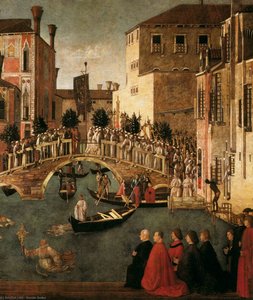
Gentile Bellini's "Miracle of the Cross at the Bridge of S. Lorenzo," painted around 1500, isn’t merely a depiction of an event; it’s a vibrant snapshot of Venetian life, steeped in religious fervor and artistic innovation. Housed within the Gallerie dell’Accademia in Venice, this tempera-on-canvas work transports us to a bustling canal scene, where a miraculous recovery of the relic of the Holy Cross unfolds amidst the everyday rhythms of the city. The painting immediately captivates with its density – a teeming crowd of figures, each rendered with remarkable detail and imbued with individual character, jostle for space along the narrow bridge and surrounding waterways.
Bellini’s genius lies in his ability to seamlessly blend meticulous observation with a distinctly Venetian aesthetic. The architecture—a complex interplay of buildings lining the canal – is both accurate and subtly stylized, reflecting the city's unique urban fabric. The composition itself is dynamic, drawing the eye through layers of activity: from the devout onlookers gathered to witness the miracle, to the merchants hawking their wares, to the gondolas gliding along the water. The artist masterfully uses perspective, creating a sense of depth and immediacy that draws the viewer into this vibrant scene.
The Miracle and its Context
The painting recounts a pivotal event from 1496: the miraculous recovery of the relic of the Holy Cross within the Scuola Grande di San Giovanni Evangelista. Legend held that the fragment, brought to Venice in 1369, had fallen into the canal. A remarkable rescue by Andrea Vendramin, the school’s guardian, restored the relic to its rightful place, and this event became a celebrated occasion for the confraternity. Bellini was commissioned to create a series of large-scale paintings documenting this miracle, each capturing a different facet of the unfolding drama.
The commission itself speaks volumes about the importance of religious iconography in Venetian society. The *Scuola Grande* were powerful civic organizations, deeply involved in both religious and political life. Their patronage of the arts was a means of demonstrating piety, wealth, and social influence. Bellini’s paintings served not only as devotional images but also as elaborate displays of the confraternity's prestige.
A Symphony of Color and Technique
Bellini’s technique is characterized by its rich color palette and masterful use of oil paint—a relatively new medium in Venice at the time. He employed a layering approach, building up translucent glazes to achieve luminous effects and subtle gradations of tone. The warm browns, ochres, and muted reds dominate the scene, creating an atmosphere of both drama and intimacy. Notice how he uses light and shadow (chiaroscuro) to sculpt forms and define space – particularly in the depiction of the figures and the architecture.
Furthermore, Bellini’s work demonstrates a fascinating engagement with Eastern influences. The presence of foreign merchants, their distinctive attire, and the overall atmosphere of the scene reflect Venice's role as a major trading hub connecting Europe with the East. This fusion of Venetian and Oriental aesthetics is a hallmark of Bellini’s style and contributes to the painting’s unique allure.
Symbolism and Emotional Resonance
Beyond its historical and artistic significance, “Miracle of the Cross” resonates deeply on an emotional level. The scene evokes a sense of collective faith and communal celebration. The kneeling figures, their faces filled with awe and devotion, embody the power of religious belief. The miracle itself—the recovery of the Holy Cross—represents hope, redemption, and the triumph of good over evil.
Bellini’s ability to capture this complex interplay of faith, community, and artistic skill makes “Miracle of the Cross at the Bridge of S. Lorenzo” a truly exceptional masterpiece – a timeless testament to the vibrant spirit of Venice and the enduring power of art to inspire and uplift.
関連作品
アーティストの略歴
ヴェネツィア・ルネサンスの巨匠
1429年にヴェネツィアで生まれたジェンティーレ・ベッリーニは、この街の芸術の中枢に深く根を下ろした家系に生を受けました。父ジャコポ・ベッリーニは、当時まだ新しい技法であった油彩画をいち早く取り入れた先駆的な画家であり、弟のジョヴァンニも後にヴェネツィアで最も名高い巨匠の一人としてその名を馳せることになります。ジェンティーレの初期の修行は父の工房で行われ、そこで彼の後のキャリアを決定づけることになる卓越した技法を習得しました。現存するヴェネツ向最古の油彩画の一つである聖ロレンツォ・ジュスティーニアーニの祝福(1445年)は、当時の彼の類まれな才能を物語る証左として、現在はアカデミア美術館に大切に収蔵されています。こうした出発点から、ジェンティーレは肖像画における驚異的な才能によって瞬く間に頭角を現し、ヴェネツィアの統治者であるドージェの公式画家という地位を確立しました。この名誉ある役割は、彼の芸術的軌道を決定づけ、彼をヴェネツィアの権力と社会の中心へと導くこととなったのです。影響と芸術的発展
ジェンティーレ・ベッリーニの画風は、多様な影響が見事に融合した魅力的なものでした。ビザンチン帝国の豊かな伝統はヴェネツィアの芸術に深い影を落とし、様式化された人物像や豪華絢爛な色彩感覚を通じて、彼の作品に独特の美学を吹き込みました。しかし、彼の芸術的視野を劇的に広げたのは、1479年に行われたコンスタンティノープルへの驚くべき旅でした。スルタン・メフメト2世自らの招きを受けたベッリーニは、オスマン帝国の宮廷で過ごすこととなり、その経験は後の創作活動において極めて重要な転換点となりました。異文化、建築、そして未知の生活様式との出会いは、彼の絵画に唯一無二の視点を与えたのです。現在ロンドンのナショナル・ギャラリーに所蔵されているメフメト2世の肖像画は、その影響を象徴する見事な一例であり、実地での観察に基づいた権力と個性の説得力ある描写がなされています。また、ジェンティーレの構図は、しばしば多くの人々がひしめき合う壮大な場面を描き出しますが、これはヴェネツィアの市民生活において重要な役割を果たしていた有力な信心会、スクオーレ・グランディからの依頼を反映したものでした。傑作と芸術的遺産
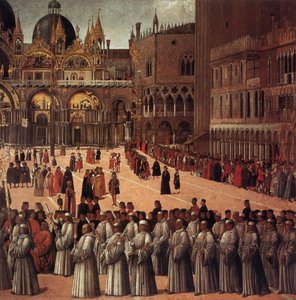
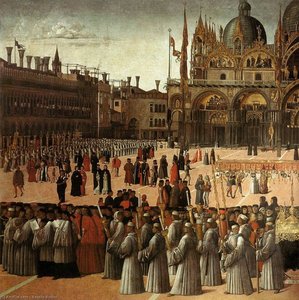
ジェンティーレ・ベッリーニの最も称賛される作品には、二つの記念碑的な絵画が挙げられます。サン・マルコ広場における真の十字架の行列(1496年)と、サン・ロレンツォ橋における真の十字架の奇跡(1500年頃)です。前者はヴェネツィアの生活を捉えた息を呑むようなパノラマであり、宗教的な行列の熱気と壮観な様子を細部まで緻密に描き出しています。そこには、大勢の群衆や複雑な建築的背景を驚くべき正確さで表現する彼の能力が遺憾なく発揮されています。一方、サン・ロレンツォ橋における真の十字架の奇跡は、自画像が含まれている点において特に注目に値します。ジェンティーレ自身の姿と、弟ジョヴァンニ・ベッリーニの姿の両方が描き込まれており、この繊細な芸術的共演は、兄弟の絆と創造的な対話を垣間見せてくれる魅力的な要素となっています。個々の作品を超えて、ジェンプリ・ベッリーニは東洋の文化や情景を描写する運動である「オリエンタリズム」の創始者の一人として、美術史における重要な地位を占めています。歴史的意義
ジェンティーレ・ベッリーニが遺した功績は、いくつかの決定的な達成に基づいています。彼による油彩画の先駆的な使用は、ヴェネツィア絵画における主要な媒体としての地位を固め、より細密な描写、輝き、そして写実性を可能にしました。さらに、オスマン文化への接触と、その後の作品への東洋的モチーフの取り入れは、彼をオリエンタリズム芸術の発展における重要な人物として確立させました。この潮流は、その後何世紀にもわたってヨーロッパの芸術家たちを魅了し続けることになります。弟ジョヴァンニの輝かしい名声の影に隠れがちではありますが、ジェンティーレ・ベッリーニの貢献は、西洋絵画の進化を理解する上で不可欠なものとして、今日広く認められています。彼はヴェネツィアの芸術的伝統と、ビザンチン帝国およびオスマン文化からの影響を巧みに融合させ、ヨーロッパ全土に響き渡る独自の説得力あるスタイルを創り上げました。彼の作品は、単なる卓越した技術や才能の証であるだけでなく、文化交流がいかに芸術的革新を形作る力となり得るかを物語っているのです。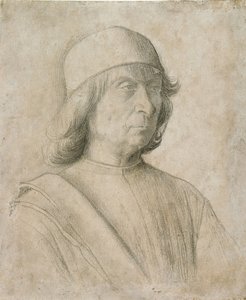
ジェンティーレ・ベッリーニ
1429 - 1507 , イタリア
基本情報
- Artistic Movement Or Style: ルネサンス
- Artists Or Movements Influenced By This Artist: ['オリエンタリズム美術']
- Artists Who Influenced This Artist:
- ヤコポ・ベッリーニ
- ジェンティーレ・ダ・ファブリアーノ
- Date Of Birth: 1429年
- Date Of Death: 1507年
- Full Name: ジェンティーレ・ベッリーニ
- Nationality: イタリア
- Notable Artworks:
- サン・マルコ広場の行列
- 真の十字架の奇跡
- メフメト2世の肖像
- Place Of Birth: イタリア、ヴェネツィア
関連記事

ジャコポ・ティンコレット:至高の25選 – ヴェネツィア巨匠のドラマと光の世界 | ArtsDot
ジャコポ・ティンコレットの至高の25選。ドラマと光の世界を彩るヴェネツィア派巨匠の名画を紐解きます。ルネサンス絵画からバロック絵画まで、ArtsDotで高品質な複製画やインテリアアートを見つけましょう。傑作コレクションをオンラインで探求してください。
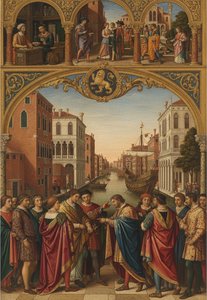
Vittore Carpaccio: Venetian Renaissance Narrative & the Poetics of Detail
Explore the captivating world of Vittore Carpaccio, a master storyteller of the Venetian Renaissance. Discover his intricate details, narrative cycles like 'The Legend of St. Ursula,' and unique artistic style.
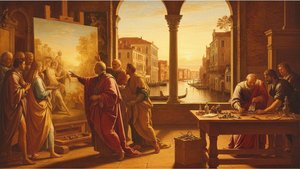
The Golden Light of Innovation: Exploring the Venetian Renaissance Art Movement (1430–1580)
Explore the Golden Age of Venetian art (1430–1580). Discover Giorgione, Titian & Tintoretto's techniques, the 'colorito' revolution, and lasting influence. Expert insights for collectors & enthusiasts.
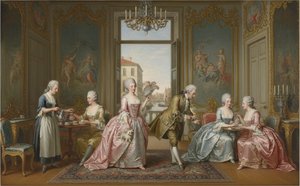
Pietro Longhi's Venetian Scenes: A Study of Rococo Society & Domestic Life
Explore the captivating world of Pietro Longhi's Venetian scenes! Discover insightful analysis of his Rococo masterpieces & social commentary on 18th-century life. Learn about this 'Venetian Hogarth' and his lasting artistic legacy.
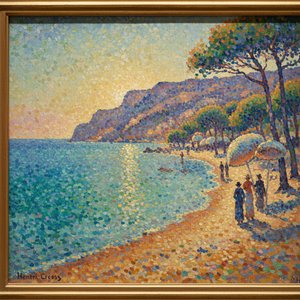
Henri Edmond Cross: A Pioneer of Neo-Impressionism & the Divisionist Aesthetic
Explore the life & art of Henri Edmond Cross, a pivotal Neo-Impressionist painter. Discover his innovative divisionist technique, political affiliations, and lasting influence on modern art movements like Fauvism. Learn about key works & legacy.