

 プレビュー
プレビュー
 プリントを購入
 シェアする
シェアする シェアする
シェアする
 詳細を見る
詳細を見る

 ダウンロード
 似ている作品
 X線調査
X線調査 スライドショー
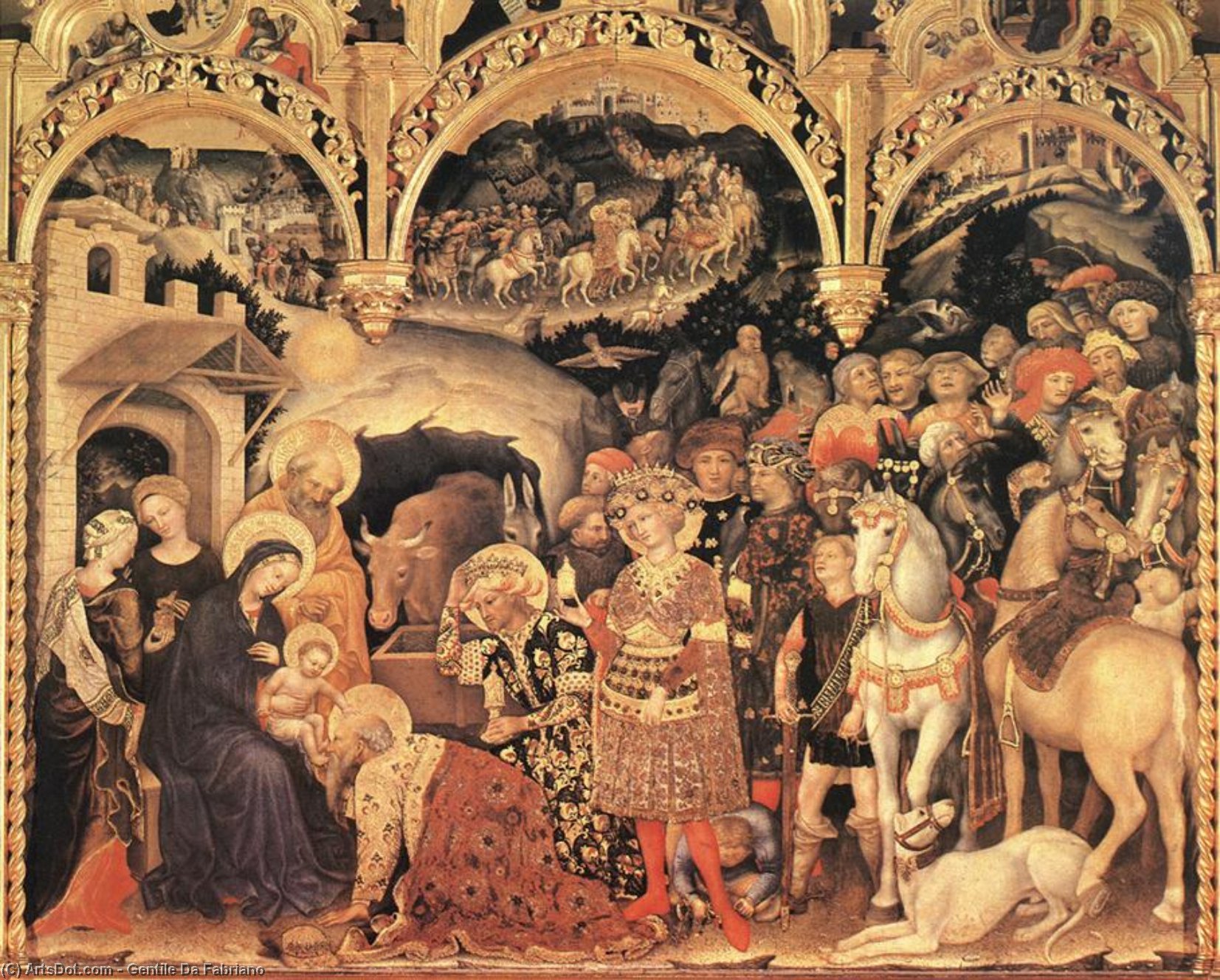
Adoration of the Magi (12)
 International Gothic
 1423
1423 300.0 x 282.0 cm
 ウフィツィ美術館
 詳細を見る
詳細を見る




P118B $10

P118H $10

P118W $10

P438Z $10

P508JH $12

P508YH $12

P805H $10

P805Z $10

P919BZ $10

P919G $10

P919XJ $10

P959ZH $10

P968JZ $12

W106C $8

W218G $10

W218JH $8

W218Y $10

W307PJ $10

W316G $10

W316PJ $8

W316Y $10

W398PJ $8

W4111J $10

W500HY $15

W500JH $15

W692G $12

W849H $8

W940BG $15

W953PJ $8




作品のオリジナル比率に合わせた、当店の規定サイズからお選びください。

特定のフレームやスペースに合わせて、ご希望のサイズをご入力いただけます。選択されたサイズが元の画像の比率と異なる場合、アートワークをトリミングするか、手描きで要素を追加して絵画を拡張いたします。デジタルモックアップ を制作し、制作開始前にご確認(承認)をいただきます。
画面上のプレビューは、実際のトリミングや拡張を正確に反映しているものではありません。最終的な構図は、モックアップによってのみ正確にご確認いただけます。
カスタムサイズもご利用いただけますが、元の比率を維持するためには、あらかじめ用意されたリストからサイズを選択することをお勧めいたします。
ご注文後、ArtsDot.com チームより詳細な指示をお送りするとともに、仕上がりイメージ(モックアップ)をご提供いたします。


 ガラスオプションは、110cm未満のサイズでのみご利用いただけます。

Adoration of the Magi (12)
複製技法
複製画のサイズ
-


合計金額
$ 263
作品解説
A Window into the Soul: Gentile da Fabriano’s ‘Adoration of the Magi’
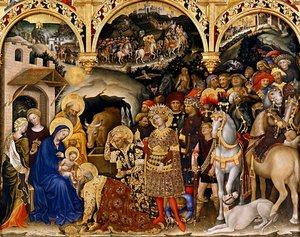
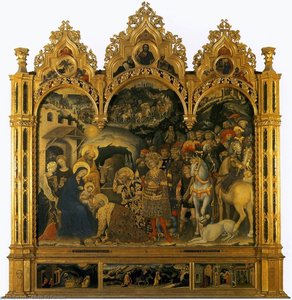
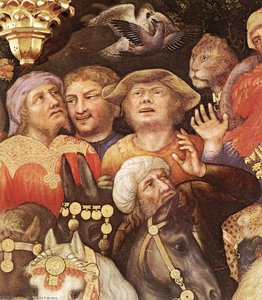
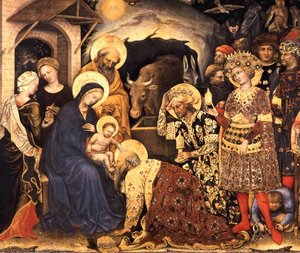
Gentile da Fabriano's “Adoration of the Magi” (1423) isn’t merely a depiction of a biblical scene; it’s an immersive experience, a vibrant tapestry woven with threads of opulent luxury, profound symbolism, and the nascent spirit of Renaissance humanism. Commissioned by the wealthy banker Palla Strozzi for his family chapel in Florence, this altarpiece transcends its function as devotional art to become a testament to wealth, status, and a burgeoning fascination with the natural world – all rendered with the exquisite detail that defines Gentile’s signature style. The painting immediately captivates with its sheer abundance: a dazzling array of gold leaf, shimmering fabrics, and meticulously crafted figures create an atmosphere of breathtaking richness, reflecting the patron's own considerable fortune. Yet, beneath this surface splendor lies a complex narrative brimming with theological significance and artistic innovation.The International Gothic Masterpiece – A Symphony of Detail
Gentile da Fabriano was a pivotal figure in the International Gothic movement, a style characterized by its refined elegance, intricate detail, and a profound sense of realism. “Adoration of the Magi” exemplifies these qualities to an extraordinary degree. Observe the painstaking rendering of each garment – the flowing robes of the Magi, adorned with elaborate embroidery and precious jewels; the delicate folds of Mary’s veil; even the texture of the animals beneath them. This level of detail wasn't simply decorative; it was a demonstration of the artist’s mastery and a reflection of the meticulous craftsmanship valued during this period. The use of *tempera* on panel, combined with the liberal application of gold leaf, creates a luminous surface that seems to radiate light – a technique particularly effective in conveying the scene’s otherworldly quality. The composition itself is remarkably complex, layering multiple narratives within a single frame: the arrival of the Magi, their homage to Christ, and the anticipation of the Nativity.Symbolism Woven into the Scene – A Language of Faith
Beyond its technical brilliance, “Adoration of the Magi” is rich in symbolic meaning. The three wise men, representing the East, journey towards Bethlehem guided by a star—a potent symbol of divine guidance and hope. Their opulent attire, laden with jewels and silks, speaks to their wealth and status, but also subtly alludes to the treasures they bring to Christ – gifts that represent humility and devotion. The inclusion of exotic animals – monkeys, horses, camels, and lions – adds another layer of symbolism, referencing the distant lands from which the Magi originate and highlighting the universality of faith. The presence of a landscape in the background, depicting a rocky terrain and a distant sea, suggests both the earthly journey of the Magi and the eternal realm of heaven. Notably, the scene subtly incorporates elements of Arabic script, reflecting the influence of humanist scholarship on Gentile’s work and hinting at the burgeoning interest in Eastern cultures during this period.A Window to the Renaissance – Innovation and Legacy
“Adoration of the Magi” stands as a crucial bridge between the late Gothic and early Renaissance periods. While firmly rooted in the International Gothic style, it demonstrates a growing awareness of perspective, naturalism, and human emotion—elements that would become hallmarks of the Renaissance. Gentile’s innovative use of light and shadow creates a sense of depth and volume, moving beyond the flat, stylized figures of earlier medieval art. The scene's emotional resonance – the reverence of the Magi, the serenity of Mary, and the innocence of Christ – speaks to a deeper engagement with human experience. This masterpiece profoundly influenced subsequent generations of artists, including Botticelli and Leonardo da Vinci, cementing Gentile da Fabriano’s place as one of the most important figures in Italian Renaissance art.ArtsDot offers meticulously hand-painted reproductions of “Adoration of the Magi,” capturing the painting's breathtaking detail and vibrant colors with unparalleled accuracy. Each reproduction is created by skilled artists using archival-quality materials, ensuring that your artwork will last for generations to come. Explore our collection today and bring this iconic masterpiece into your home or office.
関連作品
アーティストの略歴
インターナショナル・ゴシックの光輝:ジェンティーレ・ダ・ファブリアーノの生涯と芸術
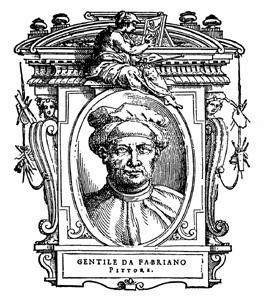
インターナショナル・ゴシック様式の華麗な優美さと同義とも言える名、ジェンティーレ・ダ・フラブリアーノは、14世紀後半のイタリアという芸術的情熱に満ちた風景の中から現れました。マルケ州に抱かれた美しい町、ファブリアーノに1370年頃に生まれた彼の幼少期は、今なおある種の神秘に包まれています。1380年より前に母を亡くし、1385年までには父ニコロ・ディ・ジョヴァンニ・マッシが修道院に身を寄せていたことが分かっています。こうした出来事は、若きジェンティーレの形成期に深い影を落としたことでしょう。初期の修行に関する詳細は乏しいものの、現在ベルリンに収蔵されている初期の傑作聖母子(1395-1400年頃)を見れば、彼が北イタリアで流行していた後期ゴシック絵画の洗練された美学を吸収していたことは明白です。この初期の作品には、後の成熟したスタイルを決定づけることになる、繊細な精密さと優雅な形態の片鱗がすでに宿っています。ヴェネツィアでの開花と高まる名声
1405年頃までには、ジェンティーレは商業と文化交流の活気あふれる拠点であったヴェネツィアにおいて、一人の画家としての地位を確立していました。この地で彼は、サンタ・ソフィア教会のためのパネル画(惜しくも現在は失われています)などの依頼を受け、ジャコポ・ベッリーニのような著名な芸術家たちと交流を深めました。ヴェネツィア時代は、ピザネッロやミケリーノ・ダ・ベゾッツォといった他の影響力のある人物との出会いをもたらし、進化し続ける彼のスタイルを豊かにする芸術的な対話を育みました。この時期、彼は細部への緻ンスなこだわりと洗練された色彩感覚において名声を博し始め、それらは彼の作品の代名詞となりました。ドゥカーレ宮殿のために依頼された海戦を描いたフレスコ画も、現在は失われてはいるものの、大規模な物語的構成に取り組む彼の卓越した能力を物語っています。彼が経験した旅と交流は芸術的な視野を広げ、後に訪れるさらなる偉業への礎となったのです。信仰と造形の傑作:フィレンツェ、そしてその先へ
1410年から1412年にかけて、ジェンティーレは現在ブレラ絵画館に収蔵されている最も称賛される作品の一つ、ヴァッレ・ロミータの祭壇画を制作しました。この複雑な祭壇画は、構図、色彩の調和、そして緻密な細部への習熟を見事に示しています。しかし、彼の遺産を真に不動のものとしたのは、1420年のフィレンツェへの移住でした。富裕な商人パッラ・ストロッツィの依頼により、ジェンティーレは自身の最も象徴的な創造物とも言える東方三博士の礼拝(1423年)に着手しました。現在ウフィツィ美術館の殿堂を飾るこの傑作は、インターナショナル・ゴシック様式の絶頂期を体現しています。豪華な織物、精巧な宝石、そして細部まで作り込まれた場面に配置された優雅な人物像が、目も眩むような輝きを放っています。この絵画は単なる宗教的な描写にとどまりません。それは富、権力、そして芸術的技術への賛歌なのです。金箔と鮮やかな色彩の使用は、この世のものとは思えない光輝を生み出し、観る者を聖なる物語へと引き込みます。フィレンテンデ時代には、執り成しの祭壇画やクアラーテジの祭壇画など、技術と芸術的ビジョンのさらなる洗練を示す重要な作品が次々と生み出されました。永続する影響:遺産と歴史的重要路
ジェンティーレ・ダ・ファブリアーノの生涯は悲劇的に断たれました。彼は1427年10月を迎える前に亡くなり、ローマかフィレンツェのいずれかに埋葬されましたが、その最終的な安息の地は定かではありません。比較的短いキャリアであったにもかかわらず、イタリア美術に与えた影響は計り知れないものでした。彼は後期ゴシックの伝統と、台頭しつつあったルネサンスの美学との架け橋となり、洗練された技法と優雅なスタイルによって、次世代の芸術家たちに影響を与えました。細部への観察、自然主義的な表現、そして洗練されたカラーパレットへの彼のこだわりは、マサッチオやフラ・アンジェリコといった芸術家たちの革新への道を切り拓いたのです。ジェンテ―レの作品は、美、職人技、そして芸術的ビジョンの不朽の力を証明するものとして、最も輝かしいインターナショナル・ゴシックの象徴として今なお燦然と輝き続けています。- ArtsDot.com で提供されているリソースを通じて、インターナショナル・ゴシック様式のさらなる洞察を探求してください。
- Wikipedia の情報とともに、彼の生涯と作品をより深く掘り下げてみましょう。
ジェンティーレ・ダ・ファブリアーノ
1370 - 1427
基本情報
- Artistic Movement Or Style: インターナショナル・ゴシック様式
- Artists Or Movements Influenced By This Artist: ['初期ルネサンスの画家']
- Artists Who Influenced This Artist: ['北イタリアの後期ゴシック様式']
- Date Of Birth: 1370年頃
- Date Of Death: 1427年
- Full Name: ジェンティーレ・ダ・ファブリアーノ
- Nationality: イタリア
- Notable Artworks:
- 東方三博士の礼拝
- ヴァッレ・ロミータの多翼祭壇画
- Place Of Birth: イタリア、ファブリアーノ
関連記事
レオナルド・ダ・ヴィンチ:至高の25選 - 芸術、科学、そして不朽の名作の世界
レオナルド・ダ・ヴィンチの至宝25選。モナリザ、最後の晩餐…ルネサンス美術を代表する名画の世界へ。芸術史、技法、そして感動の物語を紐解き、お部屋に飾る高級複製画で特別な空間を。ArtsDot.comで全コレクションをご覧ください。
Leonardo da Vinci: A Renaissance Master’s Synthesis of Art, Science & Human Observation – Reinterpreted for the Collector
Explore Leonardo da Vinci’s timeless masterpieces with ArtsDot. Discover insights into his art, science, and legacy – trusted expertise for discerning collectors seeking authentic reproductions & investment opportunities.
Renaissance Humanism's Greatest Art: 10 Masterpieces for Your Home
Explore 10 Renaissance Humanism masterpieces by Leonardo da Vinci, Michelangelo & Raphael. Discover the stories behind these iconic paintings & sculptures and bring timeless art into your home with museum-quality reproductions from ArtsDot.com. Explore the full collection online!
ルーブル美術館の至宝25選:名画と芸術史を巡る旅 | ArtsDot
ルーブル美術館の至宝25選。レオナルド・ダ・ヴィンチ、ミロのヴィーナス…名画の歴史と感動を紐解きます。複製画やインテリアアートも豊富に。ArtsDotで、あなただけの芸術空間を。
ウフィツィ美術館の至宝25選:ルネサンス巨匠たちの傑作とアートデコレーション
ウフィツィ美術館の至宝25選:ボッティチェリ、レオナルド・ダ・ヴィンチ…ルネサンス巨匠たちの傑作と感動的な物語を紐解きます。高品質な絵画複製やアートプリントで、お部屋に名画の輝きを。ArtsDot.comで芸術の世界へ。

