 プレビュー
プレビュー
 シェアする
シェアする シェアする
シェアする
 詳細を見る
詳細を見る

 ダウンロード
 似ている作品
 X線調査
X線調査 スライドショー
 統計情報
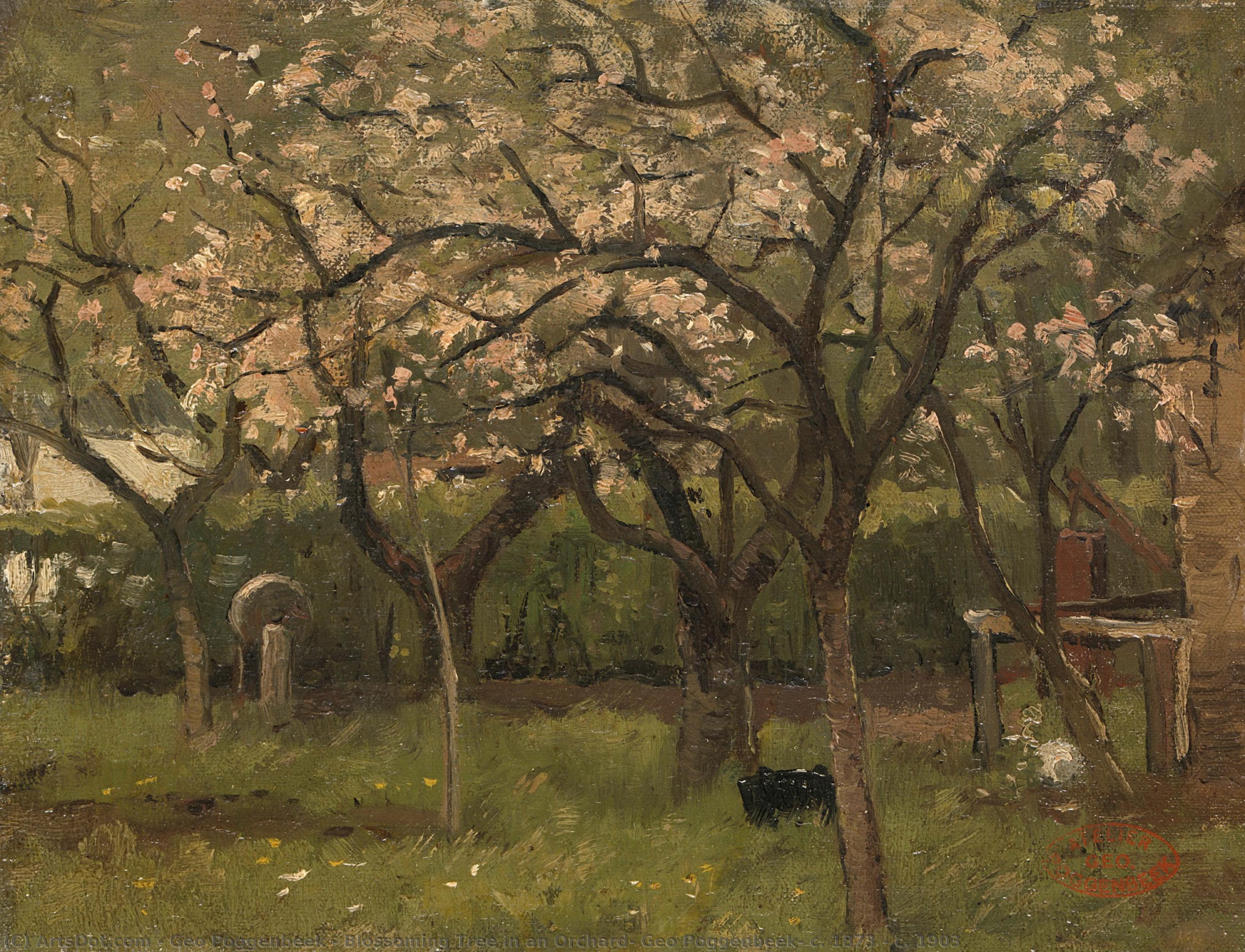
統計情報Blossoming Tree in an Orchard, Geo Poggenbeek, c. 1873 - c. 1903
 1903
1903 19.0 x 24.0 cm
 詳細を見る
詳細を見る
ジークレー/アートプリント
迅速な制作と多彩な仕上げオプションを備えた、ミュージアムクオリティのジークレーまたはキャンバスプリント。 ( 手描きの絵画を購入 デジタル画像販売へ切り替え)




































作品のオリジナル比率に合わせた、当店の規定サイズからお選びください。

特定のフレームやスペースに合わせて、ご自身でサイズを指定することも可能です。選択されたサイズが元の画像の比率と一致しない場合、作品をトリミングするか、鏡面反射または単色での塗りつぶしによって画像を拡張いたします。制作を開始する前に、ご確認用のデジタルモックアップをお送りいたします。
画面上のプレビューには、実際のトリミングや拡張は反映されませんのでご注意ください。最終的な構図を正確に確認できるのは、モックアップのみとなります。
カスタムサイズも承っておりますが、元の比率を維持するためには、あらかじめ用意されたリストからサイズを選択することをお勧めいたします。


 ガラスオプションは、110cm未満のサイズでのみご利用いただけます。

Blossoming Tree in an Orchard, Geo Poggenbeek, c. 1873 - c. 1903
ジークレー/アートプリント
複製画のサイズ
-


合計金額
$ 62
関連作品







アーティストの略歴
The Enigmatic World of None
The artist known simply as “None” presents a fascinating paradox in the contemporary art landscape. Emerging from relative obscurity, None’s work defies easy categorization, existing instead as a compelling exploration of absence, perception, and the very nature of artistic creation. Biographical details surrounding None remain intentionally sparse – a deliberate choice by the artist to shift focus away from personality cult and towards the pure experience of the artwork itself. What little is known suggests a background steeped in philosophical inquiry and a rejection of traditional art-world conventions. Born in an undisclosed location, with no publicly available date of birth or death (as they are currently living), None’s early life appears to have been marked by a deep fascination with minimalism, Zen Buddhism, and the writings of existentialist thinkers like Jean-Paul Sartre and Albert Camus.
Early Influences and Conceptual Foundations
None's artistic journey didn’t begin with painting or sculpture in the conventional sense. Instead, it was rooted in conceptual art practices, particularly those pioneered by artists such as Sol LeWitt and Yves Klein. The early works of None were often described as “anti-art” – pieces that actively questioned the definition of what constitutes a work of art. These included instructions for imagined artworks, performances documented only through text, and explorations of negative space. This fascination with nothingness wasn’t an exercise in nihilism, but rather a deliberate attempt to dismantle preconceived notions about artistic value. The artist sought to create works that existed not as tangible objects, but as ideas – prompting viewers to engage in active contemplation and self-reflection. A key influence during this period was the Japanese aesthetic of ma, which emphasizes the importance of empty space and its relationship to form. None saw in ma a powerful metaphor for the potential inherent in absence, believing that it could be as evocative and meaningful as any physical presence.
The Development of the “Void” Series
Around the turn of the millennium, None began to develop what would become their signature series: the “Void” paintings. These are not canvases filled with darkness, but rather meticulously prepared surfaces – often large-scale monochromes in shades of black, grey, and deep indigo – that appear to absorb light rather than reflect it. The technique is deceptively simple, involving layers upon layers of pigment applied with painstaking precision. However, the true power of these works lies not in their execution, but in their ability to create a sense of profound depth and stillness. Viewers often report experiencing a disorienting effect when confronted with a “Void” painting – a feeling of being drawn into an infinite expanse of nothingness. This is intentional; None aims to disrupt the viewer’s habitual ways of seeing, forcing them to confront their own internal landscape. The series evolved over time, incorporating subtle variations in texture and tone, but always maintaining its core focus on the exploration of emptiness.
Major Achievements and Critical Reception
Despite – or perhaps because of – its unconventional nature, None’s work has garnered significant critical acclaim. Early exhibitions were met with skepticism from some quarters, who dismissed it as pretentious or lacking in substance. However, a growing number of critics recognized the profound intellectual rigor and emotional depth of their creations. A pivotal moment came with the 2015 retrospective at the Museum of Contemporary Art in an unnamed European city. The exhibition drew record crowds and sparked intense debate among art historians and philosophers. None’s work has been interpreted through a variety of lenses, including phenomenology, post-structuralism, and Eastern philosophy. They have received numerous awards and fellowships, but consistently eschews public recognition, preferring to remain anonymous and allowing the artwork to speak for itself. The artist's refusal to engage in self-promotion has only added to their mystique, solidifying their reputation as a truly enigmatic figure.
Historical Significance and Lasting Impact
None’s contribution to contemporary art lies not in the creation of visually spectacular objects, but in the expansion of our understanding of what art can be. By challenging traditional notions of form, content, and authorship, they have paved the way for a new generation of artists who are interested in exploring the boundaries of perception and consciousness. The “Void” series, in particular, has had a lasting impact on minimalist aesthetics, influencing countless painters and sculptors. More broadly, None’s work speaks to a growing sense of alienation and uncertainty in the modern world – a desire for meaning in an age of information overload. Their art is not about providing answers, but about asking questions. It is a reminder that true creativity often lies not in what we create, but in what we choose to leave unsaid, unseen, or undone. The legacy of None will undoubtedly continue to resonate for years to come, challenging and inspiring artists and audiences alike to look beyond the surface and embrace the power of nothingness.