

 プレビュー
プレビュー
 プリントを購入
 シェアする
シェアする シェアする
シェアする
 詳細を見る
詳細を見る

 ダウンロード
 似ている作品
 X線調査
X線調査 スライドショー
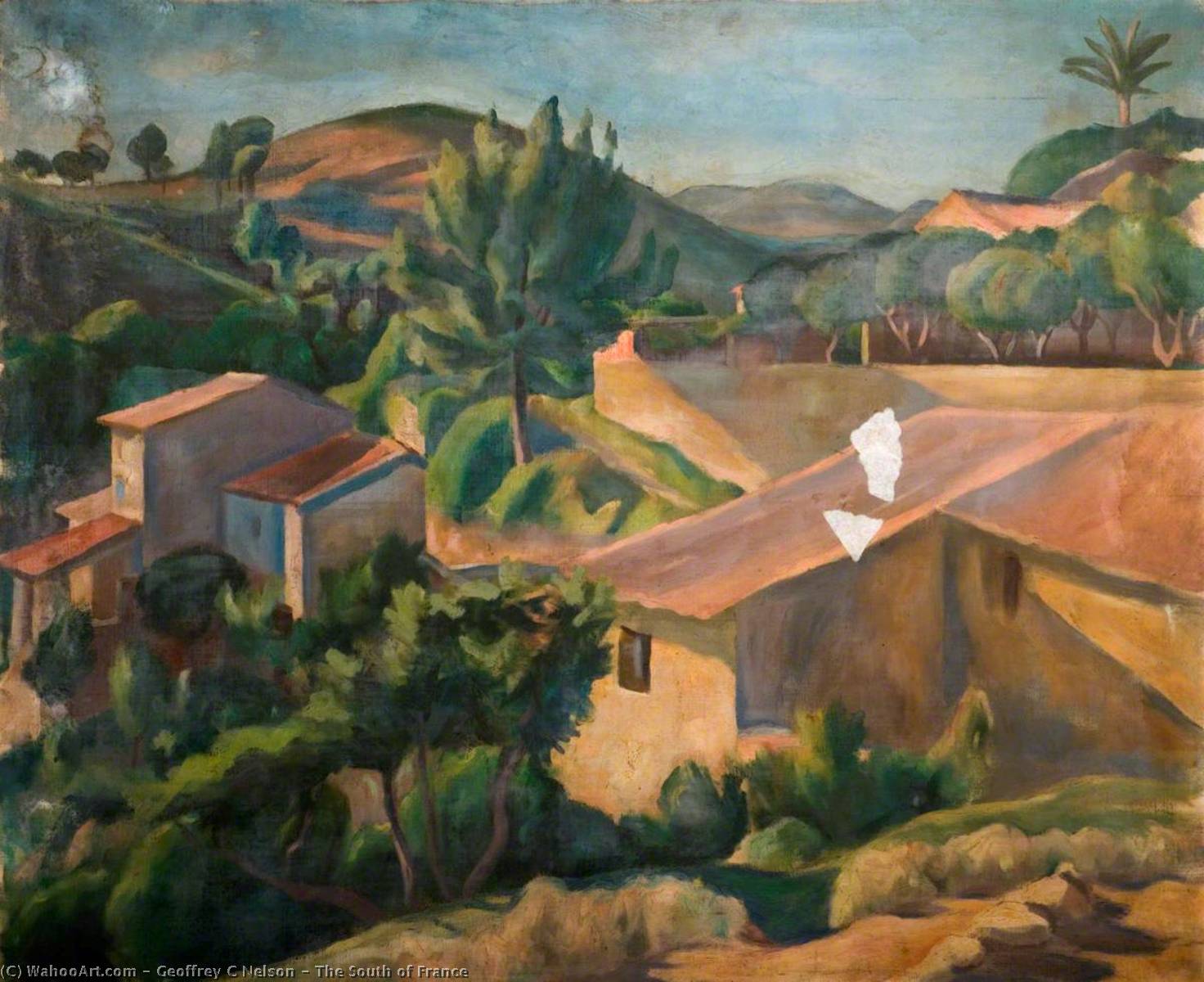
The South of France
 1928
1928 60.0 x 72.0 cm
 詳細を見る
詳細を見る




































作品のオリジナル比率に合わせた、当店の規定サイズからお選びください。

特定のフレームやスペースに合わせて、ご希望のサイズをご入力いただけます。選択されたサイズが元の画像の比率と異なる場合、アートワークをトリミングするか、手描きで要素を追加して絵画を拡張いたします。デジタルモックアップ を制作し、制作開始前にご確認(承認)をいただきます。
画面上のプレビューは、実際のトリミングや拡張を正確に反映しているものではありません。最終的な構図は、モックアップによってのみ正確にご確認いただけます。
カスタムサイズもご利用いただけますが、元の比率を維持するためには、あらかじめ用意されたリストからサイズを選択することをお勧めいたします。
ご注文後、ArtsDot.com チームより詳細な指示をお送りするとともに、仕上がりイメージ(モックアップ)をご提供いたします。


 ガラスオプションは、110cm未満のサイズでのみご利用いただけます。

The South of France
複製技法
複製画のサイズ
-


合計金額
$ 263
関連作品










アーティストの略歴
Geoffrey C. Nelson: Capturing the Light of the French Riviera
Geoffrey C. Nelson (1893-1943) wasn’t a name that immediately resonates within the grand halls of 20th-century art history, yet his canvases—particularly those depicting the sun-drenched landscapes and vibrant cafes of the French Riviera—hold a captivating charm and offer a unique glimpse into a specific moment in artistic expression. Nelson's work represents a fascinating intersection of Impressionism, plein air painting, and a distinctly personal vision, rooted in his experiences as an expatriate artist living amongst the wealthy elite of Martigues and Vieux Cagnes.
Born in Wahoo, Nebraska, in 1893, Nelson’s artistic journey began later than many. He initially pursued a career in law before dedicating himself to painting in the early 1920s. This shift wasn't driven by a sudden epiphany but rather a gradual realization of his true calling—a desire to capture the fleeting beauty and atmosphere of the Mediterranean coast. Nelson’s family connections, particularly through his uncle, Maurice Suckling, a prominent naval officer, provided him with opportunities for travel and exposure to diverse cultures, which undoubtedly informed his artistic sensibilities. He spent considerable time in France, establishing himself as a resident artist in the charming towns of Martigues and Vieux Cagnes, locations that would become synonymous with his work.
The Palette of Provence: Style and Technique
Nelson’s paintings are immediately recognizable for their luminous quality and masterful use of light. He was deeply influenced by the Impressionist movement, particularly the techniques employed by artists like Claude Monet and Camille Pissarro, but he developed a distinct style that leaned towards capturing the *atmosphere* rather than meticulously rendering every detail. His brushstrokes were often loose and expressive, creating a sense of immediacy and spontaneity. Nelson favored working outdoors – “en plein air” – allowing him to directly observe and translate the changing light conditions onto his canvases.
Color played a crucial role in his work. He employed a vibrant palette, utilizing rich yellows, blues, and greens to depict the intense sunlight reflecting off the water and buildings of the Riviera. Nelson wasn’t afraid to exaggerate colors, creating an effect that is both visually arresting and emotionally evocative. His compositions often featured scenes of everyday life – bustling cafes, fishermen returning with their catch, elegant ladies strolling along the promenade—but he imbued these scenes with a sense of timelessness and beauty.
Influences and Connections
Nelson’s artistic development was shaped by several key influences. Beyond the Impressionists, he admired the work of artists who had previously captured the spirit of the Mediterranean, such as Jean-Léon Gérôme and Eugène Delacroix. However, his most significant influence may have been his close association with wealthy American expatriates who frequented the Riviera during this period. These patrons provided him with financial support, access to luxurious accommodations, and a unique perspective on the social and cultural life of the region.
Interestingly, Nelson’s work has also been linked to the broader artistic landscape of the time. His paintings have been compared to those of other American expatriate artists working in France, such as John Singer Sargent and Charles Demuth. Furthermore, his depictions of cafes and social gatherings resonate with the themes explored by Edward Hopper, another prominent figure in 20th-century American art.
Major Works and Legacy
Among Nelson’s most celebrated works are “Vieux Cagnes,” a vibrant depiction of the old town, and “Café on the Boulevard – Café du Soleil, Martigues.” These paintings exemplify his ability to capture the essence of a place—its light, its atmosphere, and its people. His work is now held in several prominent collections, including the Nelson-Atkins Museum of Art in Kansas City and the Musée d’Art Moderne et d'Art Contemporain (MAMAC) in Nice.
Despite his relatively short career—he died prematurely in 1943 during World War II—Nelson left behind a significant body of work that continues to be appreciated for its beauty, its technical skill, and its evocative portrayal of the French Riviera. He represents a vital link between Impressionism and later movements, offering a unique perspective on a pivotal period in art history. His legacy lies not only in his paintings but also in his ability to transport viewers to the sun-drenched shores of Provence, where light, color, and atmosphere converge to create a truly unforgettable experience.
geoffrey c nelson
1893 - 1943
基本情報
- Artistic Movement Or Style: Impressionism
- Artists Or Movements Influenced By This Artist: ['Nelson-Atkins Art']
- Artists Who Influenced This Artist: ['Henri Moret']
- Date Of Birth: 1893
- Date Of Death: 1943
- Full Name: Geoffrey C Nelson
- Nationality: American
- Notable Artworks:
- Vieux Cagnes 1927
- Café on the Boulevard
- Martigues Paintings
- Place Of Birth: WahooArt