

 プレビュー
プレビュー
 プリントを購入
 シェアする
シェアする シェアする
シェアする
 詳細を見る
詳細を見る

 ダウンロード
 似ている作品
 X線調査
X線調査 スライドショー
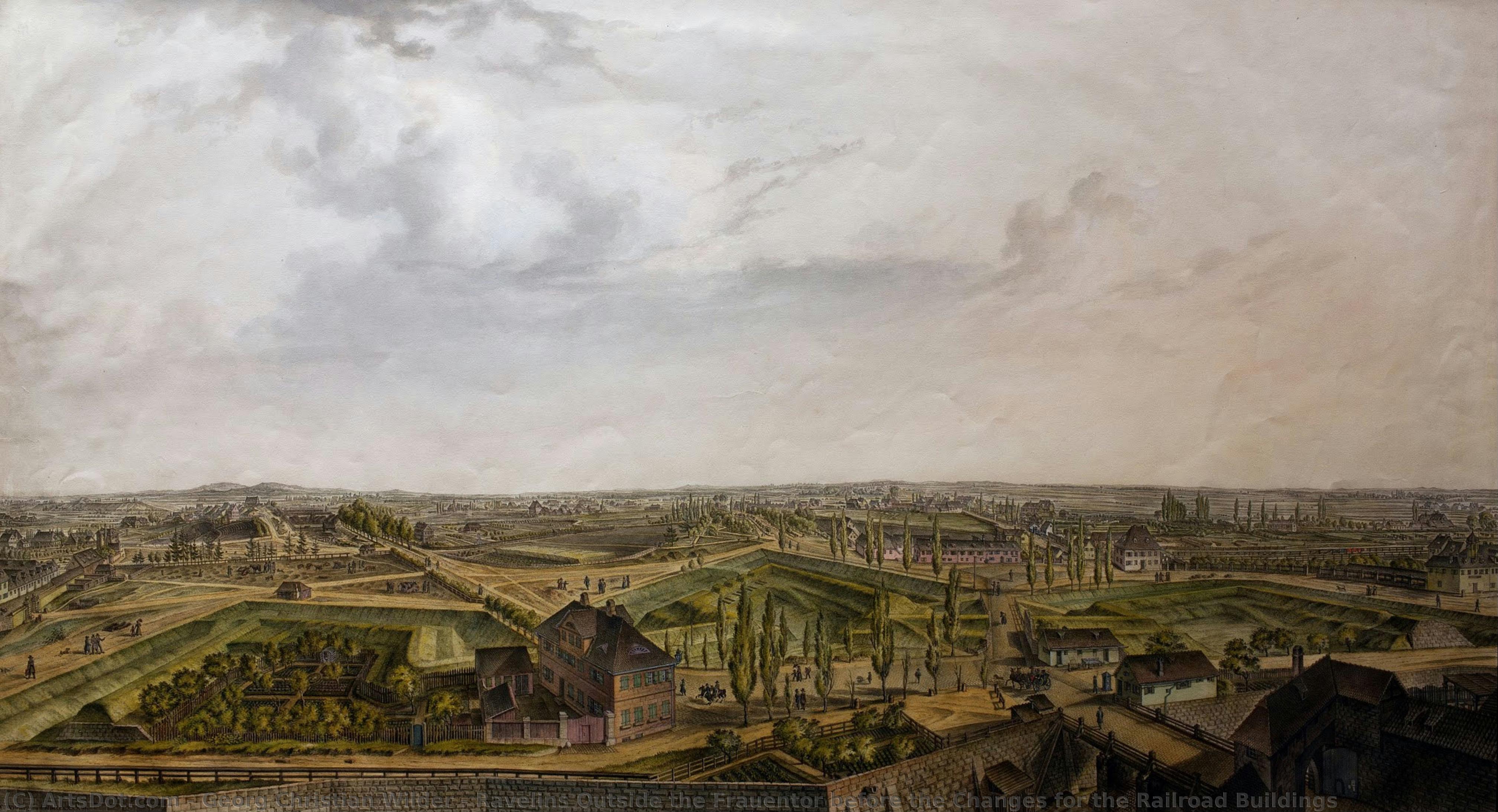
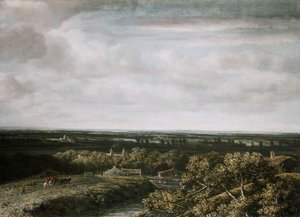
Ravelins Outside the Frauentor before the Changes for the Railroad Buildings


 詳細を見る
詳細を見る




































作品のオリジナル比率に合わせた、当店の規定サイズからお選びください。

特定のフレームやスペースに合わせて、ご希望のサイズをご入力いただけます。選択されたサイズが元の画像の比率と異なる場合、アートワークをトリミングするか、手描きで要素を追加して絵画を拡張いたします。デジタルモックアップ を制作し、制作開始前にご確認(承認)をいただきます。
画面上のプレビューは、実際のトリミングや拡張を正確に反映しているものではありません。最終的な構図は、モックアップによってのみ正確にご確認いただけます。
カスタムサイズもご利用いただけますが、元の比率を維持するためには、あらかじめ用意されたリストからサイズを選択することをお勧めいたします。
ご注文後、ArtsDot.com チームより詳細な指示をお送りするとともに、仕上がりイメージ(モックアップ)をご提供いたします。


 ガラスオプションは、110cm未満のサイズでのみご利用いただけます。

Ravelins Outside the Frauentor before the Changes for the Railroad Buildings
複製技法
複製画のサイズ
-


合計金額
$ 263
作品解説
関連作品


アーティストの略歴
Georg Christian Wilder: A Pioneer of Romantic Landscape and Architectural Documentation
Georg Christian Wilder (1797-1855) stands as a pivotal figure in 19th-century German art, celebrated primarily for his breathtaking depictions of Nuremberg and Franconian Switzerland—landscapes imbued with the spirit of Romanticism—and for his meticulous architectural drawings that meticulously documented the evolving cityscape. Born in Nuremberg, Germany, Wilder’s artistic journey began amidst the burgeoning intellectual fervor of his time, shaping him into a visionary artist deeply attuned to both natural beauty and cultural heritage.Early Life and Artistic Training
Wilder received an exceptional education thanks to his father's influence, attending St Lawrence’s School where he honed his drawing skills before embarking on private tutoring that further nurtured his talent. His formative years were marked by exposure to influential artists like Gustav Philipp Zwinger and Ambrosius Gabler at the Painters’ Academy in Nuremberg, equipping him with foundational knowledge of artistic techniques and stylistic conventions. Notably, Wilder's early engagement with etching—documented in 1811—demonstrated a commitment to precision and detail that would characterize his entire oeuvre.Vienna Years: Romantic Landscape Rediscovery
From 1819 to 1832, Wilder established himself in Vienna, where he became instrumental in reviving interest in the romantic ideals surrounding Nuremberg’s surroundings. He recognized the profound emotional resonance of the old city and Franconian Switzerland—a region transformed by industrial progress—capturing their essence with remarkable sensitivity. This period witnessed a stylistic shift toward topographical realism combined with expressive color palettes, reflecting Wilder's fascination with conveying not merely visual information but also psychological depth.Architectural Documentation: Preserving Nuremberg’s Legacy
Wilder’s artistic legacy rests principally on his groundbreaking architectural drawings—a testament to his dedication to preserving cultural heritage. He meticulously documented the Nuremberg cityscape during King Ludwig I’s reign, producing detailed renderings of buildings and urban spaces that serve as invaluable historical records. His work at St George's Hospital Pathology Museum showcases a passion for scientific observation alongside artistic skill. Wilder’s meticulous approach established him as a pioneer in architectural preservation—a discipline that continues to resonate today.Notable Works and Artistic Achievements
Wilder’s artistic output includes iconic depictions of Nuremberg’s City Hall, the Church of St Lorenz, and Nuremberg Castle—each piece embodying his mastery of landscape painting and architectural illustration. These works are housed in prominent museums across Germany, guaranteeing their enduring presence within the canon of European art history. His contribution to German Romanticism is undeniable, cementing his place as a visionary artist who captured the sublime beauty of his homeland while simultaneously championing the importance of safeguarding its cultural heritage.- Key Influences: Zwinger, Gabler, Reindel – These mentors instilled in Wilder a deep appreciation for classical artistic principles and observational accuracy.
- Signature Style: Romantic Landscape Painting; Topographical Realism; Precise Architectural Drawings
- Historical Significance: Wilder’s work profoundly impacted the preservation movement, establishing Nuremberg as a model of cultural heritage conservation.
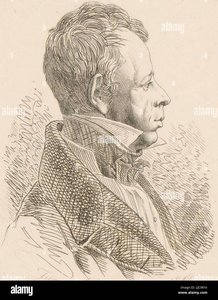
georg christian wilder
1797 - 1855 , Germany
基本情報
- Artistic Movement Or Style: Romantic Landscape
- Artists Or Movements Influenced By This Artist: ['Historic Cultural Heritage Preservation']
- Artists Who Influenced This Artist: ['Gustav Philipp Zwinger']
- Date Of Birth: 1797
- Date Of Death: 1855
- Full Name: Georg Christian Wilder
- Nationality: German
- Notable Artworks:
- City Hall
- St Lorenz Church
- Nuremberg Castle
- Place Of Birth: Nuremberg, Germany
関連記事

ジョン・コンスタブルの傑作25選:英国風景画の巨匠が描く自然と光の詩 | ArtsDot
ジョン・コンスタブルの傑作25選。英国風景画の巨匠が描く自然と光の詩の世界へ。ロマン主義を代表する絵画、デダム・ヴェールやヘイ・ウェインなど、ArtsDotで高品質なアートプリントをお楽しみください。インテリアに深みと感動を。コレクションはこちら。

Evocations of Place: A Historical Journey Through Landscape Art
Explore the rich history of landscape art with ArtsDot. Discover renowned artists, movements like Impressionism & Romanticism, and expert guidance for collecting timeless pieces. Find your perfect serene escape today!

ロマン派ランドスケープ:時代を彩る巨匠の10選|アートとインテリアの世界
ロマン派絵画の時代を彩る10選。巨匠たちの風景が織りなす感動の世界へ。ターナー、ルーベンスなど、名作の裏話と高精細複製でアートをお部屋に。ArtsDot.comで至福のアート体験を。
Evocations of Place: A Historical Journey Through Landscape Art
Explore the rich history of landscape art with ArtsDot. Discover renowned artists, movements like Impressionism & tonalism, and expert guidance for collecting timeless pieces. Find your perfect serene escape today!
Evoking Nature's Sublime: A Comprehensive Exploration of 19th-Century Landscape Painting
Explore the captivating world of 19th-century landscape painting! Discover renowned artists like Friedrich & Monet, key movements, and find the perfect artwork to bring nature's serenity into your home. Expert insights at ArtsDot.

