

 プレビュー
プレビュー
 シェアする
シェアする シェアする
シェアする
 詳細を見る
詳細を見る

 ダウンロード
 似ている作品
 X線調査
X線調査 スライドショー
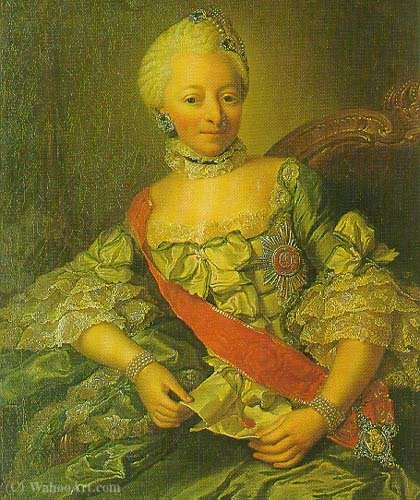
Louise Friderike of Württemberg
 詳細を見る
詳細を見る
ジークレー/アートプリント
迅速な制作と多彩な仕上げオプションを備えた、ミュージアムクオリティのジークレーまたはキャンバスプリント。 ( 手描きの絵画を購入 画像を購入)




































作品のオリジナル比率に合わせた、当店の規定サイズからお選びください。

特定のフレームやスペースに合わせて、ご自身でサイズを指定することも可能です。選択されたサイズが元の画像の比率と一致しない場合、作品をトリミングするか、鏡面反射または単色での塗りつぶしによって画像を拡張いたします。制作を開始する前に、ご確認用のデジタルモックアップをお送りいたします。
画面上のプレビューには、実際のトリミングや拡張は反映されませんのでご注意ください。最終的な構図を正確に確認できるのは、モックアップのみとなります。
カスタムサイズも承っておりますが、元の比率を維持するためには、あらかじめ用意されたリストからサイズを選択することをお勧めいたします。


 ガラスオプションは、110cm未満のサイズでのみご利用いただけます。

Louise Friderike of Württemberg
ジークレー/アートプリント
複製画のサイズ
-


合計金額
$ 62
関連作品


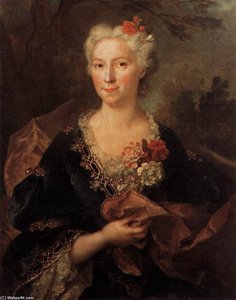
アーティストの略歴
Jean Baptiste Vanmour: A Painter of the Sublime and the Exotic
Born in Valenciennes, France, in 1671, Jean Baptiste Vanmour’s life was a tapestry woven across continents – from the bustling streets of Paris to the opulent courts of Constantinople. While often overshadowed by his contemporaries, Vanmour carved out a distinctive artistic niche, blending meticulous detail with an evocative sense of drama and a fascination with both classical antiquity and the exotic landscapes of the East. His career spanned nearly seven decades, marked by a remarkable adaptability and a willingness to embrace diverse subject matter, ultimately establishing him as one of the most significant landscape painters of his era.
Vanmour’s early artistic training remains somewhat shrouded in mystery, though it's believed he began his apprenticeship under the renowned painter, Nicolas-Joseph Patelin. This foundation instilled in him a classical sensibility – a deep understanding of composition, perspective, and the idealized beauty of the human form. However, Vanmour quickly transcended mere imitation, developing a unique style characterized by an almost obsessive attention to detail and a masterful use of light and shadow. His early works often depicted scenes from mythology and history, showcasing his technical skill but hinting at a growing desire for something more – a connection with the natural world.
The Eastern Influence: Constantinople and Beyond
A pivotal moment in Vanmour’s career arrived in 1736 when he journeyed to Constantinople, then the capital of the Ottoman Empire. This move proved transformative, profoundly shaping his artistic vision and subject matter. The vibrant colors, dramatic lighting, and exotic flora and fauna of the East captivated him, inspiring a series of paintings that celebrated the splendor and mystery of this distant land. He became intimately familiar with the city’s architecture, its bustling markets, and its diverse population, capturing these scenes with remarkable accuracy and an undeniable sense of wonder.
- Landscapes of the Sublime: Vanmour's landscapes weren’t simply depictions of scenery; they were imbued with a profound sense of drama and grandeur. He frequently chose dramatic vistas – towering mountains, vast plains, and turbulent rivers – to evoke feelings of awe and contemplation.
- Oriental Details: His paintings are replete with meticulously rendered details—the intricate patterns of Persian carpets, the shimmering surfaces of mosques, the vibrant hues of exotic flowers—creating a rich tapestry of sensory experience.
- Portraits of Ottoman Dignitaries: Vanmour also produced numerous portraits of Ottoman officials and dignitaries, skillfully capturing their personalities and status through subtle gestures and carefully chosen attire.
Technique and Style: A Synthesis of Classical and Eastern Traditions
Vanmour’s artistic style represents a fascinating synthesis of classical and oriental influences. He retained the rigorous compositional principles learned from his training in France, employing techniques of aerial perspective and chiaroscuro to create depth and atmosphere. However, he infused these elements with a distinctly eastern sensibility—a heightened awareness of color, texture, and the interplay of light and shadow. His brushwork was often loose and expressive, conveying a sense of movement and spontaneity that contrasted sharply with the more formal style of his contemporaries.
He was particularly adept at capturing the effects of light on water, creating shimmering reflections and dynamic ripples that brought his landscapes to life. His use of color was equally remarkable—he employed a wide range of hues, often layering them to create complex and luminous surfaces. Vanmour’s meticulous attention to detail extended beyond mere representation; he sought to capture the *essence* of each subject, imbuing his paintings with a sense of emotional resonance.
Legacy and Influence
Jean Baptiste Vanmour died in Constantinople in 1778, leaving behind a substantial body of work that continues to fascinate art historians and collectors today. While he never achieved widespread fame during his lifetime, his paintings are now recognized as masterpieces of the late Baroque and early Rococo periods. His influence can be seen in the works of later landscape painters who were inspired by his dramatic compositions, his masterful use of color, and his fascination with the exotic East.
His work is particularly valued for its ability to transport the viewer to distant lands—to the sun-drenched plains of Persia, the majestic mountains of Turkey, and the bustling streets of Constantinople. Vanmour’s paintings are not merely representations of scenery; they are windows into a world of beauty, mystery, and adventure – a testament to the enduring power of art to transcend time and place.
Further Resources
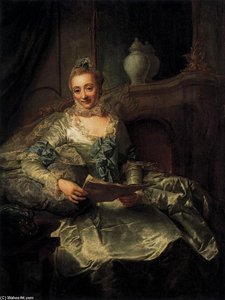
georg david matthieu
1737 - 1778 , Germany
基本情報
- Artistic Movement Or Style: Painter
- Artists Who Influenced This Artist: ['None],\n "Artists or movements influenced by this artist": [Hackert, Jacob Philipp']
- Date Of Birth: January 9, 1671
- Date Of Death: January 22, 1737
- Full Name: Jean Baptiste Vanmour
- Nationality: French
- Notable Artworks: ['Various landscapes and portraits']
- Place Of Birth: Valenciennes, France

