

 プレビュー
プレビュー
 シェアする
シェアする シェアする
シェアする
 詳細を見る
詳細を見る

 ダウンロード
 似ている作品
 X線調査
X線調査 スライドショー
 統計情報
統計情報Cabinets of Curiosities
 Oil On Canvas
- WallArt
- Dutch Golden Age
 1666
1666 115.0 x 93.0 cm
 ハンブルク美術館
 詳細を見る
詳細を見る
オンラインプレビューをはるかに凌ぐ、高解像度で鮮明なデジタル画像をご購入いただけます。
各ファイルは、社内の専門家が高度なツールと熟練した手作業によるレタッチを用いて、細心の注意を払って準備されています。すべての画像において、卓越した鮮明度、正確な色彩再現性、そして繊細なディテールを保証いたします。
最終ファイルは、プロフェッショナルな編集・印刷環境ですぐにご利用いただけるよう最適化された状態で、72時間以内にメールにてお届けいたします。これは、一流のデザインスタジオ、出版社、ギャラリーから信頼されているものと同等の品質です。
デジタルアート
個人での鑑賞、印刷、クリエイティブなプロジェクト用に、高解像度ファイルをダウンロードできます。 ( プリント版に切り替え 手描きの絵画を購入)
デジタル画像のご注文に付随する特典
高品質なデジタル画像配信を、確かな品質で。
ArtsDot.com を選ぶことは、単に画像を手に入れることではありません。それは、プロの手によって精密に仕上げられ、満足保証が付いた高品質なデジタルアートワークを受け取ることを意味します。ご注文いただいた際に自動的に付随する内容は、以下の通りです:

メールですぐにお届け
ご注文から72時間以内に、高解像度のデジタル画像ファイルがメールでお手元に届きます。すぐにそのままご利用いただけます。

AI技術で最適化されたデジタルファイル
お客様の作品は、高度なAIツールと専門家による手作業の編集を組み合わせてプロフェッショナルに最適化されており、細部のディテール、鮮明さ、そして正確な色再現性を最大限に引き出しています。

一生涯無料の再送サービス
ファイルを誤って削除したり、紛失してしまったりしましたか?ご安心ください。いつでも無料で再送いたします。

輸入手数料は一切かかりません
関税や手数料、配送料を気にすることなく、お気に入りのアートワークをすぐにお楽しみいただけます。デジタルダウンロードは常に免税です。

色彩再現の保証
プロ仕様のツールとカラーマネジメント技術を用いることで、デジタル画像が元の色を最大限に忠実に再現することを保証いたします。

100日間満足保証
ご購入いただいたデジタル画像にご満足いただけない場合は、100日以内であれば、理由を問わず修正または100%の返金対応をさせていただきます。

100% 返金保証
ご満足いただけない場合は、デジタルファイルを受け取ってから100日以内であれば、理由を問わず全額返金いたします。

まとめ買い割引
3枚購入で10%OFF - 5枚購入で15%OFF - 10枚以上購入で20%OFF。クリエイティブなプロジェクト、ギャラリー、エージェンシーに最適です。
The Allure of Abundance: A Dutch Still Life Masterpiece
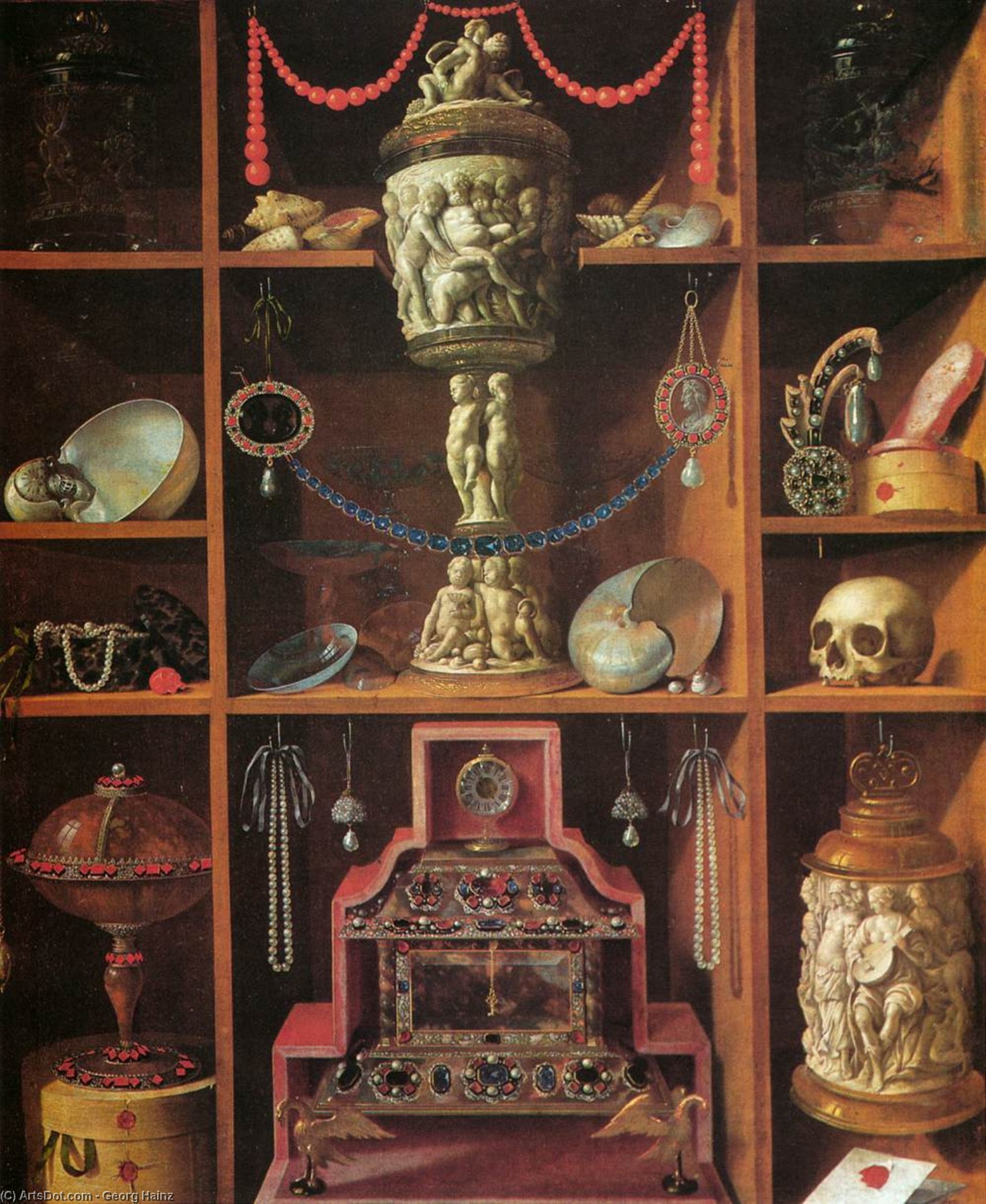
To gaze upon this Cabinets of Curiosities is to step directly into the richly appointed, dimly lit drawing rooms of 17th-century mercantile prosperity. This painting is not merely a collection of objects; it is a meticulously orchestrated visual poem dedicated to the material splendor and the fleeting nature of earthly existence. The composition overwhelms the viewer with an almost breathtaking density—a veritable treasure trove amassed upon a shelf, where every corner seems burdened with significance. From gleaming jewelry catching the imagined light to the cool, smooth curve of porcelain, the sheer volume of detail demands contemplation, inviting us into the private world of a wealthy collector.
Mastery in Technique and Light
The technical brilliance underpinning this work is nothing short of astonishing. Executed with oil paints on canvas, the artist has achieved a level of realism that borders on the photographic. Observe how the light, seemingly originating from an unseen source above and to the left, sculpts every surface. It catches the high points of polished metal, creating dazzling specular highlights, while simultaneously allowing deep, velvety shadows to pool in the crevices between objects. This masterful handling of chiaroscuro, combined with the layering of glazes, gives the entire scene a profound three-dimensionality. The texture itself becomes a subject—the rough patina on an aged skull contrasts sharply with the flawless sheen of imported enamelware.
Symbolism and the Vanitas Theme
As is characteristic of the Dutch Golden Age genre, this still life whispers secrets through its objects. It speaks eloquently to the Vanitas tradition—a profound meditation on mortality. The inclusion of a skull serves as an undeniable memento mori, a stark reminder that all earthly accumulation eventually yields to time. Yet, these symbols are interwoven with items representing human achievement and desire: exotic ceramics speak of global trade routes, while the jewels proclaim status. It is this tension—between the dazzling promise of wealth and the inevitable passage of time—that gives the painting its enduring emotional resonance.
A Touch of North German Baroque Elegance
Attributed to Georg Hainz, a pivotal figure in North German Baroque painting, this piece carries the distinct stamp of his regional school. While deeply indebted to the opulent traditions established by masters like Willem Kalf, Hainz imbues the scene with a palpable sense of local character and intense observational skill. The palette—dominated by deep reds, warm browns, and muted golds—creates an atmosphere that is simultaneously luxurious and profoundly contemplative. For those who appreciate art that functions as both exquisite decoration for a grand interior and profound philosophical statement, this reproduction offers an unparalleled connection to the sophisticated tastes of the 17th-century elite.
関連作品




作家の略歴
The Master of Material Splendor: The Life and Legacy of Georg Hainz
In the heart of the seventeenth century, as the mercantile pulse of Northern Germany began to beat with newfound prosperity, a singular talent emerged to capture the fleeting beauty of the material world. Georg Johann Hainz, born around 1630 in the vibrant artistic enclave of Altona, stands as a pivotal figure in the North German Baroque. His life and work serve as a window into an era defined by both immense wealth and a profound, melancholic awareness of mortality. Moving through the cultural corridors of Hamburg, Hainz established himself not merely as a painter, but as a visual poet capable of transforming inanimate objects into a complex narrative of human existence.
Hainz’s artistic journey was deeply rooted in the stylistic currents flowing from the Dutch Golden Age. His early training under Johannes Herman Dessler provided him with a rigorous foundation, exposing him to the meticulous traditions of masters like Willem Kalf and Cornelis Gijsbrecht van Bronkhorst. From these influences, Hainz inherited an unwavering commitment to realism and a fascination with the interplay of light and shadow. This education allowed him to master the pronkstilleven—the lavish still life—a genre that demanded an extraordinary ability to render diverse textures, from the cold sheen of silver to the delicate, translucent skin of a ripening peach.
A Symphony of Light and Texture
To encounter a work by Hainz is to be invited into a sensory experience. His compositions are often characterized by a breathtaking density, where objects are arranged with both calculated precision and an organic sense of abundance. In his celebrated Cabinets of Curiosities, the viewer is confronted with a treasure trove of global wonders: gleaming jewelry, exotic porcelain, and intricate nautilus cups. He possessed a rare technical brilliance, utilizing oil glazes to sculpt surfaces with light. One can almost feel the rough patina of aged metal or the cool, smooth curve of an imported dish as his brushwork captures every specular highlight and deep, velvety shadow.
Beyond the mere display of wealth, Hainz’s work is imbued with a profound symbolic depth. He was a master of the Vanitas tradition, weaving subtle reminders of the ephemeral nature of life into his displays of opulence. Within a single frame, a luxurious Persian rug might lie beneath a peeled lemon—its bright acidity contrasting with the inevitable decay it represents—or an aged skull might rest near a shimmering gold-plated dish. This duality creates a tension that is central to his art: the celebration of earthly achievement and the somber memento mori that reminds us all of the passage of time.
Historical Significance and Artistic Lineage
The impact of Georg Hainz extended far beyond his own canvases. As a prominent figure in Hamburg’s flourishing artistic scene, he became a cornerstone of the local Baroque movement. His versatility allowed him to navigate various commissions, ranging from intimate portraits to grand decorative murals, demonstrating an adaptability that secured his patronage among the era's influential noble families and merchant elites. Furthermore, his role as a mentor helped shape the next generation of North German painters; historical records suggest he may have taught artists such as Christian Berentz and potentially Franz Werner von Tamm.
Though his name is sometimes found in historical texts as Heintz or Hinz, his legacy remains unmistakable. He bridged the gap between the Dutch aesthetic and a distinct North German sensibility, creating a body of work that remains as captivating today as it was in the seventeenth century. Through his meticulous attention to detail and his ability to find the spiritual within the material, Georg Hainz ensured that the fleeting splendors of his age would be preserved in eternal, luminous oil.
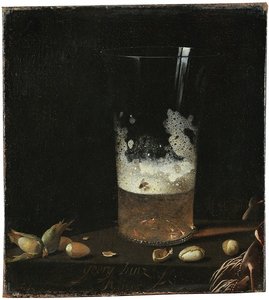
georg hainz
1630 - 1700 , Germany
プロフィール概要
- Artistic Movement Or Style: Dutch Still Life Tradition
- Artists Or Movements Influenced By This Artist: ['Floris Jansz. van Sauvegarde']
- Artists Who Influenced This Artist: ['Willem Kalf']
- Date Of Birth: ca. 1630
- Date Of Death: 1688
- Full Name: Georg Johann Hainz
- Nationality: German
- Notable Artworks: ['Still Life with carved Ivory Ewer']
- Place Of Birth: Altona, Germany