

 プレビュー
プレビュー
 プリントを購入
 シェアする
シェアする シェアする
シェアする
 詳細を見る
詳細を見る

 ダウンロード
 似ている作品
 X線調査
X線調査 スライドショー
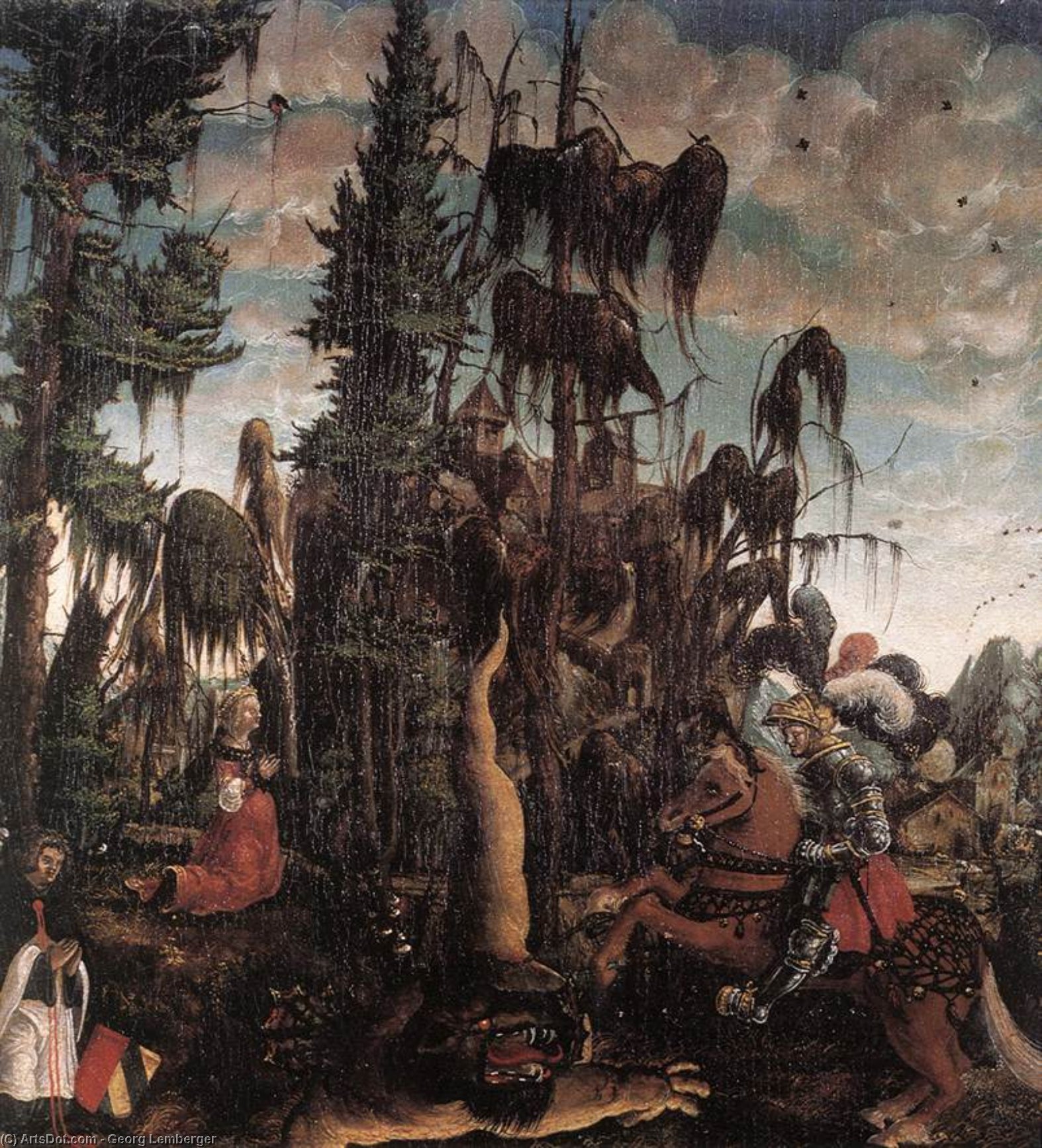
St George Freeing the Princess
 Oil On Canvas
- WallArt
- Northern Renaissance
 1520
1520- Renaissance
 19.0 x 18.0 cm
 ウフィツィ美術館
 詳細を見る
詳細を見る




P118B $10

P118H $10

P118W $10

P438Z $10

P508JH $12

P508YH $12

P805H $10

P805Z $10

P919BZ $10

P919G $10

P919XJ $10

P959ZH $10

P968JZ $12

W106C $8

W218G $10

W218JH $8

W218Y $10

W307PJ $10

W316G $10

W316PJ $8

W316Y $10

W398PJ $8

W4111J $10

W500HY $15

W500JH $15

W692G $12

W849H $8

W940BG $15

W953PJ $8




作品のオリジナル比率に合わせた、当店の規定サイズからお選びください。

特定のフレームやスペースに合わせて、ご希望のサイズをご入力いただけます。選択されたサイズが元の画像の比率と異なる場合、アートワークをトリミングするか、手描きで要素を追加して絵画を拡張いたします。デジタルモックアップ を制作し、制作開始前にご確認(承認)をいただきます。
画面上のプレビューは、実際のトリミングや拡張を正確に反映しているものではありません。最終的な構図は、モックアップによってのみ正確にご確認いただけます。
カスタムサイズもご利用いただけますが、元の比率を維持するためには、あらかじめ用意されたリストからサイズを選択することをお勧めいたします。
ご注文後、ArtsDot.com チームより詳細な指示をお送りするとともに、仕上がりイメージ(モックアップ)をご提供いたします。


 ガラスオプションは、110cm未満のサイズでのみご利用いただけます。

St George Freeing the Princess
複製技法
複製画のサイズ
-


合計金額
$ 288
A Descent into Heroism: Examining St George Freeing the Princess
To stand before this depiction of St George Freeing the Princess is to be immediately enveloped by the drama of history rendered in oil paint. It is not merely a scene of combat; it is a profound meditation on virtue confronting savagery. The air itself seems thick with the scent of damp earth, clashing steel, and desperate struggle. Georg Lemberger, working in 1520, captures this moment with an almost breathless intensity. One cannot help but feel the weight of the narrative—the clash between divine order and encroaching chaos—as the viewer’s eye is drawn deep into the heart of the depicted conflict.
The Mastery of Northern Renaissance Detail
Technically, Lemberger showcases a meticulous dedication characteristic of the Northern Renaissance. The painting pulses with rich texture; observe how the impasto technique gives tangible weight to every piece of armor, every fold of drapery, and every leaf on the overhanging foliage. The artist has achieved a remarkable sense of physicality, making the viewer almost feel the cold dampness of the forest floor beneath the fallen soldiers. Compositionally, while the scene is chaotic, there is an underlying structure. The vertical thrust of the towering trees anchors the composition, contrasting sharply with the dynamic diagonals formed by the charging figures and the sweeping arcs of weaponry. This careful balance between geometric rigidity and organic movement speaks to a highly skilled hand.
Symbolism Woven into Shadow and Light
The symbolism here is potent and deeply resonant. The dark, brooding forest setting often serves in art as a metaphor for the unknown or the spiritual wilderness. St George himself emerges not just as a warrior, but as a beacon of illuminated heroism. The dramatic use of light—the strong chiaroscuro that carves out the central figures from the surrounding gloom—is key to understanding this symbolism. Light represents divine intervention and moral clarity, piercing through the oppressive shadows cast by sin or brute force. The fallen forms in the foreground serve as poignant reminders of sacrifice, grounding the lofty themes of heroism in tangible loss.
An Emotional Resonance for Modern Spaces
For the collector or designer seeking a piece that transcends mere decoration, this work offers profound emotional depth. Its somber palette—dominated by deep browns, forest greens, and slate grays, punctuated only by vital accents of red—lends an air of venerable gravitas to any room. Reproducing such a powerful narrative allows one to infuse a space with intellectual weight and dramatic storytelling. It is art that demands contemplation, inviting quiet reflection on themes of courage, redemption, and the enduring struggle for what is right.
関連作品

アーティストの略歴
A Life Etched in Wood and Paint: The World of Georg Lemberger
Georg Lemberger, a name perhaps less familiar than some of his contemporaries, nevertheless occupies a fascinating niche within the vibrant artistic landscape of 16th-century Germany. Born around 1490 in Landshut, amidst the flourishing Late Gothic period, Lemberger’s life was one of constant movement and adaptation, reflected vividly in the evolution of his artistic style. His early years were steeped in the traditions of the region, likely receiving initial instruction from the renowned sculptor Hans Leinberger – a familial connection remains shrouded in some mystery, though the influence is undeniable. This foundation was further solidified through an apprenticeship to Hans Wertinger, the esteemed court painter for Duke Louis X of Bavaria, exposing Lemberger to the refined tastes and artistic demands of the Bavarian court. It’s clear that these formative experiences instilled within him a mastery of both painting and woodcut techniques, skills he would hone throughout his career.From Regensburg to Leipzig: A Journey of Artistic Exploration
Lemberger's journey wasn't confined to Bavaria; it was one of intellectual and artistic exploration across the Holy Roman Empire. Around 1520, he ventured to Regensburg, a bustling center of trade and culture, where he studied under Albrecht Altdorfer, a pivotal figure in the Danube School known for his expressive landscapes and innovative use of line. This period marked a significant turning point in Lemberger’s artistic development, as evidenced by his panel painting "The Conversion of Saint Paul," which showcases a growing independence from earlier influences and hints at the dramatic intensity that would characterize his later works. His involvement in creating woodcuts for Emperor Maximilian I's ambitious “Triumphal Procession” further demonstrates his versatility and ability to contribute to large-scale artistic projects, solidifying his reputation as a skilled craftsman capable of adapting to diverse demands. The sheer scale of this project—a monumental celebration of imperial power—provided invaluable experience in collaborating with other artists and mastering the intricacies of printmaking for propaganda and display.Leipzig and Religious Turmoil: A Reflection in Art
The year 1522 saw Lemberger settle in Leipzig, a city increasingly caught up in the fervor of the Protestant Reformation. It was here that he created his poignant "Epitaph for Valentin Schmidburg," a testament to both his artistic skill and the somber realities of life during this turbulent era. The work, now housed in the Museum der bildenden Künste, is remarkable for its detailed portraiture and evocative depiction of grief, reflecting the profound impact of loss within the community. His subsequent citizenship in Leipzig underscores his integration into the city’s burgeoning intellectual and artistic circles. However, Lemberger's life was not without personal struggles; records indicate a period of legal trouble stemming from accusations against his wife, highlighting the complexities of domestic life during this time. The religious climate also played a significant role in his fate – banished by George, Duke of Saxony for his Lutheran beliefs, he sought refuge in Magdeburg.The "Low German Bible" and Legacy: A Master of Woodcut
Magdeburg proved to be a particularly fruitful period for Lemberger’s career. Commissioned by Johannes Bugenhagen, a leading reformer, he produced an astonishing 125 woodcuts for the “Low German Bible,” a crucial undertaking aimed at making scripture accessible to a wider audience. This monumental project showcases his mastery of woodcut techniques, producing images that are both visually striking and deeply resonant with the text they accompany. Beyond this significant commission, Lemberger continued to contribute to various publications, including woodcuts for Luther’s Bible, the “Emser Testament,” and even the Gustav Vasa Bible, demonstrating a remarkable adaptability and enduring demand for his skills. While surviving paintings remain relatively scarce – notable examples include depictions of the Turkish siege of Vienna in Merseburg Cathedral and "Fall and Redemption" housed in the Germanisches Nationalmuseum – Lemberger’s legacy is firmly secured through his prolific woodcut production. Though a “Crucifixion” at the Church of Lössen was tragically lost during the communist regime, his contributions to 16th-century art remain a testament to his talent and resilience amidst a period of profound religious and political upheaval. He died no later than 1545, leaving behind a body of work that continues to captivate and inform our understanding of Reformation-era Germany.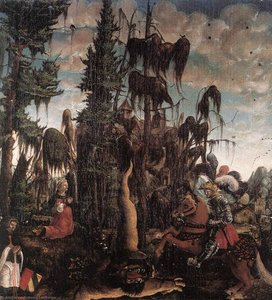
georg lemberger
1490 - 1540 , Germany
基本情報
- Artistic Movement Or Style: Northern Renaissance
- Artists Who Influenced This Artist:
- Hans Leinberger
- Hans Wertinger
- Albrecht Altdorfer
- Date Of Birth: c. 1490
- Date Of Death: c. 1540-1545
- Full Name: Georg Lemberger
- Nationality: German
- Notable Artworks:
- St George Freeing the Princess
- The Fall of Man and The Redemption
- Turkish Siege of Vienna (Merseburg)
- Place Of Birth: Landshut, Germany
関連記事

ジョルジュ・ブラック傑作25選:革新的なキュビスムの世界と装飾への誘い
ジョルジュ・ブラックの傑作25選。キュビスムを代表する画家、その革新的な色彩と技法に迫ります。名画から知られざる逸品まで、美術史に残る作品群をArtsDot.comで鑑賞。お部屋を彩るアートプリントも多数ご用意。今すぐオンラインでコレクションをご覧ください。

ジョルジュ・スーラ傑作25選:光と色彩の科学が織りなす芸術の世界|ArtsDot
ジョルジュ・スーラの傑作25選。点描画の光と色彩、印象派から新印象派へ—ArtsDotで美術史を紐解き、リビングやダイニングを彩る高品質なアートプリントを見つけましょう。セーラ作品集をオンラインで鑑賞ください。
High Medieval Art: 10 Masterpieces That Shaped an Era | ArtsDot
Journey through High Medieval Art! Explore 10 iconic masterpieces – from Giotto's frescoes to stunning Gothic cathedrals. Discover the stories behind these timeless paintings, sculptures & illuminated manuscripts. Find museum-quality art reproductions at ArtsDot.com.
Late Medieval Masterpieces: 10 Artworks That Defined an Era | ArtsDot
Journey through 10 defining Late Medieval masterpieces – from Giotto's frescoes to Jan van Eyck’s realism. Explore the stories, techniques & vibrant colors of Gothic art. Find museum-quality reproductions and elevate your home decor with ArtsDot.com! Discover all masterpieces on ArtsDot.com

エル・グレコの傑作25選:魂を揺さぶる宗教画と芸術の深淵 | ArtsDot
エル・グレコの傑作25選:魂を揺さぶる宗教画の世界へ。スペイン絵画の巨匠、マニエリスム様式と Toledo の光彩を紐解きます。ArtsDot.com で名画のアートプリントや複製画をお楽しみください。コレクションはこちら →