

 プレビュー
プレビュー
 プリントを購入
 シェアする
シェアする シェアする
シェアする
 詳細を見る
詳細を見る

 ダウンロード
 似ている作品
 X線調査
X線調査 スライドショー
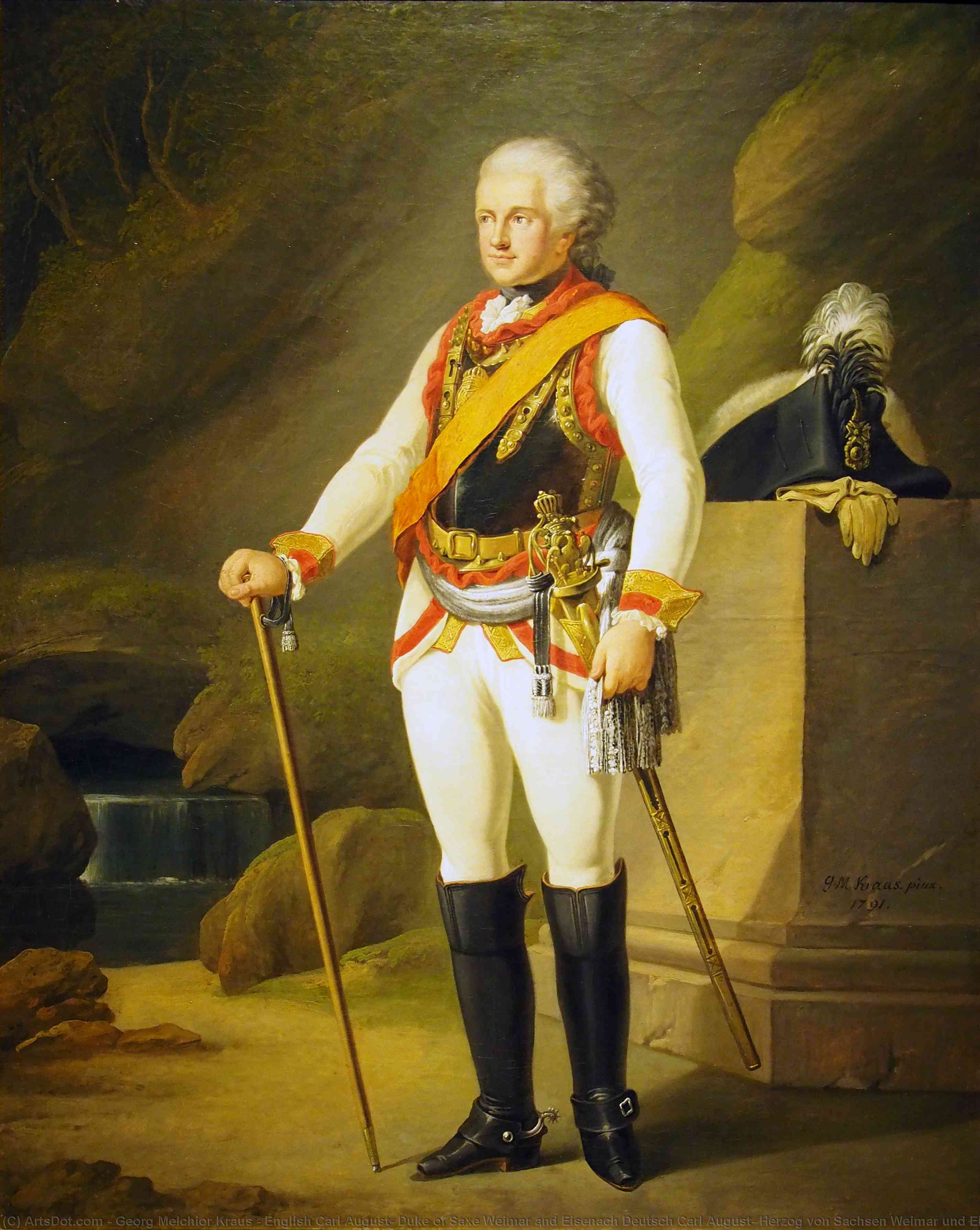
English Carl August, Duke of Saxe Weimar and Eisenach Deutsch Carl August, Herzog von Sachsen Weimar und Eisenach, in der Uniform der Ascherslebener Kürassiere

 詳細を見る
詳細を見る
オンラインプレビューをはるかに凌ぐ、高解像度で鮮明なデジタル画像をご購入いただけます。
各ファイルは、社内の専門家が高度なツールと熟練した手作業によるレタッチを用いて、細心の注意を払って準備されています。すべての画像において、卓越した鮮明度、正確な色彩再現性、そして繊細なディテールを保証いたします。
最終ファイルは、プロフェッショナルな編集・印刷環境ですぐにご利用いただけるよう最適化された状態で、72時間以内にメールにてお届けいたします。これは、一流のデザインスタジオ、出版社、ギャラリーから信頼されているものと同等の品質です。
デジタル画像のご注文に付随する特典
高品質なデジタル画像配信を、確かな品質で。
ArtsDot.com を選ぶことは、単に画像を手に入れることではありません。それは、プロの手によって精密に仕上げられ、満足保証が付いた高品質なデジタルアートワークを受け取ることを意味します。ご注文いただいた際に自動的に付随する内容は、以下の通りです:

メールですぐにお届け
ご注文から72時間以内に、高解像度のデジタル画像ファイルがメールでお手元に届きます。すぐにそのままご利用いただけます。

AI技術で最適化されたデジタルファイル
お客様の作品は、高度なAIツールと専門家による手作業の編集を組み合わせてプロフェッショナルに最適化されており、細部のディテール、鮮明さ、そして正確な色再現性を最大限に引き出しています。

一生涯無料の再送サービス
ファイルを誤って削除したり、紛失してしまったりしましたか?ご安心ください。いつでも無料で再送いたします。

輸入手数料は一切かかりません
関税や手数料、配送料を気にすることなく、お気に入りのアートワークをすぐにお楽しみいただけます。デジタルダウンロードは常に免税です。

色彩再現の保証
プロ仕様のツールとカラーマネジメント技術を用いることで、デジタル画像が元の色を最大限に忠実に再現することを保証いたします。

60日間満足保証
ご購入いただいたデジタル画像にご満足いただけない場合は、60日以内であれば、修正または100%の返金(理由を問う必要はありません)をさせていただきます。

100% 返金保証
ご満足いただけない場合は、デジタルファイルを受け取ってから60日以内であれば、理由を問わず全額返金いたします。

まとめ買い割引
3枚購入で10%OFF - 5枚購入で15%OFF - 10枚以上購入で20%OFF。クリエイティブなプロジェクト、ギャラリー、エージェンシーに最適です。
関連作品








作家の略歴
Georg Melchior Kraus (1737–1806): A Weimar Pioneer
Georg Melchior Kraus (1737–1806) stands as a pivotal figure in German art history, particularly recognized for his contribution to the Weimar School and his enduring friendship with Johann Wolfgang Goethe. Born in Frankfurt am Main, he emerged from humble beginnings—the sixth child of Cornelia Krauser née Paulsen and Johann Georg Krauser—who operated the “Zur Weissen Schlangen” hotel in Frankfurt’s Sandgasse. Despite facing significant hardship early in life due to the premature deaths of five siblings, Kraus possessed an unwavering determination that propelled him toward artistic excellence and intellectual engagement. His formative years were spent studying under Johann Heinrich Tischbein the Elder at the court of Frederick II of Saxe Weimar and Eisenach, absorbing the stylistic precepts of Baroque painting and honing his observational skills. This exposure proved invaluable as he embarked on a Parisian sojourn in 1762–63, immersing himself in the vibrant artistic milieu of Enlightenment France and collaborating with luminaries like Jean-Baptiste Greuze. It was during this period that Kraus cultivated an influential connection with Goethe, forging a bond that would shape both their artistic careers and intellectual dialogues for decades to come. Kraus’s artistic output spanned diverse mediums—paintings, etchings, and architectural designs—reflecting his versatility as an artist and his keen understanding of contemporary tastes. Notably, he established the Fürstliche Freie Zeichenschule Weimar (Royal Free Drawing School) in 1776 alongside Friedrich Justin Bertuch, fostering a new generation of artists committed to Neoclassical ideals. This institution became a cornerstone of Weimar’s cultural landscape and cemented Kraus's legacy as a champion of artistic innovation and educational reform. Among his most celebrated works are depictions of biblical scenes—particularly “The Annunciation”—characterized by meticulous detail and expressive dynamism, demonstrating Kraus’s mastery of chiaroscuro and compositional balance. However, it is perhaps his engravings that garnered him enduring recognition. His prints captured the spirit of Weimar society with remarkable accuracy, portraying portraits of prominent figures like Goethe and Friedrich Schiller alongside scenes from daily life—a testament to his ability to convey emotion and narrative through visual language. A particularly striking example is “Journal des Luxus und der Moden,” plate 23 (1793), showcasing Kraus’s skill in capturing the elegance and sophistication of the era. The artwork portrays a woman adorned in opulent attire, meticulously rendered with delicate etching techniques—a masterful demonstration of Kraus's technical prowess. Furthermore, his involvement in architectural projects, notably the Pulverturm and Johannistor in Jena (completed in 1792), underscores his broader engagement with shaping the visual environment of Weimar’s intellectual capital. Kraus’s artistic legacy extends beyond individual masterpieces; he profoundly influenced the development of Weimar’s artistic culture and established a tradition of scholarly painting that endured for generations. His unwavering dedication to artistic excellence, coupled with his friendship with Goethe—a relationship marked by mutual admiration and collaborative creativity—solidifies Kraus's place as one of Germany’s most important artists of the eighteenth century.
georg melchior kraus
1737 - 1806
プロフィール概要
- Artistic Movement Or Style: Neoclassicism
- Artists Or Movements Influenced By This Artist: ['Goethe']
- Artists Who Influenced This Artist: ['Johann Heinrich Tischbein']
- Date Of Birth: 1737
- Full Name: Georg Melchior Kraus
- Nationality: German
- Notable Artworks:
- A Family at Table
- Journal des Luxus und der Moden, plate 23
- Place Of Birth: Frankfurt am Main, Germany

