

 プレビュー
プレビュー
 シェアする
シェアする シェアする
シェアする
 詳細を見る
詳細を見る

 ダウンロード
 似ている作品
 X線調査
X線調査 スライドショー
 統計情報
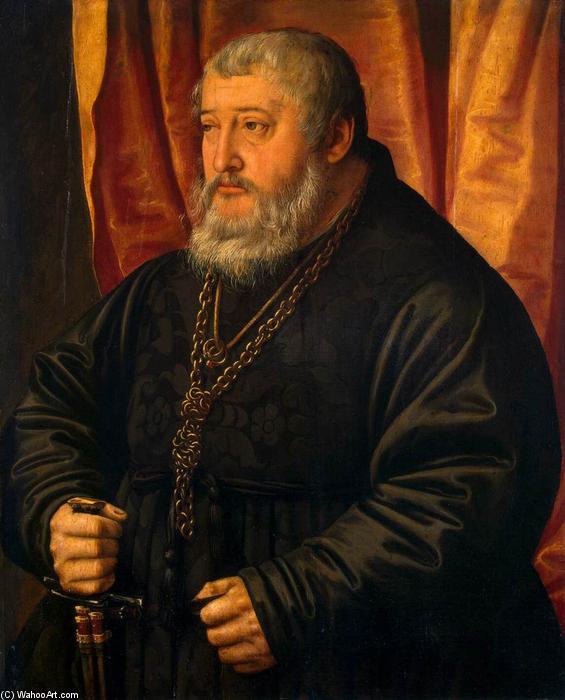
統計情報Portrait of Count Palatine Ottheinrich
 Painting
- WallArt
- Renaissance
 1550
1550- Renaissance
 94.0 x 73.0 cm
 エルミタージュ美術館
 詳細を見る
詳細を見る
ジークレー/アートプリント
迅速な制作と多彩な仕上げオプションを備えた、ミュージアムクオリティのジークレーまたはキャンバスプリント。 ( 手描きの絵画を購入 デジタル画像販売へ切り替え)




P118B $10

P118H $10

P118W $10

P438Z $10

P508JH $12

P508YH $12

P805H $10

P805Z $10

P919BZ $10

P919G $10

P919XJ $10

P959ZH $10

P968JZ $12

W106C $8

W218G $10

W218JH $8

W218Y $10

W307PJ $10

W316G $10

W316PJ $8

W316Y $10

W398PJ $8

W4111J $10

W500HY $15

W500JH $15

W692G $12

W849H $8

W940BG $15

W953PJ $8




作品のオリジナル比率に合わせた、当店の規定サイズからお選びください。

特定のフレームやスペースに合わせて、ご自身でサイズを指定することも可能です。選択されたサイズが元の画像の比率と一致しない場合、作品をトリミングするか、鏡面反射または単色での塗りつぶしによって画像を拡張いたします。制作を開始する前に、ご確認用のデジタルモックアップをお送りいたします。
画面上のプレビューには、実際のトリミングや拡張は反映されませんのでご注意ください。最終的な構図を正確に確認できるのは、モックアップのみとなります。
カスタムサイズも承っておりますが、元の比率を維持するためには、あらかじめ用意されたリストからサイズを選択することをお勧めいたします。


 ガラスオプションは、110cm未満のサイズでのみご利用いただけます。

Portrait of Count Palatine Ottheinrich
ジークレー/アートプリント
複製画のサイズ
-


合計金額
$ 62
A Gaze from the Renaissance: The Majesty of Ottheinrich
In the quiet intensity of Georg Pencz’s Portrait of Count Palatine Ottheinrich, we are transported back to the vibrant, turbulent heart of the German Renaissance. This is not merely a likeness of a man; it is a profound encounter with power, piety, and the sophisticated artistry of the sixteenth century. The subject, Otto Henry—a figure of immense political significance who would later become the Elector Palatine—is captured in a moment of dignified stillness. Clad in a heavy black robe that speaks to both his noble station and the somber religious undertones of his era, he commands the viewer's attention through a gaze that is as piercing as it is composed. The subtle interplay of light across his features reveals a masterfully rendered face, where every line of his beard and the soft shadow beneath his brow suggests a life shaped by both the weight of leadership and the intellectual currents of humanism.
The composition is anchored by a striking use of color and texture that serves to elevate the sitter from a mere historical figure to an icon of authority. A deep, dramatic red background provides a warm, pulsating backdrop, reminiscent of the velvet drapery found in the grand halls of European palaces. This crimson field does more than provide contrast; it creates a sense of theatricality, pushing the figure forward and enveloping him in an atmosphere of regal importance. The inclusion of a fine chain around his neck acts as a focal point of status, its metallic glint catching the light to remind us of the tangible wealth and the inherited titles that defined his existence.
The Mastery of the Little Master
To understand the technical brilliance of this portrait, one must look to the lineage of Georg Pencz. A member of the esteemed "Little Masters," Pencz brought a meticulous, almost microscopic precision to his work, a skill honed in the legendary atelier of Albrecht Dürer and refined through his deep engagement with Venetian colorism. In this painting, we see the perfect marriage of Northern European detail and Italianate grace. The way the light falls upon the fabric of his robe demonstrates an unparalleled understanding of trompe-l'œil effects—the illusion of depth and tactile reality that Pencz was famous for achieving.
Every brushstroke serves a purpose in building the physical presence of the Count. There is a rhythmic quality to the rendering of his facial hair and the soft, diffused light that softens the edges of his silhouette against the red backdrop. For the discerning collector or interior designer, this piece offers more than just historical interest; it provides a sophisticated textural element that can anchor a room. The painting’s ability to balance heavy, dark tones with vibrant, warm hues makes it an incredibly versatile choice for high-end decor, capable of adding a sense of "old world" gravitas to a contemporary study or a classic library.
An Enduring Legacy for the Modern Collector
Beyond its aesthetic merits, the Portrait of Count Palatine Ottheinrich carries an emotional resonance that transcends the centuries. It evokes a time of profound transformation—a period when the boundaries of art, religion, and politics were being redrawn across Europe. Owning a high-quality reproduction of this work allows one to invite this sense of historical drama into a modern space. It is a piece that invites contemplation, prompting the viewer to reflect on the fleeting nature of power and the enduring strength of human character.
For those seeking to curate a collection that speaks of intellect, heritage, and refined taste, Pencz’s portrait stands as an essential cornerstone. Whether placed in a setting of minimalist modernism to provide a striking historical contrast, or within a traditional setting to enhance its classical elegance, this artwork remains a breathtaking testament to the enduring power of the Renaissance spirit.
関連作品

アーティストの略歴
A Life Etched in Renaissance Germany: The World of Georg Pencz
Georg Pencz, born around 1500 in the Franconian town of Bad Windheim, stands as a compelling figure within the German Renaissance—a master engraver, painter, and printmaker whose career unfolded against a backdrop of religious upheaval and artistic innovation. While precise details of his early life remain elusive, we know he embarked on a journey to Nuremberg around 1523, a city then pulsating with creative energy under the influence of Albrecht Dürer. Joining Dürer’s workshop proved pivotal; it was here that Pencz honed his skills and absorbed the technical brilliance that would define his own artistic path. However, Pencz wasn't merely an imitator. He possessed a unique sensibility, one deeply attuned to the changing currents of thought and expression sweeping across Europe. His travels extended beyond Nuremberg, notably including visits to Italy where he encountered the vibrant art of Venice—an experience that profoundly shaped his aesthetic vision.The ‘Little Master’ and the Power of Printmaking
Pencz quickly established himself as a formidable talent in the burgeoning field of printmaking. In 1525, a dramatic turn of events saw him imprisoned alongside Barthel Beham and Hans Sebald Beham for their association with the radical religious reformer Thomas Müntzer. This shared experience forged a bond between the three artists, leading to their collective designation as the “Little Masters.” Despite their relatively small scale—their prints were often diminutive in size—these works exerted an enormous influence on subsequent generations of printmakers. Pencz’s engravings are characterized by their intricate detail, refined draftsmanship, and a keen observation of human character. He moved beyond traditional religious iconography, exploring secular themes and humanist subjects with a fresh perspective. His series *Six Triumphs of Petrarch* exemplifies this shift, showcasing scenes inspired by the Italian poet's sonnets—a testament to his engagement with classical literature and Renaissance ideals. The *Life of Christ*, comprising 26 plates, demonstrates his ability to narrate complex biblical stories with clarity and emotional depth.Beyond the Engraving: Painting and Trompe-l’œil Illusion
While celebrated primarily as an engraver, Pencz was also a skilled painter. He became particularly renowned for his *trompe-l'œil* ceiling paintings in Nuremberg—optical illusions designed to deceive the eye into perceiving three-dimensional space where none existed. One surviving drawing depicts a scene of workmen raising building materials on a hoist against an open sky, creating the impression that the room was still under construction. These works reveal Pencz’s mastery of perspective and his playful engagement with illusionism—a technique favored by Renaissance artists seeking to blur the boundaries between art and reality. His portraits, executed with meticulous detail and psychological insight, further demonstrate his versatility as a painter. Works like *Portrait of a Young Man*, *Portrait of Marshal Schirmer*, and *Portrait of Erhard Schwetzer and his wife* capture the individuality and social standing of their sitters with remarkable sensitivity.A Courtly Appointment and Lasting Legacy
In 1539, Pencz briefly returned to Italy, visiting Rome for the first time before returning to Nuremberg in 1540. This period marked a turning point in his career; he was appointed city painter and achieved significant success as a portraitist. His reputation continued to grow, culminating in his appointment as court painter by Albert, Duke of Prussia, in 1550. Sadly, Pencz died in Leipzig the same year, before he could take up his new position. Despite his relatively short life, Georg Pencz left an indelible mark on German art. He bridged the gap between the late Gothic tradition and the emerging styles of the High Renaissance, blending technical precision with humanist ideals and a keen understanding of human psychology. His prints continue to captivate viewers with their intricate detail and expressive power, while his paintings offer a glimpse into the lives and sensibilities of 16th-century Germany.Historical Significance and Rediscovery
The story of Georg Pencz is not without its shadows. In March 1939, during the Nazi regime, his painting *Young Couple in a Landscape* was seized from the Jewish collector Arthur Feldmann, who tragically perished in the Holocaust. The artwork resurfaced at Sotheby’s in 1946 and eventually found its way into the collection of Rosi Schilling, who generously donated it to the British Museum. In 2013, after years of research and advocacy, the museum settled a claim for Nazi spoliation from Feldmann's grandson, returning the painting to his rightful heirs—a poignant reminder of the enduring importance of restitution and the preservation of cultural heritage. Today, Georg Pencz is recognized as one of the most important German artists of the Renaissance, his works held in major museums and collections worldwide. His legacy continues to inspire artists and scholars alike, ensuring that his name will be etched forever in the annals of art history.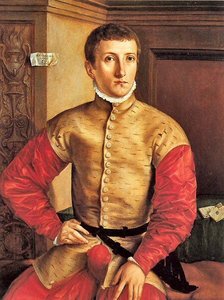
Georg Pencz
1500 - 1550 , Germany
基本情報
- Artistic Movement Or Style: High Renaissance
- Artists Or Movements Influenced By This Artist: ['Da Vinci family']
- Artists Who Influenced This Artist: ['Andrea del Verrocchio']
- Date Of Birth: April 15, 1452
- Date Of Death: May 2, 1519
- Full Name: Leonardo di ser Piero da Vinci
- Nationality: Italian
- Notable Artworks:
- Mona Lisa
- The Last Supper
- Vitruvian Man
- Place Of Birth: Vinci, Italy
関連記事

バロックのドラマ:現代のインテリアに壮麗さと情感を取り込む
バロック様式の歴史、絵画、家具の魅力をご紹介。ArtsDotでは、高品質な油絵複製やカスタムポートレートをご提供し、現代のインテリアに壮麗さと情感を取り入れます。アートコンサルテーションも承ります。

ジョルジュ・スーラ傑作25選:光と色彩の科学が織りなす芸術の世界|ArtsDot
ジョルジュ・スーラの傑作25選。点描画の光と色彩、印象派から新印象派へ—ArtsDotで美術史を紐解き、リビングやダイニングを彩る高品質なアートプリントを見つけましょう。セーラ作品集をオンラインで鑑賞ください。

The Dramatic Flourish: Exploring the Baroque Movement's Enduring Legacy in Art History
Explore the dramatic world of Baroque art! Discover iconic artists like Caravaggio & Rubens, defining techniques, and its lasting impact on art history. Expert insights for collectors & enthusiasts at ArtsDot.

バロック美術を極めた至宝:時代を彩る10大名作の世界
バロック美術の華!カラヴァッジョ、ベルニーニら巨匠が創り上げた10大名作を徹底解剖。ドラマチックな色彩と豪華絢爛の世界観に触れ、至宝のアートプリントで空間を彩ろう。ArtsDot.comで美術館品質の複製と洗練されたインテリアを見つけましょう!

ジョルジュ・ブラック傑作25選:革新的なキュビスムの世界と装飾への誘い
ジョルジュ・ブラックの傑作25選。キュビスムを代表する画家、その革新的な色彩と技法に迫ります。名画から知られざる逸品まで、美術史に残る作品群をArtsDot.comで鑑賞。お部屋を彩るアートプリントも多数ご用意。今すぐオンラインでコレクションをご覧ください。