

 プレビュー
プレビュー
 シェアする
シェアする シェアする
シェアする
 詳細を見る
詳細を見る

 ダウンロード
 似ている作品
 X線調査
X線調査 スライドショー
 統計情報
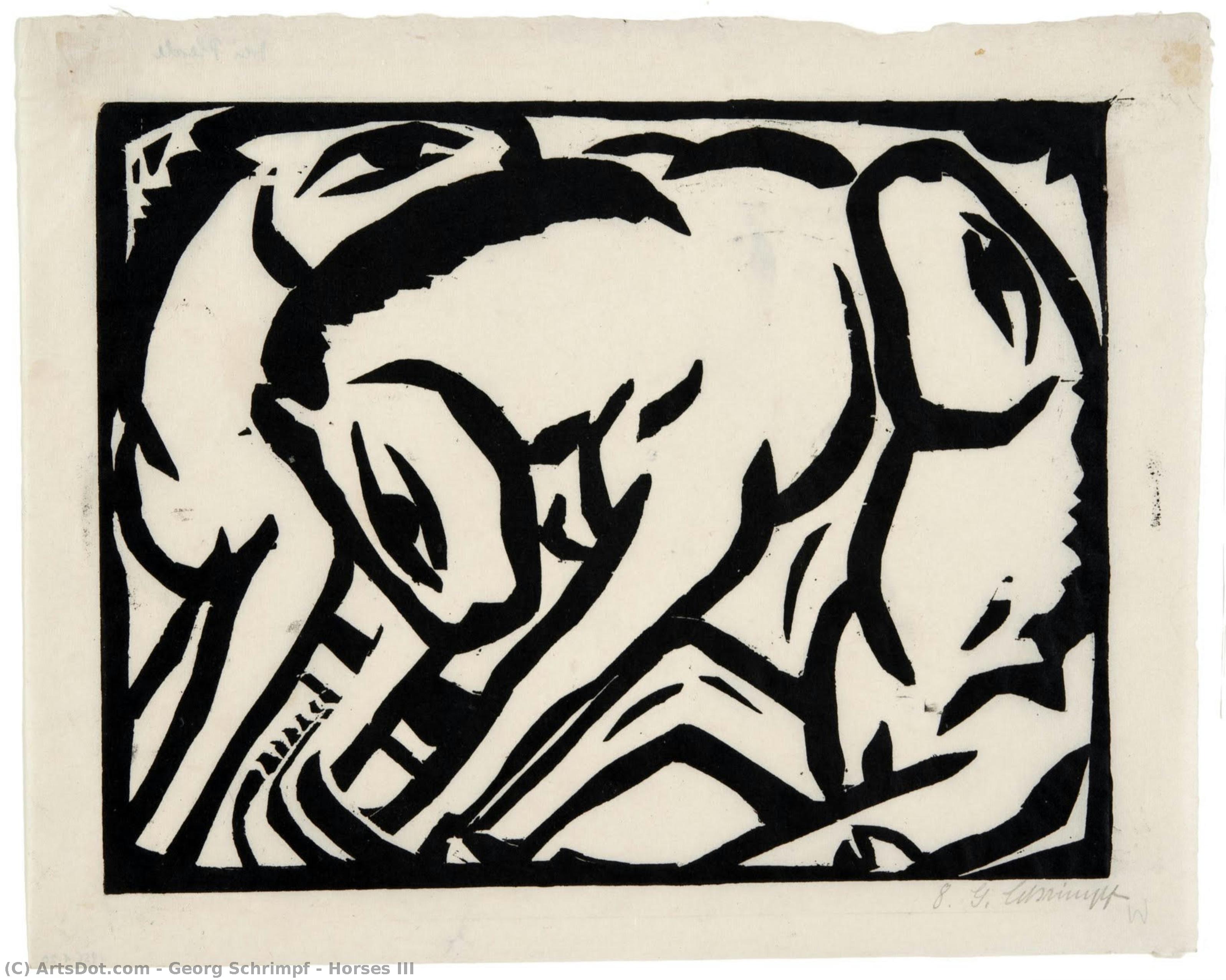
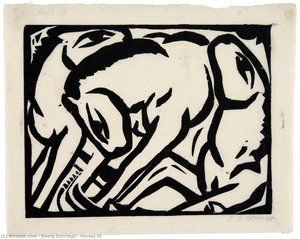
統計情報Horses III
 21.0 x 27.0 cm
 Hammer Museum
 詳細を見る
詳細を見る
手描き油彩複製画
当社のアーティストが、お客様のご希望のサイズと額縁に合わせて、キャンバスに手描きで制作する油彩画です。 ( プリント版に切り替え デジタル画像販売へ切り替え)




































作品のオリジナル比率に合わせた、当店の規定サイズからお選びください。

特定のフレームやスペースに合わせて、ご希望のサイズをご入力いただけます。選択されたサイズが元の画像の比率と異なる場合、アートワークをトリミングするか、手描きで要素を追加して絵画を拡張いたします。デジタルモックアップ を制作し、制作開始前にご確認(承認)をいただきます。
画面上のプレビューは、実際のトリミングや拡張を正確に反映しているものではありません。最終的な構図は、モックアップによってのみ正確にご確認いただけます。
カスタムサイズもご利用いただけますが、元の比率を維持するためには、あらかじめ用意されたリストからサイズを選択することをお勧めいたします。
ご注文後、ArtsDot.com チームより詳細な指示をお送りするとともに、仕上がりイメージ(モックアップ)をご提供いたします。


 ガラスオプションは、110cm未満のサイズでのみご利用いただけます。

Horses III
複製技法
複製画のサイズ
-


合計金額
$ 263
関連作品




アーティストの略歴
The Stark Realism of Georg Schrimpf
Georg Schrimpf stands as a profound pillar of the Neue Sachlichkeit, or New Objectivity, a movement that redefined the visual landscape of the Weimar Republic. His art emerged not merely as a stylistic choice, quite the opposite; it was a deliberate, cooling reaction against the turbulent emotionalism of Expressionism and the fragmented abstractions that had previously dominated German canvases. Alongside contemporaries like Otto Dix and George Grosz, Schrimpf sought to capture a world stripped of romantic illusion, presenting a reality that was often quiet, meticulously composed, and hauntingly still. His work serves as a window into an era of immense societal transition, where the echoes of war met the fragile stability of a new republic.
The foundations of Schrimpf’s unique perspective were laid long before he achieved artistic renown, rooted in a life of nomadic hardship and disciplined labor. Born in Munich in 1889, his early years were shadowed by personal loss and familial instability following the death of his father. This period of displacement led him on a transformative journey across Europe, beginning with an apprenticeship as a baker in Passau. Between 1905 and 1914, Schrimpf’s wanderings through Belgium, France, Switzerland, and Northern Italy exposed him to a tapestry of diverse cultures and working-class realities. By laboring as a waiter and a coal shuffler, he developed an acute, observational eye—a way of seeing the world that was grounded in the tangible and the everyday, which would later become the hallmark of his painterly technique.
A Mastery of Form and Technique
Schrimpf’s artistic development was characterized by a rigorous, almost monastic devotion to craft. Largely self-taught, he drew deep inspiration from the Old Masters, seeking to marry the precision of classical painting with the modern sensibilities of his time. This meticulous approach allowed him to create works that possessed a crystalline clarity and a sense of eternal stillness. His compositions often feature a balanced, structured arrangement of figures and landscapes, where every line and shadow feels intentional. There is a certain starkness in his portraits and figure studies; he does not shy away from the weight of existence, yet he avoids the grotesque, opting instead for a refined, polished realism that commands the viewer's quiet attention.
During the years of the First World War, Schrimpf’s life took a detour into pacifist resistance. By skillfully evading military service, he faced significant personal and physical consequences, yet this period in Berlin allowed him to focus entirely on his burgeoning practice. His work from this era reflects a growing mastery over light and form, as he experimented with sketching, painting, and sculpting to capture the essence of his subjects. This period of intense, solitary creation was essential in honing the technical precision that would eventually define the New Objectivity movement.
Legacy and the Shadow of History
The historical significance of Georg Schrimpf cannot be separated from the tragic trajectory of 20th-century Germany. While his art flourished during the creative explosion of the 1920s, the rise of National Socialism brought a devastating end to his professional freedom. The Nazi regime, viewing his unflinching and non-idealized depictions as a threat to their propaganda, officially categorized Schrimpf as a producer of Degenerate Art. This designation sought to erase his contributions from the German cultural consciousness, effectively silencing one of the most important voices of the Weimar era.
Despite this attempt at erasure, Schrimpf’s legacy endures through the enduring power of his imagery. His ability to capture the psychological tension of a society caught between tradition and modernity remains profoundly moving. To look upon a Schrimpf painting is to encounter a world that is both incredibly present and hauntingly distant—a testament to an artist who found beauty in the stark, the precise, and the unadorned. His life and work remain a vital study in how art can act as both a mirror to societal truth and a sanctuary of disciplined craftsmanship amidst the chaos of history.
Georg Schrimpf
1889 - 1938
基本情報
- Artistic Movement Or Style: Neue Sachlichkeit
- Artists Who Influenced This Artist:
- Otto Dix
- Christian Schad
- Date Of Birth: February 13, 1889
- Date Of Death: April 19, 1938
- Full Name: Georg Schrimpf
- Nationality: German
- Notable Artworks:
- Horses III
- Deutsch Franz von Assisi
- Deutsch Kinder im Hof
- Place Of Birth: Munich, Germany