

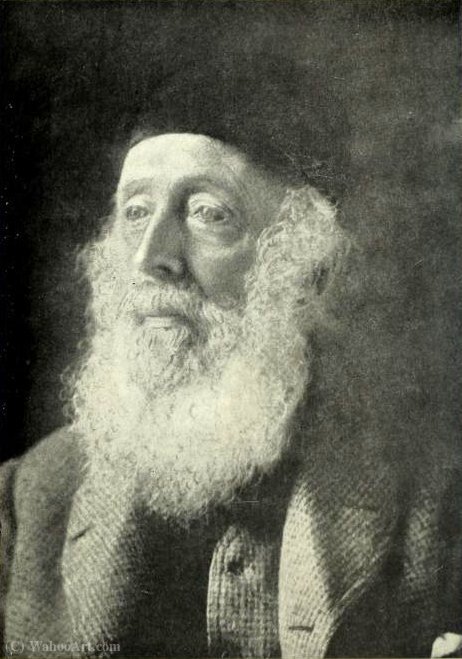
 プレビュー
プレビュー
 シェアする
シェアする シェアする
シェアする
 詳細を見る
詳細を見る

 ダウンロード
 似ている作品
 X線調査
X線調査 スライドショー
 統計情報
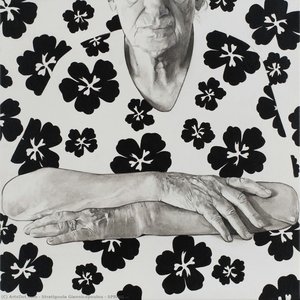
統計情報Untitled (878)

 詳細を見る
詳細を見る
ジークレー/アートプリント
迅速な制作と多彩な仕上げオプションを備えた、ミュージアムクオリティのジークレーまたはキャンバスプリント。 ( 手描きの絵画を購入 デジタル画像販売へ切り替え)




































作品のオリジナル比率に合わせた、当店の規定サイズからお選びください。

特定のフレームやスペースに合わせて、ご自身でサイズを指定することも可能です。選択されたサイズが元の画像の比率と一致しない場合、作品をトリミングするか、鏡面反射または単色での塗りつぶしによって画像を拡張いたします。制作を開始する前に、ご確認用のデジタルモックアップをお送りいたします。
画面上のプレビューには、実際のトリミングや拡張は反映されませんのでご注意ください。最終的な構図を正確に確認できるのは、モックアップのみとなります。
カスタムサイズも承っておりますが、元の比率を維持するためには、あらかじめ用意されたリストからサイズを選択することをお勧めいたします。


 ガラスオプションは、110cm未満のサイズでのみご利用いただけます。

Untitled (878)
ジークレー/アートプリント
複製画のサイズ
-


合計金額
$ 62
関連作品
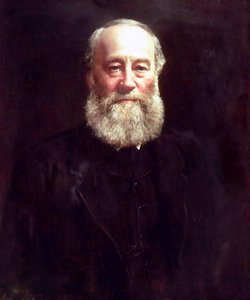
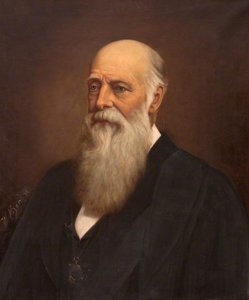
アーティストの略歴
George Arthur Fripp: A Visionary Watercolorist Bridging Romanticism and Precision
George Arthur Fripp (1813-1896) stands as a quietly influential figure in Victorian watercolor painting, celebrated primarily for his meticulously rendered landscapes that capture the sublime beauty of Britain’s countryside. Though overshadowed by more flamboyant contemporaries, Fripp's dedication to observation and masterful technique cemented his place within the artistic landscape of his era—a legacy enriched by familial connections to prominent artists like Nicholas Pocock and Alfred Downing Fripp.- Early Life & Education: Born in Bristol, Fripp’s formative years were marked by a privileged upbringing fostered by his father's success as an estate agent. He pursued formal education at Bristol, Birmingham and Leamington Spa, immersing himself in disciplines ranging from economics to music—a foundation that would profoundly shape his artistic sensibilities.
- Early Artistic Training & Exhibitions: Recognizing the importance of honing craft, Fripp benefited from instruction in oil painting from James Baker Pyne. His debut at the Bristol Society of Artists in 1832 signaled a commitment to artistic expression and established him as part of a burgeoning Bristol art scene. Notably, his collaboration with William James Müller on a European sketching tour yielded evocative watercolors that debuted at the Royal Academy in 1838—a pivotal moment showcasing his talent before a discerning public.
The Watercolorist’s Eye: Style and Technique
Fripp's artistic style is characterized by an unwavering commitment to realism tempered with Romantic sensibilities. He eschewed the dramatic flourishes favored by some of his peers, opting instead for a deliberate precision in capturing atmospheric conditions—misty mornings, dappled sunlight filtering through woodland canopies—and geological formations. His watercolors are renowned for their subtle tonal gradations and meticulous attention to detail, reflecting a deep understanding of topographical observation. Influenced by artists like Nicolas Pocock (his grandfather), Fripp absorbed the Romantic preoccupation with sublime landscapes, conveying not merely visual representation but also an emotional response to the grandeur of nature.- Notable Works: Among his most celebrated compositions are “Lancaster,” a serene depiction of a rural town bathed in soft light—a testament to Fripp’s ability to distill emotion into visual form; and “St George’s Chapel,” capturing the majesty of Windsor Castle with remarkable accuracy. These paintings exemplify his mastery of watercolor technique, demonstrating an exceptional command of color and texture.
- Societal Recognition & Patronage: Fripp's membership in the Old Watercolour Society—achieved in 1841—provided him with access to influential artistic circles and fostered connections with fellow artists. His role as secretary from 1848–1854 further solidified his position within the Victorian art community, ensuring that his work would be disseminated widely.
Family Legacy & Artistic Influence
Fripp’s artistic lineage extended beyond his immediate family. His nephew, Henry Charles Innes Fripp, followed in his footsteps as a watercolorist—a continuation of a creative tradition that spanned generations. Furthermore, two of Fripp's children pursued careers in art and music, demonstrating the enduring impact of his artistic convictions on subsequent generations. The legacy of George Arthur Fripp resides not only in his individual paintings but also in the broader context of Victorian landscape art—a field where he championed a disciplined approach to observation and imbued his work with an unwavering appreciation for the beauty of Britain’s natural world.- Concluding Remarks: Though often overlooked amidst the flamboyant pronouncements of Romantic painters, George Arthur Fripp deserves recognition as a quiet giant—a watercolorist who elevated realism to new heights while simultaneously embracing the emotive power of Romanticism. His meticulous technique and unwavering dedication to capturing the essence of British landscapes continue to inspire admiration and contribute to our understanding of Victorian artistic achievement.
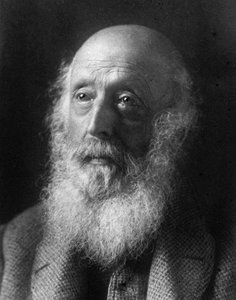
George Arthur Fripp
1813 - 1896 , United Kingdom
基本情報
- Artistic Movement Or Style: Romantic Landscape Watercolour
- Artists Or Movements Influenced By This Artist: ['Romanticism']
- Artists Who Influenced This Artist:
- Nicholas Pocock
- James Baker Pyne
- Date Of Birth: June 13, 1813
- Date Of Death: October 17, 1896
- Full Name: George Arthur Fripp
- Nationality: British
- Notable Artworks:
- Lancaster
- St George's Chapel
- Place Of Birth: Bristol, United Kingdom
関連記事

Dark Masterpieces: 10 Iconic Paintings Dominated by Black Tones |
Explore 10 iconic paintings dominated by black tones, from Rembrandt’s chiaroscuro to Goya's dark expressions. Discover the stories behind these masterpieces & find museum-quality art reproductions for your home at .

White on Canvas: 10 Masterpieces & Timeless Elegance for Your Home Decor
Explore 10 iconic white paintings by Monet, Whistler & Rothko! Discover the stories behind these serene masterpieces and their impact on art history. Find museum-quality reproductions for your home decor at .
ジョルジュ・スーラ傑作25選:光と色彩の科学が織りなす芸術の世界|ArtsDot
ジョルジュ・スーラの傑作25選。点描画の光と色彩、印象派から新印象派へ—ArtsDotで美術史を紐解き、リビングやダイニングを彩る高品質なアートプリントを見つけましょう。セーラ作品集をオンラインで鑑賞ください。
ジョルジュ・ブラック傑作25選:革新的なキュビスムの世界と装飾への誘い
ジョルジュ・ブラックの傑作25選。キュビスムを代表する画家、その革新的な色彩と技法に迫ります。名画から知られざる逸品まで、美術史に残る作品群をArtsDot.comで鑑賞。お部屋を彩るアートプリントも多数ご用意。今すぐオンラインでコレクションをご覧ください。

Monochrome Visions: Exploring the Aesthetic & Historical Significance of Black & White Photography
Explore the rich history & artistic power of black and white photography. From early techniques to iconic masters like Ansel Adams, discover why monochrome continues to captivate art lovers today. Expert insights for collectors.