 プレビュー
プレビュー
 プリントを購入
 シェアする
シェアする シェアする
シェアする
 詳細を見る
詳細を見る

 ダウンロード
 似ている作品
 X線調査
X線調査 スライドショー
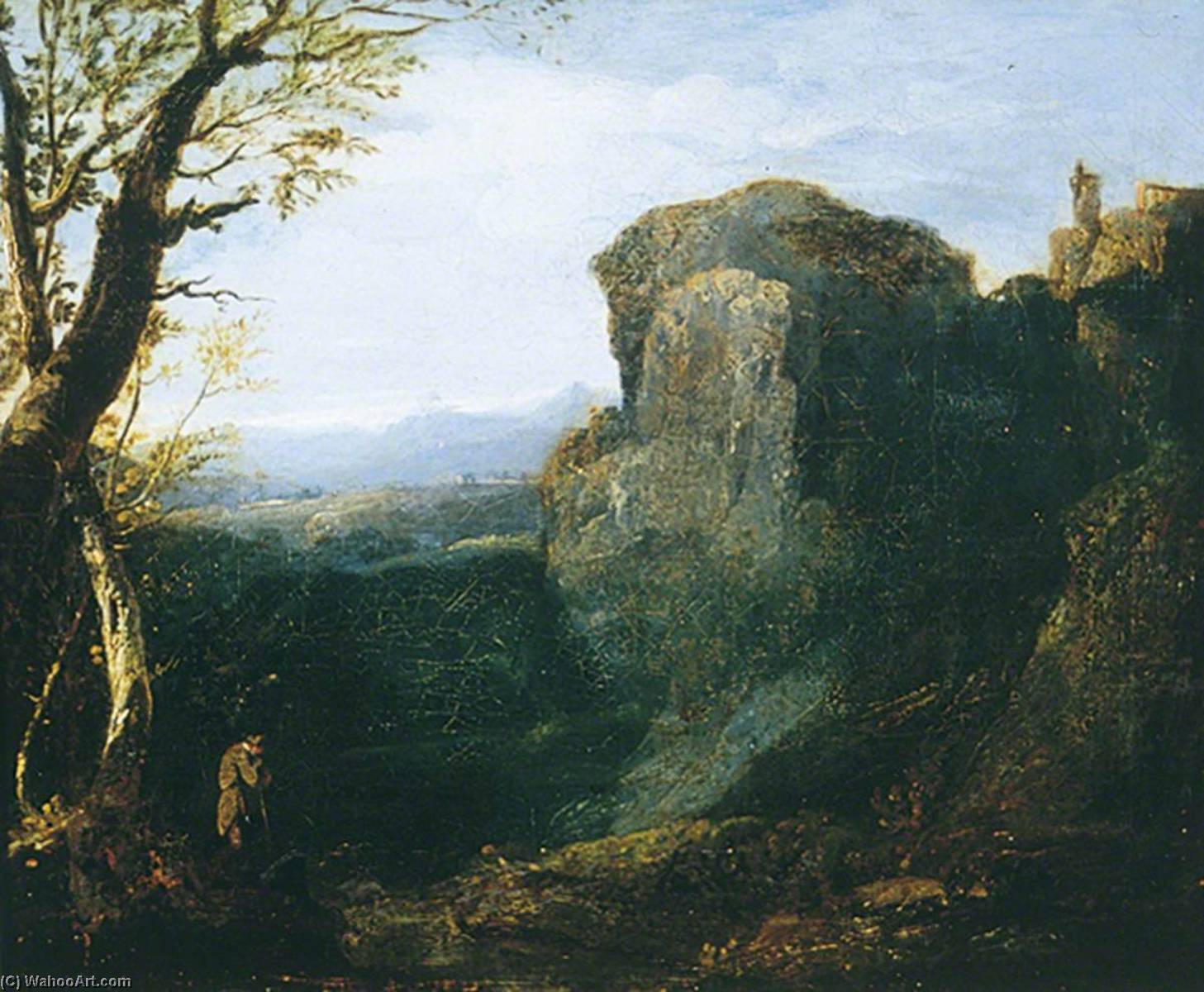
The Falls of Tivoli
 Oil On Canvas
- WallArt
- Romanticism
 65.0 x 76.0 cm
 Temple Newsam House
 詳細を見る
詳細を見る




P118B $10

P118H $10

P118W $10

P438Z $10

P508JH $12

P508YH $12

P805H $10

P805Z $10

P919BZ $10

P919G $10

P919XJ $10

P959ZH $10

P968JZ $12

W106C $8

W218G $10

W218JH $8

W218Y $10

W307PJ $10

W316G $10

W316PJ $8

W316Y $10

W398PJ $8

W4111J $10

W500HY $15

W500JH $15

W692G $12

W849H $8

W940BG $15

W953PJ $8




作品のオリジナル比率に合わせた、当店の規定サイズからお選びください。

特定のフレームやスペースに合わせて、ご希望のサイズをご入力いただけます。選択されたサイズが元の画像の比率と異なる場合、アートワークをトリミングするか、手描きで要素を追加して絵画を拡張いたします。デジタルモックアップ を制作し、制作開始前にご確認(承認)をいただきます。
画面上のプレビューは、実際のトリミングや拡張を正確に反映しているものではありません。最終的な構図は、モックアップによってのみ正確にご確認いただけます。
カスタムサイズもご利用いただけますが、元の比率を維持するためには、あらかじめ用意されたリストからサイズを選択することをお勧めいたします。
ご注文後、ArtsDot.com チームより詳細な指示をお送りするとともに、仕上がりイメージ(モックアップ)をご提供いたします。


 ガラスオプションは、110cm未満のサイズでのみご利用いただけます。

The Falls of Tivoli
複製技法
複製画のサイズ
-


合計金額
$ 263
作品解説
A Symphony of Stone and Mist: George Barret’s “The Falls of Tivoli”
George Barret the Elder's "The Falls of Tivoli" isn’t merely a landscape painting; it’s an immersion into a realm where the grandeur of nature intertwines with a profound sense of melancholy and contemplative beauty. Completed around 1770, this oil on canvas captures a dramatic vista overlooking the Aniene River cascading through the Sabine Hills near Tivoli, Italy – a location steeped in Roman history and imbued with a timeless allure. Barret’s masterful command of atmospheric perspective and his keen eye for detail transport the viewer to a place both familiar and profoundly distant, evoking a powerful emotional response rooted in the Romantic sensibility.
The painting immediately establishes a strong sense of scale through its composition. A towering rock formation dominates the right side of the canvas, acting as an anchor and drawing the gaze into the hazy depths of the valley below. This imposing structure is juxtaposed with a winding path that snakes its way towards the unseen horizon, inviting the viewer to imagine themselves traversing this rugged terrain. Foreground elements – a gnarled tree and a solitary figure, likely a shepherd or traveler – provide a crucial human scale, emphasizing the immensity of the landscape and hinting at the vulnerability of humankind in the face of nature’s overwhelming power. The use of muted browns, greens, and blues creates a cool, almost somber palette, contributing to the painting's overall mood of quiet contemplation.
The Romantic Echoes: Influences and Artistic Context
Barret’s work is deeply rooted in the burgeoning Romantic movement, an artistic and intellectual reaction against the Enlightenment’s emphasis on reason. Edmund Burke’s philosophical treatise, *A Philosophical Enquiry into the Origin of Our Ideas of the Sublime and Beautiful*, profoundly influenced Barret's approach to landscape painting. Burke argued that sublime experiences – those evoking awe, terror, and a sense of insignificance – were essential for human understanding. Barret translates this philosophy visually by depicting a scene of overwhelming natural grandeur, suggesting a humbling encounter with the forces beyond human control. The hazy atmosphere, the dramatic lighting, and the solitary figure all contribute to this feeling of sublime wonder.
Furthermore, Barret’s artistic lineage is traceable back to classical landscape painters like Claude Lorrain, whom he skillfully reworked into his own style. He adopted the techniques of creating illusionistic depth through atmospheric perspective – softening distant forms and diminishing their detail – a hallmark of both classical and Romantic painting. The careful rendering of textures, particularly on the rocks, reveals Barret’s meticulous attention to detail and his ability to capture the tactile qualities of the natural world.
A Symbol of Human Vulnerability
Beyond its technical brilliance, “The Falls of Tivoli” is rich in symbolic meaning. The solitary figure in the foreground represents humanity's inherent vulnerability when confronted with the vastness and power of nature. It’s a poignant reminder of our smallness within the grand scheme of things – a theme central to Romantic art. The waterfall itself, a symbol of constant motion and renewal, suggests the cyclical nature of life and the enduring beauty of the natural world. The distant ruins, barely discernible through the haze, hint at the passage of time and the impermanence of human endeavors.
Technical Details & Historical Significance
Executed in oil on canvas, “The Falls of Tivoli” showcases Barret’s mastery of layering and brushwork. Noticeable impasto – thick application of paint – is particularly evident in the rock formations, lending them a sense of solidity and age. The painting's dimensions are 65 x 76 cm, making it a relatively intimate work despite its expansive subject matter. It was originally part of the collection of Temple Newsam House in Leeds, England, and now resides at the National Gallery of Ireland. George Barret Sr.’s legacy extends beyond this single masterpiece; he played a pivotal role in establishing the Royal Academy, furthering the development of landscape painting in Britain, and leaving behind a body of work that continues to resonate with viewers today.
関連作品
アーティストの略歴
ジョージ・バレットの生涯と遺産
ジョージ・バレット(1732年頃 - 1784年)は、アイルランド出身の風景画家であり、イギリス美術史において重要な役割を果たした人物です。彼の人生は、初期の苦難から始まり、ロイヤル・アカデミー設立への貢献、そして自然に対する深い愛情とそれを表現しようとする情熱に彩られています。リバティビル(現在の愛爾ランド共和国)で織物商人の息子として生まれたバレットは、当初、ステイメーカーの見習いとして生活を始めましたが、すぐに芸術的才能が開花しました。1747年頃、王立ダブリン協会の後援を受けロバート・ウェストのアカデミーで本格的な絵画の訓練を開始し、その才能を示してアカデミーで教鞭をとるようになりました。この時期にエドマンド・バークとの運命的な出会いがあり、後の彼の人生と芸術活動に大きな影響を与えることになります。初期の芸術的発展と影響
バレットの初期の作品は、古典的な風景や神話的人物を描いたものが多く見られます。しかし、彼の芸術的アプローチを決定づけたのは、エドマンド・バークの哲学的な著作、特に『崇高と美に関する探究』でした。この著作からインスピレーションを受けたバレットは、風景画を通して「崇高」な自然の力を表現しようと試みました。初期には、クロード・ロランのようなイタリア古典派画家による版画を参考に理想化されたイタリア風の風景を描いていましたが、自身が実際にイタリアを訪れたという事実は確認されていません。それでも彼は、確立された様式に精通し、確かな基礎を築き上げました。ロンドンへそして名声への道
1762年、バレットはより大きな芸術的機会を求めてロンドンに移りました。そこで彼はすぐに、時代の主要な風景画家としての地位を確立しました。王立美術家協会で作品を発表し、著名な美術収集家からのパトロンを得ました。彼のキャリアにおける重要な転換点は、1768年に王立アカデミーの設立メンバーの一人となったことです。これはイギリス美術史における画期的な出来事であり、バレットはその中心的な役割を果たしました。芸術様式とテーマ
バレットのスタイルは、理想化されたイタリア風の風景から、より自然主義的なイギリスやアイルランドの風景へと進化を遂げました。彼はイングランド、ウェールズ、スコットランド、そしてアイルランド各地を旅し、依頼を受けながら多様な風景の美しさを捉えました。彼の作品に頻繁に見られるテーマは、牧歌的な景色、絵のように美しい田園地帯、そして有名な『パースコートの滝』のような壮大な滝です。また、彼は風景の中に人物を描き込むことで、スケール感と物語性を加える工夫を凝らしました。晩年とパトロン
喘息に悩まされたバレットは、1772年に健康上の理由からウェストボーン・グリーンに移住しました。多額の収入を得ていたにもかかわらず、彼は浪費癖があり、経済的な困難に直面することも少なくありませんでした。しかし、エドマンド・バークは生涯を通じて彼を支援し続け、財政的にも専門的にも助けました。1782年には、バークの推薦により、バレットはチェルシー病院のマスター・ペインターという地位を得て、その死まで務めました。遺産と歴史的重要性
バレットの死後、彼の未亡人と子供たちは困窮しましたが、王立アカデミーからわずかな年金が支給されました。彼の作品は、イギリス風景画における重要な転換期を代表しており、古典的な模倣からより明確な国民的様式へと移行する過程を示しています。バレットの絵画は、18世紀の風景や貴族生活に関する貴重な洞察を提供し、現在では国立アイルランド美術館やイェール大学英国美術センターなどの著名なコレクションに収蔵されています。彼の作品を通して、自然に対する深い愛情とそれを表現しようとする情熱が後世に受け継がれています。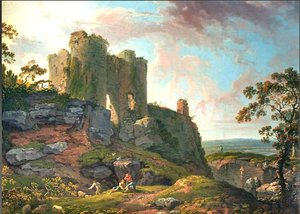
ジョージ・バレット(長老)
1732 - 1784 , アイルランド
基本情報
- Artistic Movement Or Style: ロマン主義
- Artists Who Influenced This Artist:
- エドマンド・バーク
- クロード・ロラン
- Date Of Birth: 1732年頃
- Date Of Death: 1784年
- Full Name: ジョージ・バレット(長老)
- Nationality: アイルランド人
- Notable Artworks (List Of Titles):
- パウアーコートの滝
- サウスウィック・パークの眺望
- Place Of Birth (City And Country): リバティビル、アイルランド
関連記事

ジョルジュ・ブラック傑作25選:革新的なキュビスムの世界と装飾への誘い
ジョルジュ・ブラックの傑作25選。キュビスムを代表する画家、その革新的な色彩と技法に迫ります。名画から知られざる逸品まで、美術史に残る作品群をArtsDot.comで鑑賞。お部屋を彩るアートプリントも多数ご用意。今すぐオンラインでコレクションをご覧ください。

ジョルジュ・スーラ傑作25選:光と色彩の科学が織りなす芸術の世界|ArtsDot
ジョルジュ・スーラの傑作25選。点描画の光と色彩、印象派から新印象派へ—ArtsDotで美術史を紐解き、リビングやダイニングを彩る高品質なアートプリントを見つけましょう。セーラ作品集をオンラインで鑑賞ください。

ロマン派ランドスケープ:時代を彩る巨匠の10選|アートとインテリアの世界
ロマン派絵画の時代を彩る10選。巨匠たちの風景が織りなす感動の世界へ。ターナー、ルーベンスなど、名作の裏話と高精細複製でアートをお部屋に。ArtsDot.comで至福のアート体験を。
George Barret the Elder: Pioneering British Pastoral Painting & Landscape's Rise
Explore the life & art of George Barret Sr., a pioneer of British pastoral painting. Discover his influence on Romantic landscape art, patronage, and collecting tips from ArtsDot.

Evocations of Place: A Historical Journey Through Landscape Art
Explore the rich history of landscape art with ArtsDot. Discover renowned artists, movements like Impressionism & Romanticism, and expert guidance for collecting timeless pieces. Find your perfect serene escape today!