

 プレビュー
プレビュー
 プリントを購入
 シェアする
シェアする シェアする
シェアする
 詳細を見る
詳細を見る

 ダウンロード
 似ている作品
 X線調査
X線調査 スライドショー
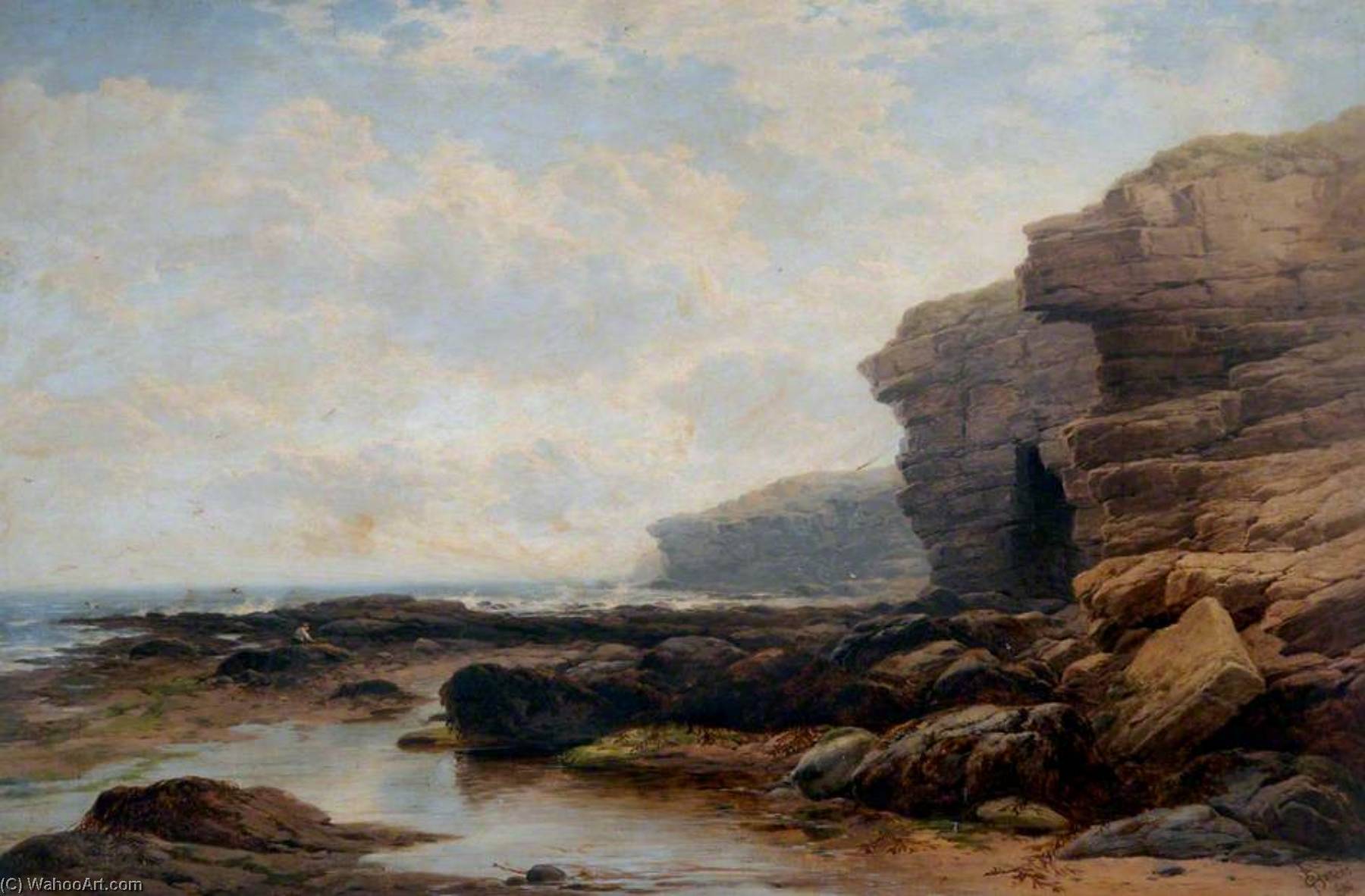
Whitley Coast


 詳細を見る
詳細を見る
オンラインプレビューをはるかに凌ぐ、高解像度で鮮明なデジタル画像をご購入いただけます。
各ファイルは、社内の専門家が高度なツールと熟練した手作業によるレタッチを用いて、細心の注意を払って準備されています。すべての画像において、卓越した鮮明度、正確な色彩再現性、そして繊細なディテールを保証いたします。
最終ファイルは、プロフェッショナルな編集・印刷環境ですぐにご利用いただけるよう最適化された状態で、72時間以内にメールにてお届けいたします。これは、一流のデザインスタジオ、出版社、ギャラリーから信頼されているものと同等の品質です。
デジタル画像のご注文に付随する特典
高品質なデジタル画像配信を、確かな品質で。
ArtsDot.com を選ぶことは、単に画像を手に入れることではありません。それは、プロの手によって精密に仕上げられ、満足保証が付いた高品質なデジタルアートワークを受け取ることを意味します。ご注文いただいた際に自動的に付随する内容は、以下の通りです:

メールですぐにお届け
ご注文から72時間以内に、高解像度のデジタル画像ファイルがメールでお手元に届きます。すぐにそのままご利用いただけます。

AI技術で最適化されたデジタルファイル
お客様の作品は、高度なAIツールと専門家による手作業の編集を組み合わせてプロフェッショナルに最適化されており、細部のディテール、鮮明さ、そして正確な色再現性を最大限に引き出しています。

一生涯無料の再送サービス
ファイルを誤って削除したり、紛失してしまったりしましたか?ご安心ください。いつでも無料で再送いたします。

輸入手数料は一切かかりません
関税や手数料、配送料を気にすることなく、お気に入りのアートワークをすぐにお楽しみいただけます。デジタルダウンロードは常に免税です。

色彩再現の保証
プロ仕様のツールとカラーマネジメント技術を用いることで、デジタル画像が元の色を最大限に忠実に再現することを保証いたします。

100日間満足保証
ご購入いただいたデジタル画像にご満足いただけない場合は、100日以内であれば、理由を問わず修正または100%の返金対応をさせていただきます。

100% 返金保証
ご満足いただけない場合は、デジタルファイルを受け取ってから100日以内であれば、理由を問わず全額返金いたします。

まとめ買い割引
3枚購入で10%OFF - 5枚購入で15%OFF - 10枚以上購入で20%OFF。クリエイティブなプロジェクト、ギャラリー、エージェンシーに最適です。
A Serene Coastal Vista: "Whitley Coast" by George Blackie Sticks
Step into a tranquil moment captured in time with George Blackie Sticks’ “Whitley Coast.” This evocative painting, created around 1880, transports the viewer to a peaceful shoreline where the gentle meeting of water and rock creates an atmosphere of quiet contemplation. The scene depicts a calm body of water gently lapping against a rocky shore, punctuated by scattered stones and resilient grasses clinging to the edge. Sticks masterfully utilizes light and shadow to define the textures of the rocks and the subtle ripples on the water's surface, inviting you to linger within this natural haven.Style & Technique: A Window into Victorian Landscape Painting
“Whitley Coast” exemplifies the aesthetic sensibilities prevalent in late 19th-century British landscape painting. Sticks’ style leans towards a realistic depiction of nature, yet it's imbued with a romantic sensibility characteristic of the era. He employs a traditional oil painting technique, building up layers of pigment to achieve depth and luminosity. Notice how he uses subtle gradations of color – from the muted blues and greens of the water to the earthy tones of the rocks – to create a sense of atmospheric perspective. This wasn’t merely about accurate representation; it was about conveying an emotional response to the beauty of the natural world, a key tenet of Victorian art. The brushwork is generally smooth, demonstrating a careful attention to detail while still maintaining a pleasing softness that avoids harshness.Historical Context & Artistic Influences
The 1880s witnessed a surge in popularity for landscape painting within Britain, fueled by increased leisure time and a growing appreciation for the countryside amongst the burgeoning middle class. Artists like Sticks were part of a movement that sought to capture the beauty of the British Isles, often depicting scenes of coastal areas and rural landscapes. While specific influences on Sticks remain somewhat elusive due to limited biographical information, his work shares affinities with artists such as J.M.W. Turner in its atmospheric quality and John Constable in its dedication to portraying the nuances of natural light. The painting reflects a broader cultural fascination with nature during this period, often seen as a source of solace and spiritual renewal amidst rapid industrialization.Emotional Impact & Decorative Appeal
“Whitley Coast” evokes a sense of serenity and peacefulness. The calm water, the rugged yet gentle shoreline, and the soft lighting combine to create an atmosphere that is both restorative and visually appealing. This painting isn't about dramatic action; it’s about quiet observation and appreciation for the simple beauty of nature. As a decorative piece, “Whitley Coast” offers versatile appeal. Its muted color palette and tranquil subject matter make it suitable for a variety of interior design styles – from traditional to contemporary spaces seeking a touch of understated elegance. It would be particularly well-suited for rooms with coastal themes or those aiming for a calming and relaxing ambiance. The generous size (60 x 90 cm) allows the artwork to become a focal point within a room, commanding attention without overwhelming the space.関連作品

作家の略歴
A Visionary of the Scottish Landscape
George Blackie Sticks, a name synonymous with the atmospheric grandeur of the British Isles, was born in 1843 in Newcastle upon Tyne. As the son of James Sticks, a respected Edinburgh artist, George was destined for a life steeped in the nuances of light and shadow. His early years were shaped by the artistic traditions of Scotland, where he received foundational instruction from his father. This mentorship did more than impart technical proficiency; it instilled in him a profound appreciation for Romantic ideals—a fascination with the sublime power of nature and the emotive potential of a landscape. Through meticulous observation and independent study, Sticks developed a way of seeing that would eventually establish him as one of the most distinguished painters of his era.
His artistic journey was characterized by an unwavering dedication to capturing the soul of the natural world. Whether depicting the rugged highlands or the tranquil lochs of Scotland, Sticks possessed a rare ability to translate the physical landscape into an emotional experience. His work often serves as a window into the 19th-century Romantic movement, where the goal was not merely accurate representation but the evocation of mood and atmosphere. By focusing on the interplay between earth, water, and sky, he created vistas that invite the viewer into a state of quiet contemplation.
Technique, Palette, and the Romantic Spirit
The mastery of George Blackie Sticks lies in his sophisticated use of composition and color to direct the viewer's eye and heart. He frequently employed pyramidal compositions, a technique that lends a sense of structural stability and monumental depth to his scenes. This method allowed him to mirror the towering peaks of the Scottish mountains, creating a visual rhythm that guides the gaze from the textured foreground toward the distant, misty horizons. His brushwork, while capable of fine detail in the depiction of rocky shores or resilient grasses, often maintained a pleasing softness that avoided harshness, contributing to the dreamlike quality of his landscapes.
< p>His palette was masterfully restrained, favoring muted tones dominated by deep blues, verdant greens, and earthy ochres. These colors were not chosen at random but were essential in creating the atmospheric perspective necessary for his luminous effects. Through subtle gradations of pigment, he could simulate the way light filters through a heavy mist or reflects off the surface of a still loch. This approach was deeply influenced by the legendary masters of British landscape painting, such as J.M.W. Turner and John Constable. From Turner, he drew an understanding of the sublime and the transformative power of light; from Constable, he learned the importance of capturing the specific, lived-in character of the countryside.Legacy and Artistic Significance
Throughout his prolific career, which spanned much of the late 19th and early 20th centuries, Sticks produced a body of work that remains a vital part of the British artistic canon. His paintings, such as the serene Whitley Coast or the evocative The Kyles of Bute, are more than mere topographical records; they are poetic interpretations of a landscape in transition. As the industrial era began to reshape the British Isles, Sticks’ work preserved a sense of the untouched, romantic wilderness, capturing a moment of natural majesty that felt both timeless and fleeting.
The historical significance of George Blackie Sticks extends beyond his technical skill. He was a key figure in a movement that sought to celebrate the beauty of the British Isles, catering to a growing middle class that found solace and identity in the depiction of their native landscapes. His ability to blend realism with a romantic sensibility ensured that his work resonated both with his contemporaries and with future generations of art lovers. Today, his paintings continue to inspire admiration for their ability to transport the viewer to a peaceful shoreline or a misty mountain pass, proving that the true power of landscape art lies in its ability to touch the eternal.
george blackie sticks
1843 - 1938
プロフィール概要
- Artistic Movement Or Style: Romantic Landscape Art
- Artists Who Influenced This Artist: ['James Sticks']
- Date Of Death: 1938
- Full Name: George Blackie Sticks
- Nationality: British
- Notable Artworks: ['Derwentwater and Bassenthwaite Lakes']
- Place Of Birth: Newcastle