

 プリントを購入
 シェアする
シェアする シェアする
シェアする
 詳細を見る
詳細を見る

 ダウンロード
 似ている作品
 スライドショー
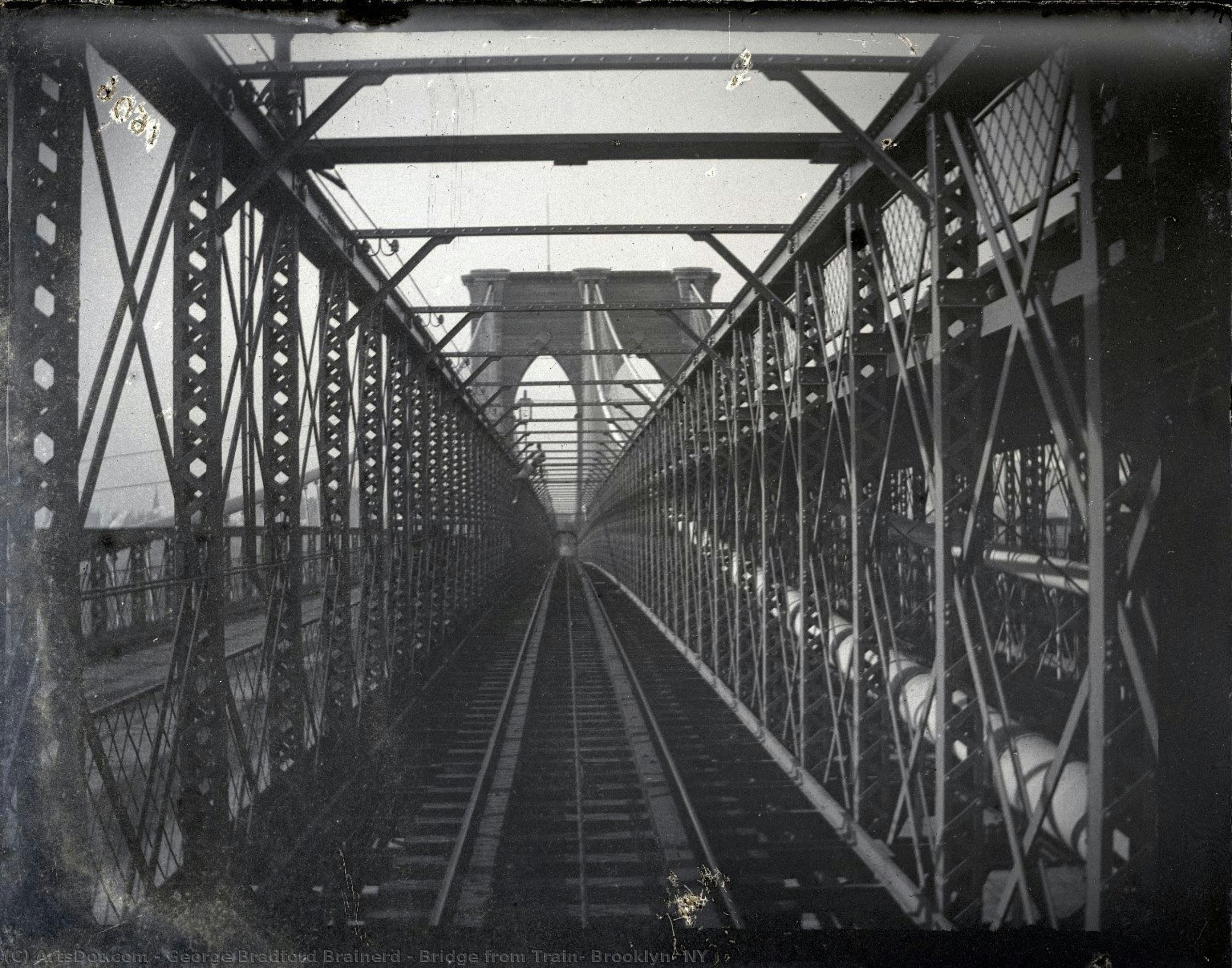
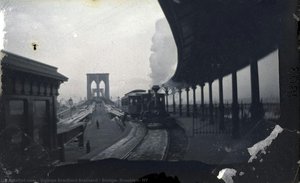
Bridge from Train, Brooklyn, NY


 詳細を見る
詳細を見る




































作品のオリジナル比率に合わせた、当店の規定サイズからお選びください。

特定のフレームやスペースに合わせて、ご希望のサイズをご入力いただけます。選択されたサイズが元の画像の比率と異なる場合、アートワークをトリミングするか、手描きで要素を追加して絵画を拡張いたします。デジタルモックアップ を制作し、制作開始前にご確認(承認)をいただきます。
画面上のプレビューは、実際のトリミングや拡張を正確に反映しているものではありません。最終的な構図は、モックアップによってのみ正確にご確認いただけます。
カスタムサイズもご利用いただけますが、元の比率を維持するためには、あらかじめ用意されたリストからサイズを選択することをお勧めいたします。
ご注文後、ArtsDot.com チームより詳細な指示をお送りするとともに、仕上がりイメージ(モックアップ)をご提供いたします。


 ガラスオプションは、110cm未満のサイズでのみご利用いただけます。

Bridge from Train, Brooklyn, NY
複製技法
複製画のサイズ
-


合計金額
$ 263
作品解説
George Bradford Brainerd’s “Bridge from Train, Brooklyn, NY”: A Snapshot of Industrial Progress
The photograph presented by George Bradford Brainerd—titled “Bridge from Train, Brooklyn, NY”—is more than just a depiction of an urban landscape; it's a meticulously crafted testament to the burgeoning industrial spirit of late 19th-century America. Captured around 1872–1887, this black-and-white glass plate negative offers a poignant glimpse into a pivotal moment in Brooklyn’s history—a period defined by rapid growth fueled by immigration and technological innovation. Brainerd's artistic vision transcends mere documentation; he achieves an evocative mood through careful compositional choices and masterful photographic technique.Composition and Perspective: Lines Converging Towards Eternity
Brainerd’s composition is strikingly symmetrical, mirroring the grandeur of the Brooklyn Bridge itself. The bridge’s steel framework dominates the frame, presenting a repetitive pattern on either side that draws the viewer's eye towards a vanishing point situated in the distant horizon. This deliberate use of linear perspective isn’t merely aesthetic; it symbolizes the relentless march forward—the aspiration for progress—characteristic of the era. Furthermore, the train tracks serve as guiding lines, reinforcing this sense of movement and emphasizing the importance of transportation within the city's expanding infrastructure. The photographer skillfully utilizes the enclosure created by the train car to heighten the immediacy of the scene, inviting contemplation about the relationship between humanity and its environment.Technical Mastery: Wet Collodion Process and Grainy Texture
Brainerd’s technical prowess is evident in his mastery of the wet collodion process—a demanding photographic method requiring immediate exposure and processing under challenging conditions. This technique resulted in a grainy texture, reflecting not only the inherent limitations of the era's equipment but also adding to the photograph’s atmospheric quality. The photographer skillfully manipulated light, capturing subtle tonal variations within the bridge structure and highlighting the diffused glow of the sky visible through gaps in the framework. These details underscore Brainerd’s dedication to faithfully reproducing the visual world around him—a commitment that speaks volumes about his artistic sensibilities.Symbolism: Industry Meets Melancholy
The monochromatic palette contributes significantly to the photograph's emotional resonance, conveying a sense of solemnity and hinting at the anxieties surrounding rapid industrialization. While celebrating Brooklyn’s achievements in engineering and urban development, Brainerd simultaneously acknowledges the human cost—the displacement of traditional ways of life—associated with this transformative period. The image invites reflection on themes of ambition versus humility, progress versus preservation. It serves as a reminder that even amidst monumental feats of construction, there exists an underlying melancholy—a recognition of time’s passage and the inevitable erosion of familiar landscapes.Historical Context: Documenting Brooklyn's Transformation
“Bridge from Train, Brooklyn, NY” stands as a crucial artifact within the broader context of American art history. Brainerd’s work aligns with the prevailing aesthetic sensibilities of his time—a fascination with realism and an interest in capturing urban life accurately. The photograph exemplifies the spirit of scientific observation prevalent during the Second Industrial Revolution, reflecting the growing confidence in technological advancement and its ability to reshape society. Its inclusion within the Brooklyn Museum's collection underscores the importance of preserving visual records of this transformative era—a legacy that continues to inspire artists and scholars alike.関連作品
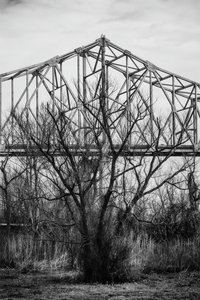
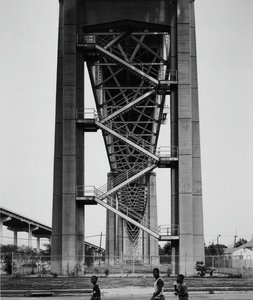
アーティストの略歴
George Bradford Brainerd: Life and Legacy
Early Life and Education
- Born: November 27, 1845, in Haddam Neck, Connecticut.
- Brainerd’s family moved to Brooklyn, New York, in 1846 where he spent most of his life.
- He attended Rensselaer Polytechnic Institute (RPI) in Troy, New York, graduating in 1865 with a degree in civil engineering.
- While at RPI, Brainerd was a founding member of the Theta Xi fraternity.
Professional Career as an Engineer
- Brainerd worked for the City of Brooklyn as a civil engineer for 17 years (1869-1886), rising to the position of Deputy Water Purveyor.
- Publication: He authored “The Water Works of Brooklyn” (1873), a detailed account of the city’s water infrastructure.
- His engineering work provided him with opportunities to document urban development through photography.
A Pioneering Photographer
- Brainerd's passion for photography began at age 13, building his own cameras and experimenting with ambrotypes.
- He mastered the collodion wet plate process, known for its sharpness and detail, creating glass negatives.
- Brainerd constantly innovated photographic techniques, designing specialized cameras – including a handheld “slide box” camera – to capture motion and improve image quality.
- Subjects: He photographed Brooklyn’s urban landscape (bridges, mills, streets), Long Island scenery, and even pioneering work in medical photography.
Artistic Development & Influences
- Brainerd's artistic development was driven by a combination of scientific curiosity and aesthetic vision.
- His engineering background influenced his precise compositions and attention to detail.
- While not directly linked to specific art movements, his work aligns with the documentary impulse of 19th-century photography.
- Influences: His interest in documenting urban life can be seen as a precursor to later street photography traditions.
Major Achievements and Contributions
- Created an extensive photographic record of 19th-century Brooklyn, providing invaluable historical documentation.
- Pioneered techniques in laryngeal (throat) photography, contributing to medical advancements.
- Designed and built innovative cameras, pushing the boundaries of photographic technology.
- Legacy: His collection of approximately 1,900 glass plate negatives is a significant resource at the Brooklyn Museum.
Historical Significance & Later Life
- Brainerd’s work offers a unique glimpse into the social and architectural landscape of late 19th-century New York.
- His photographs are valued for their historical accuracy, artistic merit, and technical innovation.
- Death: He died on April 13, 1887, at age 41 in Brooklyn from a brain tumor, potentially exacerbated by exposure to toxic photographic chemicals and smoking.
- He is buried in an unknown plot in Old Rock Landing Cemetery in Haddam, Connecticut.
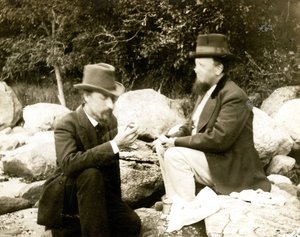
George Bradford Brainerd
1845 - 1887 , United States of America
基本情報
- Birth Date: November 27, 1845
- Birth Place: Haddam Neck, Connecticut, United States
- Death Date: April 13, 1887
- Movement: Early Photography
- Name: George Bradford Brainerd
- Nationality: American
- Notable Works: The Water Works of Brooklyn, photographs of Brooklyn and Long Island
関連記事

Pictorialism: A Search for Artistic Photography's Soul – Aesthetics, Techniques & Legacy
Explore the captivating world of Pictorialism – a pivotal movement that transformed photography into fine art. Discover key artists like Stieglitz & Käsebier, techniques, and collecting tips from experts.

Giclée Prints: Archival Quality & Aesthetic Nuances for the Discerning Collector
Explore the world of giclée prints with ArtsDot. Learn about archival quality, aesthetic nuances & investment potential. Expert guidance for discerning art collectors seeking museum-quality reproductions and lasting value.

Monochrome Visions: Exploring the Aesthetic & Historical Significance of Black & White Photography
Explore the rich history & artistic power of black and white photography. From early techniques to iconic masters like Ansel Adams, discover why monochrome continues to captivate art lovers today. Expert insights for collectors.
Beyond the Lens: Photography's Enduring Influence on Modern & Contemporary Art
Explore photography's pivotal role in shaping modern & contemporary art. Discover key movements, influential artists like Stieglitz, and expert collecting advice from ArtsDot.

Echoes of Time: Exploring the Enduring Appeal & Historical Context of Vintage Art Prints
Explore the captivating world of vintage art prints! Discover their history, collecting tips & enduring appeal. Expert insights on chromolithography and building a legacy collection with ArtsDot.

