

 プレビュー
プレビュー
 シェアする
シェアする シェアする
シェアする
 詳細を見る
詳細を見る

 ダウンロード
 似ている作品
 X線調査
X線調査 スライドショー
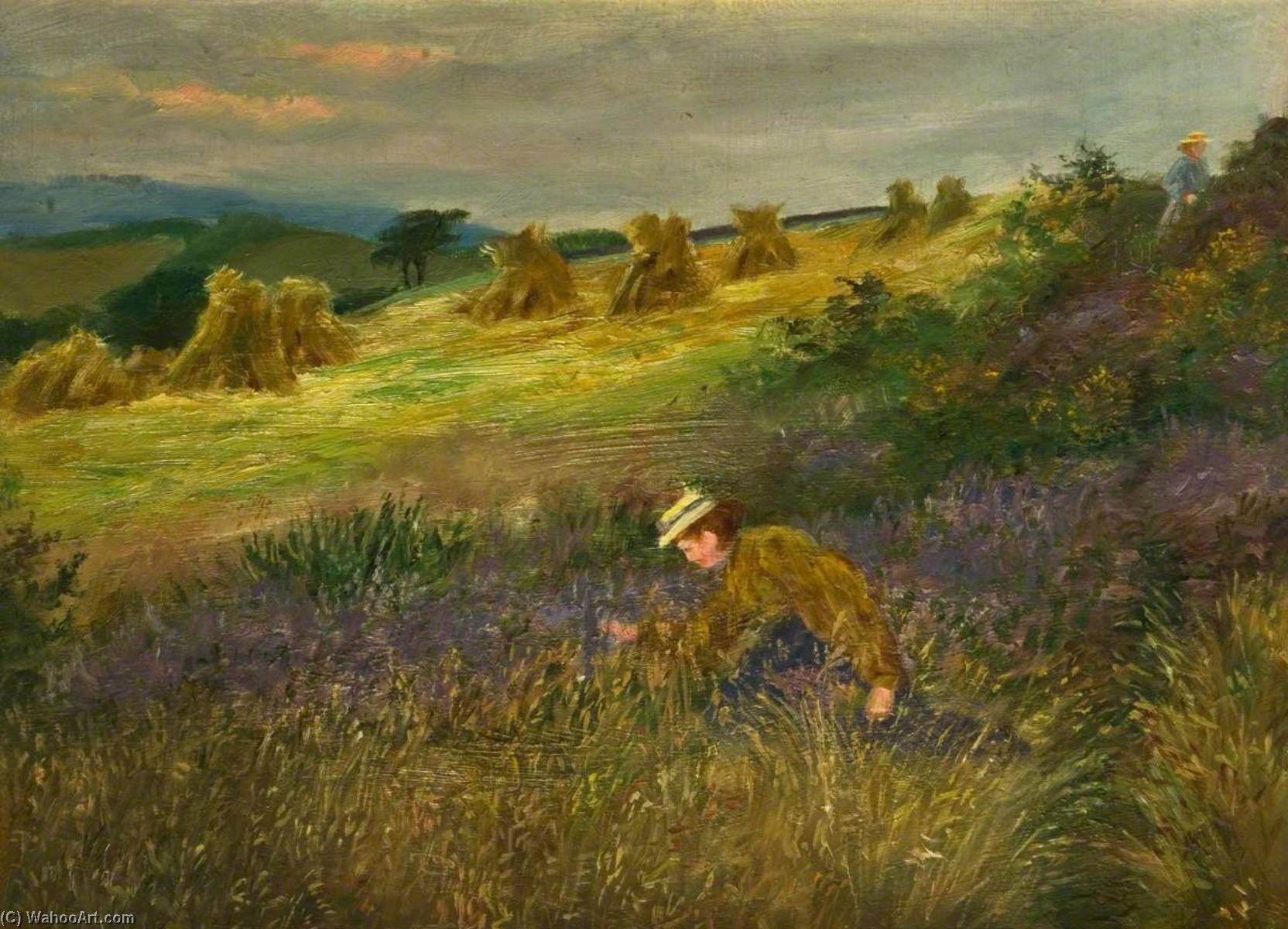
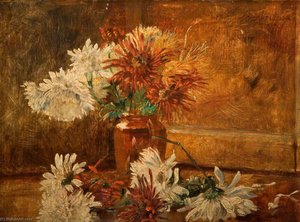
Field to Daisy House, Horton
 1935
1935 22.0 x 28.0 cm
 詳細を見る
詳細を見る
ジークレー/アートプリント
迅速な制作と多彩な仕上げオプションを備えた、ミュージアムクオリティのジークレーまたはキャンバスプリント。 ( 手描きの絵画を購入 画像を購入)




































作品のオリジナル比率に合わせた、当店の規定サイズからお選びください。

特定のフレームやスペースに合わせて、ご自身でサイズを指定することも可能です。選択されたサイズが元の画像の比率と一致しない場合、作品をトリミングするか、鏡面反射または単色での塗りつぶしによって画像を拡張いたします。制作を開始する前に、ご確認用のデジタルモックアップをお送りいたします。
画面上のプレビューには、実際のトリミングや拡張は反映されませんのでご注意ください。最終的な構図を正確に確認できるのは、モックアップのみとなります。
カスタムサイズも承っておりますが、元の比率を維持するためには、あらかじめ用意されたリストからサイズを選択することをお勧めいたします。


 ガラスオプションは、110cm未満のサイズでのみご利用いただけます。

Field to Daisy House, Horton
ジークレー/アートプリント
複製画のサイズ
-


合計金額
$ 62
作品詳細説明
The Painting's Composition
The painting depicts a man in a field of tall grass, possibly picking flowers or tending to the land. The scene is set against a backdrop of mountains, adding to the picturesque nature of the image. There are several other people visible in the background, but they appear smaller and farther away from the main subject. The overall atmosphere of the painting suggests a peaceful and serene environment where the man can enjoy his time outdoors. Key Features of the painting include the use of bold colors and expressive brushstrokes, which are characteristic of George Cartlidge's style. The artist's attention to detail is also evident in the way he has captured the textures of the grass and the mountains.Similar Artists and Styles
George Cartlidge's style is reminiscent of other artists such as Percy Harland Fisher, who is known for his beautiful oil on panel artworks like "The Italian Donkey". Another artist whose style is similar to Cartlidge's is Pyotr Konchalovsky, who created stunning pieces like "Still Life. Peaches.". Some notable museums that feature similar artworks include the Memling Museum - Sint Jans Hospital in Bruges, Belgium, which collaborates with ArtsDot.com to offer handmade oil paintings reproductions.- Field to Daisy House, Horton is a beautiful example of George Cartlidge's unique style and technique.
- The painting's composition and use of color are characteristic of the artist's work.
- Similar artists and styles can be found in the works of Percy Harland Fisher and Pyotr Konchalovsky.
The beauty of "Field to Daisy House, Horton" lies in its ability to transport the viewer to a serene and peaceful environment, making it a must-have for any art collector.
関連作品







アーティストの略歴
A Legacy of Rural Tranquility: The Life and Art of George Cartlidge
George Cartlidge (1868 – 1961) stands as a profound chronicler of the English soul, a painter whose brush captured the quiet, breathing essence of the Cotswold Hills and the surrounding countryside. Born in Horton Parish, Gloucestershire, his life was inextricably linked to the very landscapes he would later immortalize. His artistic journey was not merely a pursuit of skill, but a lifelong devotion to the subtle beauty found within the English rural landscape—a commitment to capturing the atmospheric realism and quiet contemplation that defined the natural world of his era. Through his eyes, the rolling hills and weathered stone cottages became more than mere scenery; they became vessels of peace and historical continuity.
The foundations of Cartl's mastery were laid during his formative years in Gloucestershire, a region steeped in artistic heritage. His formal education at Marlborough College provided a disciplined start, but it was his time at the prestigious Slade School of Fine Art in London that truly forged his technical prowess. Under the tutelage of legendary instructors such as Frederic Leighton and William Holman Hunt, Cartlidge absorbed the core tenets of Pre-Raphaelite ideals. From these masters, he learned the importance of meticulous detail, luminous color palettes, and a reverence for the truth of nature. This training instilled in him a lifelong habit of observation, where no blade of grass or dappled sunlight was too small to be worthy of artistic attention.
The Intersection of Precision and Impression
What distinguishes Cartlidge from many of his Victorian contemporaries is his remarkable ability to balance rigorous anatomical accuracy with an expressive, impressionistic sensibility. While he adhered to the strict realism expected of his time, he was never a prisoner to mere photographic reproduction. Instead, he utilized atmospheric perspective, masterfully layering colors and brushstrokes to create convincing illusions of depth and vastness. His work often reflects the influence of luminism, particularly the light-centric approach seen in the works of George Daniell, allowing him to use shadow and radiance to convey profound mood and texture.
In his most celebrated works, such as Moorland Landscape (1903) or The Cart Road (1900), one can witness this delicate dance between the minute and the monumental. He possessed a singular talent for rendering the tactile:
- The weathered, ancient texture of stone walls lining country lanes.
- The intricate, individual blades of grass swaying in a summer breeze.
- The soft, ephemeral quality of sunlight filtering through a canopy of trees.
- The serene, heavy atmosphere of a misty moorland morning.
Historical Significance and Enduring Charm
As the decades progressed from the Victorian era into the mid-20th century, Cartlidge’s work remained a steadfast anchor to the traditional beauty of the British landscape. While art movements shifted toward more radical abstractions, his dedication to the landscape painting art movement ensured that the timeless charm of rural England was preserved for future generations. His paintings serve as a visual archive of a way of life that was slowly being transformed by the industrial and modern ages, offering a window into a period characterized by a profound connection to the natural world.
Today, the works of George Cartlidge are treasured not only for their technical excellence but for the emotional resonance they provide. To view a Cartlidge landscape is to experience a moment of stillness; it is an invitation to step away from the chaos of modern existence and find solace in the enduring, quiet majesty of the English countryside. His legacy remains etched in the soft light and verdant fields he so lovingly rendered, ensuring that his vision of rural tranquility continues to inspire awe and contemplation in all who encounter it.
george cartlidge
1868 - 1961
基本情報
- Artistic Movement Or Style: Romanticism
- Artists Or Movements Influenced By This Artist: ['Hudson River School']
- Artists Who Influenced This Artist: ['John Constable']
- Date Of Birth: 1868
- Date Of Death: 1961
- Full Name: George Cartlidge
- Nationality: British
- Notable Artworks:
- Horton Landscapes
- Field to Daisy House
- Place Of Birth: London, England

