

 プレビュー
プレビュー
 シェアする
シェアする シェアする
シェアする
 詳細を見る
詳細を見る

 ダウンロード
 似ている作品
 X線調査
X線調査 スライドショー
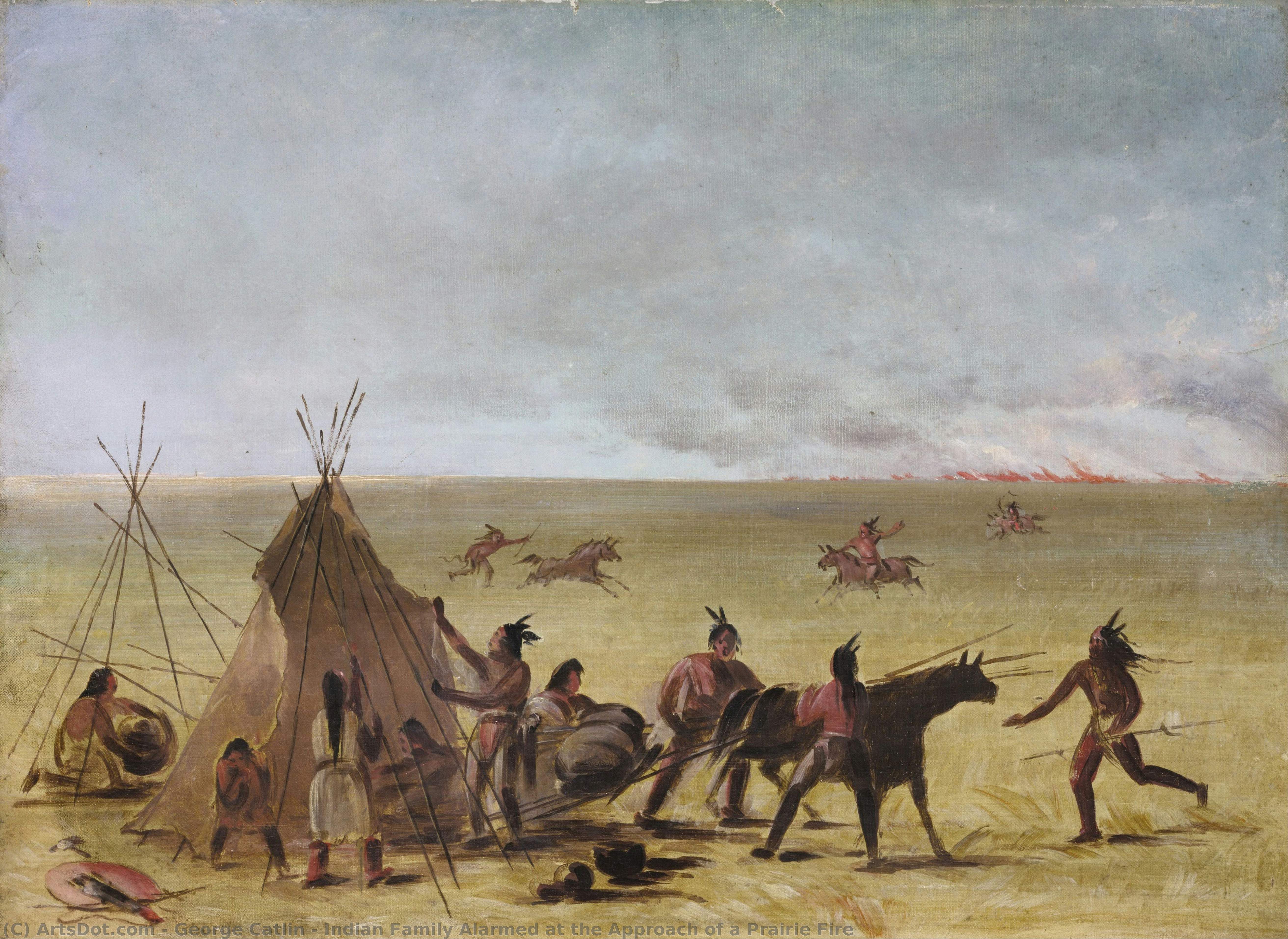
Indian Family Alarmed at the Approach of a Prairie Fire
 Acrylic On Canvas
- WallArt
- Romantic Landscape Painting
 1848
1848 50.0 x 69.0 cm
 ナショナルギャラリー
 詳細を見る
詳細を見る
ジークレー/アートプリント
迅速な制作と多彩な仕上げオプションを備えた、ミュージアムクオリティのジークレーまたはキャンバスプリント。 ( 手描きの絵画を購入 画像を購入)




P118B $10

P118H $10

P118W $10

P438Z $10

P508JH $12

P508YH $12

P805H $10

P805Z $10

P919BZ $10

P919G $10

P919XJ $10

P959ZH $10

P968JZ $12

W106C $8

W218G $10

W218JH $8

W218Y $10

W307PJ $10

W316G $10

W316PJ $8

W316Y $10

W398PJ $8

W4111J $10

W500HY $15

W500JH $15

W692G $12

W849H $8

W940BG $15

W953PJ $8




作品のオリジナル比率に合わせた、当店の規定サイズからお選びください。

特定のフレームやスペースに合わせて、ご自身でサイズを指定することも可能です。選択されたサイズが元の画像の比率と一致しない場合、作品をトリミングするか、鏡面反射または単色での塗りつぶしによって画像を拡張いたします。制作を開始する前に、ご確認用のデジタルモックアップをお送りいたします。
画面上のプレビューには、実際のトリミングや拡張は反映されませんのでご注意ください。最終的な構図を正確に確認できるのは、モックアップのみとなります。
カスタムサイズも承っておりますが、元の比率を維持するためには、あらかじめ用意されたリストからサイズを選択することをお勧めいたします。


 ガラスオプションは、110cm未満のサイズでのみご利用いただけます。

Indian Family Alarmed at the Approach of a Prairie Fire
ジークレー/アートプリント
複製画のサイズ
-


合計金額
$ 62
A Moment Frozen in Time: Catlin’s Dramatic Depiction of Prairie Fire
George Catlin's *Indian Family Alarmed at the Approach of a Prairie Fire*, painted between 1846 and 1848, stands as a pivotal work within American Romanticism and a testament to Catlin’s unwavering commitment to preserving Native American culture. More than just a picturesque landscape, it’s a carefully constructed narrative designed to convey both the grandeur of the American West and the vulnerability of its indigenous inhabitants facing imminent danger. The painting captures a scene of palpable tension—a family of Lakota Sioux fleeing from a raging prairie fire, their faces etched with fear as they desperately attempt to protect their teepee dwelling.Style and Technique: Romantic Idealism Meets Observational Detail
Catlin’s artistic style embodies the tenets of Romantic idealism while simultaneously grounding itself in meticulous observation. Rejecting academic conventions that favored idealized representations, Catlin opted for a bold palette dominated by earthy tones—burnt umber, ochre, and crimson—reflecting the fiery landscape and conveying its raw power. His brushstrokes are loose and expressive, prioritizing capturing the dynamism of the moment over precise anatomical accuracy. This technique lends an immediacy to the scene, immersing the viewer in the drama unfolding before their eyes. Notably, Catlin employed a method he termed “Indian Art,” meticulously documenting Native American life through large-scale canvases that aimed to capture not just appearances but also spirit and emotion. He achieved this by utilizing a technique known as "flatness," deliberately avoiding shading and perspective to mimic the visual experience of Native Americans who perceived the world in a fundamentally different way.Historical Context: Documenting Disappearing Cultures
Painted during a period of intense westward expansion, *Indian Family Alarmed at the Approach of a Prairie Fire* reflects Catlin’s profound concern for documenting the rapidly disappearing cultures of North America's tribes. The painting emerged from his ambitious project to portray Native American life in its entirety—a mission driven by both artistic conviction and moral responsibility. Catlin recognized that these traditions were facing imminent destruction due to encroachment by settlers and government policies, and he believed it was imperative to preserve their legacy for future generations. His work served as a powerful counterpoint to prevailing stereotypes of Native Americans as savage primitives, presenting them instead as dignified individuals grappling with the challenges posed by encroaching civilization.Symbolism: Fear, Resilience, and the Sublime Beauty of Nature
Beyond its depiction of immediate danger, *Indian Family Alarmed at the Approach of a Prairie Fire* is laden with symbolic significance. The prairie fire itself represents not only physical peril but also the destructive force of progress—the relentless march of civilization threatening to obliterate traditional ways of life. Yet, amidst this terror lies an element of sublime beauty: the fiery landscape serves as a backdrop for the family’s struggle, highlighting the grandeur and majesty of nature even in the face of adversity. The birds circling overhead symbolize vigilance and perhaps foreshadowing divine intervention—a subtle reminder that despite facing overwhelming odds, Native Americans possessed unwavering faith and resilience.Emotional Impact: A Window into Indigenous Experience
Ultimately, Catlin's masterpiece succeeds in transporting the viewer to the heart of indigenous experience. The painting compels us to confront the anxieties inherent in encountering unfamiliar cultures and environments. It evokes a visceral response—a feeling of unease mingled with admiration for the courage and determination displayed by those defending their heritage. *Indian Family Alarmed at the Approach of a Prairie Fire* remains an enduring symbol of Romantic idealism’s commitment to portraying the world as it truly is, capturing not just visual splendor but also the profound emotional resonance of human connection within the context of a dramatic natural event.関連作品
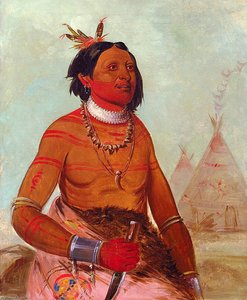
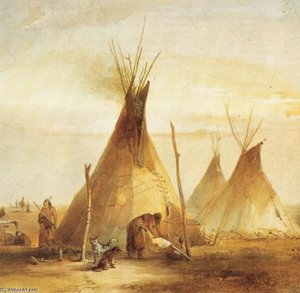
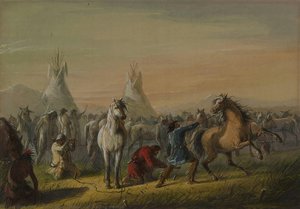
アーティストの略歴
ジョージ・キャットリン:消えゆくアメリカ先住民文化の記録者
1796年、ペンシルベニア州ウィルクス=バーレに生まれたジョージ・キャットリンは、法学を学びながらも、やがて自身の運命を芸術へと変えることになる人物でした。幼少期から母親から語り聞かされたアメリカ先住民との遭遇譚は、彼の心に深く刻まれ、西部のフロンティアへの強い憧れを抱かせました。キャットリンの人生は、確立されたアメリカ社会と、急速に消えゆく先住民文化という、二つの世界を結ぶ架け橋となることになります。彼は法学の実践を放棄し、自身の芸術的才能を通して、その貴重な文化遺産を後世に残すことに情熱を注ぎました。初期の作品には、エリー運河沿いの風景を描いた版画があり、彼の緻密な観察眼と描写力を示唆していました。これらの初期の試みは、後の壮大なプロジェクトへと繋がる基盤となり、彼の芸術的才能を磨き上げました。「インディアン・ギャラリー」:消滅の危機に瀕した文化の記録
キャットリンの最も重要な功績は、何と言っても500点を超える作品からなる「インディアン・ギャラリー」の制作です。1830年代から始まった五度の西への遠征では、ミズーリ川を上り、ブラックフット族、スー族、マンダン族など、様々な部族が暮らす地へと足を踏み入れました。彼は単なる観察者ではなく、その文化に深く入り込み、儀式に参加し、日常生活を体験することで、部族のリーダーたちとの関係も築きました。彼の絵画は、写実的で鮮やかな色彩を持ち、先住民の尊厳と複雑さを捉えています。例えば、チョクトー族のボール・プレイは、伝統的なゲームの躍動感を表現し、その部族の団結力と運動能力を称賛しています。また、スー族の戦士 モーショラトゥビー酋長の肖像画は、権威と知恵を湛えた首長の姿を見事に描き出しています。キャットリンのスタイルは、背景に細部に至るまで緻密な描写が施されており、風景、ティピ、儀式用の道具など、彼の主題を理解するための文脈を提供しています。彼は先住民をステレオタイプな野蛮人としてではなく、豊かな文化と複雑な社会構造を持つ個人として描くことを目指し、当時の偏見に挑戦しました。試練と評価:文化保存への献身
しかしながら、芸術的価値や歴史的な重要性にもかかわらず、「インディアン・ギャラリー」は十分な評価を得られず、資金面での困難も多くありました。キャットリンはアメリカ政府にコレクションの寄贈を提案しましたが、その試みは繰り返し拒否されました。それでも彼は諦めず、ロンドン、パリ、ベルギーなどヨーロッパ各地で展示会を開催し、大きな反響を呼びました。これらの展示会は、先住民文化に対する理解を深めるきっかけとなり、彼の専門家としての地位を確立しました。しかし、経済的な苦難は彼の人生を通してつきまとい、投資を回収するために「縮小版コレクション」を作成しましたが、これも十分な収益をもたらしませんでした。彼は文化保存に献身した一方で、自身の生存のために闘うという皮肉な状況に置かれました。遺産と歴史的意義
1872年に亡くなったジョージ・キャットリンは、今日では消えゆく先住民文化の貴重な記録者として認識されています。彼の作品は、西部開拓によって変貌を遂げた先住民社会の姿を伝える重要な証拠となり、主流メディアで誤って描かれてきた文化に対する新たな視点を提供しています。草原の火は、制御された焼き畑と騎乗者の劇的な描写を通して、先住民と自然との密接な関係性を表現しています。パイプストーン採石場 コトー・デ・プラリーは、多くの部族にとって神聖な場所であり、土地との精神的な繋がりを象徴するものです。キャットリンの緻密な記録は、部族の慣習、社会構造、宗教的信念、芸術的伝統に関する洞察を提供し、彼の献身的な努力がなければ失われていたであろう貴重な情報を残しました。彼の作品は、文化保存の重要性と先住民に対する固定観念に挑戦することの必要性を私たちに強く訴えかけます。彼は単なる画家ではなく、記録者であり、証人であり、消滅の危機に瀕した生活様式を擁護する情熱的な支持者でした—その遺産は、今日でもアメリカの歴史と文化に対する私たちの理解を深めています。主要作品
- マンダンの少年たちの戦いの模倣 (1832-1833): 若いマンダン族の戦士たちの陽気な模擬戦闘を描いた作品。
- ジョージ・キャットリンの妻 クララ・バートレット・グレゴリー (1850): 画家の妻を肖像画にし、彼の個人的な生活への洞察を提供しています。
- パイプストーン採石場 コトー・デ・プラリー (1848): 多くの部族にとって神聖な場所であり、土地との精神的な繋がりを示す風景画。
- スー族の戦士 医学的バッファロー (1839): 威厳と力強い姿を捉えた、著名なスー族の指導者の肖像画。
- 草原の火 (1832): 制御された焼畑の劇的な場面を描き、先住民と環境との関係性を強調しています。
- ミシシッピ川上流 デビュークの墓 (1836): インプレッション主義的な筆致でミシシッピ川上流の穏やかな美しさを捉えた風景画。
- チョクトー族のイーグルダンス (1837): 伝統的なチョクトー族の儀式を鮮やかに描写し、その豊かな文化的遺産を紹介しています。
- リトル・ウルフ、名高い戦士 (1844): 強さと回復力を象徴する先住民の戦士の力強い肖像画。
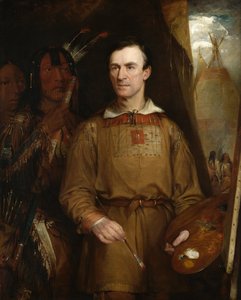
ジョージ・キャットリン
1796 - 1872 , アメリカ合衆国
基本情報
- フルネーム: ジョージ・キャットリン
- 主な作品:
- シャム・ファイト、マンダン族の少年たち
- 燃える草原
- パイプストーン採石場
- シoux族の薬用バッファロー
- イーグルダンス、チョクトー族
- リトルウルフ、名高い戦士
- 出身地: ウィルクス=バー、アメリカ合衆国
- 国籍: アメリカ合衆国
- 死亡年月日: 1872年12月23日
- 生年月日: 1796年7月26日
- 芸術運動またはスタイル: フロンティア絵画
関連記事

ジョルジュ・ブラック傑作25選:革新的なキュビスムの世界と装飾への誘い
ジョルジュ・ブラックの傑作25選。キュビスムを代表する画家、その革新的な色彩と技法に迫ります。名画から知られざる逸品まで、美術史に残る作品群をArtsDot.comで鑑賞。お部屋を彩るアートプリントも多数ご用意。今すぐオンラインでコレクションをご覧ください。

ジョルジュ・スーラ傑作25選:光と色彩の科学が織りなす芸術の世界|ArtsDot
ジョルジュ・スーラの傑作25選。点描画の光と色彩、印象派から新印象派へ—ArtsDotで美術史を紐解き、リビングやダイニングを彩る高品質なアートプリントを見つけましょう。セーラ作品集をオンラインで鑑賞ください。
George Catlin: Witnessing & Representing Indigenous Life on the American Frontier
Explore the captivating art of George Catlin, renowned for his vivid portraits & landscapes documenting Native American life on the frontier. Discover a vanishing world through stunning paintings and historical context.
Grant Wood & American Regionalism: Identity, Myth & the Rural Landscape
Explore the world of Grant Wood & American Regionalism with ArtsDot. Discover the symbolism behind 'American Gothic', recurring themes, and the movement's lasting impact on art history. High-quality reproductions available.

American Realism's Defining Works: 10 Masterpieces for Your Home
Explore 10 defining American Realism masterpieces – Hopper, Homer & more. Discover the stories behind these iconic paintings and bring timeless art to your home with ArtsDot's museum-quality reproductions. Explore the full collection online.

