

 プレビュー
プレビュー
 プリントを購入
 シェアする
シェアする シェアする
シェアする
 詳細を見る
詳細を見る

 ダウンロード
 似ている作品
 X線調査
X線調査 スライドショー
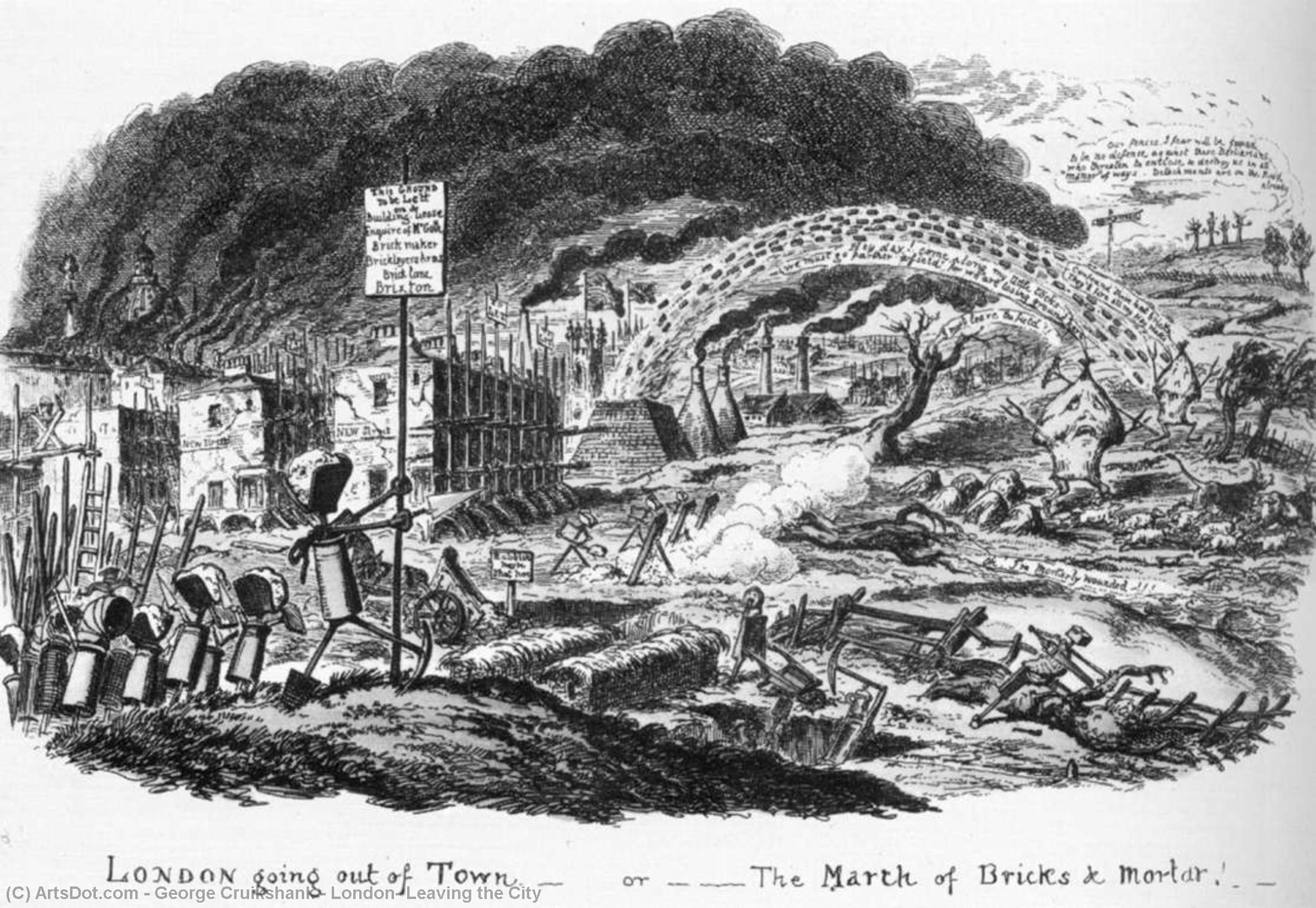
London, Leaving the City
 Etching
- WallArt
- Victorian Social Satire
 1829
1829- 19th Century
 190.0 x 270.0 cm
 大英博物館
大英博物館
 詳細を見る
詳細を見る




P118B $10

P118H $10

P118W $10

P438Z $10

P508JH $12

P508YH $12

P805H $10

P805Z $10

P919BZ $10

P919G $10

P919XJ $10

P959ZH $10

P968JZ $12

W106C $8

W218G $10

W218JH $8

W218Y $10

W307PJ $10

W316G $10

W316PJ $8

W316Y $10

W398PJ $8

W4111J $10

W500HY $15

W500JH $15

W692G $12

W849H $8

W940BG $15

W953PJ $8




作品のオリジナル比率に合わせた、当店の規定サイズからお選びください。

特定のフレームやスペースに合わせて、ご希望のサイズをご入力いただけます。選択されたサイズが元の画像の比率と異なる場合、アートワークをトリミングするか、手描きで要素を追加して絵画を拡張いたします。デジタルモックアップ を制作し、制作開始前にご確認(承認)をいただきます。
画面上のプレビューは、実際のトリミングや拡張を正確に反映しているものではありません。最終的な構図は、モックアップによってのみ正確にご確認いただけます。
カスタムサイズもご利用いただけますが、元の比率を維持するためには、あらかじめ用意されたリストからサイズを選択することをお勧めいたします。
ご注文後、ArtsDot.com チームより詳細な指示をお送りするとともに、仕上がりイメージ(モックアップ)をご提供いたします。


 ガラスオプションは、110cm未満のサイズでのみご利用いただけます。

London, Leaving the City
複製技法
複製画のサイズ
-


合計金額
$ 363
A Chronicle of Urban Anxiety: Examining George Cruikshank’s “London, Leaving the City”
George Cruikshank's "London, Leaving the City," etched in 1829, isn’t merely a depiction of London; it’s a visceral reaction to the anxieties simmering beneath the veneer of Victorian society. Created during a period marked by industrial expansion and growing concerns about public health – specifically cholera outbreaks – Cruikshank's print captures a moment of profound terror as citizens flee from an encroaching darkness, symbolizing not just physical danger but also societal decay. The etching’s power resides in its masterful blend of observation and commentary, cementing Cruikshank’s reputation as one of the era’s most astute social satirists.Composition and Dramatic Lighting
The artwork's dynamic composition immediately draws the viewer into a scene of chaotic evacuation. Cruikshank skillfully directs our gaze from the foreground figures scrambling towards the right – representing those attempting to escape – upwards toward a colossal, ominous cloud dominating the upper portion of the image. This deliberate use of perspective amplifies the sense of impending doom and underscores the scale of the crisis. The artist’s masterful manipulation of light is equally impactful; an unseen source casts dramatic shadows across the cityscape, highlighting certain individuals and architectural elements while plunging others into darkness, mirroring the psychological state of fear and uncertainty experienced by those caught in the unfolding disaster.Technique: Etching – A Symphony of Line
Cruikshank’s technique—etching—is itself a testament to his artistic prowess. Employing acid on a copper plate, he meticulously crafted intricate linework that conveys both realism and expressive emotion. The etching process allowed for exceptional tonal variation, achieved through hatching and cross-hatching techniques – layering lines of varying density to build up shading and texture. These meticulous details aren’t simply decorative; they contribute significantly to the artwork's atmosphere and imbue it with a palpable sense of urgency. Drypoint needles were likely utilized for softer textures, adding depth and nuance to the depiction of clothing folds and facial expressions.Symbolism: The Cloud as Harbinger of Doom
Beyond its visual impact, “London, Leaving the City” is laden with symbolic significance. The dark cloud serves as a potent emblem of impending catastrophe – representing not only cholera but also broader anxieties about industrial progress and social instability. Cruikshank’s portrayal of fleeing figures embodies fear, desperation, and the vulnerability of humanity confronted by overwhelming forces beyond its control. This depiction resonates powerfully with viewers today, reminding us of the enduring relevance of confronting societal challenges with courage and compassion.Historical Context: Dickensian London and Social Critique
Cruikshank's work emerged during a time when Charles Dickens’ novels were shaping public opinion on social issues. Cruikshank’s illustrations for Dickens’ “Oliver Twist” and “Bleak House,” among others, solidified his reputation as a champion of the marginalized and a vocal critic of Victorian hypocrisy. "London, Leaving the City" exemplifies this commitment to social commentary, capturing the anxieties of an era grappling with rapid urbanization and disease – themes that continue to resonate in contemporary discussions about environmental sustainability and urban resilience.Emotional Resonance: Capturing the Essence of Fear
Ultimately, Cruikshank’s masterpiece succeeds in conveying a profound emotional response. The artwork doesn't simply depict a scene; it evokes feelings of terror, urgency, and helplessness. By meticulously capturing human emotion—the palpable fear etched on faces, the frantic movements of fleeing citizens—Cruikshank transcends mere visual representation, creating an enduring image of societal vulnerability and confronting viewers with the unsettling truth that even the most prosperous cities can be susceptible to crises beyond their control.関連作品
関連記事
Concrete Narratives: Exploring Urban Life in Modern & Contemporary Art
Explore the evolution of cityscape painting with ArtsDot. Discover key artists from Realism to contemporary movements & invest in timeless urban visions. Expert guidance, museum-quality reproductions.
ナショナル・ギャラリーの至宝25選:名画とアートデコレーションの世界 | ArtsDot
ロンドン・ナショナル・ギャラリーの至宝25選。モネ、レンブラントの名画から歴史的絵画まで、芸術作品の物語を紐解きます。ArtsDot.comで美術館品質の複製画とインテリアアートを見つけましょう。オンラインコレクションはこちら。
Ephemeral Visions: Clouds as Motif & Metaphor in Western Art History
Explore the captivating history of clouds in Western art! From Romantic masterpieces to Symbolist visions, discover how artists captured atmosphere, emotion & spirituality. A guide for collectors and enthusiasts.
Concrete Visions: Exploring Representations of Urban Life in Modern & Contemporary Art
Explore the evolution of cityscape painting from Realism to contemporary art. Discover key artists & invest in timeless urban visions with ArtsDot's expert guidance and museum-quality reproductions.
Concrete Visions: Exploring the Urban Landscape in Painting – From Realism to Contemporary Art
Explore the evolution of cityscape painting from Realism to contemporary art with ArtsDot. Discover key artists & invest in timeless urban visions. Expert guidance, museum-quality reproductions.