

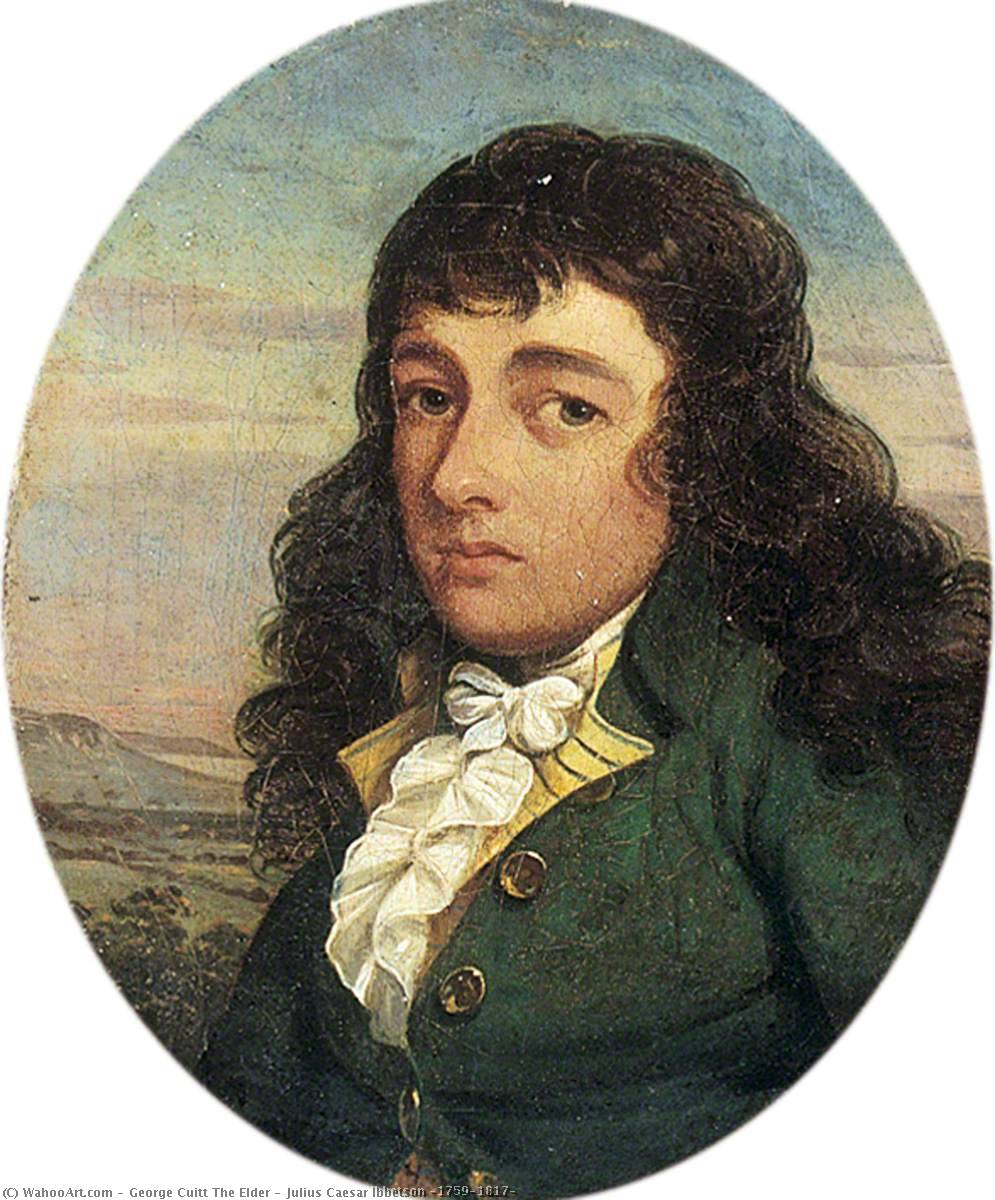
 プレビュー
プレビュー
 シェアする
シェアする シェアする
シェアする
 詳細を見る
詳細を見る

 ダウンロード
 似ている作品
 X線調査
X線調査 スライドショー
 統計情報
統計情報Julius Caesar Ibbetson (1759–1817)
 1777
1777 24.0 x 19.0 cm
 Temple Newsam House
 詳細を見る
詳細を見る
オンラインプレビューをはるかに凌ぐ、高解像度で鮮明なデジタル画像をご購入いただけます。
各ファイルは、社内の専門家が高度なツールと熟練した手作業によるレタッチを用いて、細心の注意を払って準備されています。すべての画像において、卓越した鮮明度、正確な色彩再現性、そして繊細なディテールを保証いたします。
最終ファイルは、プロフェッショナルな編集・印刷環境ですぐにご利用いただけるよう最適化された状態で、72時間以内にメールにてお届けいたします。これは、一流のデザインスタジオ、出版社、ギャラリーから信頼されているものと同等の品質です。
デジタルアート
個人での鑑賞、印刷、クリエイティブなプロジェクト用に、高解像度ファイルをダウンロードできます。 ( プリント版に切り替え 手描きの絵画を購入)
デジタル画像のご注文に付随する特典
高品質なデジタル画像配信を、確かな品質で。
ArtsDot.com を選ぶことは、単に画像を手に入れることではありません。それは、プロの手によって精密に仕上げられ、満足保証が付いた高品質なデジタルアートワークを受け取ることを意味します。ご注文いただいた際に自動的に付随する内容は、以下の通りです:

メールですぐにお届け
ご注文から72時間以内に、高解像度のデジタル画像ファイルがメールでお手元に届きます。すぐにそのままご利用いただけます。

AI技術で最適化されたデジタルファイル
お客様の作品は、高度なAIツールと専門家による手作業の編集を組み合わせてプロフェッショナルに最適化されており、細部のディテール、鮮明さ、そして正確な色再現性を最大限に引き出しています。

一生涯無料の再送サービス
ファイルを誤って削除したり、紛失してしまったりしましたか?ご安心ください。いつでも無料で再送いたします。

輸入手数料は一切かかりません
関税や手数料、配送料を気にすることなく、お気に入りのアートワークをすぐにお楽しみいただけます。デジタルダウンロードは常に免税です。

色彩再現の保証
プロ仕様のツールとカラーマネジメント技術を用いることで、デジタル画像が元の色を最大限に忠実に再現することを保証いたします。

100日間満足保証
ご購入いただいたデジタル画像にご満足いただけない場合は、100日以内であれば、理由を問わず修正または100%の返金対応をさせていただきます。

100% 返金保証
ご満足いただけない場合は、デジタルファイルを受け取ってから100日以内であれば、理由を問わず全額返金いたします。

まとめ買い割引
3枚購入で10%OFF - 5枚購入で15%OFF - 10枚以上購入で20%OFF。クリエイティブなプロジェクト、ギャラリー、エージェンシーに最適です。
関連作品









作家の略歴
The Visionary of Yorkshire: The Life and Art of George Cuitt the Elder
In the rolling, mist-shrouded landscapes of North Yorkshire, a profound artistic legacy was forged during the twilight of the eighteenth century. George Cuitt the Elder (1743–1818) emerged not merely as a painter of scenery, but as a chronicler of the sublime. Born in the quiet village of Moulton, near Richmond, his early life was shaped by the disciplined hands of his father, a builder, whose profession perhaps instilled in the young Cuitt an appreciation for structure and form. This foundational connection to the physical world would later manifest in his ability to render the architectural grandeur of both man-made estates and the rugged natural terrain of England with unparalleled precision.
The trajectory of Cuitt’s life shifted dramatically through the benevolence of Sir Lawrence Dundas, a patron whose support provided the young artist with a transformative scholarship to Italy. Between 1769 and 1775, Rome became Cuitt's greatest classroom. Immersed in the vibrant classical atmosphere of the Italian art academies, he did not merely study technique; he absorbed the very soul of the Old Masters. The dramatic interplay of light and shadow—the chiaroscuro perfected by Caravaggio—and the psychological depth found in the works of Rembrandt became the pillars of his developing style. It was during this period that Cuitt began to bridge the gap between formal portraiture and the burgeoning Romantic interest in landscape, a transition that would define his mature oeuvre.
A Mastery of Light and Landscape
Upon his return to England in 1775, Cuitt brought with him a sophisticated European sensibility that set him apart from many of his contemporaries. While he continued to satisfy the demands of portraiture—notably immortalizing the Dundas family—his heart resided in the landscape. His work began to capture the atmospheric nuances of the Yorkshire coast and the serene valleys of his homeland, imbuing them with a sense of wonder and exploration. His paintings often reflected the spirit of the age, echoing the voyages of Captain Cook and the wider British fascination with the discovery of new horizons.
The technical execution of his work was characterized by a remarkable ability to balance meticulous detail with an evocative, almost ethereal, finish. Whether he was depicting the stately elegance of Marske Hall or the rugged beauty of the Yorkshire cliffs, Cuitt utilized light as a narrative tool. His landscapes were never static; they breathed with the movement of clouds and the shifting temperament of the weather. This ability to capture the ephemeral qualities of nature allowed him to contribute significantly to the development of the Romantic landscape tradition in Britain, paving the way for future generations to explore the emotional resonance of the natural world.
Legacy and Historical Significance
Though frequent bouts of illness eventually tethered him to his native Yorkshire and prevented a permanent residence in the bustling art circles of London, Cuitt’s influence remained undiminished. His contributions to the Royal Academy, including notable works such as The Infant Jupiter fed with goat's milk and honey, demonstrated a versatility that spanned from mythological subject matter to topographical accuracy. His career serves as a vital link between the classical traditions of the mid-eighteenth century and the emotive, wilder landscapes of the nineteenth century.
The historical significance of George Cuitt the Elder lies in his role as a bridge between eras. He took the rigorous training of the Italian academies and applied it to the rugged, local identity of the British landscape. His life remains a testament to the power of patronage and the enduring impact of a single artist's vision:
- Artistic Synthesis: The seamless blending of Italian classical technique with English Romantic sentiment.
- Regional Documentation: Providing a visual record of the Yorkshire landscape and its significant estates during a period of great change.
- Generational Influence: Establishing a foundation for his son, George Cuitt the Younger, to further explore the intricacies of etching and landscape art.
george cuitt the elder
1743 - 1818
プロフィール概要
- Artistic Movement Or Style: Romanticism
- Artists Or Movements Influenced By This Artist: ['Romanticism']
- Artists Who Influenced This Artist: ['Sir Lawrence Dundas']
- Date Of Death: 1818
- Full Name: George Cuitt the Elder
- Nationality: British
- Notable Artworks: ["The Infant Jupiter fed with goat's milk and honey"]
- Place Of Birth: Moulton, Yorkshire