

 プレビュー
プレビュー
 シェアする
シェアする シェアする
シェアする
 詳細を見る
詳細を見る

 ダウンロード
 似ている作品
 X線調査
X線調査 スライドショー
 統計情報
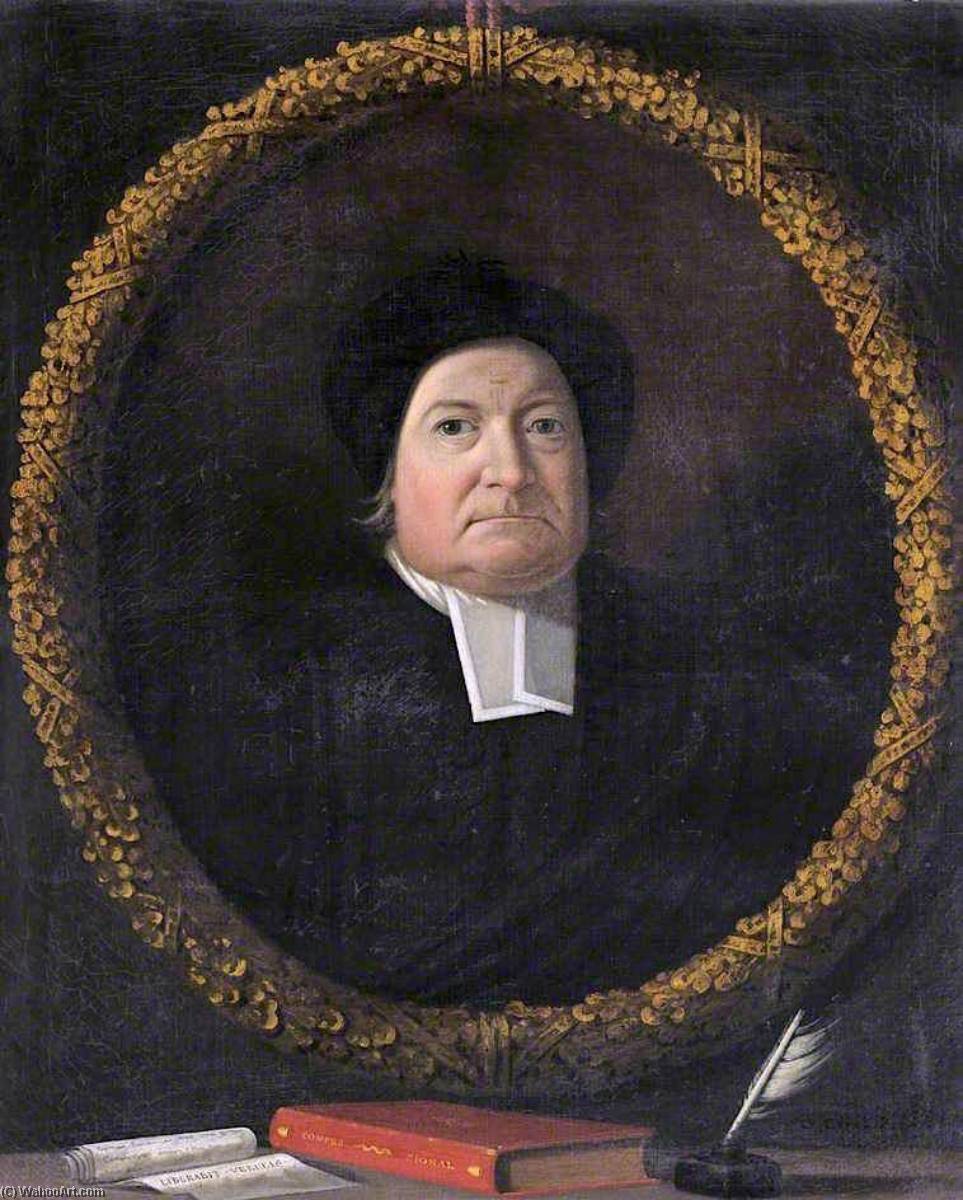
統計情報Francis Blackburne, Conduct Fellow
 1777
1777 91.0 x 76.0 cm
 University of Cambridge Museums
 詳細を見る
詳細を見る
手描き油彩複製画
当社のアーティストが、お客様のご希望のサイズと額縁に合わせて、キャンバスに手描きで制作する油彩画です。 ( プリント版に切り替え デジタル画像販売へ切り替え)




































標準サイズ
オーダーメイド
CM
INCH
作品のオリジナル比率に合わせた、当店の規定サイズからお選びください。
Loading sizes...

幅
高さ
特定のフレームやスペースに合わせて、ご希望のサイズをご入力いただけます。選択されたサイズが元の画像の比率と異なる場合、アートワークをトリミングするか、手描きで要素を追加して絵画を拡張いたします。デジタルモックアップ を制作し、制作開始前にご確認(承認)をいただきます。
画面上のプレビューは、実際のトリミングや拡張を正確に反映しているものではありません。最終的な構図は、モックアップによってのみ正確にご確認いただけます。
カスタムサイズもご利用いただけますが、元の比率を維持するためには、あらかじめ用意されたリストからサイズを選択することをお勧めいたします。
カスタマイズの例:顔をお客様の写真に置き換える、ペットを追加する(例:猫を犬に変更)、背景に隠れたメッセージを入れる、背景の風景や要素を変更するなど。
ご注文後、ArtsDot.com チームより詳細な指示をお送りするとともに、仕上がりイメージ(モックアップ)をご提供いたします。
ご注文後、ArtsDot.com チームより詳細な指示をお送りするとともに、仕上がりイメージ(モックアップ)をご提供いたします。


 ガラスオプションは、110cm未満のサイズでのみご利用いただけます。

Francis Blackburne, Conduct Fellow
複製技法
複製画のサイズ
-


合計金額
$ 263
The Francis Blackburne, Conduct Fellow painting by George Curt The Elder is a masterpiece that showcases the artist's skill in capturing the essence of his subject. Created in 1777, this oil on canvas painting measures 91 x 76 cm and is currently housed at the University of Cambridge in Cambridge, United Kingdom.
The Francis Blackburne, Conduct Fellow painting by George Curt The Elder is a testament to the artist's skill and attention to detail. As a handmade oil painting reproduction available on https://ArtsDot.com, it offers art enthusiasts and collectors the opportunity to own a piece of history. With its rich colors and intricate details, this painting is sure to be a valuable addition to any art collection.
The Artist and His Work
George Curt The Elder was a renowned artist known for his portraits, which often featured prominent figures of his time. The Francis Blackburne, Conduct Fellow painting is one of his notable works, demonstrating his ability to convey the character and personality of his subject through subtle expressions and poses. To learn more about the artist and his other works, visit https://ArtsDot.com and explore the extensive collection of handmade oil paintings reproductions.The Painting's Significance
The Francis Blackburne, Conduct Fellow painting is not only a remarkable example of George Curt The Elder's skill but also a valuable piece of history. It provides insight into the life and times of Francis Blackburne, a notable figure in the 18th century. The painting's attention to detail, from the subject's attire to the books and quill pen on the table, adds to its historical significance. For more information on the painting and its context, visit /en/art/show/art-aqzp46-en/ Key Features of the Painting:- The subject's stern expression, which conveys a sense of authority and intelligence
- The intricate details of the subject's attire, including the wig and white collar
- The books and quill pen on the table, which symbolize the subject's intellectual pursuits
The Francis Blackburne, Conduct Fellow painting by George Curt The Elder is a testament to the artist's skill and attention to detail. As a handmade oil painting reproduction available on https://ArtsDot.com, it offers art enthusiasts and collectors the opportunity to own a piece of history. With its rich colors and intricate details, this painting is sure to be a valuable addition to any art collection.
関連作品








アーティストの略歴
Early Life and Artistic Foundations
George Cuitt the Elder, born in the quaint Yorkshire village of Moulton in 1743, possessed a natural inclination towards artistic expression from a young age. This early talent did not go unnoticed; Sir Lawrence Dundas, recognizing the budding artist’s potential, generously sponsored Cuitt's education in Italy. For six formative years, Cuitt immersed himself in the vibrant art scene of Rome, diligently honing his skills and absorbing the classical traditions that would profoundly shape his aesthetic sensibilities. While initially focused on portraiture, it was landscape painting that truly captured his imagination, resonating with a deeper personal connection to the natural world. This period laid the groundwork for a career defined by meticulous detail, harmonious compositions, and an evocative portrayal of both human subjects and the English countryside.A Career Blossoming: Portraits and Landscapes
Upon returning to England in 1775, Cuitt quickly established himself within the artistic community, exhibiting his work at the prestigious Royal Academy in 1776 with *The Infant Jupiter fed with goat's milk and honey*. This early success signaled a promising trajectory. Throughout the late 18th century, he consistently presented both portraits and landscapes, demonstrating versatility and technical mastery. However, frequent bouts of low fever compelled him to seek refuge from the bustling London art world, leading him to settle in Richmond, Yorkshire. It was here, amidst the serene beauty of his surroundings, that Cuitt truly flourished. The local gentry eagerly commissioned him to paint their estates—grand homes nestled within picturesque parks and gardens—providing a steady stream of work and allowing him to fully indulge his passion for capturing the essence of the English landscape.Style and Technique: A Master of Realism
Cuitt’s artistic style is characterized by an exquisite attention to detail, particularly evident in his portraits which are known for their elaborately finished surfaces despite being executed with relatively thin layers of paint. This meticulous approach reflects a dedication to capturing not merely likeness but also the personality and social standing of his sitters. His landscapes, especially those from his earlier period, reveal a remarkable ability to convey both technical skill and emotional depth. He wasn’t simply recording scenes; he was interpreting them through a lens of personal feeling, imbuing his work with a sense of harmony and tranquility. While often categorized within the broader scope of 18th-century British art, Cuitt's paintings stand out for their refined execution and subtle emotional resonance—qualities that align him closely with the principles of American Realism, despite his primarily British focus.Legacy and Historical Significance
George Cuitt the Elder’s contribution to 18th-century art lies in his ability to seamlessly blend portraiture and landscape painting, creating works that offer a compelling glimpse into the lives and surroundings of the English gentry. His paintings are not merely decorative; they serve as historical documents, preserving images of stately homes like Marske Hall and Kedleston Hall, alongside portraits of prominent figures such as Francis Blackburne. His son, George Cuitt the Younger, also followed in his artistic footsteps, continuing the family tradition. While perhaps not a household name today, Cuitt’s work remains highly valued for its technical brilliance, historical significance, and evocative portrayal of a bygone era—a testament to a life dedicated to capturing beauty and preserving it on canvas. His paintings offer a window into the aesthetic values and social structures of 18th-century England, solidifying his place as a significant figure in British artistic history.
基本情報
- Artistic Movement Or Style: American Realism
- Date Of Birth: 1743
- Date Of Death: 1818
- Full Name: George Cuitt the Elder
- Nationality: British
- Notable Artworks:
- Kedleston Hall from the North
- Marske Hall, Yorkshire
- Francis Blackburne portrait
- Place Of Birth: Moulton, England