

 プレビュー
プレビュー
 プリントを購入
 シェアする
シェアする シェアする
シェアする
 詳細を見る
詳細を見る

 ダウンロード
 似ている作品
 X線調査
X線調査 スライドショー
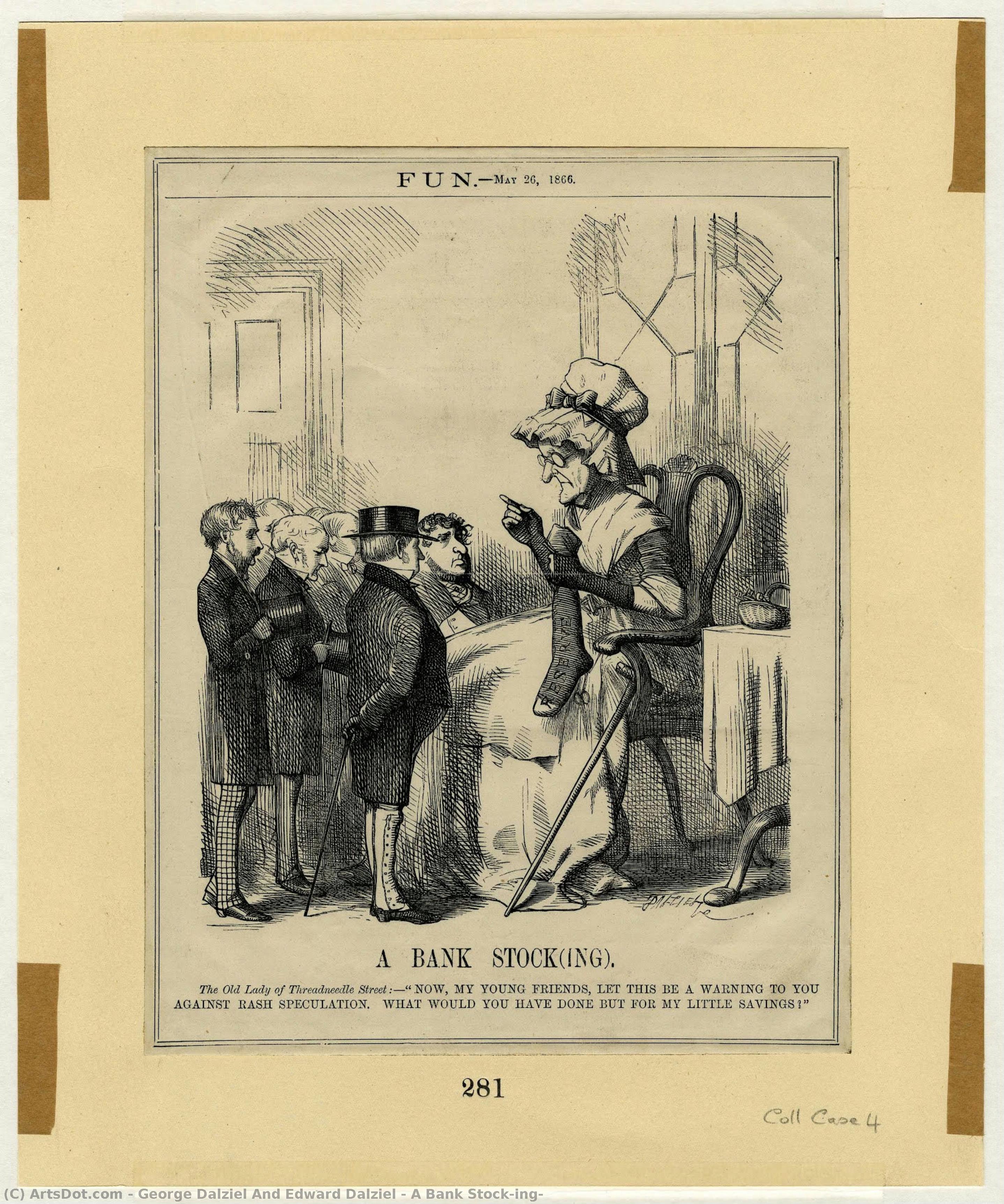
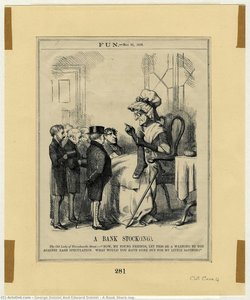
A Bank Stock(ing)
 Engraving
- Realism
 1866
1866- 19th Century
 26.0 x 32.0 cm
 Bank of England Museum
 詳細を見る
詳細を見る
オンラインプレビューをはるかに凌ぐ、高解像度で鮮明なデジタル画像をご購入いただけます。
各ファイルは、社内の専門家が高度なツールと熟練した手作業によるレタッチを用いて、細心の注意を払って準備されています。すべての画像において、卓越した鮮明度、正確な色彩再現性、そして繊細なディテールを保証いたします。
最終ファイルは、プロフェッショナルな編集・印刷環境ですぐにご利用いただけるよう最適化された状態で、72時間以内にメールにてお届けいたします。これは、一流のデザインスタジオ、出版社、ギャラリーから信頼されているものと同等の品質です。
デジタル画像のご注文に付随する特典
高品質なデジタル画像配信を、確かな品質で。
ArtsDot.com を選ぶことは、単に画像を手に入れることではありません。それは、プロの手によって精密に仕上げられ、満足保証が付いた高品質なデジタルアートワークを受け取ることを意味します。ご注文いただいた際に自動的に付随する内容は、以下の通りです:

メールですぐにお届け
ご注文から72時間以内に、高解像度のデジタル画像ファイルがメールでお手元に届きます。すぐにそのままご利用いただけます。

AI技術で最適化されたデジタルファイル
お客様の作品は、高度なAIツールと専門家による手作業の編集を組み合わせてプロフェッショナルに最適化されており、細部のディテール、鮮明さ、そして正確な色再現性を最大限に引き出しています。

一生涯無料の再送サービス
ファイルを誤って削除したり、紛失してしまったりしましたか?ご安心ください。いつでも無料で再送いたします。

輸入手数料は一切かかりません
関税や手数料、配送料を気にすることなく、お気に入りのアートワークをすぐにお楽しみいただけます。デジタルダウンロードは常に免税です。

色彩再現の保証
プロ仕様のツールとカラーマネジメント技術を用いることで、デジタル画像が元の色を最大限に忠実に再現することを保証いたします。

60日間満足保証
ご購入いただいたデジタル画像にご満足いただけない場合は、60日以内であれば、修正または100%の返金(理由を問う必要はありません)をさせていただきます。

100% 返金保証
ご満足いただけない場合は、デジタルファイルを受け取ってから60日以内であれば、理由を問わず全額返金いたします。

まとめ買い割引
3枚購入で10%OFF - 5枚購入で15%OFF - 10枚以上購入で20%OFF。クリエイティブなプロジェクト、ギャラリー、エージェンシーに最適です。
A Glimpse into Victorian Commerce
In the quiet, focused atmosphere of an mid-Victorian office, A Bank Stock(ing) captures a profound moment of professional gravity. Created in 1866 by the master engravers George and Edward Dalziel, this evocative work transports the viewer back to an era defined by the burgeoning power of financial institutions and the meticulous rituals of business. The scene unfolds around a central table, where a group of gentlemen, clad in the formal suits and ties of the period, are gathered in deep consultation. There is a palpable sense of weight in their postures; one man stands poised as if delivering news of significant consequence, while his seated colleagues lean in, their expressions caught in that delicate tension between calculation and anticipation. The composition masterfully utilizes the stark contrasts of light and shadow to direct the eye toward the center of this professional drama, creating an intimate window into a world of ledger books, high stakes, and the silent negotiations that shaped the economic landscape of nineteenth-century Britain.
The technical brilliance of this piece lies in the legacy of the Dalziel Brothers, titans of the wood engraving movement. While the provided image presents as a black and white print, it carries the unmistakable DNA of their sculptural approach to line and tone. The brothers were renowned for their ability to translate complex textures—the heavy wool of a frock coat, the polished surface of a wooden desk, and the subtle play of light on paper—into a medium that felt almost three-dimensional. This mastery of detail allows the viewer to feel the atmosphere of the room, from the stillness of the air to the concentrated energy of the men involved. For the collector or interior designer, this technique offers a sophisticated depth that transcends simple illustration, providing a piece that commands attention through its intricate linework and historical authenticity.
Beyond its mere depiction of a business meeting, the artwork serves as a symbolic study of Victorian social order and the rise of the professional class. The arrangement of the figures suggests a hierarchy of influence, where every gesture and glance contributes to the narrative of institutional stability. There is an emotional resonance found in the shared focus of the group; it is a celebration of collaboration and the serious pursuit of prosperity. For those looking to adorn a study, a library, or a formal executive suite, A Bank Stock(ing) offers more than just decoration. It provides a conversation piece that evokes a sense of heritage, intellectual rigor, and the timeless importance of human connection within the structures of society. Owning a reproduction of such a significant era allows one to bring a fragment of history’s most industrious period into the modern living space.
関連作品




作家の略歴
The Masters of the Wood Engraving Revolution
In the heart of the Victorian era, a period defined by rapid industrial expansion and a burgeoning appetite for visual storytelling, the names George Dalziel and Edward Dalziel emerged as titans of the graphic arts. Operating from their workshop established in 1839, these brothers did not merely print images; they revolutionized the very fabric of book production and periodical illustration. Their craft, wood engraving, allowed for a level of intricate detail and tonal depth that transformed the printed page into a window of profound texture and light. Born in Wooler, Northumberland, the sons of the artist Alexander Dalziel, the brothers carried a hereditary passion for precision into the bustling streets of London, where they would eventually shape the visual consciousness of an entire generation.
The creative synergy between George and Edward was rooted in a unique blend of technical innovation and sculptural sensibility. George, whose early fascination with the nascent medium of photography instilled in him a keen eye for subtle tonal gradations, brought a photographic realism to the engraver's block. Edward, conversely, possessed an innate talent for drawing and etching that infused their collaborative works with a sense of form and physical presence. Together, they mastered the art of translating complex textures—the heavy weave of a frock coat, the polished sheen of mahogany, or the delicate translucency of skin—into the stark, monochromatic language of woodcut. This ability to breathe three-dimensional life into two-dimensional surfaces made their workshop the premier destination for the most celebrated illustrators of the age.
A Collaborative Legacy and Pre-Raphaelite Influence
The Dalziel brothers functioned as much more than mere technicians; they were vital collaborators within a vibrant artistic ecosystem. Their studio became a crucible where the designs of the era's greatest masters were translated into accessible, mass-produced beauty. They worked intimately with the luminaries of the Pre-Raphaelite movement, absorbing the aesthetic values of artists such as William Holman Hunt and John Everett Millais. From these masters, they learned to appreciate the importance of luminous detail and an idealized, almost spiritual, depiction of nature. This influence is palpable in their engravings, where every line serves to heighten the emotional resonance of the original composition.
Their prolific output spanned a breathtaking array of subjects and collaborators, including:
- Literary Icons: They were instrumental in bringing the worlds of Lewis Carroll and Charles Dickens to life, notably cutting the illustrations for the legendary Alice in Wonderland.
- Fine Artists: Their workshop received commissions from masters such as Dante Gabriel Rossetti, James McNeill Whistler, and Richard Doyle, ensuring that high art reached the hands of the reading public.
- Periodicals and Books: From architectural monographs to humorous magazines like Fun, their work provided the visual heartbeat for much of Victorian print culture.
Historical Significance and the End of an Era
The historical significance of the Dalziel brothers lies in their role as the bridge between traditional craftsmanship and the modern age of mass media. Before the advent of photo-mechanical processes in the late nineteenth century, they stood at the pinnacle of their trade, representing the absolute zenith of what could be achieved through manual engraving. Their work captured the very essence of Victorian life—the gravity of commerce, the whimsy of nonsense literature, and the meticulous rituals of a society in transition. Even as technology began to shift toward more automated methods, the legacy of their sculptural approach to line and tone remained an indelible mark on the history of British graphic arts.
Today, the works of George and Edward Dalziel are preserved in prestigious institutions like the Victoria and Albert Museum, serving as a testament to a period when the engraver's tool was as vital to the cultural landscape as the writer's pen. They did not simply reproduce images; they interpreted the soul of the Victorian era, leaving behind a visual record that continues to command admiration for its technical brilliance and historical authenticity.
george dalziel and edward dalziel
United Kingdom
プロフィール概要
- Artistic Movement Or Style: Victorian Wood Engravings
- Artists Or Movements Influenced By This Artist: ['James McNeill Whistler']
- Artists Who Influenced This Artist:
- Arthur Boyd Houghton
- Richard Doyle
- Date Of Death: Living
- Full Name: George Dalziel and Edward Dalziel
- Nationality: British
- Notable Artworks:
- A Bank Stock(ing)
- St George's Chapel
- Place Of Birth: Wooler, United Kingdom

