

 プレビュー
プレビュー
 プリントを購入
 シェアする
シェアする シェアする
シェアする
 詳細を見る
詳細を見る

 ダウンロード
 似ている作品
 X線調査
X線調査 スライドショー
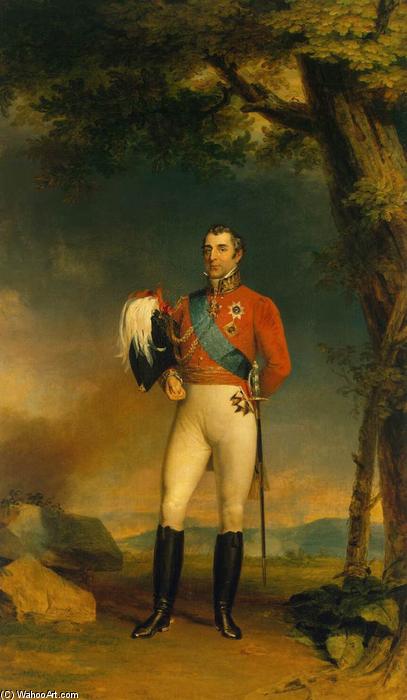
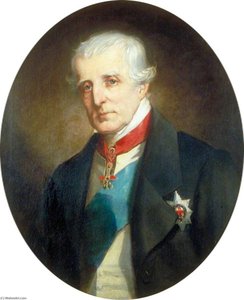
Portrait of Duke of Wellington
 Oil On Canvas
- WallArt
- Romanticism
 1829
1829- 19th Century
 317.0 x 185.0 cm
 エルミタージュ美術館
 詳細を見る
詳細を見る




P118B $10

P118H $10

P118W $10

P438Z $10

P508JH $12

P508YH $12

P805H $10

P805Z $10

P919BZ $10

P919G $10

P919XJ $10

P959ZH $10

P968JZ $12

W106C $8

W218G $10

W218JH $8

W218Y $10

W307PJ $10

W316G $10

W316PJ $8

W316Y $10

W398PJ $8

W4111J $10

W500HY $15

W500JH $15

W692G $12

W849H $8

W940BG $15

W953PJ $8




作品のオリジナル比率に合わせた、当店の規定サイズからお選びください。

特定のフレームやスペースに合わせて、ご希望のサイズをご入力いただけます。選択されたサイズが元の画像の比率と異なる場合、アートワークをトリミングするか、手描きで要素を追加して絵画を拡張いたします。デジタルモックアップ を制作し、制作開始前にご確認(承認)をいただきます。
画面上のプレビューは、実際のトリミングや拡張を正確に反映しているものではありません。最終的な構図は、モックアップによってのみ正確にご確認いただけます。
カスタムサイズもご利用いただけますが、元の比率を維持するためには、あらかじめ用意されたリストからサイズを選択することをお勧めいたします。
ご注文後、ArtsDot.com チームより詳細な指示をお送りするとともに、仕上がりイメージ(モックアップ)をご提供いたします。


 ガラスオプションは、110cm未満のサイズでのみご利用いただけます。

Portrait of Duke of Wellington
複製技法
複製画のサイズ
-


合計金額
$ 263
A Vision of Napoleonic Grandeur: The Portrait of Duke of Wellington
To gaze upon this magnificent portrait is to step directly into the charged atmosphere of early 19th-century British aristocracy and military might. George Dawe’s depiction of the Duke of Wellington transcends a mere likeness; it is a carefully constructed tableau vivant, capturing not just the man in uniform, but the very spirit of an era defined by martial glory and enduring national character. The subject stands poised against a backdrop that speaks of both cultivated nature and untamed wilderness—a picturesque setting that mirrors the complex duality of heroism itself.
Technique and Compositional Mastery
Dawe employs a rich, academic style characteristic of early Romantic portraiture, yet infused with a palpable sense of immediacy. Observe the meticulous detail in the Duke’s uniform; the vibrant red jacket, trimmed with crisp white accents, speaks volumes about his station and the formality of the occasion. The artist has mastered the interplay between the rigid structure of military dress and the organic flow of the natural elements surrounding him. Notice the inclusion of the two birds—one subtly placed in the upper left quadrant and another anchoring the lower right. These avian details are not mere filler; they act as delicate visual counterpoints to the Duke’s steadfast bearing, lending a touch of ephemeral grace to an otherwise monumental figure.
Symbolism Woven into the Landscape
The setting itself is deeply symbolic. The background, featuring rolling mountains and mature trees, evokes the grand sweep of history against which Wellington's achievements were forged. In art history, such natural backdrops often serve as metaphors for enduring virtue or the passage of time. Furthermore, the sword held at his side is the ultimate symbol of duty and martial readiness, while the hat he appears to hold suggests a moment paused—a breath taken between campaigns. These elements combine to create an emotional resonance: the weight of command tempered by the serenity of nature.
Historical Resonance and Enduring Appeal
Painted in 1829, this work captures Wellington at a pivotal juncture following his most defining military successes. For the collector or designer, owning a reproduction of this piece is acquiring more than just decoration; it is an investment in narrative. It speaks to themes of steadfast leadership, national pride, and the romantic ideal of the warrior-statesman. The depth achieved by Dawe allows the viewer to feel the gravity of history while appreciating the exquisite craftsmanship that has preserved this vision for us today.
関連作品

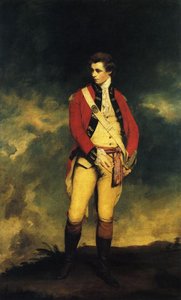
関連記事

19th Century Masterpieces: 10 Paintings That Defined an Era | ArtsDot
Journey through 19th century art with ArtsDot! Explore 10 iconic paintings – from Monet & Renoir to Courbet – and discover the stories behind Romanticism, Realism & Impressionism. Find museum-quality reproductions for your home decor. Explore the full collection online!
大英博物館の至宝25選:歴史と芸術が織りなす感動の旅 | ArtsDot
大英博物館の至宝25選:歴史を彩る絵画、彫刻の世界へ。印象派から古代美術まで、名作の背景と芸術家の情熱に迫ります。ArtsDotで高品質なアート複製やインテリアをお楽しみください。オンラインで全コレクションをご覧ください。
Marianne North's Masterpieces: 25 Botanical Paintings That Bloom With Adventure | ArtsDot
Journey through the vibrant world of Marianne North’s botanical paintings! Explore 25 iconic artworks from this Victorian artist, celebrating exotic flora & travel. Find museum-quality reproductions and curated decor ideas at ArtsDot.com.
Eugène Lami: A Study in Academic Eclecticism & the Rise of 19th-Century Decorative Art
Explore the captivating world of Eugène Lami, a pivotal 19th-century French painter. Discover his eclectic style blending Romanticism & Academic traditions in history, fashion, and literary illustrations. Learn about his legacy today!

Walter Crane: Aestheticism, Socialism & the Evolution of British Decorative Art
Explore the life & work of Walter Crane, a pivotal figure in Aestheticism & the Arts & Crafts movement. Discover his socialist ideals, stunning illustrations, and lasting impact on British art & design.

