

 プレビュー
プレビュー
 プリントを購入
 シェアする
シェアする シェアする
シェアする
 詳細を見る
詳細を見る

 ダウンロード
 似ている作品
 X線調査
X線調査 スライドショー
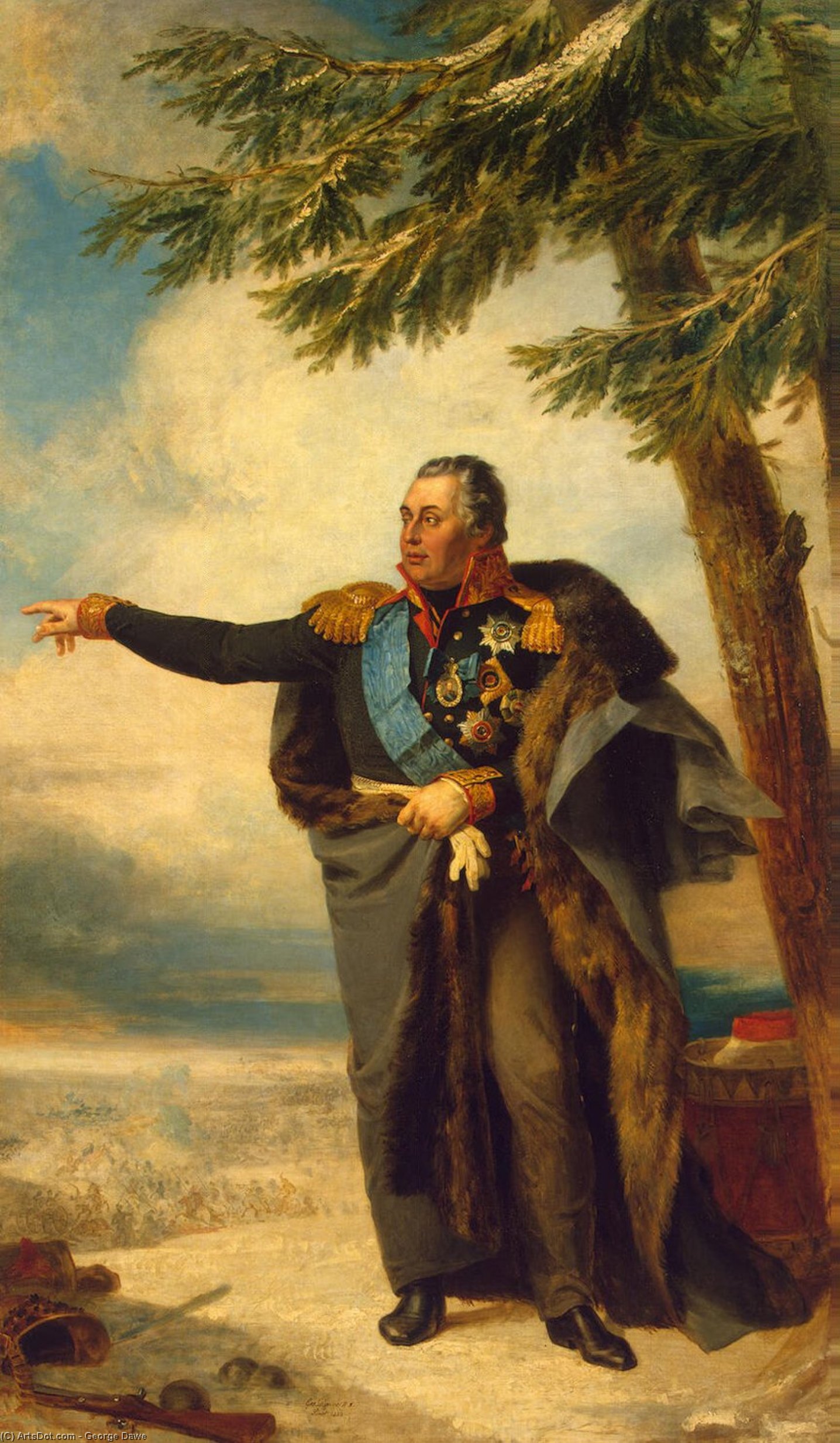
Portrait of Mikhail Kutuzov
 Acrylic On Canvas
- WallArt
- Romantic Surrealism
 1829
1829 361.0 x 258.0 cm
 エルミタージュ美術館
 詳細を見る
詳細を見る
オンラインプレビューをはるかに凌ぐ、高解像度で鮮明なデジタル画像をご購入いただけます。
各ファイルは、社内の専門家が高度なツールと熟練した手作業によるレタッチを用いて、細心の注意を払って準備されています。すべての画像において、卓越した鮮明度、正確な色彩再現性、そして繊細なディテールを保証いたします。
最終ファイルは、プロフェッショナルな編集・印刷環境ですぐにご利用いただけるよう最適化された状態で、72時間以内にメールにてお届けいたします。これは、一流のデザインスタジオ、出版社、ギャラリーから信頼されているものと同等の品質です。
デジタル画像のご注文に付随する特典
高品質なデジタル画像配信を、確かな品質で。
ArtsDot.com を選ぶことは、単に画像を手に入れることではありません。それは、プロの手によって精密に仕上げられ、満足保証が付いた高品質なデジタルアートワークを受け取ることを意味します。ご注文いただいた際に自動的に付随する内容は、以下の通りです:

メールですぐにお届け
ご注文から72時間以内に、高解像度のデジタル画像ファイルがメールでお手元に届きます。すぐにそのままご利用いただけます。

AI技術で最適化されたデジタルファイル
お客様の作品は、高度なAIツールと専門家による手作業の編集を組み合わせてプロフェッショナルに最適化されており、細部のディテール、鮮明さ、そして正確な色再現性を最大限に引き出しています。

一生涯無料の再送サービス
ファイルを誤って削除したり、紛失してしまったりしましたか?ご安心ください。いつでも無料で再送いたします。

輸入手数料は一切かかりません
関税や手数料、配送料を気にすることなく、お気に入りのアートワークをすぐにお楽しみいただけます。デジタルダウンロードは常に免税です。

色彩再現の保証
プロ仕様のツールとカラーマネジメント技術を用いることで、デジタル画像が元の色を最大限に忠実に再現することを保証いたします。

60日間満足保証
ご購入いただいたデジタル画像にご満足いただけない場合は、60日以内であれば、修正または100%の返金(理由を問う必要はありません)をさせていただきます。

100% 返金保証
ご満足いただけない場合は、デジタルファイルを受け取ってから60日以内であれば、理由を問わず全額返金いたします。

まとめ買い割引
3枚購入で10%OFF - 5枚購入で15%OFF - 10枚以上購入で20%OFF。クリエイティブなプロジェクト、ギャラリー、エージェンシーに最適です。
作品の詳細
A Vision of Darkness: Exploring George Dawe’s Portrait of Mikhail Kutuzov
George Dawe's "Portrait of General Pyotr Bagration" stands as a testament to Romantic artistic sensibilities, capturing the heroic spirit of Russia’s military past with remarkable precision. However, it is Dawe’s lesser-known work, “Portrait of Mikhail Kutuzov,” which truly resonates with an unsettling beauty and delves into the complexities of human psychology—a fascination that mirrored the broader artistic currents of its time. Completed in 1829, this monumental canvas transcends mere likeness; it aspires to convey a profound emotional state, reflecting the anxieties and uncertainties inherent in the Napoleonic era.Subject Matter and Composition
The portrait depicts Mikhail Kutuzov, the revered commander who steered Russia through Napoleon’s invasion, presenting him not as a triumphant warrior but as a figure consumed by contemplation. Dawe skillfully captures Kutuzov's gaze—directed outwards yet simultaneously inward—suggesting an awareness of both external threats and internal struggles. The positioning of Kutuzov is deliberately asymmetrical, emphasizing his solitude and conveying a sense of vulnerability amidst the grandeur of the surrounding landscape. A pine tree dominates the background, symbolizing resilience and endurance – qualities attributed to Kutuzov himself as he faced the daunting challenges posed by Napoleon’s armies. Two dogs flank Kutuzov, adding an element of domestic tranquility that subtly contrasts with the seriousness of his expression. Their presence speaks to loyalty and companionship, hinting at a deeper psychological portrait beyond mere physical appearance.Style and Technique
Dawe's style exemplifies Romanticism’s preoccupation with emotion and imagination. He employs chiaroscuro—the dramatic interplay of light and shadow—to sculpt Kutuzov’s form and imbue the painting with an atmosphere of palpable tension. The artist meticulously renders textures, from the rough fabric of Kutuzov’s uniform to the bark of the pine tree, demonstrating a mastery of artistic technique that elevates the portrait beyond a simple depiction of reality. Dawe's brushstrokes are loose and expressive, conveying movement and capturing the subtle nuances of Kutuzov’s psychological state—a deliberate departure from Neoclassical conventions which favored idealized representations.Historical Context and Symbolism
Painted during Napoleon’s reign, “Portrait of Mikhail Kutuzov” reflects the anxieties of a nation grappling with existential peril. The Napoleonic Wars instilled fear and uncertainty throughout Europe, prompting artists to explore themes of heroism, duty, and moral fortitude. Dawe utilizes symbolism—the pine tree representing resilience—to reinforce these ideas, portraying Kutuzov as embodying unwavering resolve in the face of adversity. Furthermore, the inclusion of dogs symbolizes loyalty and steadfastness – virtues considered essential for leadership during turbulent times.Emotional Impact
Ultimately, “Portrait of Mikhail Kutuzov” succeeds in capturing a profound emotional resonance. It’s not merely a portrait; it's an exploration of inner turmoil—a glimpse into the mind of a man burdened by responsibility yet haunted by doubt. Dawe’s masterful use of light and shadow creates a dramatic visual experience that compels viewers to confront uncomfortable truths about human nature. The painting lingers in the memory long after viewing, prompting contemplation on themes of courage, vulnerability, and the enduring power of inner reflection—a timeless testament to Dawe's artistic vision and Romantic sensibilities.関連作品
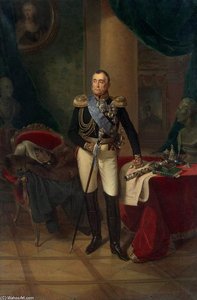
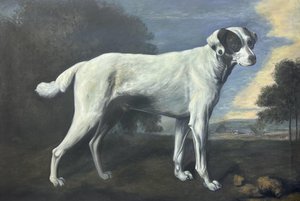
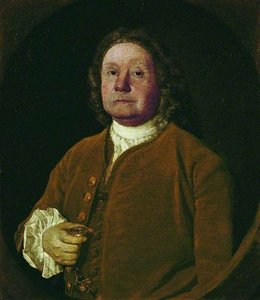
作家の略歴
Henry Fuseli: Weaver of Nightmares and Visions
Henry Fuseli, a name that conjures images of unsettling beauty and profound psychological depth, remains one of the most enigmatic figures in 18th-century art. Born Johann Heinrich Füssli in Zurich, Switzerland, on February 7, 1741, his life was marked by both artistic brilliance and personal turmoil, ultimately culminating in a legacy defined by his haunting depictions of dreams, nightmares, and the darker recesses of the human psyche. Fuseli’s work wasn't merely about creating visually arresting scenes; it was an attempt to translate the intangible world of the unconscious into tangible form – a daring endeavor that both captivated and disturbed his contemporaries.Early Life and Artistic Training
Fuseli’s early life was steeped in intellectual and artistic ferment. His father, a pastor, instilled in him a strong sense of morality and religious conviction, while his mother, a talented musician, nurtured his appreciation for the arts. Initially drawn to theology, Fuseli abandoned his ordained path after political upheaval forced him into exile in 1761. Seeking refuge and artistic development, he journeyed to Berlin, where he studied under Johann Christian Richter, a prominent portrait painter. However, it was his time in London that truly shaped his artistic trajectory. Arriving in 1764, Fuseli quickly gained recognition for his ability to capture dramatic emotion and theatricality, skills honed through his experience as a stage designer. He found a mentor in Sir Joshua Reynolds, the leading figure of the Royal Academy, who encouraged him to pursue painting seriously. This connection exposed Fuseli to the prevailing artistic ideals of the era – Neoclassicism – yet he resolutely resisted its rigid formality, forging instead a unique style characterized by intense emotion, dramatic lighting, and a fascination with the supernatural.The Rise of the Nightmare and Artistic Innovation
Fuseli’s breakthrough came in 1781 with *The Nightmare*, an oil painting that would forever cement his reputation as a master of the macabre. This arresting image – a woman seemingly trapped in a terrifying dream, beset by an incubus and a menacing horse – was unlike anything seen before in the Royal Academy exhibitions. The scene wasn’t simply a depiction of horror; it was a visceral exploration of the subconscious, tapping into anxieties about sexuality, mortality, and the unseen forces that lurked beneath the surface of consciousness. Critics were initially horrified by its overt sensuality and unsettling imagery, yet they were also undeniably fascinated. *The Nightmare* became an instant sensation, selling quickly and inspiring numerous engravings that disseminated its disturbing beauty throughout Europe. Fuseli followed this success with other works exploring similar themes – demonic visions, seductive spirits, and the blurred boundaries between reality and illusion. He deliberately avoided clear narratives or moralizing messages, instead focusing on evoking a sense of unease and psychological tension. His use of *chiaroscuro*, dramatic lighting that contrasts strong light and shadow, heightened this effect, creating an atmosphere of suspense and dread.Influences and Legacy
Fuseli’s artistic vision was profoundly influenced by several sources. The classical art he encountered during his time in Rome – particularly the works of Michelangelo – instilled in him a deep appreciation for anatomical accuracy and dramatic composition. However, he also drew inspiration from contemporary literature, folklore, and the burgeoning field of psychology. The writings of thinkers like Voltaire and Immanuel Kant, who questioned traditional religious beliefs and explored the nature of human consciousness, resonated with Fuseli’s own intellectual curiosity. Furthermore, his interest in Shakespearean drama—he illustrated several plays for John Boydell's gallery—provided him with a rich source of mythological and psychological material. Fuseli’s work anticipated many developments in 19th-century art and thought, particularly the rise of psychoanalysis. Sigmund Freud famously kept a reproduction of *The Nightmare* on his wall, recognizing its profound resonance with his theories about dreams and the unconscious. While often dismissed as merely sensationalist, Fuseli's paintings represent a pioneering attempt to visually explore the hidden depths of human experience—a legacy that continues to fascinate and disturb viewers today.Later Years and Death
In 1788, Fuseli was elected an associate of the Royal Academy, solidifying his position as a respected artist. He continued to paint prolifically throughout his life, producing portraits, historical scenes, and further explorations of nocturnal visions. He also served as professor of painting at the Royal Academy from 1799 to 1805 and again from 1810 to 1824. Despite his professional success, Fuseli struggled with personal difficulties, including financial problems and a troubled marriage. He died on April 16, 1825, in Putney Hill, London, leaving behind a body of work that remains both unsettlingly beautiful and profoundly insightful. His paintings continue to be studied for their psychological depth, dramatic composition, and enduring power to evoke the mysteries of the human mind.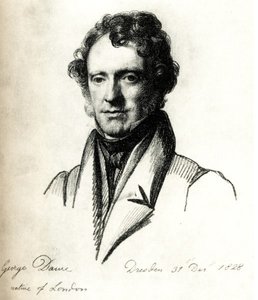
george dawe
1781 - 1829

