

 プレビュー
プレビュー
 プリントを購入
 シェアする
シェアする シェアする
シェアする
 詳細を見る
詳細を見る

 ダウンロード
 似ている作品
 X線調査
X線調査 スライドショー
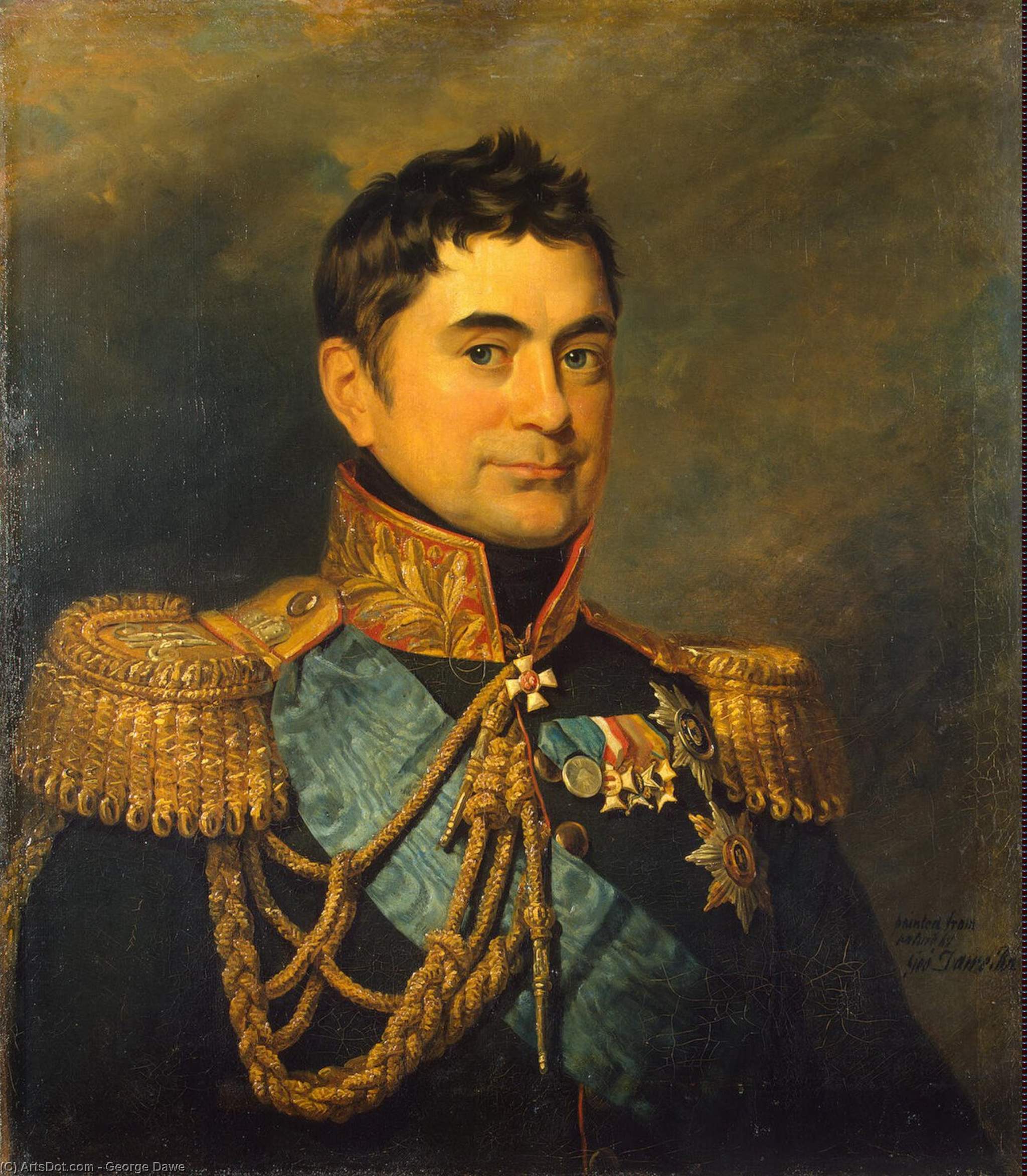
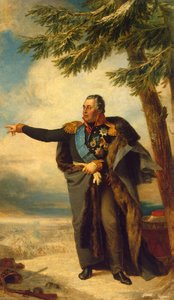
Portrait of Pyotr M. Volkonsky
 Acrylic On Canvas
- WallArt
- Neoclassicism
 1825
1825 70.0 x 63.0 cm
 エルミタージュ美術館
 詳細を見る
詳細を見る




P118B $10

P118H $10

P118W $10

P438Z $10

P508JH $12

P508YH $12

P805H $10

P805Z $10

P919BZ $10

P919G $10

P919XJ $10

P959ZH $10

P968JZ $12

W106C $8

W218G $10

W218JH $8

W218Y $10

W307PJ $10

W316G $10

W316PJ $8

W316Y $10

W398PJ $8

W4111J $10

W500HY $15

W500JH $15

W692G $12

W849H $8

W940BG $15

W953PJ $8




作品のオリジナル比率に合わせた、当店の規定サイズからお選びください。

特定のフレームやスペースに合わせて、ご希望のサイズをご入力いただけます。選択されたサイズが元の画像の比率と異なる場合、アートワークをトリミングするか、手描きで要素を追加して絵画を拡張いたします。デジタルモックアップ を制作し、制作開始前にご確認(承認)をいただきます。
画面上のプレビューは、実際のトリミングや拡張を正確に反映しているものではありません。最終的な構図は、モックアップによってのみ正確にご確認いただけます。
カスタムサイズもご利用いただけますが、元の比率を維持するためには、あらかじめ用意されたリストからサイズを選択することをお勧めいたします。
ご注文後、ArtsDot.com チームより詳細な指示をお送りするとともに、仕上がりイメージ(モックアップ)をご提供いたします。


 ガラスオプションは、110cm未満のサイズでのみご利用いただけます。

Portrait of Pyotr M. Volkonsky
複製技法
複製画のサイズ
-


合計金額
$ 263
作品解説
A Portrait Steeped in Dignity and Shadow
The canvas holds a solemn gaze – Pyotr M. Volkonsky, rendered by George Dawe in 1825, embodies the ideals of Neoclassicism with an arresting blend of grandeur and subtle unease. This portrait isn’t merely a depiction of a man; it's an exploration of character, ambition, and the complexities inherent within human nature – themes that resonate powerfully even today. Dawe skillfully captures Volkonsky’s commanding presence, accentuated by his military uniform adorned with opulent gold trim and draped in a rich blue cape, signaling authority and noble lineage. Yet, beneath this veneer of aristocratic composure lies an unspoken tension conveyed through the artist's masterful use of chiaroscuro – dramatic contrasts between light and dark – which sculpts Volkonsky’s face and torso, emphasizing musculature and highlighting the contours of his expression.The Style of Neoclassicism: Echoes of Antiquity
Dawe’s stylistic choices firmly situate this artwork within the broader context of Neoclassicism, a movement that sought inspiration from the art and philosophy of ancient Greece and Rome. Rejecting the ornate excesses of Rococo, Neoclassical painters prioritized clarity, restraint, and idealized representations of virtue and heroism. Volkonsky's pose—rigid yet dignified—mirrors statues found in Roman temples, reflecting the belief that beauty resided in moral perfection and rational order. The meticulous attention to detail – from the texture of Volkonsky’s uniform fabric to the subtle shading on his skin – underscores Dawe’s commitment to capturing an accurate likeness while elevating it to a symbol of noble aspiration.Technique: Mastering Light and Shadow
Dawe's technique is characterized by a profound understanding of tonal gradation, achieved through painstaking layering of oil paints. He employs hatching and cross-hatching to build up form and create depth, skillfully manipulating light to illuminate Volkonsky’s face and torso while plunging the background into darkness. This deliberate contrast serves not only to enhance visual impact but also to imbue the portrait with psychological significance. The shadowed recesses of Volkonsky's countenance hint at inner contemplation and perhaps even hidden anxieties – qualities that Dawe subtly conveys without resorting to overt melodrama.Historical Context: Napoleonic Era Reflections
Painted during the Napoleonic era, Volkonsky’s portrait speaks to the spirit of the time—a period marked by fervent patriotism and admiration for military prowess. Napoleon Bonaparte's conquests fueled a desire for heroic figures who embodied strength, courage, and unwavering devotion to duty. Dawe’s depiction aligns perfectly with these prevailing sentiments, presenting Volkonsky as an exemplar of aristocratic virtue amidst turbulent political upheaval. The painting serves as a visual testament to the values championed by the ruling elite – honor, discipline, and service to the nation—values that continue to hold relevance in contemporary artistic discourse.Emotional Impact: Beyond Mere Representation
Ultimately, Dawe’s Portrait of Pyotr M. Volkonsky transcends mere likeness; it aspires to evoke emotion. The artist's masterful handling of light and shadow creates a palpable sense of drama, inviting viewers to contemplate the complexities of human character. Volkonsky’s gaze—direct yet contemplative—commands attention, prompting reflection on themes of ambition, responsibility, and the enduring pursuit of moral excellence. It is this profound psychological depth that distinguishes Dawe's work from simpler portraits of its time, securing its place as a cornerstone of Neoclassical art and an enduring source of artistic inspiration.関連作品
関連記事

ジョルジュ・ブラック傑作25選:革新的なキュビスムの世界と装飾への誘い
ジョルジュ・ブラックの傑作25選。キュビスムを代表する画家、その革新的な色彩と技法に迫ります。名画から知られざる逸品まで、美術史に残る作品群をArtsDot.comで鑑賞。お部屋を彩るアートプリントも多数ご用意。今すぐオンラインでコレクションをご覧ください。

ジョルジュ・スーラ傑作25選:光と色彩の科学が織りなす芸術の世界|ArtsDot
ジョルジュ・スーラの傑作25選。点描画の光と色彩、印象派から新印象派へ—ArtsDotで美術史を紐解き、リビングやダイニングを彩る高品質なアートプリントを見つけましょう。セーラ作品集をオンラインで鑑賞ください。
Ivan Bilibin: A Synthesis of Folklore, Modernism & National Identity in Russian Illustration
Explore the enchanting world of Ivan Bilibin, a master Russian illustrator who synthesized folklore, Art Nouveau & national identity. Discover his iconic fairy tale illustrations and legacy with ArtsDot.
Victor Vasnetsov: Myth, Nationalism & the Revival of Russian Fairy Tale Painting
Explore the captivating world of Victor Vasnetsov, a co-founder of Russian folklorist painting. Discover his iconic works, influence on national identity, and lasting legacy in this expert guide.
Vladimir Makovsky: Realism, Social Commentary & Russian Life in Late 19th-Century Painting
Explore the captivating world of Vladimir Makovsky, a leading Russian realist painter. Discover his insightful depictions of 19th-century life, social commentary & legacy with ArtsDot.

