メニュー
プレビュープレビュー ARで試着ARで試着 手描きの絵画を購入 手描きの絵画を購入画像を購入 画像を購入 シェアするシェアする
詳細を見る詳細を見る お気に入りに追加 お気に入りに追加 ダウンロードダウンロード 似ている作品似ている作品 X線調査X線調査 スライドショースライドショー

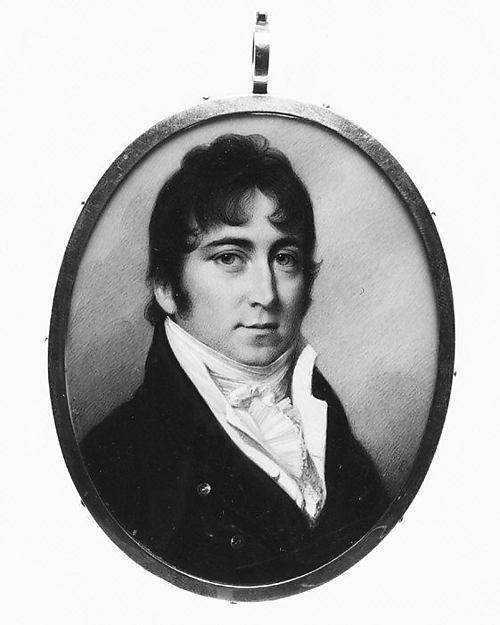
Portrait of a Man, Said to Be Mr. De Wolf

Discover George Engleheart’s exquisite portrait miniatures – a master of Regency elegance & detail. Explore his unique style & legacy in London's art scene.

ジークレー/アートプリント

迅速な制作と多彩な仕上げオプションを備えた、ミュージアムクオリティのジークレーまたはキャンバスプリント。 (手描きの絵画を購入 手描きの絵画を購入画像を購入 画像を購入)

標準サイズ
オーダーメイド
CM
INCH

作品のオリジナル比率に合わせた、当店の規定サイズからお選びください。

高さ

特定のフレームやスペースに合わせて、ご自身でサイズを指定することも可能です。選択されたサイズが元の画像の比率と一致しない場合、作品をトリミングするか、鏡面反射または単色での塗りつぶしによって画像を拡張いたします。制作を開始する前に、ご確認用のデジタルモックアップをお送りいたします。
画面上のプレビューには、実際のトリミングや拡張は反映されませんのでご注意ください。最終的な構図を正確に確認できるのは、モックアップのみとなります。
カスタムサイズも承っておりますが、元の比率を維持するためには、あらかじめ用意されたリストからサイズを選択することをお勧めいたします。

世界中への配送()は、標準の4〜5週間ではなく、2週間でお届けいたします。(7 9月)

why_choose_icon
世界中へ無料エクスプレス配送
why_choose_icon
高品質なリネンキャンバス
why_choose_icon
配送時完全保険付
why_choose_icon
関税・輸入税の払い戻し保証
why_choose_icon
忠実な色彩再現保証
why_choose_icon
100日間返品保証(製造上の欠陥がある場合のみ)
why_choose_icon
100% 全額返金保証
why_choose_icon
まとめ買い割引のご案内

合計金額

$ 62

reproduction

Portrait of a Man, Said to Be Mr. De Wolf

ジークレー/アートプリント

複製画のサイズ

-

合計金額

$ 62


アーティストの略歴

George Engleheart: A Regency Miniature Maestro

George Engleheart (1750–1829) stands as a pivotal figure in the annals of English portrait miniature painting, cementing his place alongside luminaries like Richard Cosway and John Smart during the opulent reign of George III. Born in Kew, Surrey, on October 26th, 1750, Engleheart’s artistic journey began amidst humble beginnings – his father, Francis Englehart, a German plaster modeller who had emigrated to England as a child, instilled in him an appreciation for craftsmanship and detail. Surrounded by six brothers, the family name was subsequently altered to Engleheart after his father's untimely demise, shaping his identity and propelling him toward a distinguished artistic vocation.
  • Early Life & Family:
  • Academic Training & Artistic Beginnings:
  • A Flourishing Career in London:
  • Marriage & Domestic Life:
  • Legacy & Influence:
Engleheart’s formal artistic education commenced at the Royal Academy Schools in November 1769, where he studied under the tutelage of George Barrett and Sir Joshua Reynolds – masters whose stylistic sensibilities profoundly impacted his own approach to portraiture. These formative influences instilled a dedication to capturing likeness with precision and conveying character through subtle gestures and expressions. Engleheart swiftly established himself as an independent artist in 1773, dedicating his considerable talent to producing miniature portraits that epitomized the refined tastes of the Regency era. His studio was situated in London, fostering connections within the artistic milieu and securing commissions from prominent patrons eager to commemorate their families and achievements. His prolific output during this period—spanning from 1773 to 1822—demonstrates an unwavering commitment to his craft. Engleheart’s meticulous fee book, meticulously documenting sketches and expenses, remains a treasured artifact of his family history, offering invaluable insight into the practical realities of artistic practice in Georgian London. Notably, Engleheart's work frequently incorporated neoclassical elements, mirroring the prevailing aesthetic sensibilities championed by Robert Adam—a stylistic choice that elevated his miniatures beyond mere likenesses, transforming them into embodiments of elegance and intellectual sophistication. Engleheart’s personal life mirrored his artistic pursuits. He married Elizabeth Brown in 1776, establishing a home in Hanover Square where their family grew to include four children. Tragedy struck shortly after Elizabeth's untimely death in April 1779, prompting Engleheart to relocate to Mayfair and marry Ursula Sarah Browne in 1785. Their union produced further offspring—George, Nathaniel, Harry, and Emma—creating a vibrant domestic environment that nurtured his artistic creativity. Engleheart’s later years were marked by a retreat from the bustling city center to Bedfont, Middlesex, where he constructed a neo-classical villa designed in accordance with Adam's principles. Despite facing personal hardships, Engleheart persevered in his artistic endeavors until 1813, continuing to exhibit at the Royal Academy and refining his technique. His nephew, John Cox Dillman Engleheart, followed in his footsteps as a miniature painter, furthering the Engleheart legacy within the British art world. George Engleheart’s enduring contribution to portraiture lies not merely in his technical skill but also in his ability to imbue his miniatures with an emotional resonance that transcends time—a testament to his mastery of capturing the essence of human experience and preserving it for posterity. His work continues to captivate collectors and scholars alike, securing his place as a cornerstone of Regency art history.
George Engleheart

George Engleheart

1750 - 1829

基本情報

  • Artistic Movement Or Style: Neoclassical
  • Artists Who Influenced This Artist:
    • George Barrett
    • Joshua Reynolds
  • Date Of Birth: October 26, 1750
  • Date Of Death: March 21, 1829
  • Full Name: George Engleheart
  • Nationality: British
  • Notable Artworks:
    • Colonel Woodford
    • Portrait of a Man
  • Place Of Birth: Kew, Surrey