

 プレビュー
プレビュー
 プリントを購入
 シェアする
シェアする シェアする
シェアする
 詳細を見る
詳細を見る

 ダウンロード
 似ている作品
 X線調査
X線調査 スライドショー
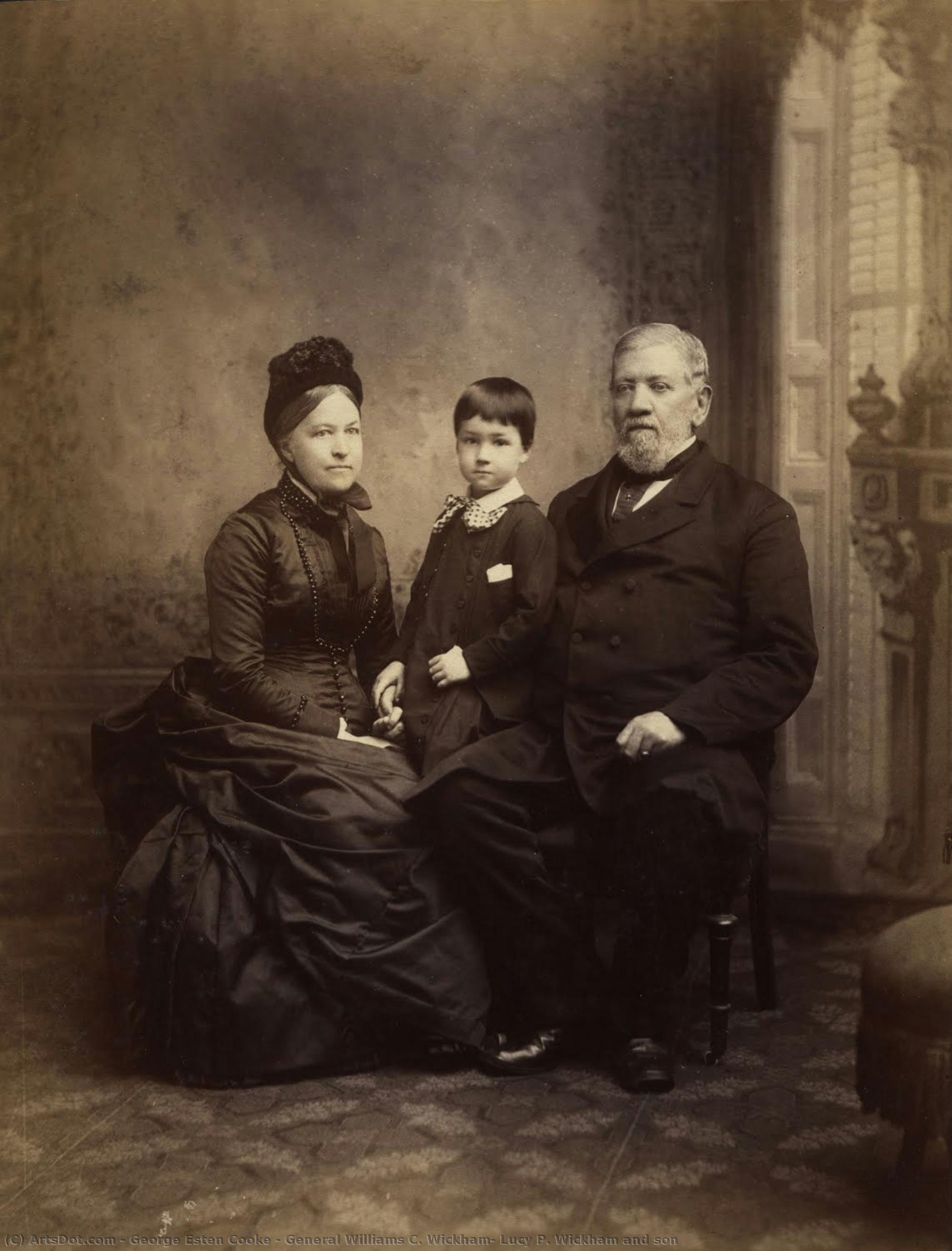
General Williams C. Wickham, Lucy P. Wickham and son


 詳細を見る
詳細を見る




































作品のオリジナル比率に合わせた、当店の規定サイズからお選びください。

特定のフレームやスペースに合わせて、ご希望のサイズをご入力いただけます。選択されたサイズが元の画像の比率と異なる場合、アートワークをトリミングするか、手描きで要素を追加して絵画を拡張いたします。デジタルモックアップ を制作し、制作開始前にご確認(承認)をいただきます。
画面上のプレビューは、実際のトリミングや拡張を正確に反映しているものではありません。最終的な構図は、モックアップによってのみ正確にご確認いただけます。
カスタムサイズもご利用いただけますが、元の比率を維持するためには、あらかじめ用意されたリストからサイズを選択することをお勧めいたします。
ご注文後、ArtsDot.com チームより詳細な指示をお送りするとともに、仕上がりイメージ(モックアップ)をご提供いたします。


 ガラスオプションは、110cm未満のサイズでのみご利用いただけます。

General Williams C. Wickham, Lucy P. Wickham and son
複製技法
複製画のサイズ
-


合計金額
$ 263
関連作品







アーティストの略歴
George Esten Cooke: A Life in Art
- Born: March 14, 1793, St. Mary's County, Maryland
- Died: March 26, 1849, New Orleans, Louisiana
- Known For: Primarily portraits and landscapes of the American South; notable for his large-scale historical painting, "Interior of St. Peter’s Rome."
Early Life and Artistic Development
George Esten Cooke's early life was marked by a series of unsuccessful business ventures before he dedicated himself to art. Initially self-taught, he honed his skills by copying existing portraits. Around 1819–20, he studied under Charles Bird King in Washington, D.C., gaining valuable instruction and establishing a professional connection. A pivotal moment in Cooke’s development was his five-year tour of Europe (1826-1831). During this period, he meticulously copied works by Renaissance masters in Paris, Rome, Florence, Naples, and England. This immersive experience significantly broadened his artistic understanding and technical abilities.
The "Raft of the Medusa" and Growing Recognition
A significant achievement during Cooke’s European sojourn was his creation of a copy of Théodore Géricault's monumental painting, “The Raft of the Medusa.” This smaller version (4' x 6') gained considerable attention upon its return to the United States. Exhibited in Boston, Philadelphia, New York City, and Washington, D.C., it sparked public discussion and inspired various artistic responses. The painting was eventually acquired by former Admiral Uriah Phillips and later donated to the New York Historical Society, where a misattribution occurred for many years before being corrected through research by Nina Athanassoglou-Kallmyer.
Patronage of Daniel Pratt and Major Works
Following his return to America, Cooke embarked on an itinerant career, traveling extensively throughout the Southern United States. His fortunes changed significantly with the patronage of Daniel Pratt, a prominent Alabama industrialist. Pratt provided Cooke with studio space and later commissioned him to create "Interior of St. Peter’s Rome," a colossal painting (17 x 23.5 feet) based on a smaller earlier work. This masterpiece, considered one of Cooke's finest achievements, was eventually donated to the University of Georgia in Athens, where it remains a notable landmark.
Legacy and Historical Significance
Despite his artistic talent and recognition during his lifetime, Cooke’s legacy faced challenges after his untimely death from cholera in 1849. A devastating fire destroyed the gallery in Prattville, Alabama, which housed many of his works, leading to their dispersal or destruction. However, surviving pieces, particularly "Interior of St. Peter's Rome," continue to showcase his skill and provide valuable insights into 19th-century American art. Cooke’s ability to capture both portraiture and landscapes, combined with his ambitious historical paintings, establishes him as a significant figure in the development of Southern American art.
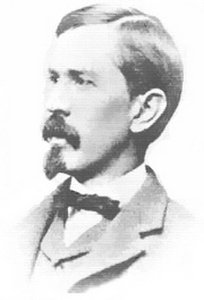
george esten cooke
1793 - 1849 , United States of America
基本情報
- Artistic Movement Or Style: Realism, Portraiture
- Artists Who Influenced This Artist: ['Théodore Géricault']
- Date Of Birth: 1793-03-14
- Date Of Death: 1849
- Full Name: George Esten Cooke
- Nationality: American
- Notable Artworks:
- Tallulah Falls
- General Williams C. Wickham
- Interior of St. Peter's Rome
- Place Of Birth: St. Mary's County, USA

