

 プレビュー
プレビュー
 プリントを購入
 シェアする
シェアする シェアする
シェアする
 詳細を見る
詳細を見る

 ダウンロード
 似ている作品
 X線調査
X線調査 スライドショー
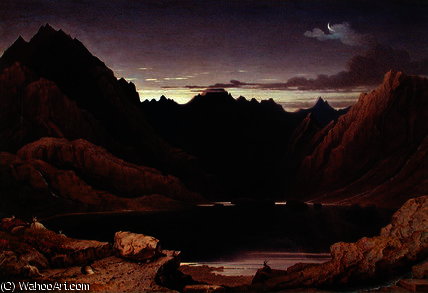
Loch Coruisk, Isle of Skye - Dawn, c.1826 - (32)
 詳細を見る
詳細を見る




































作品のオリジナル比率に合わせた、当店の規定サイズからお選びください。

特定のフレームやスペースに合わせて、ご希望のサイズをご入力いただけます。選択されたサイズが元の画像の比率と異なる場合、アートワークをトリミングするか、手描きで要素を追加して絵画を拡張いたします。デジタルモックアップ を制作し、制作開始前にご確認(承認)をいただきます。
画面上のプレビューは、実際のトリミングや拡張を正確に反映しているものではありません。最終的な構図は、モックアップによってのみ正確にご確認いただけます。
カスタムサイズもご利用いただけますが、元の比率を維持するためには、あらかじめ用意されたリストからサイズを選択することをお勧めいたします。
ご注文後、ArtsDot.com チームより詳細な指示をお送りするとともに、仕上がりイメージ(モックアップ)をご提供いたします。


 ガラスオプションは、110cm未満のサイズでのみご利用いただけます。

Loch Coruisk, Isle of Skye - Dawn, c.1826 - (32)
複製技法
複製画のサイズ
-


合計金額
$ 263
関連作品

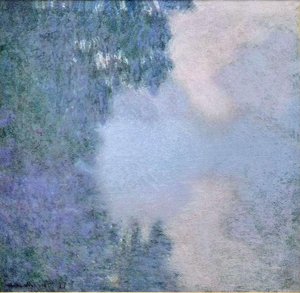
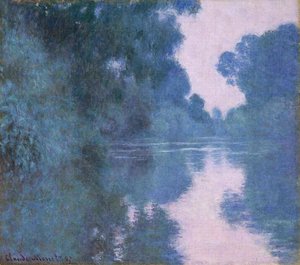
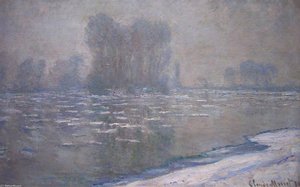
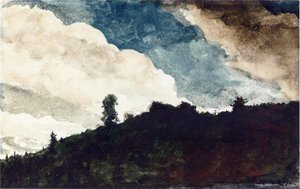
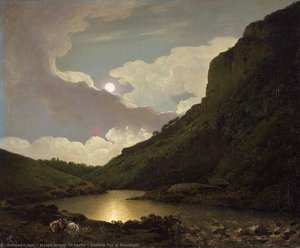
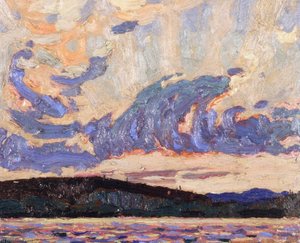
アーティストの略歴
The Visionary of the Sublime: The Life and Legacy of George Fennell Robson
In the early nineteenth century, as the winds of Romanticism swept across the British Isles, a new way of seeing the natural world began to emerge—one that sought not just to document scenery, but to capture the very soul of the landscape. At the forefront of this movement was George Fennell Robson, an artist whose delicate yet powerful watercolors breathed life into the rugged terrains of Scotland and Wales. Born in Durham in 1788, Robson’s journey began far from the prestigious galleries of London. The son of a wine merchant, his early artistic sensibilities were nurtured under the guidance of Mr. Harle of Durham, a mentorship that instilled in him a profound reverence for observation and a meticulous eye for the subtle nuances of light and shadow.
Robson’s ascent in the art world was marked by a daring spirit of ambition. With little more than five pounds in his pocket, he ventured into the competitive heart of London in 1806, driven by an unshakeable determination to establish himself among the nation's elite. This courage bore fruit almost immediately; his debut at the Royal Academy in 1807 served as a triumphant introduction to the public, quickly securing him a place within the prestigious Society of Painters in Oil and Watercolour. As his reputation grew, so too did his mastery over the medium of watercolor, a tool he used to translate the immense scale of the British wilderness into intimate, emotionally resonant compositions.
Mastery of Light and the Romantic Spirit
What truly distinguished Robson from his contemporaries was his unparalleled ability to manipulate light. He possessed a singular talent for treating mountain scenery under broad, dramatic effects of illumination, creating a sense of depth and atmosphere that felt almost tactile. His work often focused on the interplay between the ephemeral and the eternal—the way a sudden burst of sunlight might pierce through heavy clouds to illuminate a distant peak, or how twilight might cast a nostalgic, melancholic shroud over a tranquil lake. This technique allowed him to embody the Romantic ideal of the sublime, where nature is presented as both breathtakingly beautiful and awe-inspiringly powerful.
His travels were essential to his creative evolution. Every summer, Robson sought out the wilder, more untamed corners of Britain, sketching subjects that would later become his most celebrated finished works. His explorations led him to the dramatic vistas of the Scottish Highlands, where he documented the grandeur of Loch Katrine and Glencoe with breathtaking accuracy. In Wales, his eyes were drawn to the rugged majesty of Snowdon and the serene beauty of Llyn Celyn. Through these landscapes, Robson did more than paint geography; he captured a psychological landscape, inviting the viewer to experience the solitude and splendor of the natural world.
A Lasting Impression on British Art
The significance of George Fennell Robson extends far beyond his individual canvases. As the President of the Society of Painters in Oil and Watercolour from 1819, he acted as a pivotal leader within the artistic community, helping to shape the direction of British watercolor painting during a golden age. His influence was so profound that even the formidable critic John Ruskin—a man known for his rigorous standards and frequent scorn for contemporary painters—offered Robson rare and significant praise in the first volume of Modern Painters.
Robson’s legacy is preserved in the halls of the world's most esteemed institutions, from the Tate in London to the Metropolitan Museum of Art in New York. His life, though relatively short, left an indelible mark on the history of landscape art through several key contributions:
- Pioneering Romanticism: He was a central figure in transitioning landscape painting from mere topographical recording to emotional and atmospheric expression.
- Technical Innovation: His sophisticated use of light and shade in watercolor set a new standard for the medium's ability to convey scale and drama.
- Cultural Documentation: Through his meticulous depictions of the Highlands and Wales, he provided a visual record of the British landscape during a period of profound environmental and social change.
Though he passed away in 1833, the evocative power of Robson’s work remains undiminished. To look upon a Robson watercolor is to step into a world where nature is a living, breathing entity, forever caught in a moment of sublime grace.
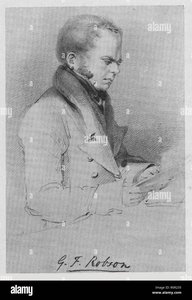
george fennel robson
1788 - 1833 , United Kingdom
基本情報
- Artistic Movement Or Style: Watercolor Painting
- Artists Or Movements Influenced By This Artist: ['Romanticism']
- Artists Who Influenced This Artist: ['Henry Morton']
- Date Of Birth: 1788
- Date Of Death: 1833
- Full Name: George Fennell Robson
- Nationality: British
- Notable Artworks: ['Cattle Watering Llyn Celyn']
- Place Of Birth: Durham, United Kingdom