

 プレビュー
プレビュー
 プリントを購入
 シェアする
シェアする シェアする
シェアする
 詳細を見る
詳細を見る

 ダウンロード
 似ている作品
 X線調査
X線調査 スライドショー
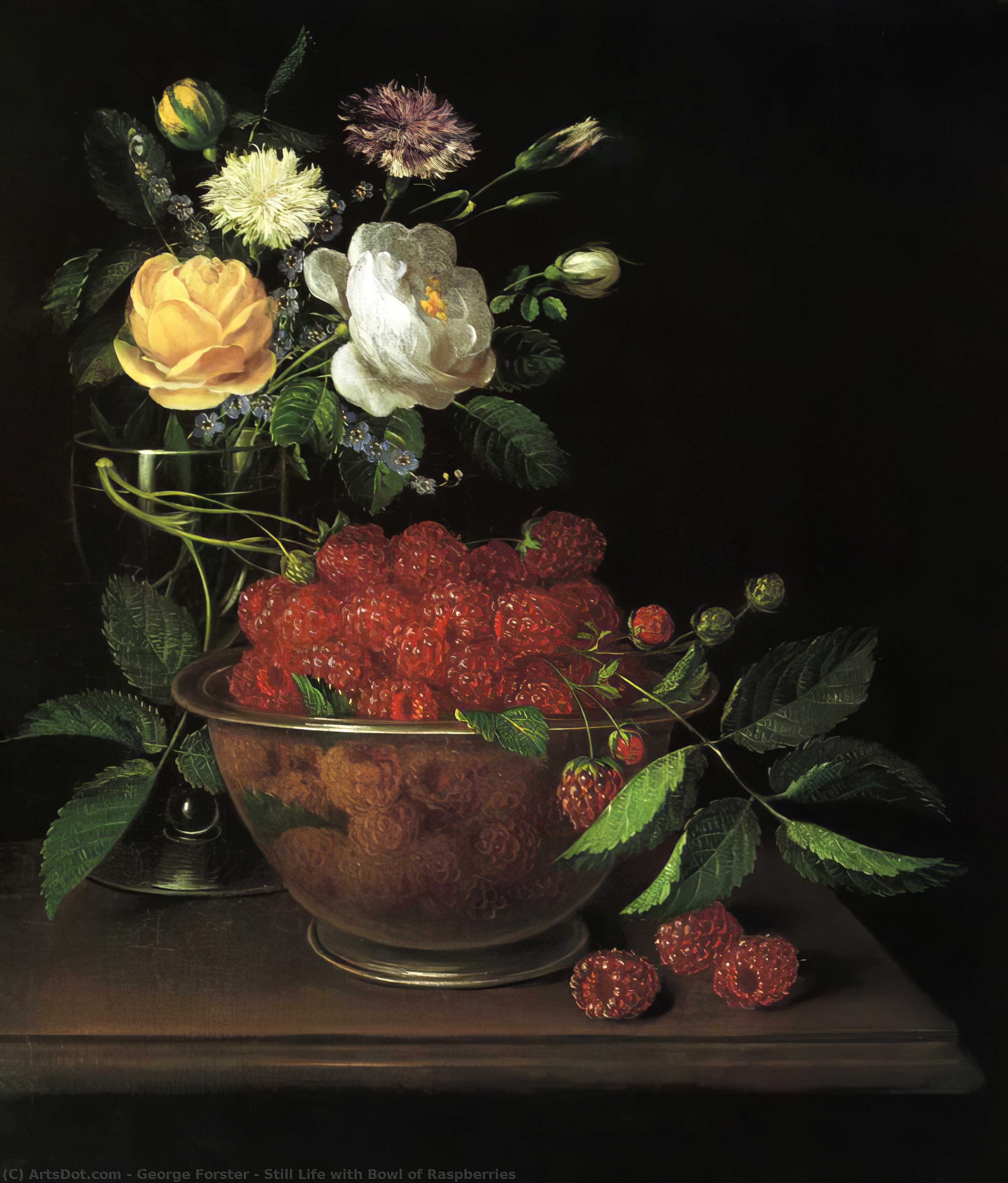
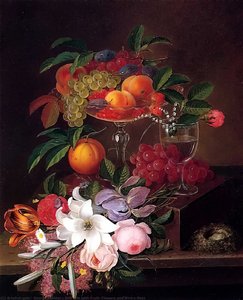
Still Life with Bowl of Raspberries

 詳細を見る
詳細を見る




































作品のオリジナル比率に合わせた、当店の規定サイズからお選びください。

特定のフレームやスペースに合わせて、ご希望のサイズをご入力いただけます。選択されたサイズが元の画像の比率と異なる場合、アートワークをトリミングするか、手描きで要素を追加して絵画を拡張いたします。デジタルモックアップ を制作し、制作開始前にご確認(承認)をいただきます。
画面上のプレビューは、実際のトリミングや拡張を正確に反映しているものではありません。最終的な構図は、モックアップによってのみ正確にご確認いただけます。
カスタムサイズもご利用いただけますが、元の比率を維持するためには、あらかじめ用意されたリストからサイズを選択することをお勧めいたします。
ご注文後、ArtsDot.com チームより詳細な指示をお送りするとともに、仕上がりイメージ(モックアップ)をご提供いたします。


 ガラスオプションは、110cm未満のサイズでのみご利用いただけます。

Still Life with Bowl of Raspberries
複製技法
複製画のサイズ
-


合計金額
$ 263
関連作品






アーティストの略歴
The Quiet Majesty of George Forster
In the grand tapestry of nineteenth-century German art, certain names resonate with thunderous fame, while others whisper with a more delicate, enduring grace. George Forster (1817–1896) belongs to that second, more intimate category. A Bavarian master whose work serves as a bridge between the profound emotionality of Romanticism and the meticulous realism of the Dutch tradition, Forster possessed a rare ability to transform the mundane into the monumental. Born into an artistic lineage in Bavaria—his father being a respected portrait painter—Forster was raised amidst the scents of oil paint and the quiet discipline of visual observation. This early immersion provided him with more than just technical instruction; it instilled in him a lifelong reverence for the fleeting beauty found within the natural world.
The artistic soul of Forster was deeply shaped by the burgeoning Romantic movement that swept through Europe during his formative years. He drew significant inspiration from the likes of Caspar David Friedrich, whose landscapes were never merely topographical studies but spiritual explorations of the sublime. While Forster did not seek to capture the vast, intimidating vistas of the mountains or the sea, he applied this same Romantic sensibility to the miniature worlds of flora and fauna. To Forster, a single peach blossom or a cluster of ripening grapes was as much a vessel for spiritual reflection as any sun-drenched horizon. He sought to convey not just the physical presence of his subjects, but the very essence of their existence—the way light dances upon a skin of fruit or the fragile hope held within a bird's nest.
A Mastery of Light and Symbolism
Technically, Forster was a virtuoso of chiaroscuro, the dramatic interplay between shadow and illumination. His command over light allowed him to breathe life into his compositions, creating a sense of three-dimensionality that invites the viewer to reach out and touch the textures of his subjects. Whether working in the luminous, translucent layers of watercolor or the rich, controlled application of oil on canvas, he achieved a remarkable level of tactile realism. In his celebrated works, such as Still Life with Fruit and Bird's Nest, one can almost feel the contrast between the velvety skin of a peach, the rough weave of a wicker basket, and the delicate, brittle structure of an eggshell.
However, to view Forster’s work solely through the lens of technical prowess would be to miss its profound intellectual depth. His still lifes were rarely mere decorative arrangements; they were carefully constructed meditations on the cycles of life. Through his choice of subjects, he wove complex symbolic narratives:
- Abundance and Fertility: The overflowing bowls of grapes, apples, and apricots served as celebrations of nature's bounty and prosperity.
- The Passage of Time: The inclusion of ripening fruit alongside elements of decay acted as a memento mori, reminding the observer of the inevitable transition from bloom to wither.
- New Beginnings: The recurring motif of the bird's nest, often containing eggs, introduced themes of hope, rebirth, and the continuous promise of future growth.
Legacy of a Bavarian Master
As the nineteenth century progressed, Forster’s work remained a steadfast testament to the power of observation. While art movements shifted toward more experimental and abstract territories, his dedication to the classical virtues of balance, harmony, and precision ensured his place in the canon of German still life painting. His ability to evoke the "quiet opulence" of a stone ledge laden with fruit allowed him to capture a sense of peace that remains palpable to modern audiences.
Today, the works of George Forster are cherished not only for their aesthetic beauty but for their ability to halt time. In an era of constant motion, his paintings offer a sanctuary of stillness. He leaves behind a legacy where every meticulously rendered grape and every shadowed petal serves as a reminder that there is profound meaning to be found in the smallest corners of our world. His contribution to the history of art lies in his ability to make the ephemeral eternal, turning the fleeting moments of nature into lasting monuments of human emotion.
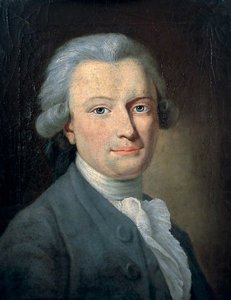
george forster
1817 - 1896 , Germany
基本情報
- Artistic Movement Or Style: Romanticism
- Artists Or Movements Influenced By This Artist: ['Romantic Landscape Painting']
- Artists Who Influenced This Artist: ['Caspar David Friedrich']
- Date Of Birth: 1817
- Full Name: George Forster
- Nationality: German
- Notable Artworks: ['Still Life with Fruit and Flowers']
- Place Of Birth: Bavaria, Germany

