

 プレビュー
プレビュー
 シェアする
シェアする シェアする
シェアする
 詳細を見る
詳細を見る

 ダウンロード
 似ている作品
 X線調査
X線調査 スライドショー
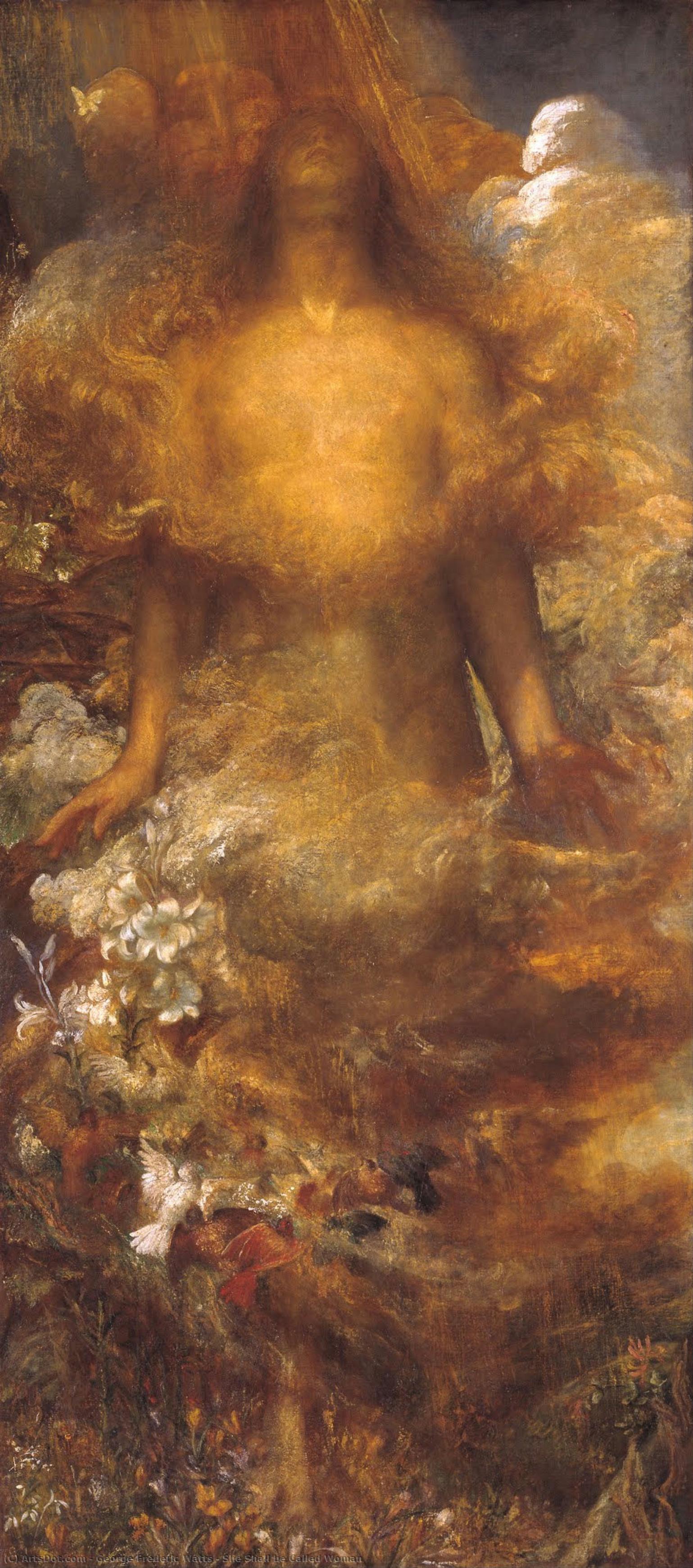
She Shall be Called Woman
 Oil On Canvas
- WallArt
- Symbolist Movement
 1880
1880- 19th Century
 116.0 x 257.0 cm
 テート・ブリテン
 詳細を見る
詳細を見る
ジークレー/アートプリント
迅速な制作と多彩な仕上げオプションを備えた、ミュージアムクオリティのジークレーまたはキャンバスプリント。 ( 手描きの絵画を購入 画像を購入)




P118B $10

P118H $10

P118W $10

P438Z $10

P508JH $12

P508YH $12

P805H $10

P805Z $10

P919BZ $10

P919G $10

P919XJ $10

P959ZH $10

P968JZ $12

W106C $8

W218G $10

W218JH $8

W218Y $10

W307PJ $10

W316G $10

W316PJ $8

W316Y $10

W398PJ $8

W4111J $10

W500HY $15

W500JH $15

W692G $12

W849H $8

W940BG $15

W953PJ $8




作品のオリジナル比率に合わせた、当店の規定サイズからお選びください。

特定のフレームやスペースに合わせて、ご自身でサイズを指定することも可能です。選択されたサイズが元の画像の比率と一致しない場合、作品をトリミングするか、鏡面反射または単色での塗りつぶしによって画像を拡張いたします。制作を開始する前に、ご確認用のデジタルモックアップをお送りいたします。
画面上のプレビューには、実際のトリミングや拡張は反映されませんのでご注意ください。最終的な構図を正確に確認できるのは、モックアップのみとなります。
カスタムサイズも承っておりますが、元の比率を維持するためには、あらかじめ用意されたリストからサイズを選択することをお勧めいたします。


 ガラスオプションは、110cm未満のサイズでのみご利用いただけます。

She Shall be Called Woman
ジークレー/アートプリント
複製画のサイズ
-


合計金額
$ 62
The Enigmatic Figure: A Portrait of Quiet Strength
George Frederic Watts’ “She Shall be Called Woman,” painted circa 1875-92, is not a portrait in the conventional sense. It's an arresting study in stillness and profound contemplation, capturing a woman seemingly lost within her own thoughts. The figure, rendered with a deliberate lack of explicit detail – her face obscured by a veil of dark hair – immediately invites speculation and projection. She stands bathed in a diffused light, reminiscent of a northern sky, suggesting both vulnerability and an inner resilience. The composition is carefully balanced; the verticality of her form contrasts subtly with the horizontal sweep of the landscape behind her, creating a sense of groundedness despite the ethereal quality of the scene.
Watts’ masterful use of oil paint allows for a remarkable depth of texture and color. The muted palette – predominantly blues, greens, and browns – evokes a mood of melancholy and introspection. Notice how he builds up layers of pigment to create subtle gradations in tone, particularly around the folds of her dress and the suggestion of foliage behind her. This technique isn’t merely decorative; it contributes significantly to the painting's overall sense of atmosphere and emotional resonance.
A Symbolist Vision: Echoes of Myth and Philosophy
“She Shall be Called Woman” firmly establishes Watts as a key figure within the Symbolist movement, a European artistic current that flourished in the late 19th century. Rejecting the realism and materialism prevalent in much of 19th-century art, Symbolists sought to express inner states of mind, spiritual truths, and mythological themes through evocative imagery and suggestive forms. This painting is deeply rooted in this philosophy; it’s less about depicting a specific individual and more about embodying an abstract concept – womanhood itself.
The veiled face, a recurring motif in Watts' work, symbolizes the hidden depths of the female psyche, the mysteries that lie beneath the surface. The landscape behind her is not merely a backdrop but a symbolic representation of the inner world—a suggestion of nature’s wisdom and the cyclical rhythms of life. Watts drew heavily on classical mythology and philosophy for inspiration, particularly Plato's concept of the “Allegory of the Cave,” which explores the journey from ignorance to enlightenment. The woman in this painting can be interpreted as a figure emerging from darkness into a realm of greater understanding.
Historical Context: Victorian Sensibilities and Spiritual Yearning
To understand "She Shall be Called Woman," it’s crucial to consider the social and intellectual climate of Victorian England. The era was marked by rapid industrialization, social upheaval, and a growing sense of spiritual unease. Many Victorians felt alienated from the materialism of the age and yearned for something more meaningful—a connection to nature, spirituality, and the timeless values of antiquity. Watts’ art reflects this yearning, offering a refuge from the anxieties of modern life.
Watts himself was deeply influenced by his travels in Italy, where he encountered the works of Michelangelo and Giotto, which profoundly shaped his artistic vision. His interest in classical mythology and philosophy further informed his work, leading him to explore themes of beauty, truth, and the human condition with a profound sensitivity.
Emotional Resonance: A Portrait of Inner Strength
Despite her obscured features, “She Shall be Called Woman” radiates an undeniable sense of strength and dignity. The painting’s power lies not in its literal depiction but in its ability to evoke a feeling—a quiet contemplation, a profound awareness of the mysteries of existence. It's a portrait that invites viewers to project their own hopes, fears, and aspirations onto the figure, creating a deeply personal and resonant experience.
Reproductions of this iconic work offer an opportunity to bring Watts’ evocative vision into any space, serving as a reminder of the enduring power of art to illuminate the human spirit. Consider framing it in a manner that complements its muted palette and contemplative mood – perhaps against a neutral wall or within a room filled with natural light.
関連作品
アーティストの略歴
生い立ちと教育
ジョージ・フレデリック・ワッツは、象徴主義運動における極めて重要な人物であり、1817年2月23日、ロンドンのメリルボーンに生を受けました。彼の幼少期は、繊細な健康状態と、若くしての母との別れという、どこか哀愁を帯びたものとなりました。ピアノ職人であった父は、彼に保守的なキリスト教教育を施すと同時に、『イリアス』をはじめとする古典文学の世界へと導きました。この古典への深い造詣が、後に彼の芸術的スタイルの揺るぎない礎となったのです。輝かしい画業
ワッツの芸術への旅は、わずか10歳でウィリアム・ベーンズに師事し、彫刻を学ぶことから始まりました。その後、18歳でロイヤル・アカデミー・スクールに入学。1837年のアカデミーでの初展示は、その後の多作なキャリアの幕開けとなりました。- 1843年、新国会議事堂の壁画デザインを巡るコンペティションにおいて、彼の描いた「カラクタクス」が第一位に輝きました。
- 続くイタリア滞在(1843-18do47)と、英国大使ヘンリー・フォックスとの交流は、彼の作風に深い影響を与えました。その結実が、1848年に展示されたレディ・ホランドの肖像画に見ることができます。
- 英国への帰国後、彼は国会議事堂のフレスコ画制作を依頼され、1848年から1853年にかけてその壮大な任務を完遂しました。
象徴主義の傑作
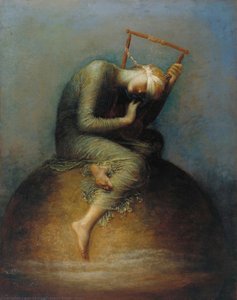
ワッツが遺した最も有名な作品には、以下のようなものがあります:- 「希望」や愛と生。これらは「生命の館(ハウス・オブ・ライフ)」と呼ばれる、壮大な象徴的サイクルのための一環として構想されました。
- 1852年から53年にかけて完成した赤十字騎士の勝利(妖精の女王より)は、寓意的な主題における彼の卓越した技量を示しています。
- 1864年に描かれた女優エレン・テリーの肖像画は、被写体の本質を捉える彼の類まれな能力を象徴しています。
受け継がれる遺産
美術界におけるワッツの影響力は、疑いようのないものです。象徴主義運動との結びつき、そして色彩と形態を用いた革新的な表現は、彼を英国美術史における愛すべき巨匠へと押し上げました。ArtsDot.comでジョージ・フレデリック・ワッツの作品集を見るワッツの作品を収蔵する美術館
- リンカーンズ・イン:彼のフレスコ画「正義、法学者の半円」を展示しています。
- 英国ギルドフォードのワッツ・ギャラリー – アーティスツ・ヴィレッジ:ワッツや他の芸術家たちの作品を保存・継承することに捧げられています。
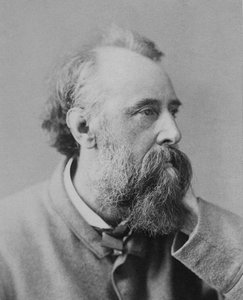
ジョージ・フレデリック・ワッツ
1817 - 1904
基本情報
- Artistic Movement Or Style: 象徴主義
- Artists Or Movements Influenced By This Artist:
- ロマン主義
- ラファエル前派
- Artists Who Influenced This Artist:
- ウィリアム・ベーンズ
- ヘンリー・フォックス
- Date Of Birth: 1817年2月23日
- Date Of Death: 1904年7月1日
- Full Name: ジョージ・フレデリック・ワッツ
- Nationality: イギリス
- Notable Artworks:
- 希望
- 愛と人生
- 赤十字騎士の勝利
- Place Of Birth: イギリス、メリルボーン
関連記事

ジョルジュ・ブラック傑作25選:革新的なキュビスムの世界と装飾への誘い
ジョルジュ・ブラックの傑作25選。キュビスムを代表する画家、その革新的な色彩と技法に迫ります。名画から知られざる逸品まで、美術史に残る作品群をArtsDot.comで鑑賞。お部屋を彩るアートプリントも多数ご用意。今すぐオンラインでコレクションをご覧ください。

ジョルジュ・スーラ傑作25選:光と色彩の科学が織りなす芸術の世界|ArtsDot
ジョルジュ・スーラの傑作25選。点描画の光と色彩、印象派から新印象派へ—ArtsDotで美術史を紐解き、リビングやダイニングを彩る高品質なアートプリントを見つけましょう。セーラ作品集をオンラインで鑑賞ください。
George Frederic Watts: Symbolism, Spirituality & Victorian Ideal Beauty
Explore the captivating Symbolist art of George Frederic Watts. Discover his allegorical masterpieces, classical influences & spiritual themes. Learn about his legacy and find high-quality reproductions at ArtsDot.
Frederick Waters Watts: A Victorian Vision of Aestheticism & Spiritual Symbolism
Explore the captivating world of Frederick Watts, a key Victorian painter blending aestheticism & spiritual symbolism. Discover his allegorical masterpieces like 'Hope' and delve into his artistic journey with ArtsDot.

The Enduring Legacy of Oil on Canvas: Technique, History & Aesthetic Impact
Explore the rich history & techniques of oil painting – from Renaissance masters to Impressionism. Discover pigments, layering methods, and why this timeless medium endures. Expert insights for artists & art enthusiasts.