

 プレビュー
プレビュー
 シェアする
シェアする シェアする
シェアする
 詳細を見る
詳細を見る

 ダウンロード
 似ている作品
 X線調査
X線調査 スライドショー
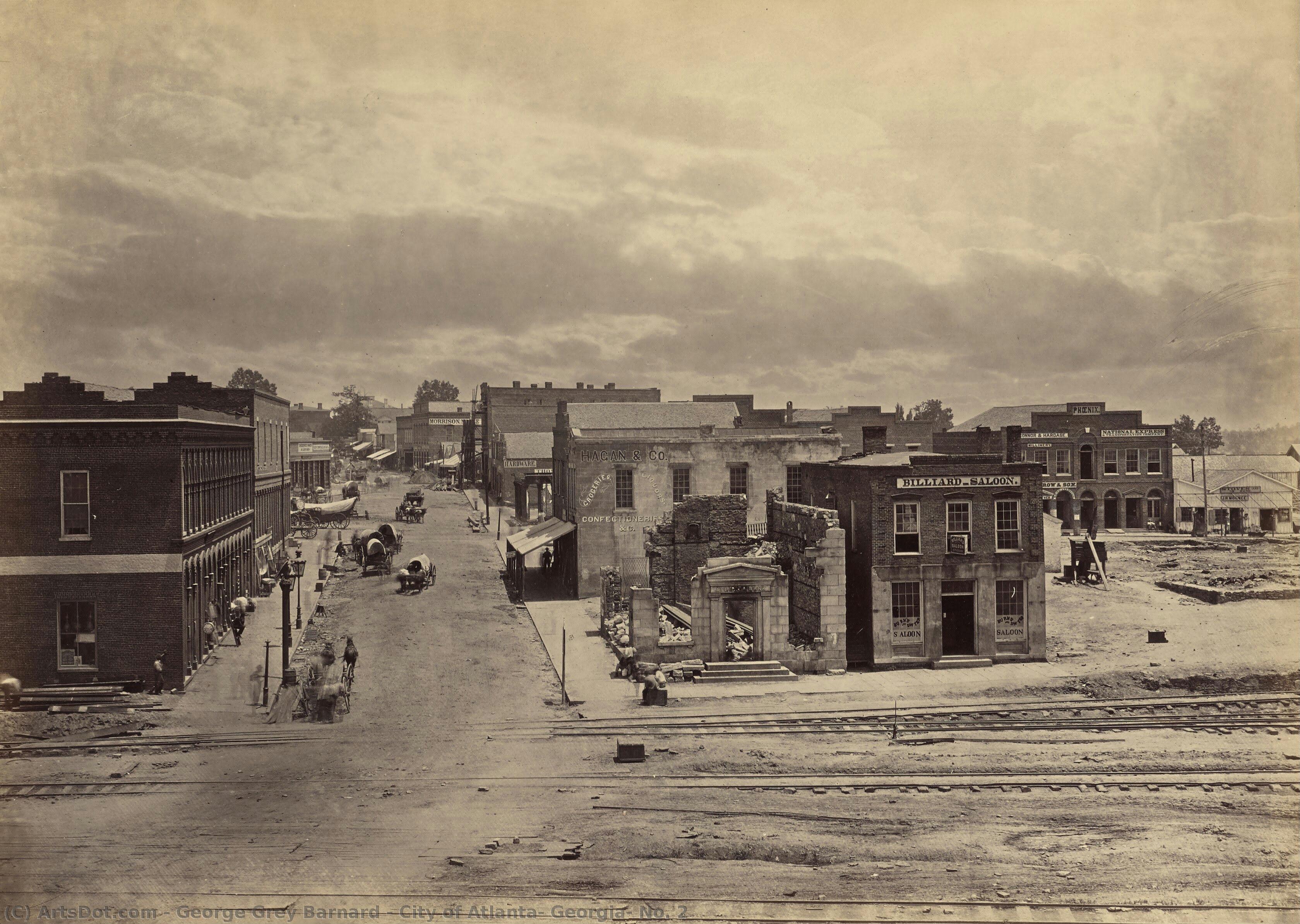
City of Atlanta, Georgia, No. 2
 Acrylic On Canvas
- WallArt
- Other
 1866
1866 25.0 x 35.0 cm
 J・ポール・ゲティ美術館
 詳細を見る
詳細を見る
ジークレー/アートプリント
迅速な制作と多彩な仕上げオプションを備えた、ミュージアムクオリティのジークレーまたはキャンバスプリント。 ( 手描きの絵画を購入 画像を購入)




P118B $10

P118H $10

P118W $10

P438Z $10

P508JH $12

P508YH $12

P805H $10

P805Z $10

P919BZ $10

P919G $10

P919XJ $10

P959ZH $10

P968JZ $12

W106C $8

W218G $10

W218JH $8

W218Y $10

W307PJ $10

W316G $10

W316PJ $8

W316Y $10

W398PJ $8

W4111J $10

W500HY $15

W500JH $15

W692G $12

W849H $8

W940BG $15

W953PJ $8




作品のオリジナル比率に合わせた、当店の規定サイズからお選びください。

特定のフレームやスペースに合わせて、ご自身でサイズを指定することも可能です。選択されたサイズが元の画像の比率と一致しない場合、作品をトリミングするか、鏡面反射または単色での塗りつぶしによって画像を拡張いたします。制作を開始する前に、ご確認用のデジタルモックアップをお送りいたします。
画面上のプレビューには、実際のトリミングや拡張は反映されませんのでご注意ください。最終的な構図を正確に確認できるのは、モックアップのみとなります。
カスタムサイズも承っておりますが、元の比率を維持するためには、あらかじめ用意されたリストからサイズを選択することをお勧めいたします。


 ガラスオプションは、110cm未満のサイズでのみご利用いただけます。

City of Atlanta, Georgia, No. 2
ジークレー/アートプリント
複製画のサイズ
-


合計金額
$ 62
A Snapshot of Resilience: George Grey Barnard’s “City of Atlanta, Georgia No. 2”
The photograph presented here—George Grey Barnard’s “City of Atlanta, Georgia No. 2,” created in 1866—is more than just a depiction of a street scene; it's a testament to endurance and an emblem of the American spirit emerging from the shadow of Reconstruction. Captured during Sherman’s devastating march through Georgia, this panoramic view offers a glimpse into the city’s wounded beauty – a scarred but determined metropolis striving for renewal amidst devastation. Barnard, a sculptor whose career spanned decades and encompassed monumental works celebrating Lincoln and biblical narratives, meticulously documented this pivotal moment in history with remarkable precision.- Subject Matter: The image focuses on Peachtree Street, Atlanta’s principal thoroughfare, showcasing a cluster of brick buildings—primarily commercial establishments—that dominate the cityscape. Notably prominent is a railway track traversing the street's center, symbolizing the vital role of transportation in rebuilding the region’s economy.
- Style & Technique: Barnard employed the calotype process, a photographic technique known for its subtle tonal variations and characteristic graininess—a hallmark of early photography. This method prioritized capturing detail and realism, reflecting the prevailing aesthetic sensibilities of the era. The photograph's wide-angle perspective dramatically expands the viewer’s vision, emphasizing the scale of Atlanta’s urban landscape.
Historical Context: Sherman’s Campaign & Reconstruction Era
The backdrop to this image is undeniably the American Civil War and its immediate aftermath—the Reconstruction Era. Sherman's relentless advance through Georgia inflicted immense damage upon infrastructure and property, reshaping the social fabric of the state. Barnard’s decision to portray Atlanta at this juncture speaks volumes about his artistic commitment to documenting historical realities and conveying their emotional resonance. The photograph serves as a poignant reminder of the challenges faced by Southerners in rebuilding their communities after years of conflict.- Symbolism: Beyond its visual representation, “City of Atlanta” carries symbolic weight. The railway track embodies progress and reconnection—the effort to restore trade routes disrupted during wartime. Similarly, the weathered brick buildings symbolize resilience—the enduring strength of Atlanta’s architectural heritage despite suffering considerable damage.
- Emotional Impact: Viewing this photograph evokes a feeling of quiet contemplation mingled with nostalgia for a bygone era. Barnard's masterful composition invites viewers to consider not only the physical landscape but also its emotional significance—a visual chronicle of hope amidst hardship.
A Legacy of Detail & Artistic Vision
Barnard’s meticulous attention to detail—evident in the textured brickwork and subtle shading—underscores his artistic prowess. The photograph's grainy quality, characteristic of calotype printing, contributes to its timeless appeal, anchoring it firmly within the visual language of its time while simultaneously conveying a profound sense of authenticity. “City of Atlanta” stands as an enduring testament to Barnard’s ability to transform historical observation into compelling art—a captivating glimpse into the heart of Reconstruction America.- Materials Used: The artwork is composed primarily of paper and chemicals involved in photographic development, reflecting the technological advancements of the mid-19th century.
関連作品


アーティストの略歴
石に刻まれた生涯:ジョージ・グレイ・バーナードの世界
1863年、ペンシルベニア州ベルフォンテに生まれたジョージ・グレイ・バーナードは、芸術の潮流が移り変わり、国家としてのアイデンティティが芽生えつつあった時代を駆け抜けたアメリカの彫刻家である。彼の生涯は、絶え間なき探求の物語といえるだろう。幼少期の田園風景からパリの神聖なる美術アカデミーの殿堂へ、そして最終的にはアメリカ彫刻界の重要人物としての地位を確立するまでの旅路である。長老派牧師の息子として生まれたバーナードの幼少期は、イリノイ州各地での頻繁な転居によって彩られていたが、その放浪に近い生活の中でこそ、芸術的な感性が開花し始めたのである。彼はまず、シカゴ美術館にてレオナード・ヴォルクのもとで技を磨き、造形とフォルムに対する天賦の才を示した。この初期の輝きが彼を1883年のパリへと突き動かし、エコール・ナショナル・シュペリユー・デ・ボザールでの厳格な修行、そしてピエール=ジュール・カヴェリエのアトリエでの研鑽へと導いた。古典的な技法を吸収し、フランスの活気ある芸術コミュニティと交わった12年間の歳月は、彼に決定的な変容をもたらし、1894年のサロンにおける輝かしいデビューへと結実したのである。ロダンの残響と象徴的言語の誕生
バーナードの芸術的発展は、オーギュスト・ロダンとの出会いによって深く形作られた。人体表現や感情の深淵を探求する彼の初期作品には、ロダンの影響が色濃く反映されている。しかし、バーナードは単なる模倣者ではなかった。彼は独自の道を切り開き、人間の複雑な在り方を掘り下げる象徴的な言語を構築していった。彼の主要な作品は寓意的な性質を持ち、二面性や内なる葛藤、そして人間が抱える本質的な矛盾といったテーマを扱っている。メトロポリタン美術館で展示された「人間における二つの本性の葛藤」(1894年)は、永遠の対立の中に閉じ込められた相反する力の力強い描写であり、その極めて重要な一例である。この作品に加え、「切り出し手」(1902年)や「薔薇の乙女」(1902年頃)といった後の彫刻群は、肉体的な強靭さと繊細な優美さを同時に捉える彼の卓越した技量を示している。また、裸体表現ゆえに当初は論争を巻き起こした「大いなるパン神」(1899年)は、最終的にコロンビア大学へと収められ、既存の規範に立ち向かうことを恐れない芸術家としての彼の名声を不動のものとした。「乙女らしさ」(1896年)は、その簡潔さと気品で知られている。記念碑的な依頼とペンシルベニア州議会議事堂
世紀の変わり目、バーナンドのキャリアにおける重要な一章を決定づける記念碑的な依頼が舞い込んだ。それは、1902年から1910年にかけて、ハリスバーグのペンシルベニア州議会議事堂のために60点を超える彫刻を制作するという壮大なプロジェクトであった。人類の歴史の一場面を描き出すこの野心的な試みは、計り知れない技術と献身を必要とした一方で、多大な財政的困難も伴った。しかし、こうした障壁に直面しながらもバーナードは屈することなく、緻密で示唆に富む像によって議事堂に消えることのない足跡を残したのである。壮大な歴史の物語を形あるものへと昇華させる彼の能力は、彼をアメリカを代表する彫刻家の一人として確固たるものにした。その後、1917年には、さらなる野心的なプロジェクトとして、エイブラハム・リンカーンの等身大を超える巨大な像に着手した。この表現は、従来の英雄的な描写とは一線を画す型破りなアプローチであったため議論を呼んだものの、大統領の人物像を示す力強い象徴として今なお語り継がれている。この像はシンシナティ、マンチェスター(イギリス)、ルイビル(ケンタッキー)など、複数の場所で鋳造されている。収集家としての情熱:クロイスターズと不朽の遺産
彫刻家としての活動を超えて、ジョージ・グレイ・バーナードは中世美術に対して深い情熱を抱いていた。彼は建築の断片を熱心に収集するコレクターとなり、第一次世界大戦前にはフランスの村々を巡り、過去の遺物的な欠片を求めて旅をした。このコレクションは単なる個人的な嗜好によるものではなく、見過ごされがちな芸術的遺産の美しさを保存し、分かち合いたいという切実な願いに突き動かされたものであった。1925年、彼の膨大なコレクションはジョン・D・ロックフェラー・ジュニアによって買い取られ、メトロポリタン美術館の分館であり、中世の美術と建築を専門とするクロイスターズの核となったのである。この出来事は、バーナードの先見の明と、文化保存に対する永続的な影響力の証しといえるだろう。アメリカ彫刻へのバーナードの貢献は極めて大きく、ヨーロッパの伝統と、独自の美意識を持つアメリカ的感性を結びつけた。彼は芸術の規範に挑み、象徴主義を受け入れ、人々の想像力を刺激し続ける作品群を遺したのである。彼の遺志は、単なる彫刻の中に留まらない。それはクロイスターズの静謐なホールの中で、過去の断片が次世代のために息づき続けることで、今もなお生き続けているのである。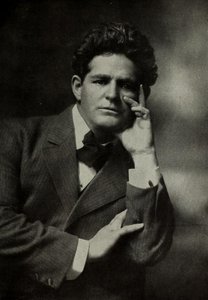
ジョージ・グレイ・バーナード
1863 - 1938 , アメリカ合衆国
基本情報
- この芸術家に影響を与えた人物: ['オーギュスト・ロダン']
- 代表作:
- 二つの本性の葛藤
- ザ・ヒューワー
- グレート・ゴッド・パン
- ローズ・メイデン
- メイデンフッド
- 出生地: アメリカ合衆国、ベルフォンテ
- 国籍: アメリカ
- 氏名: ジョージ・グレイ・バーナード
- 没年月日: 1938年4月24日
- 生年月日: 1863年5月24日
- 芸術運動または様式: 象徴主義
関連記事

ジョルジュ・ブラック傑作25選:革新的なキュビスムの世界と装飾への誘い
ジョルジュ・ブラックの傑作25選。キュビスムを代表する画家、その革新的な色彩と技法に迫ります。名画から知られざる逸品まで、美術史に残る作品群をArtsDot.comで鑑賞。お部屋を彩るアートプリントも多数ご用意。今すぐオンラインでコレクションをご覧ください。

ジョルジュ・スーラ傑作25選:光と色彩の科学が織りなす芸術の世界|ArtsDot
ジョルジュ・スーラの傑作25選。点描画の光と色彩、印象派から新印象派へ—ArtsDotで美術史を紐解き、リビングやダイニングを彩る高品質なアートプリントを見つけましょう。セーラ作品集をオンラインで鑑賞ください。

Echoes of Time: Nostalgia, Technique & Cultural Significance in Vintage Paintings
Explore the captivating world of vintage paintings! Discover key styles, cultural significance & collecting tips from art experts at ArtsDot. Find authentic reproductions and elevate your home décor.
Documentary Photography's Defining Moments: 10 Masterpieces for Your Home |
Explore 10 defining documentary photography masterpieces – from Dorothea Lange to Robert Capa. Discover powerful stories, iconic images & timeless art for your home. Museum-quality prints at .

Echoes of Time: Exploring the Enduring Appeal & Historical Context of Vintage Art Prints
Explore the captivating world of vintage art prints! Discover their history, collecting tips & enduring appeal. Expert insights on chromolithography and building a legacy collection with ArtsDot.

