

 プレビュー
プレビュー
 プリントを購入
 シェアする
シェアする シェアする
シェアする
 詳細を見る
詳細を見る

 ダウンロード
 似ている作品
 X線調査
X線調査 スライドショー
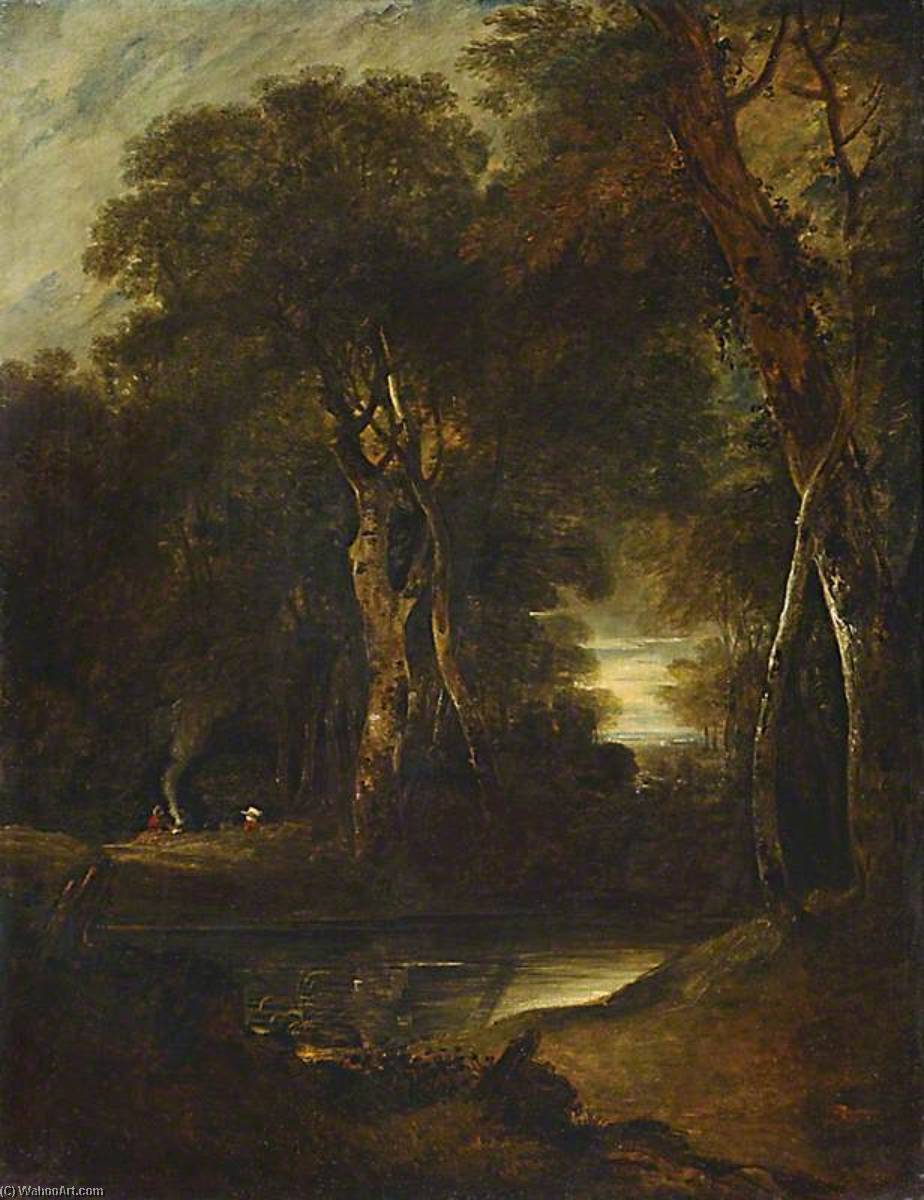
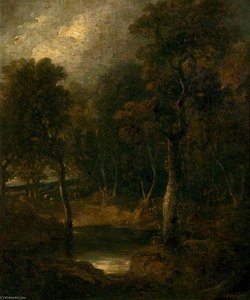
Woodland Scene with Gipsies
 Oil On Canvas
- WallArt
- Romantic Landscape
 1800
1800 90.0 x 70.0 cm
 アシュモリアン美術館
 詳細を見る
詳細を見る




P118B $10

P118H $10

P118W $10

P438Z $10

P508JH $12

P508YH $12

P805H $10

P805Z $10

P919BZ $10

P919G $10

P919XJ $10

P959ZH $10

P968JZ $12

W106C $8

W218G $10

W218JH $8

W218Y $10

W307PJ $10

W316G $10

W316PJ $8

W316Y $10

W398PJ $8

W4111J $10

W500HY $15

W500JH $15

W692G $12

W849H $8

W940BG $15

W953PJ $8




作品のオリジナル比率に合わせた、当店の規定サイズからお選びください。

特定のフレームやスペースに合わせて、ご希望のサイズをご入力いただけます。選択されたサイズが元の画像の比率と異なる場合、アートワークをトリミングするか、手描きで要素を追加して絵画を拡張いたします。デジタルモックアップ を制作し、制作開始前にご確認(承認)をいただきます。
画面上のプレビューは、実際のトリミングや拡張を正確に反映しているものではありません。最終的な構図は、モックアップによってのみ正確にご確認いただけます。
カスタムサイズもご利用いただけますが、元の比率を維持するためには、あらかじめ用意されたリストからサイズを選択することをお勧めいたします。
ご注文後、ArtsDot.com チームより詳細な指示をお送りするとともに、仕上がりイメージ(モックアップ)をご提供いたします。


 ガラスオプションは、110cm未満のサイズでのみご利用いただけます。

Woodland Scene with Gipsies
複製技法
複製画のサイズ
-


合計金額
$ 263
作品解説
A Woodland Reverie: George Howland Beaumont’s “Woodland Scene with Gipsies”
George Howland Beaumont's "Woodland Scene with Gipsies," painted circa 1779-1800, is more than just a picturesque landscape; it’s a carefully constructed tableau of Romantic ideals and burgeoning social commentary. This oil on canvas, currently residing in the Ashmolean Museum, Oxford (accession number WA1845.42), offers a glimpse into the artistic sensibilities of a pivotal era – a time when the sublime beauty of nature was increasingly intertwined with reflections on humanity’s place within it.
The scene unfolds within a densely wooded area, dominated by towering trees whose branches intertwine to create a dappled light effect. The artist masterfully employs atmospheric perspective, subtly receding into the distance to suggest depth and scale. A small group of gipsies – travelers often viewed with suspicion and fascination – are depicted in the foreground, engaged in what appears to be a quiet moment of respite. Their clothing is rendered in muted tones, blending seamlessly with the surrounding foliage, while their faces retain an air of dignified reserve.
The Beaumont Legacy: A Painter’s Pursuit
Beaumont's artistic journey was profoundly shaped by his privileged upbringing and subsequent travels. Born into a landed gentry family in Dunmow, Essex, he received early training in landscape painting from Alexander Cozens, a leading figure of the Picturesque movement. However, it was his Grand Tour to Italy between 1782 and 1784 that truly ignited his passion for art and instilled within him an appreciation for the works of the Old Masters – particularly those of Claude Lorrain and Nicolas Poussin. These artists’ emphasis on idealized landscapes and carefully composed narratives profoundly influenced Beaumont's own style, evident in the balanced composition and serene atmosphere of “Woodland Scene with Gipsies.”
Furthermore, Beaumont’s own aristocratic background – he inherited a baronetcy at a young age – afforded him access to an extensive collection of art, fueling his desire to amass a similar trove. This personal collecting drive contributed significantly to the formation of the National Gallery in London, where he made the first significant bequest of paintings, demonstrating his commitment to making art accessible to the public.
Romanticism and Social Observation
“Woodland Scene with Gipsies” is a compelling example of the Romantic movement’s fascination with nature and its inherent beauty. However, it's not merely a celebration of the picturesque; there’s an underlying layer of social observation present in the depiction of the gipsies. While often romanticized as free spirits of the countryside, gipsies were frequently viewed with suspicion and prejudice by mainstream society. Beaumont subtly acknowledges this duality, presenting them not as caricatures but as individuals existing within a complex social landscape.
The painting’s muted palette – dominated by greens, browns, and greys – reinforces its contemplative mood. The artist's brushwork is loose and expressive, creating a sense of movement and vitality within the trees and foliage. Beaumont skillfully captures the interplay of light and shadow, evoking a feeling of tranquility and solitude. The inclusion of a small boat on the distant water adds a touch of narrative intrigue, hinting at journeys and possibilities beyond the immediate scene.
A Timeless Appeal
“Woodland Scene with Gipsies” remains a captivating work of art due to its harmonious blend of artistic skill, Romantic ideals, and subtle social commentary. It’s a painting that invites viewers to pause, reflect, and contemplate the relationship between humanity and nature – a theme that continues to resonate deeply in our own time. Reproductions of this piece offer an opportunity to bring this serene woodland scene into any interior space, evoking a sense of peace and connection with the natural world.
関連作品
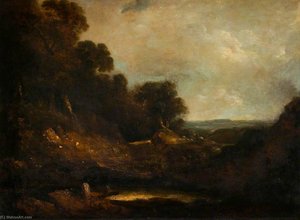
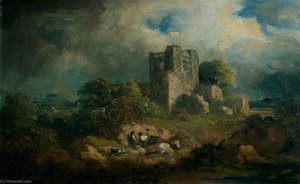
アーティストの略歴
芸術に捧げた生涯:ジョージ・ハウランド・ビーモントの世界
1753年、エセックス州グレート・ダンモウの穏やかな田園地帯に生を受けたサー・ジョージ・ハウランド・ビーモントは、18世紀後半から19世紀初頭にかけての英国における、移ろいゆく美意識と情熱をその生涯で体現した人物でした。若くして準男爵の位と広大な領地を継承した彼にとって、その歩みは最初から芸術への道として定められていたわけではありません。しかし、イートン・カレッジでの教育においてアレクサンダー・コゼンスのもとで風景画の基礎を学んだことが、視覚芸術への生涯にわたる魅惑の火種となりました。この初期の経験は、1782年に妻マーガットと共に敢行した「グランドツアー」という変革的な体験の前奏曲に過ぎませんでした。イタリアとその豊かな芸術的遺産は、彼の運命を決定づけるものとなりました。オールド・マスターたちの傑作を目の当たりにしたビーモントの瞳は、単なる鑑賞の域を超え、それらの作品を収集し、深く理解したいという熱烈な渇望に突き動かされたのです。この旅こそが、審美眼を備えたコレクターとして、そして時に自らに厳格な画家として、芸術に捧げる人生の礎となったのでした。美意識の醸成:コレクション、パトロネージュ、そして芸術的発展
英国へ帰国した後、ビーモントは限られた財政状況にありながらも、純粋な情熱に突き動かされ、オールド・マスター絵画の素晴らしいコレクションの構築に着手しました。その中心にあったのは、クロード・ロランの『ハガルと天使の風景』でした。この作品は彼にとって深く愛惜されるものとなり、ビーモントの美学的理想を象徴する存在となりました。彼は単に品物を集めていたのではなく、芸術的卓越性に対する理解を深めるための「視覚的な図書室」を編纂していたのです。同時に、1794年から1825年にかけてロイヤル・アカデミックに自身の作品を出品し始め、ロンドンの芸術界において尊敬されるアマチュア画家としての地位を確立しました。彼の社交生活は、グロヴナー・スクエア34番地の邸宅や、ビア・アルストン選出の保守党議員としての活動とともに、芸術的探求と密接に連動して花開きました。この立場によって、彼は影響力のある人物たちとの交流を深めることになります。生涯の友人となった詩人ウィリアム・ワーズワースをはじめ、ピクチャレスク運動の思想を形作ったユヴェデール・プライスなど、彼らとの出会いはビーモントのフランドルやオランダ絵画に対する審美眼をさらに豊かにしました。彼の画風はリチャード・ウィルソンやトーマス・ハーンの影響を受け、『ケズウィック近郊の風景』(1779年)に見られるようなロマン主義へと傾倒していきましたが、一方でアカデミックな伝統の固い擁護者でもあり、J.M.W.ターナーのような急進的な芸術家に対してはしばしば批判的な声を上げました。しかし、この保守的な姿勢が必ずしも閉鎖的であったわけではありません。ビーモントは若きジョン・コンスタブルに対し、惜しみなく自身のコレクションを開放しました。この交流は、コールートン・ホールにおけるサー・ジョシュア・レノルズへの献辞としてのコンスタブルの痛切な絵画へと結実し、ビーモントの鋭い審美眼を証明する力強い証となりました。公衆へのビジョン:ナショナル・ギャラリーの創設
おそらく、ビーモントが残した最も不朽の遺産は、ナショナル・ギャラリー設立における決定的な役割にあります。オールド・マスターの絵画を展示するための公的なギャラリーの切実な必要性を察知していた彼は、1823年、政府に対して画期的な提案を行いました。それは、ジョン・ジュリアス・アンガースタインのコレクションを政府が買い取り、適切な展示施設を確保することを条件に、自身の個人コレクションから16点の絵画を寄贈するというものでした。この大胆な提言は議会を動かし、アンガースタインの所蔵品の取得、そして最終的には1824年5月のナショナル・ギャラリー開館へと導いたのです。ビーモント自身の寄贈もその直後の1825年に行われ、英国美術史における彼の極めて重要な地位を不動のものとしました。彼は、偉大な芸術がすべての人々に開かれた場所を夢見ていました。それは芸術鑑賞を民主化し、次世代へと続く文化的な風景を豊かにするための試みでした。この行為は単なる慈善事業ではなく、芸術が持つ変革の力と、それが国家のアイデンティズムにおいて果たす重要性に対する、ビーモントの深い信念の表れだったのです。永続する影響と芸術的遺産
1827年、サー・ジョージ・ハウランド・ビーモントは、自身の芸術作品を遥かに超える広大な遺産を後に残してこの世を去りました。オールド・マスターの収集と振興に捧げた献身は英国の芸術的景観を劇的に豊かにし、コンスタブルのような新進気鋭の画家へのパトロネージュは新たな才能を育む一助となりました。ナショナル・ギャラリーの創設は、彼のビジョンと献身の永続的な記念碑として立ち続けています。それは、芸術には人々を鼓舞し、教育し、団結させる力があるという彼の信念の証なのです。ビーモントの影響は、彼が設立に尽力したギャラリーの壁の内側だけでなく、芸術的嗜好や文化への公的アクセス、そして共有された芸術遺産を保存することの重要性をめぐる現代の対話の中にも、今なお息づいています。情熱と洞察力、そして揺るぎない献身を通じて英国美術史の進路を深く形作った紳士的なアマチュア画家として、彼はこれからも人々の心を捉え続けることでしょう。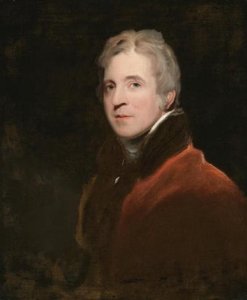
ジョージ・ハウランド・ボーモント
1753 - 1827 , イギリス
基本情報
- Artistic Movement Or Style: ロマン主義、ピクチャレスク
- Artists Or Movements Influenced By This Artist: ['ジョン・コンスタブル']
- Artists Who Influenced This Artist:
- リチャード・ウィルソン
- トーマス・ハーン
- Date Of Birth: 1753年
- Date Of Death: 1827年
- Full Name: ジョージ・ハウランド・ボーモント
- Nationality: イギリス
- Notable Artworks:
- 林の風景
- 風景画
- ブロートン城
- Place Of Birth: イギリス、ダンモウ
関連記事
ジョルジュ・ブラック傑作25選:革新的なキュビスムの世界と装飾への誘い
ジョルジュ・ブラックの傑作25選。キュビスムを代表する画家、その革新的な色彩と技法に迫ります。名画から知られざる逸品まで、美術史に残る作品群をArtsDot.comで鑑賞。お部屋を彩るアートプリントも多数ご用意。今すぐオンラインでコレクションをご覧ください。
ジョルジュ・スーラ傑作25選:光と色彩の科学が織りなす芸術の世界|ArtsDot
ジョルジュ・スーラの傑作25選。点描画の光と色彩、印象派から新印象派へ—ArtsDotで美術史を紐解き、リビングやダイニングを彩る高品質なアートプリントを見つけましょう。セーラ作品集をオンラインで鑑賞ください。
George Barret the Elder: Pioneering British Pastoral Painting & Landscape's Rise
Explore the life & art of George Barret Sr., a pioneer of British pastoral painting. Discover his influence on Romantic landscape art, patronage, and collecting tips from ArtsDot.

ロマン派ランドスケープ:時代を彩る巨匠の10選|アートとインテリアの世界
ロマン派絵画の時代を彩る10選。巨匠たちの風景が織りなす感動の世界へ。ターナー、ルーベンスなど、名作の裏話と高精細複製でアートをお部屋に。ArtsDot.comで至福のアート体験を。

Evocations of Place: A Historical Journey Through Landscape Art
Explore the rich history of landscape art with ArtsDot. Discover renowned artists, movements like Impressionism & Romanticism, and expert guidance for collecting timeless pieces. Find your perfect serene escape today!

