

 プレビュー
プレビュー
 プリントを購入
 シェアする
シェアする シェアする
シェアする
 詳細を見る
詳細を見る

 ダウンロード
 似ている作品
 X線調査
X線調査 スライドショー
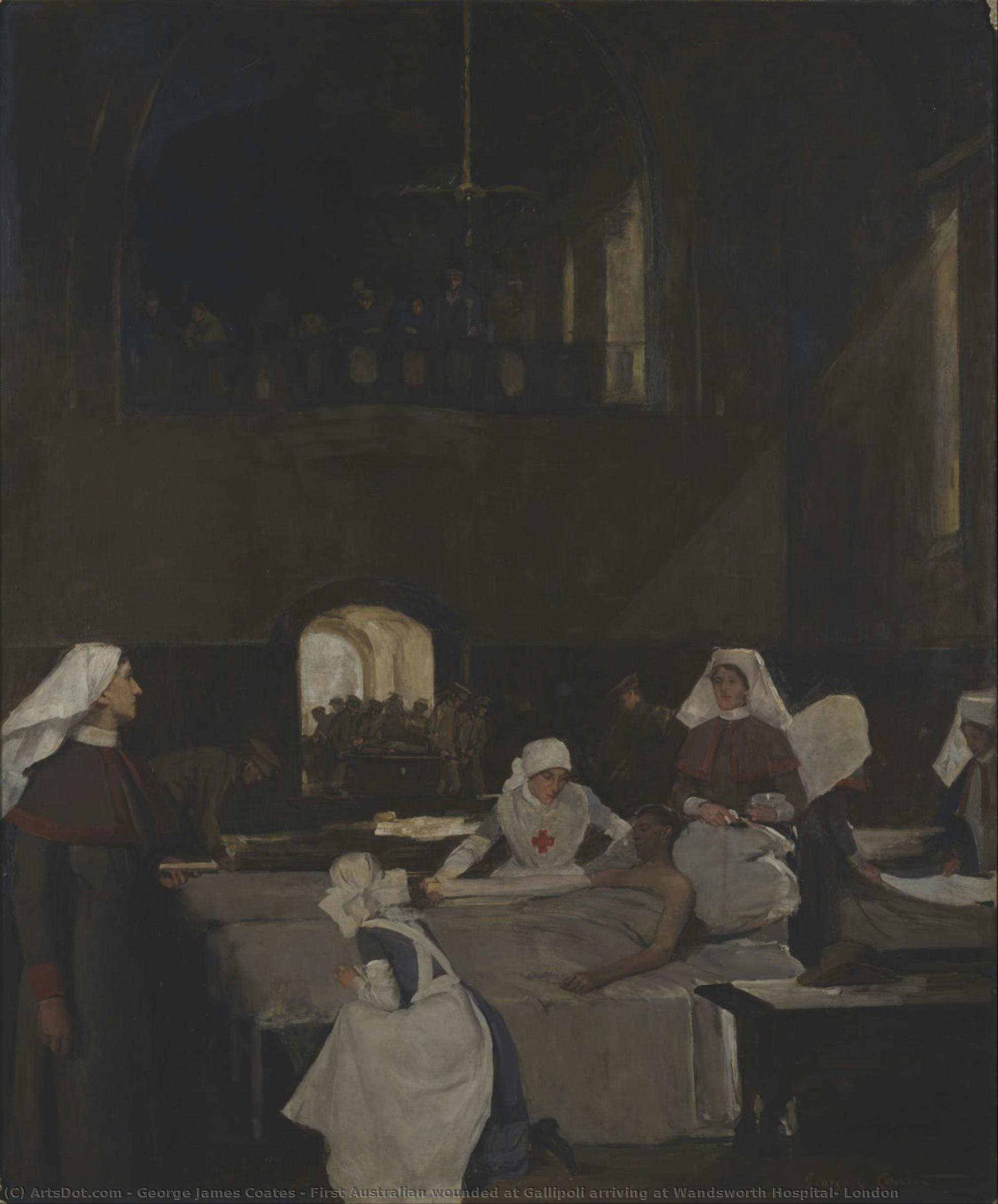
First Australian wounded at Gallipoli arriving at Wandsworth Hospital, London
 Acrylic
- WallArt
- Impressionism
 1921
1921 154.0 x 128.0 cm
 オーストラリア戦争記念館
 詳細を見る
詳細を見る




P118B $10

P118H $10

P118W $10

P438Z $10

P508JH $12

P508YH $12

P805H $10

P805Z $10

P919BZ $10

P919G $10

P919XJ $10

P959ZH $10

P968JZ $12

W106C $8

W218G $10

W218JH $8

W218Y $10

W307PJ $10

W316G $10

W316PJ $8

W316Y $10

W398PJ $8

W4111J $10

W500HY $15

W500JH $15

W692G $12

W849H $8

W940BG $15

W953PJ $8




作品のオリジナル比率に合わせた、当店の規定サイズからお選びください。

特定のフレームやスペースに合わせて、ご希望のサイズをご入力いただけます。選択されたサイズが元の画像の比率と異なる場合、アートワークをトリミングするか、手描きで要素を追加して絵画を拡張いたします。デジタルモックアップ を制作し、制作開始前にご確認(承認)をいただきます。
画面上のプレビューは、実際のトリミングや拡張を正確に反映しているものではありません。最終的な構図は、モックアップによってのみ正確にご確認いただけます。
カスタムサイズもご利用いただけますが、元の比率を維持するためには、あらかじめ用意されたリストからサイズを選択することをお勧めいたします。
ご注文後、ArtsDot.com チームより詳細な指示をお送りするとともに、仕上がりイメージ(モックアップ)をご提供いたします。


 ガラスオプションは、110cm未満のサイズでのみご利用いただけます。

First Australian wounded at Gallipoli arriving at Wandsworth Hospital, London
複製技法
複製画のサイズ
-


合計金額
$ 263
作品解説
First Australian wounded at Gallipoli arriving at Wandsworth Hospital, London
George James Coates’s “Arrival of the First Australian Wounded from Gallipoli at Wandsworth Hospital” is more than just a depiction of a hospital scene; it's a poignant snapshot of resilience and artistic dedication amidst the tumult of World War I. Completed in 1921, this oil on canvas captures a moment of quiet contemplation within the bustling Royal Army Medical Corps facility in London – specifically, Wandsworth Hospital – where Sergeant Coates served tirelessly from April 1915 to April 1919 alongside fellow Australian artists Arthur Streeton, Tom Roberts and AH Fullwood. The painting’s title itself speaks volumes about its genesis: it commemorates the first casualties endured by the artist himself—British and Australian soldiers wounded during the Gallipoli Campaign. The artwork's composition is remarkably restrained yet powerfully expressive. Coates skillfully employs a muted palette dominated by earthy tones – ochre, umber, and grey – reflecting not only the clinical environment but also conveying a sense of solemnity and introspection. The artist’s meticulous attention to detail is evident in every brushstroke, capturing the textures of fabric, skin, and medical instruments with remarkable accuracy. This realism is tempered by an underlying lyrical quality, achieved through subtle gradations of color and masterful use of light—techniques heavily influenced by Impressionist masters like Claude Monet and Pierre-Auguste Renoir. Coates established a small studio within the hospital’s recreation room, utilizing this space as his creative haven amidst the pressures of wartime service. This intimate setting allowed him to focus on capturing the essence of human experience – specifically, the compassion and care offered by nurses tending to wounded soldiers. The central figure—a woman lying in bed—is surrounded by fellow nurses who embody unwavering dedication to healing and comfort. Beyond the immediate depiction of medical care, however, the painting resonates with deeper symbolic significance. It represents not merely physical wounds but also the psychological scars inflicted by war, highlighting the importance of empathy and human connection during times of crisis. The artist’s stylistic choices align seamlessly with the broader artistic currents of his era—the burgeoning Symbolist movement—where artists sought to convey emotions and ideas beyond mere visual representation. Coates's masterful blending of observation and imagination elevates “Arrival of the First Australian wounded at Gallipoli arriving at Wandsworth Hospital” into a timeless meditation on human suffering and compassion. It stands as a testament to both artistic skill and the enduring power of art to illuminate the complexities of human experience. The painting’s dimensions are 154 x 128 cm, and it is currently housed in the Australian War Memorial. Its acquisition by the memorial underscores its significance as a visual record of Australia's involvement in World War I and serves as an inspiring reminder of the role artists play in documenting history and fostering understanding.関連作品
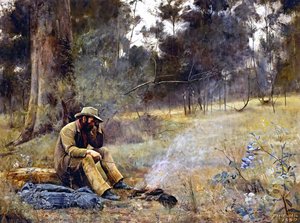
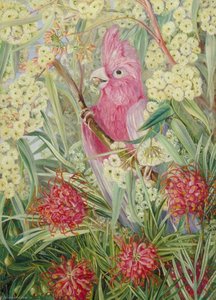
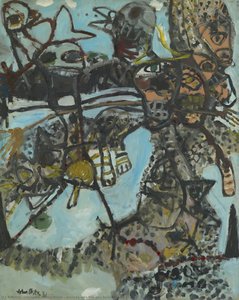
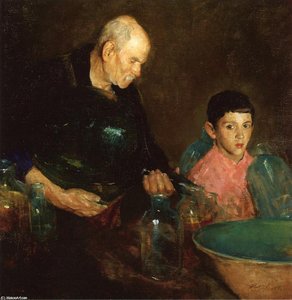
アーティストの略歴
Early Life and Education
- Born: August 8, 1869, in Emerald Hill (now South Melbourne, Victoria), Australia
- Parents: John Coates (artist-lithographer) and Elizabeth Irwin
- Education: St James Grammar School; apprenticed to Ferguson and Urie (glass-stainers); North Melbourne school of design; National Gallery of Victoria Art School (under Frederick McCubbin).
- Early struggles with affording art education due to his father's early death.
- Demonstrated artistic talent early, winning prizes for drawing and painting from the nude at the National Gallery.
Artistic Development and European Influences
- 1896: Won the Melbourne national gallery travelling scholarship.
- 1897-1900: Travelled to Europe, particularly Paris.
- Studied at Julien's classes in Paris.
- Influenced by French artists such as Pierre Puvis de Chavannes, Claude Monet, Pierre-Auguste Renoir, Edgar Degas, and Jean-Paul Laurens.
- Met and married Dora Meeson (also an artist) in Paris.
Career and Recognition
- 1903: Marriage to Dora Meeson.
- Early career involved supplying drawings for *Historian's History of the World*.
- Struggled initially to sell artwork, focusing on portrait commissions.
- 1912: Gained recognition at the Royal Academy exhibition in London with paintings like "Arthur Walker and his brother Harold," "Christine Silver," and "Mother and Child."
- Elected an associate of the Société Nationale des Beaux Arts in 1913.
- Became a Member of the Royal Academy in 1927.
World War I and Later Works
- 1919: Served as an official war artist to the Australian government, creating paintings depicting scenes from World War I.
- Discharged due to health reasons after the war.
- Returned to Australia in 1921 for exhibitions and sales of his work.
- Continued painting portraits and subject works until his death.
Artistic Style and Legacy
- Primarily a portrait painter, known for refined technique and luminous tones.
- Demonstrated ability in subject paintings with attention to rhythm and composition.
- Often used low-toned palettes without sacrificing luminosity.
- His work is represented in numerous Australian galleries and at the Australian War Museum.
- Died: July 27, 1930, in London, England.
- Legacy as a significant Australian portraitist and war artist.
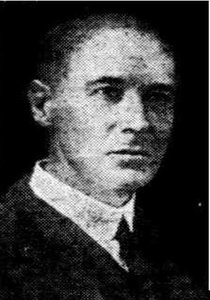
George James Coates
1869 - 1930 , United States of America
基本情報
- Artistic Movement Or Style: Realism, Impressionism
- Artists Who Influenced This Artist:
- Pierre Puvis de Chavannes
- Claude Monet
- Pierre-Auguste Renoir
- Edgar Degas
- Jean-Paul Laurens
- Date Of Birth: August 8, 1869
- Date Of Death: July 27, 1930
- Full Name: George James Coates
- Nationality: Australian
- Notable Artworks:
- Arthur Walker and his brother Harold
- Christine Silver
- Mother and Child
- Mary Stormont
- Mrs Rae
- Mrs Olive Lethbridge
- Place Of Birth: South Melbourne, USA
関連記事

ジョルジュ・ブラック傑作25選:革新的なキュビスムの世界と装飾への誘い
ジョルジュ・ブラックの傑作25選。キュビスムを代表する画家、その革新的な色彩と技法に迫ります。名画から知られざる逸品まで、美術史に残る作品群をArtsDot.comで鑑賞。お部屋を彩るアートプリントも多数ご用意。今すぐオンラインでコレクションをご覧ください。

ジョルジュ・スーラ傑作25選:光と色彩の科学が織りなす芸術の世界|ArtsDot
ジョルジュ・スーラの傑作25選。点描画の光と色彩、印象派から新印象派へ—ArtsDotで美術史を紐解き、リビングやダイニングを彩る高品質なアートプリントを見つけましょう。セーラ作品集をオンラインで鑑賞ください。

The Enduring Legacy of Oil on Canvas: Technique, History & Aesthetic Impact
Explore the rich history & techniques of oil painting – from Renaissance masters to Impressionism. Discover pigments, layering methods, and why this timeless medium endures. Expert insights for artists & art enthusiasts.

Oil on Canvas: A Historical & Technical Exploration of a Timeless Artistic Medium
Explore the rich history & enduring techniques of oil painting on canvas. Discover the science behind its longevity, conservation practices, and contemporary relevance. Expert insights for art enthusiasts.
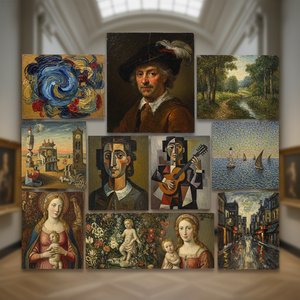
Oil on Board Masters: 10 Paintings That Redefined Art | ArtsDot
Explore 10 legendary 'Oil on Board' masterpieces by Van Gogh, Monet & more! Discover art history, iconic styles like Impressionism, and find museum-quality reproductions to elevate your home decor. Explore the full collection online at ArtsDot.com.

