

 プレビュー
プレビュー
 プリントを購入
 シェアする
シェアする シェアする
シェアする
 詳細を見る
詳細を見る

 ダウンロード
 似ている作品
 X線調査
X線調査 スライドショー
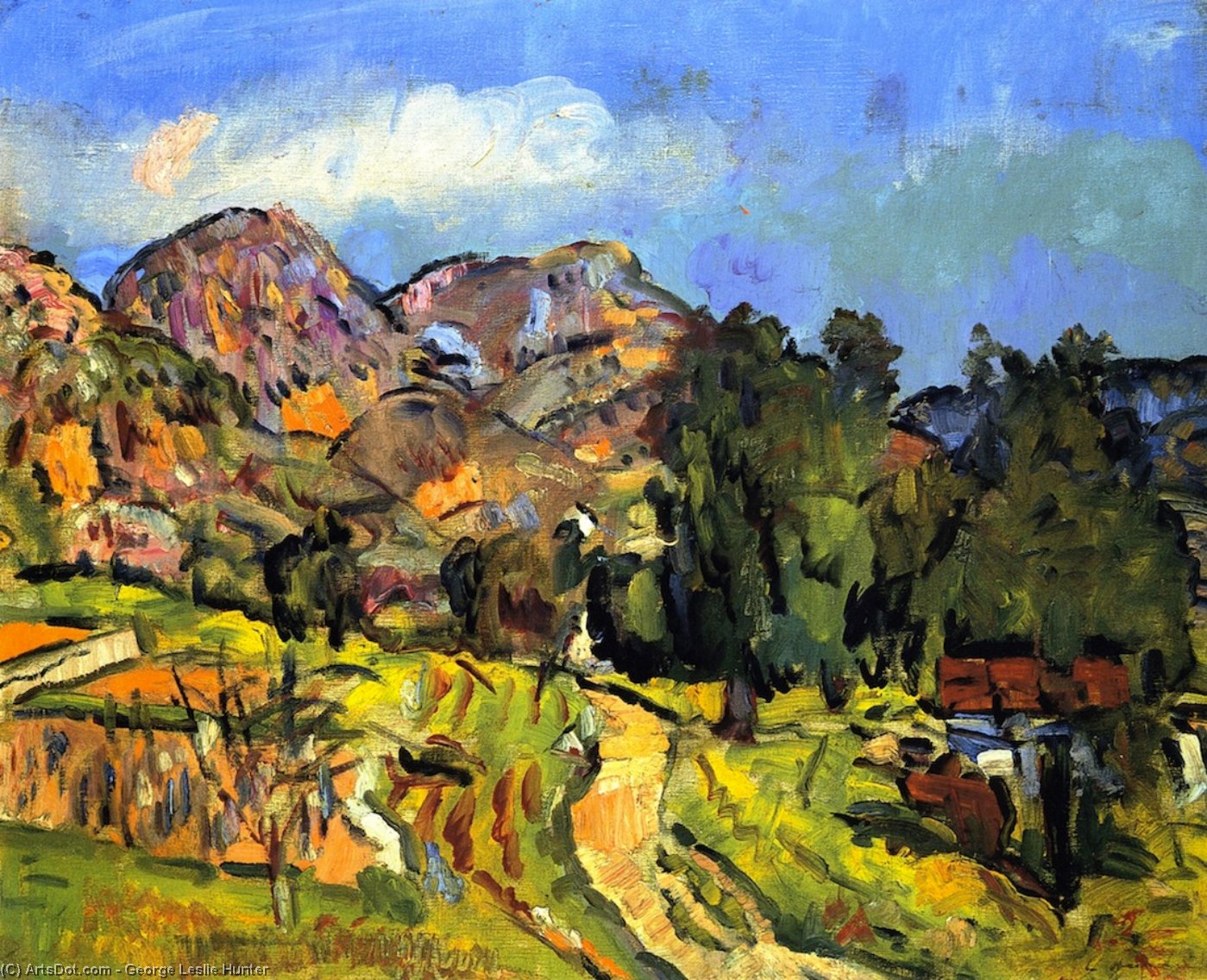
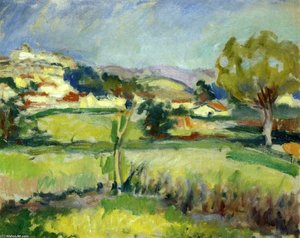
Provencal Landscape
 1929
1929 57.0 x 70.0 cm
 詳細を見る
詳細を見る
オンラインプレビューをはるかに凌ぐ、高解像度で鮮明なデジタル画像をご購入いただけます。
各ファイルは、社内の専門家が高度なツールと熟練した手作業によるレタッチを用いて、細心の注意を払って準備されています。すべての画像において、卓越した鮮明度、正確な色彩再現性、そして繊細なディテールを保証いたします。
最終ファイルは、プロフェッショナルな編集・印刷環境ですぐにご利用いただけるよう最適化された状態で、72時間以内にメールにてお届けいたします。これは、一流のデザインスタジオ、出版社、ギャラリーから信頼されているものと同等の品質です。
デジタル画像のご注文に付随する特典
高品質なデジタル画像配信を、確かな品質で。
ArtsDot.com を選ぶことは、単に画像を手に入れることではありません。それは、プロの手によって精密に仕上げられ、満足保証が付いた高品質なデジタルアートワークを受け取ることを意味します。ご注文いただいた際に自動的に付随する内容は、以下の通りです:

メールですぐにお届け
ご注文から72時間以内に、高解像度のデジタル画像ファイルがメールでお手元に届きます。すぐにそのままご利用いただけます。

AI技術で最適化されたデジタルファイル
お客様の作品は、高度なAIツールと専門家による手作業の編集を組み合わせてプロフェッショナルに最適化されており、細部のディテール、鮮明さ、そして正確な色再現性を最大限に引き出しています。

一生涯無料の再送サービス
ファイルを誤って削除したり、紛失してしまったりしましたか?ご安心ください。いつでも無料で再送いたします。

輸入手数料は一切かかりません
関税や手数料、配送料を気にすることなく、お気に入りのアートワークをすぐにお楽しみいただけます。デジタルダウンロードは常に免税です。

色彩再現の保証
プロ仕様のツールとカラーマネジメント技術を用いることで、デジタル画像が元の色を最大限に忠実に再現することを保証いたします。

60日間満足保証
ご購入いただいたデジタル画像にご満足いただけない場合は、60日以内であれば、修正または100%の返金(理由を問う必要はありません)をさせていただきます。

100% 返金保証
ご満足いただけない場合は、デジタルファイルを受け取ってから60日以内であれば、理由を問わず全額返金いたします。

まとめ買い割引
3枚購入で10%OFF - 5枚購入で15%OFF - 10枚以上購入で20%OFF。クリエイティブなプロジェクト、ギャラリー、エージェンシーに最適です。
作品の詳細
Artistic Style and Influences
George Leslie Hunter's artistic style is characterized by his attention to detail and vivid colors, which capture the essence of the landscapes he portrayed. His work is reminiscent of other notable artists, such as Fausto Zonaro, who was known for his realist style paintings of life and history in the Ottoman Empire. You can discover more about Fausto Zonaro's artwork on ArtsDot.com. Key Features of the Painting The Provencal Landscape features several houses scattered throughout the valley, adding to the picturesque quality of the image. A person is also visible in the painting, likely enjoying the scenery or going about their daily activities. The overall composition of the painting creates a sense of peace and serenity.Similar Paintings and Artists
If you're interested in exploring more paintings like Provencal Landscape, you may want to consider the works of other artists, such as Jean Baptiste Camille Corot, who created beautiful landscapes and portraits. You can find more information about Jean Baptiste Camille Corot's artwork on ArtsDot.com. The Musée Lambinet in France is also worth visiting, as it features a collection of artworks and tells the history of the town of Versailles.- Discover more about George Leslie Hunter's artwork on ArtsDot.com
- Learn about the Musée Lambinet and its masterpieces on ArtsDot.com
The Provencal Landscape is a beautiful example of George Leslie Hunter's skill and technique as an artist. If you're interested in purchasing a handmade oil painting reproduction of this stunning landscape, visit ArtsDot.com today.
関連作品

作家の略歴
A Transatlantic Journey: The Life and Art of George Leslie Hunter
George Leslie Hunter, a pivotal figure in the Scottish Colourists movement, lived a life marked by geographical displacement and artistic evolution. Born on August 7, 1877, in Rothesay on the Isle of Bute, Scotland, his early years were steeped in the quiet beauty of the Scottish landscape – a visual vocabulary that would later resurface with vibrant intensity in his mature work. However, tragedy struck the Hunter family in quick succession; the deaths of two siblings prompted a momentous decision: emigration to California in 1892. This relocation wasn’t merely a change of scenery but a profound shift in young George's formative experiences. The bustling artistic environment of San Francisco, so different from his Scottish upbringing, proved fertile ground for developing his skills as an illustrator, working for newspapers and journals. He mingled with the literary elite of the time – Bret Harte, Jack London, and others within the vibrant Bohemian Club scene – absorbing influences that would subtly shape his aesthetic sensibilities. This American period, lasting fifteen years, instilled in him a professional discipline and exposure to diverse artistic currents unavailable in Scotland at the time.
From California to Colour: Re-Rooting and Artistic Awakening
The devastating San Francisco earthquake of 1906 proved a turning point, destroying Hunter’s studio and much of his early work. This catastrophe prompted his return to Scotland, settling in Glasgow where he initially continued his career as an illustrator. Yet, the seeds of ambition for fine art had been sown during his American sojourn. He began to dedicate himself to oil painting, initially exploring still life compositions characterized by dark backgrounds – a clear nod to the Dutch masters like Chardin and Kalf whose works he admired. These early paintings demonstrate a meticulous attention to detail and a mastery of tonal values, but they lacked the luminous quality that would define his later style. A crucial moment arrived with his discovery by Alexander Reid, a prominent Glasgow art dealer who recognized Hunter’s burgeoning talent and organized his first solo exhibition in 1915. This marked his official entry into the Scottish art world and paved the way for his association with John Duncan Fergusson, F.C.B. Cadell, and Samuel Peploe – the artists collectively known as the Scottish Colourists.
The Embrace of Light: European Influences and Artistic Maturity
Like his fellow Colourists, Hunter embarked on journeys to Europe, particularly France and Italy, in the 1920s. These travels were not simply sightseeing trips; they were immersive artistic pilgrimages. The vibrant light and bold colors of the Mediterranean landscape profoundly impacted his work, pushing him towards a more experimental approach to composition and color application. He absorbed influences from French Impressionism and Post-Impressionism, but never merely imitated them. Instead, he synthesized these external stimuli with his own unique vision, developing a style characterized by flattened planes of color, simplified forms, and an emphasis on capturing the fleeting effects of light. Exhibitions in London’s Leicester Galleries and Paris’ Galerie Barbazanges brought his work to international attention, solidifying his reputation as a significant modern artist. Hunter himself articulated a clear artistic philosophy: he sought to evoke joy through harmony, light, and distinct outlines, rejecting somber or melancholic themes in favor of celebrating the beauty of the world around him.
A Legacy of Colour and Light
Hunter’s later years were unfortunately marked by recurring health problems, yet his artistic output remained prolific and diverse. He worked across various media – oil, watercolor, and ink – demonstrating a remarkable versatility. Despite his talent, he maintained a somewhat reclusive nature, preferring the solitude of his studio to the clamor of the art world. He passed away on December 7, 1931, in Glasgow, leaving behind a body of work that would gradually gain increasing recognition after his death. Initially overshadowed by some of his Colourist contemporaries, Hunter’s paintings have steadily risen in esteem, becoming highly valued by collectors and critics alike. Today, he is rightfully recognized as a key figure within the Scottish Colourists movement – an artist who masterfully captured the essence of nature through pure hues and skillful treatment of light, contributing significantly to the development of modern art in Scotland and leaving behind a vibrant legacy that continues to inspire.
Influences and Significance
- Dutch Masters: The early influence of Dutch still life painters like Chardin, Kalf, and Manet is evident in Hunter’s meticulous technique and careful observation of form.
- French Impressionism & Post-Impressionism: Exposure to French art during his travels broadened his palette and encouraged a more experimental approach to composition.
- Scottish Colourists Movement: As a central member, Hunter helped define the movement’s signature style of vibrant color and modern sensibility.
- Treatment of Light and Color: His paintings are celebrated for their ability to capture the essence of light and its transformative effect on landscapes and objects.
- Historical Significance: Hunter’s work represents a crucial step in the development of modern art in Scotland, bridging the gap between traditional techniques and contemporary aesthetics. He remains a popular and highly regarded artist whose contributions continue to resonate with audiences today.
His paintings are not merely representations of reality; they are celebrations of life, light, and color – a testament to his enduring artistic vision.

George Leslie Hunter
1877 - 1931

