

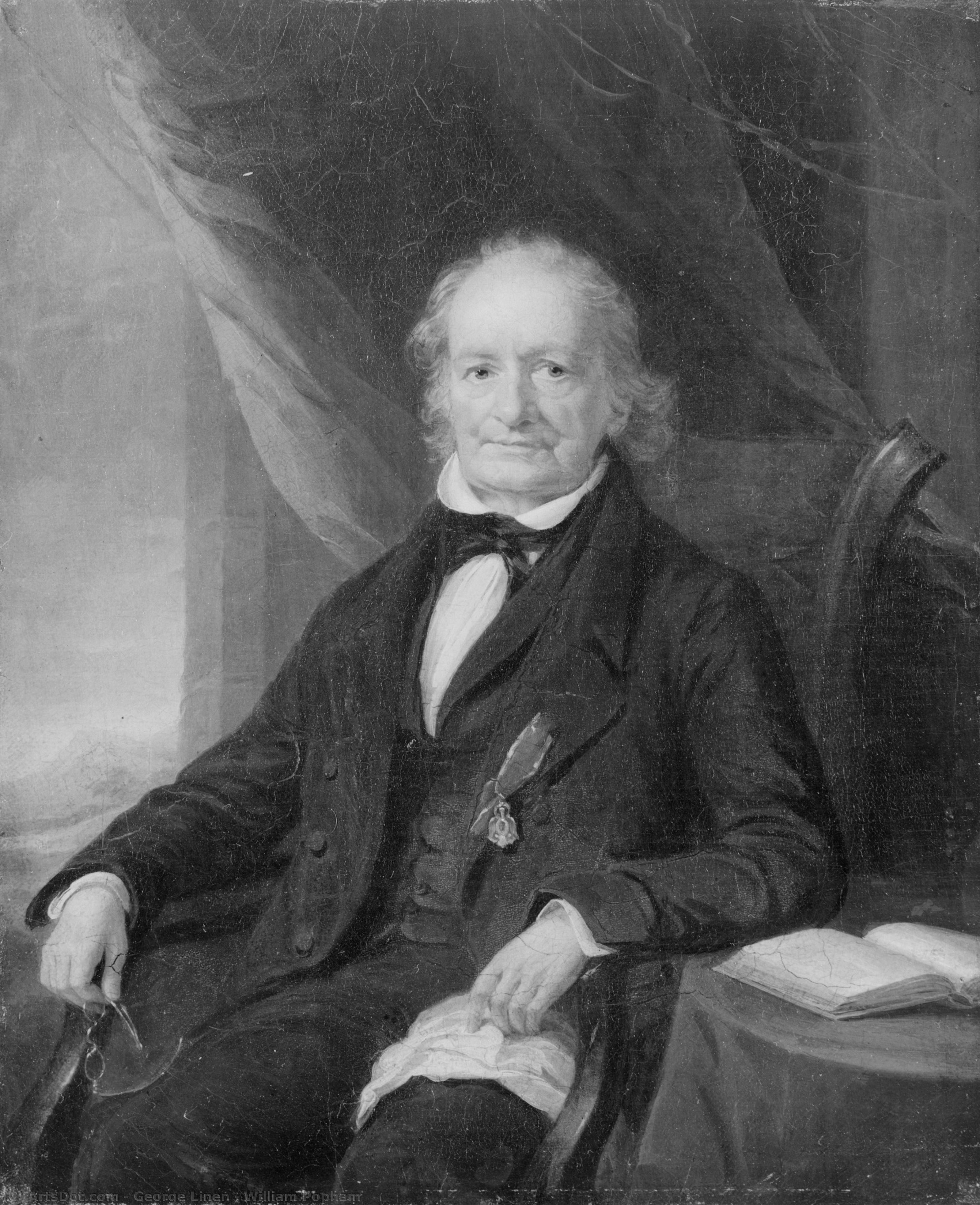
 プレビュー
プレビュー
 シェアする
シェアする シェアする
シェアする
 詳細を見る
詳細を見る

 ダウンロード
 似ている作品
 X線調査
X線調査 スライドショー
 統計情報
統計情報William Popham
 1845
1845 31.0 x 25.0 cm
 詳細を見る
詳細を見る
オンラインプレビューをはるかに凌ぐ、高解像度で鮮明なデジタル画像をご購入いただけます。
各ファイルは、社内の専門家が高度なツールと熟練した手作業によるレタッチを用いて、細心の注意を払って準備されています。すべての画像において、卓越した鮮明度、正確な色彩再現性、そして繊細なディテールを保証いたします。
最終ファイルは、プロフェッショナルな編集・印刷環境ですぐにご利用いただけるよう最適化された状態で、72時間以内にメールにてお届けいたします。これは、一流のデザインスタジオ、出版社、ギャラリーから信頼されているものと同等の品質です。
デジタルアート
個人での鑑賞、印刷、クリエイティブなプロジェクト用に、高解像度ファイルをダウンロードできます。 ( プリント版に切り替え 手描きの絵画を購入)
デジタル画像のご注文に付随する特典
高品質なデジタル画像配信を、確かな品質で。
ArtsDot.com を選ぶことは、単に画像を手に入れることではありません。それは、プロの手によって精密に仕上げられ、満足保証が付いた高品質なデジタルアートワークを受け取ることを意味します。ご注文いただいた際に自動的に付随する内容は、以下の通りです:

メールですぐにお届け
ご注文から72時間以内に、高解像度のデジタル画像ファイルがメールでお手元に届きます。すぐにそのままご利用いただけます。

AI技術で最適化されたデジタルファイル
お客様の作品は、高度なAIツールと専門家による手作業の編集を組み合わせてプロフェッショナルに最適化されており、細部のディテール、鮮明さ、そして正確な色再現性を最大限に引き出しています。

一生涯無料の再送サービス
ファイルを誤って削除したり、紛失してしまったりしましたか?ご安心ください。いつでも無料で再送いたします。

輸入手数料は一切かかりません
関税や手数料、配送料を気にすることなく、お気に入りのアートワークをすぐにお楽しみいただけます。デジタルダウンロードは常に免税です。

色彩再現の保証
プロ仕様のツールとカラーマネジメント技術を用いることで、デジタル画像が元の色を最大限に忠実に再現することを保証いたします。

100日間満足保証
ご購入いただいたデジタル画像にご満足いただけない場合は、100日以内であれば、理由を問わず修正または100%の返金対応をさせていただきます。

100% 返金保証
ご満足いただけない場合は、デジタルファイルを受け取ってから100日以内であれば、理由を問わず全額返金いたします。

まとめ買い割引
3枚購入で10%OFF - 5枚購入で15%OFF - 10枚以上購入で20%OFF。クリエイティブなプロジェクト、ギャラリー、エージェンシーに最適です。
関連作品








作家の略歴
George Linen Linen: A Scottish Master of Cabinet Portraits
George Linen Linen (1802-1888) emerged from the verdant landscapes of Greenlaw, Scotland, a region steeped in history and tradition – a heritage that would profoundly influence his artistic vision. His journey began with formal training at the Royal Scottish Academy in Edinburgh, an institution renowned for nurturing talent and shaping the aesthetic sensibilities of its students. However, Linen’s ambition extended beyond the confines of his homeland; he embarked on a transatlantic voyage to New York City in 1834, seeking new opportunities and a fresh artistic landscape. This move marked a pivotal moment, transforming him from a promising Scottish painter into a respected figure within the burgeoning art scene of America. Linen’s career was primarily defined by his exceptional skill in cabinet portraiture – intimate, meticulously detailed depictions of individuals intended for display within private collections. Unlike grand historical paintings or expansive landscapes, these portraits focused on capturing the essence of a subject's character and personality through subtle nuances of expression, gesture, and attire. He possessed an almost uncanny ability to render textures with remarkable precision—the velvet of a coat, the sheen of polished shoes, the delicate folds of fabric—creating works that were both visually arresting and deeply revealing. His subjects ranged from wealthy merchants and prominent politicians to members of New York’s elite social circles, offering a fascinating glimpse into the lives and aspirations of his time.Early Influences and Artistic Development
Linen's artistic development was undoubtedly shaped by the prevailing trends of 19th-century portraiture, particularly the influence of Sir Thomas Lawrence in England. The emphasis on realism, naturalism, and a sense of psychological depth—a desire to capture not just an outward likeness but also the inner life of the subject—were hallmarks of both artists. However, Linen’s work possessed a distinct Scottish sensibility, characterized by a quiet dignity, a subtle melancholy, and a keen awareness of the complexities of human relationships. The stark beauty of the Scottish Highlands, with its rugged landscapes and stoic inhabitants, likely left an indelible mark on his artistic vision. Furthermore, Linen's time in Edinburgh exposed him to the vibrant cultural scene of the city—the literary salons, the intellectual debates, and the burgeoning commercial activity that fueled the Scottish economy. The British Linen Bank, a prominent institution with deep roots in the linen industry, served as a tangible reminder of his homeland’s economic strength and its connection to the textile trade. This association subtly permeated his work, imbuing his portraits with a sense of understated elegance and refined taste.Technique and Style
Linen's technical mastery was legendary among his contemporaries. He employed a meticulous layering technique, building up thin glazes of paint to achieve remarkable depth and luminosity. His use of light and shadow was particularly noteworthy—he skillfully manipulated the interplay of highlights and dark tones to create a sense of three-dimensionality and to emphasize the contours of his subjects’ faces and bodies. He favored a palette of muted earth tones, often incorporating subtle hints of color to enhance the richness and complexity of his compositions. A key element of Linen's style was his ability to capture fleeting expressions—a flicker of amusement in an eye, a hint of sadness in a downturned mouth, a subtle shift in posture that revealed a subject’s inner thoughts and emotions. These small details were what elevated his portraits from mere likenesses to compelling narratives of human experience. His cabinet portraits weren't simply representations; they were carefully constructed dialogues between the artist and his subject, inviting viewers to contemplate their lives and legacies.Legacy and Historical Significance
George Linen Linen’s contribution to 19th-century portraiture is significant not only for the technical skill evident in his work but also for his ability to capture the spirit of a particular era. His portraits offer invaluable insights into the social, cultural, and economic landscape of New York City during the mid-19th century—a period of rapid growth, industrialization, and immigration. His meticulous attention to detail and his profound understanding of human psychology have ensured that his work continues to resonate with viewers today. While he may not be as widely celebrated as some of his contemporaries, Linen’s legacy endures through the exquisite beauty and enduring appeal of his cabinet portraits—testaments to a Scottish artist who found success and recognition in the heart of America. His works are now treasured for their refined elegance, intimate portrayal of human character, and remarkable technical skill, solidifying his place as a significant figure in American art history.Further Resources
- ArtsDot.com: George Linen Linen
- William Popham: George Linen Linen, William Popham
- British Linen Bank: British Linen Bank

george linen linen
1802 - 1888 , United Kingdom
プロフィール概要
- Artistic Movement Or Style: Cabinet portraits
- Artists Who Influenced This Artist: ['William Popham']
- Date Of Birth: 1802
- Date Of Death: 1888
- Full Name: George Linen Linen
- Nationality: Scottish
- Notable Artworks: ['Cabinet Portraits']
- Place Of Birth: Greenlaw, Scotland