

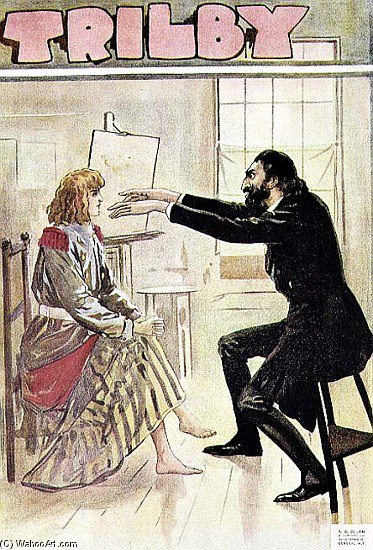
 プレビュー
プレビュー
 シェアする
シェアする シェアする
シェアする
 詳細を見る
詳細を見る

 ダウンロード
 似ている作品
 X線調査
X線調査 スライドショー
 統計情報
統計情報Trilby Hypnotised
 詳細を見る
詳細を見る
ジークレー/アートプリント
迅速な制作と多彩な仕上げオプションを備えた、ミュージアムクオリティのジークレーまたはキャンバスプリント。 ( 手描きの絵画を購入 デジタル画像販売へ切り替え)




































作品のオリジナル比率に合わせた、当店の規定サイズからお選びください。

特定のフレームやスペースに合わせて、ご自身でサイズを指定することも可能です。選択されたサイズが元の画像の比率と一致しない場合、作品をトリミングするか、鏡面反射または単色での塗りつぶしによって画像を拡張いたします。制作を開始する前に、ご確認用のデジタルモックアップをお送りいたします。
画面上のプレビューには、実際のトリミングや拡張は反映されませんのでご注意ください。最終的な構図を正確に確認できるのは、モックアップのみとなります。
カスタムサイズも承っておりますが、元の比率を維持するためには、あらかじめ用意されたリストからサイズを選択することをお勧めいたします。


 ガラスオプションは、110cm未満のサイズでのみご利用いただけます。

Trilby Hypnotised
ジークレー/アートプリント
複製画のサイズ
-


合計金額
$ 62
関連作品









アーティストの略歴
George Louis Palmella Busson du Maurier: A Victorian Visionary
George du Maurier (1834-1896) stands as a singular figure in 19th-century British art and literature, renowned primarily for his masterful caricatures published in *Punch* magazine and his haunting gothic novel *Trilby*. More than just an illustrator or novelist, he was a keen observer of societal mores—a chronicler of Victorian England who captured its anxieties and contradictions with unflinching detail and subtle humor. His legacy extends beyond the immediate visual impact of his drawings; it resides in the enduring themes explored within his fiction and the indelible impression left on subsequent writers like Daphne du Maurier, his granddaughter.Early Life and Artistic Beginnings
Born in Calcutta, India, to an aristocratic French father and English mother, George du Maurier’s upbringing instilled in him a cosmopolitan sensibility that would inform his artistic pursuits. He received a privileged education at Eton College and Trinity College Dublin, where he excelled in classical studies before embarking on a career as a sculptor. However, it was drawing—specifically caricature—that truly captivated him. Influenced by artists like Gustave Courbet and Eugène Froment-André, du Maurier honed his skills through diligent practice and embraced the expressive potential of tonal shading to convey emotion and psychological complexity. This formative period established a foundation for his distinctive artistic style – one characterized by meticulous realism combined with an uncanny ability to distill character into striking visual representations.The Illustrious Career in Punch Magazine
Du Maurier’s fame ascended dramatically upon joining *Punch* magazine in 1860, where he served as chief illustrator for over three decades. During this time, he produced an astonishing volume of work—over 500 illustrations—that cemented his reputation as Britain's foremost satirist. Unlike many contemporaries who relied on slapstick humor, du Maurier employed a sophisticated technique of visual storytelling to expose hypocrisy and ridicule social conventions. His depictions of Victorian society were imbued with psychological insight; he dissected human behavior with precision, portraying individuals as flawed yet undeniably relatable figures. Recurring motifs—such as the Svengali character—became instantly recognizable symbols of manipulation and obsession, reflecting anxieties about power dynamics within Victorian culture.Literary Achievements: Trilby and Beyond
While his illustrations captivated audiences worldwide, du Maurier’s literary output deserves equal consideration. *Trilby*, published in 1894, remains a cornerstone of gothic fiction—a chilling tale exploring themes of exploitation, delusion, and the corrosive influence of obsession. The novel's protagonist, Trilby Fairliffe, is a young woman subjected to coercive hypnosis by Svengali, a manipulative stage magician who embodies du Maurier’s fascination with psychological manipulation. Du Maurier skillfully crafted an atmosphere of suspense and dread, utilizing evocative descriptions and symbolic imagery to convey the profound impact of trauma on the human psyche. *Trilby* solidified his position as a storyteller capable of capturing the darker recesses of human experience—a skill that would continue to inspire writers for generations to come.Legacy and Artistic Influence
George du Maurier’s influence extends far beyond his immediate contemporaries. His meticulous realism and psychological depth profoundly impacted subsequent illustrators and novelists, shaping artistic sensibilities throughout the 20th century. Artists like Aubrey Beardsley and Arthur Rackham acknowledged du Maurier's mastery of tonal shading and visual storytelling—techniques that would become hallmarks of their own distinctive styles. Furthermore, Daphne du Maurier, his granddaughter, drew inspiration from *Trilby*, adapting its gothic atmosphere and psychological complexities into her celebrated novel *Rebecca*. George du Maurier’s enduring legacy testifies to the power of observation, empathy, and artistic innovation—a testament to a Victorian artist who continues to fascinate audiences with his unflinching portrayal of human nature.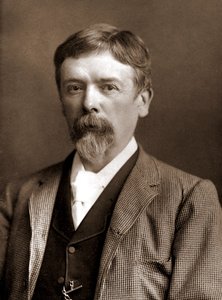
george louis palmella busson du maurier
1834 - 1896
基本情報
- Artistic Movement Or Style: Victorian Cartoonist
- Date Of Birth: March 6, 1834
- Date Of Death: October 8, 1896
- Full Name: George Louis Palmella Busson du Maurier
- Nationality: Franco-British
- Notable Artworks:
- School boys fighting
- Trilby Hypnotised
- My Darling Girl
- Place Of Birth: London, England