

 プレビュー
プレビュー
 シェアする
シェアする シェアする
シェアする
 詳細を見る
詳細を見る

 ダウンロード
 似ている作品
 X線調査
X線調査 スライドショー
 Stats
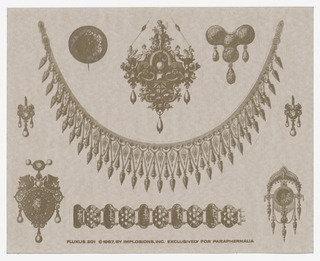
StatsFluxus 301
 1967
1967 33.0 x 25.0 cm
 詳細を見る
詳細を見る
オンラインプレビューをはるかに凌ぐ、高解像度で鮮明なデジタル画像をご購入いただけます。
各ファイルは、社内の専門家が高度なツールと熟練した手作業によるレタッチを用いて、細心の注意を払って準備されています。すべての画像において、卓越した鮮明度、正確な色彩再現性、そして繊細なディテールを保証いたします。
最終ファイルは、プロフェッショナルな編集・印刷環境ですぐにご利用いただけるよう最適化された状態で、72時間以内にメールにてお届けいたします。これは、一流のデザインスタジオ、出版社、ギャラリーから信頼されているものと同等の品質です。
デジタルアート
個人での鑑賞、印刷、クリエイティブなプロジェクト用に、高解像度ファイルをダウンロードできます。 ( Switch to Print 手描きの絵画を購入)
デジタル画像のご注文に付随する特典
高品質なデジタル画像配信を、確かな品質で。
ArtsDot.com を選ぶことは、単に画像を手に入れることではありません。それは、プロの手によって精密に仕上げられ、満足保証が付いた高品質なデジタルアートワークを受け取ることを意味します。ご注文いただいた際に自動的に付随する内容は、以下の通りです:

メールですぐにお届け
ご注文から72時間以内に、高解像度のデジタル画像ファイルがメールでお手元に届きます。すぐにそのままご利用いただけます。

AI技術で最適化されたデジタルファイル
お客様の作品は、高度なAIツールと専門家による手作業の編集を組み合わせてプロフェッショナルに最適化されており、細部のディテール、鮮明さ、そして正確な色再現性を最大限に引き出しています。

一生涯無料の再送サービス
ファイルを誤って削除したり、紛失してしまったりしましたか?ご安心ください。いつでも無料で再送いたします。

輸入手数料は一切かかりません
関税や手数料、配送料を気にすることなく、お気に入りのアートワークをすぐにお楽しみいただけます。デジタルダウンロードは常に免税です。

色彩再現の保証
プロ仕様のツールとカラーマネジメント技術を用いることで、デジタル画像が元の色を最大限に忠実に再現することを保証いたします。

100日間満足保証
ご購入いただいたデジタル画像にご満足いただけない場合は、100日以内であれば、理由を問わず修正または100%の返金対応をさせていただきます。

100% 返金保証
ご満足いただけない場合は、デジタルファイルを受け取ってから100日以内であれば、理由を問わず全額返金いたします。

まとめ買い割引
3枚購入で10%OFF - 5枚購入で15%OFF - 10枚以上購入で20%OFF。クリエイティブなプロジェクト、ギャラリー、エージェンシーに最適です。
関連作品






作家の略歴
A Life Forged in Displacement: The Early Years of George Maciunas
Born Jurgis Mačiūnas in 1931 Kaunas, Lithuania, the life of George Maciunas was fundamentally shaped by the tumultuous currents of 20th-century history. His parents, Alexander M. Maciunas – an architect and engineer – and Leokadija, a dancer with connections to figures like Aleksandr Kerensky, instilled in him a sensibility that blended artistic expression with intellectual rigor. The looming shadow of World War II forced the family into flight in 1944, a desperate escape from the advancing Red Army. This period of displacement—brief stays in Germany before finally reaching the United States in 1948—left an indelible mark on Maciunas, fostering a lifelong questioning of boundaries and a deep empathy for those existing outside established norms. His subsequent eleven years of intensive study – spanning Cooper Union, Carnegie Institute of Technology, and New York University’s Institute of Fine Arts – weren't merely academic pursuits; they were a relentless quest to understand the very foundations of artistic creation. He immersed himself in art history, graphic design, architecture, and even musicology, specializing in European and Siberian art, all while beginning his ambitious, never-fully-realized “Time/Space Chart,” an attempt to map the interconnectedness of artistic movements throughout history. This chart wasn’t simply a catalog; it was a visual representation of Maciunas's burgeoning belief that art existed not in isolation, but as part of a vast, interwoven network of ideas and influences.The Genesis of Fluxus: Challenging the Status Quo
Maciunas didn’t simply observe the art world; he sought to dismantle it, or rather, to redefine its very essence. He is rightfully considered the founding member and central coordinating force behind Fluxus, an international, interdisciplinary movement that emerged in the early 1960s as a radical rejection of traditional artistic conventions. Fluxus wasn’t defined by a single style or medium; it was a spirit of experimentation, a playful subversion of established hierarchies, and a commitment to blurring the lines between art and life. Maciunas's own 1963 manifesto laid out these core principles, advocating for “intermedia”—a deliberate mixing of artistic disciplines—and a rejection of commercialism. He gathered around him a constellation of like-minded artists – Ay-O, Joseph Beuys, Jonas Mekas, George Brecht, Dick Higgins, Yoko Ono, Nam June Paik, and Wolf Vostell among them – creating a collaborative network that challenged the very notion of individual artistic genius. The movement’s roots were diverse, drawing inspiration from John Cage's experimental music, Eastern philosophy, the happenings at Black Mountain College, the provocative spirit of the Nouveaux Réalistes, and, crucially, Marcel Duchamp’s revolutionary concept of the readymade. Maciunas wasn’t interested in creating beautiful objects for a privileged few; he wanted to make art accessible, democratic, and integral to everyday experience.Multiples, Happenings, and the Democratization of Art
Maciunas translated his radical ideas into tangible form through several groundbreaking innovations. He became renowned for organizing pivotal happenings and festivals that served as laboratories for Fluxus experimentation. These weren’t passive exhibitions; they were immersive events designed to challenge audience expectations and disrupt conventional notions of artistic presentation. Perhaps his most enduring legacy lies in the creation of artists' multiples – mass-produced artworks intended to be affordable and widely available. This was a direct assault on the exclusivity of the art market, a deliberate attempt to democratize access to creative expression. The “Flux Kit,” perhaps the most iconic example of this approach, was a boxed collection of works by various Fluxus artists distributed through a mailing list – a remarkably prescient precursor to contemporary art distribution models and subscription services. Alongside these practical endeavors, Maciunas continued developing his complex "Diagram of Historical Development of Fluxus," an ongoing project that visually mapped the interconnectedness of artistic movements and sensory experiences, reflecting his enduring fascination with historical context and the flow of ideas.A Lasting Legacy: From Dada to Contemporary Practice
The influence of Dada – its anti-art stance and rejection of conventional aesthetics – is readily apparent in Maciunas’s work. However, he moved beyond mere negation, forging a path toward what would become known as conceptual art, emphasizing the idea behind the artwork over traditional artistic skills or materials. His emphasis on process, collaboration, and interdisciplinary approaches continues to resonate with contemporary artists today. One can see echoes of Maciunas’s spirit in the performance work of Marina Abramović, the boundary-pushing installations of Damien Hirst, and the exploration of everyday life as artistic material that characterizes much modern practice. Maciunas played a crucial role in dismantling the traditional concept of the art object, promoting a more inclusive and accessible understanding of art—one where creativity wasn’t confined to galleries or museums but permeated all aspects of human experience. Though he died prematurely in 1978 at the age of 46, his impact continues to grow as scholars reassess his contributions, recognizing him not just as an organizer, but as a visionary artist who fundamentally altered the landscape of contemporary art. His work remains a potent reminder that art can be a force for social change, a catalyst for dialogue, and a celebration of the unexpected.
George Maciunas
1931 - 1978 , Lithuania
プロフィール概要
- Artistic Movement Or Style: Fluxus, Conceptual Art
- Artists Or Movements Influenced By This Artist:
- Marina Abramović
- Damien Hirst
- Artists Who Influenced This Artist:
- John Cage
- Marcel Duchamp
- Date Of Birth: November 8, 1931
- Date Of Death: May 9, 1978
- Full Name: George Maciunas
- Nationality: Lithuanian-American
- Notable Artworks:
- Photographic Ballet
- Face Anatomy Mask
- Poster for Yoko Ono
- Place Of Birth: Kaunas, Lithuania