 プレビュー
プレビュー
 プリントを購入
 シェアする
シェアする シェアする
シェアする
 詳細を見る
詳細を見る

 ダウンロード
 似ている作品
 X線調査
X線調査 スライドショー
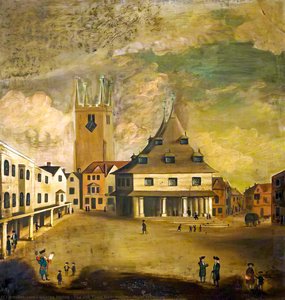
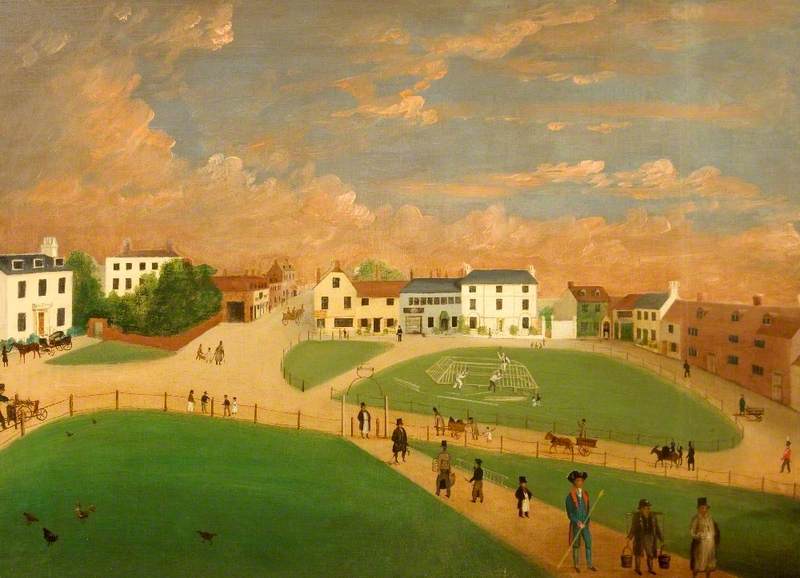
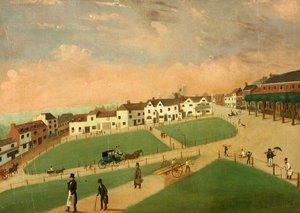
The Green, Marlborough, Wiltshire
 Genre Painting
 56.0 x 83.0 cm
 Marlborough Town Council Offices
 詳細を見る
詳細を見る
オンラインプレビューをはるかに凌ぐ、高解像度で鮮明なデジタル画像をご購入いただけます。
各ファイルは、社内の専門家が高度なツールと熟練した手作業によるレタッチを用いて、細心の注意を払って準備されています。すべての画像において、卓越した鮮明度、正確な色彩再現性、そして繊細なディテールを保証いたします。
最終ファイルは、プロフェッショナルな編集・印刷環境ですぐにご利用いただけるよう最適化された状態で、72時間以内にメールにてお届けいたします。これは、一流のデザインスタジオ、出版社、ギャラリーから信頼されているものと同等の品質です。
デジタル画像のご注文に付随する特典
高品質なデジタル画像配信を、確かな品質で。
ArtsDot.com を選ぶことは、単に画像を手に入れることではありません。それは、プロの手によって精密に仕上げられ、満足保証が付いた高品質なデジタルアートワークを受け取ることを意味します。ご注文いただいた際に自動的に付随する内容は、以下の通りです:

メールですぐにお届け
ご注文から72時間以内に、高解像度のデジタル画像ファイルがメールでお手元に届きます。すぐにそのままご利用いただけます。

AI技術で最適化されたデジタルファイル
お客様の作品は、高度なAIツールと専門家による手作業の編集を組み合わせてプロフェッショナルに最適化されており、細部のディテール、鮮明さ、そして正確な色再現性を最大限に引き出しています。

一生涯無料の再送サービス
ファイルを誤って削除したり、紛失してしまったりしましたか?ご安心ください。いつでも無料で再送いたします。

輸入手数料は一切かかりません
関税や手数料、配送料を気にすることなく、お気に入りのアートワークをすぐにお楽しみいただけます。デジタルダウンロードは常に免税です。

色彩再現の保証
プロ仕様のツールとカラーマネジメント技術を用いることで、デジタル画像が元の色を最大限に忠実に再現することを保証いたします。

100日間満足保証
ご購入いただいたデジタル画像にご満足いただけない場合は、100日以内であれば、修正または100%の返金(理由を問う必要はありません)をさせていただきます。

100% 返金保証
ご満足いただけない場合は、デジタルファイルを受け取ってから100日以内であれば、理由を問わず全額返金いたします。

まとめ買い割引
3枚購入で10%OFF - 5枚購入で15%OFF - 10枚以上購入で20%OFF。クリエイティブなプロジェクト、ギャラリー、エージェンシーに最適です。
関連作品
作家の略歴
A Chronicler of Wiltshire: The Life and Art of George Maton
William George Maton, known as George Maton, remains a somewhat enigmatic figure in the pantheon of 19th-century British landscape painters. Born in the heart of Wiltshire, England – though precise dates elude comprehensive documentation – his life was deeply interwoven with the pastoral beauty of his native county. Unlike artists who sought training in grand academies or travelled extensively for inspiration, Maton’s artistic development blossomed from a profound and intimate connection to the rolling hills, ancient woodlands, and quiet villages surrounding him. He wasn't merely *depicting* Wiltshire; he was embodying it on canvas, becoming its visual historian. While biographical details are sparse, the sheer volume and consistent quality of his work suggest a dedicated artist who honed his skills through diligent observation and practice. His paintings aren’t flamboyant displays of technical virtuosity but rather quiet celebrations of rural life, imbued with a sense of authenticity that resonates even today.The Essence of the English Countryside
Maton's artistic output is overwhelmingly focused on Wiltshire landscapes. He eschewed dramatic mountain vistas or bustling urban scenes in favor of capturing the subtle nuances of the English countryside. His canvases are populated with idyllic rural scenes: farmers tending their fields, horse-drawn carts traversing winding lanes, and picturesque villages nestled amongst verdant hills. He possessed a remarkable ability to convey atmosphere, often depicting soft light filtering through clouds, casting long shadows across meadows and highlighting the textures of thatched roofs and weathered stone walls. His palette is typically muted, favoring earthy tones – greens, browns, ochres, and greys – which contribute to the sense of tranquility and timelessness that pervades his work. While not a member of any specific artistic school, Maton’s style shares affinities with the early Barbizon School painters in its focus on realism and naturalism. He wasn't interested in idealizing the countryside but rather in portraying it as it was – a working landscape shaped by human activity and the rhythms of nature.Influences and Artistic Development
Pinpointing direct artistic influences on Maton is challenging, given the limited documentation surrounding his life. However, one can discern echoes of earlier topographical painters like John Constable in his meticulous attention to detail and his sensitivity to light and weather conditions. The work of J.M.W. Turner, though vastly different in style, may have indirectly influenced Maton’s understanding of atmospheric perspective and the power of color. It's likely that he also drew inspiration from local artists and traditions within Wiltshire itself, absorbing the visual language of the region through observation and perhaps informal mentorship. His development appears to be one of gradual refinement rather than sudden stylistic shifts. Early works may exhibit a slightly more naive quality, but over time his technique became increasingly sophisticated, allowing him to capture with greater precision the subtleties of form and texture. He seems to have been largely self-taught, relying on his own keen eye and unwavering dedication to his subject matter.Major Themes and Historical Significance
The overarching theme in Maton’s work is a celebration of rural life and the enduring beauty of the English countryside. His paintings offer a glimpse into a world that was rapidly changing during the 19th century, as industrialization began to encroach upon traditional ways of life. He documented scenes of agricultural labor, capturing the daily routines of farmers and villagers with respect and empathy. He also depicted historic landmarks within Wiltshire, preserving them on canvas for posterity. While he didn’t explicitly set out to make a political statement, his work can be seen as a subtle form of resistance against the forces of modernization, a nostalgic longing for a simpler, more harmonious way of life. His historical significance lies in his ability to capture the essence of Wiltshire at a pivotal moment in its history. He provides invaluable visual documentation of rural landscapes and customs that have since disappeared, offering a unique window into the past. Today, his paintings are prized by collectors and art enthusiasts alike for their authenticity, tranquility, and enduring appeal.The Legacy of a Local Master
Although George Maton did not achieve widespread fame during his lifetime, his work has experienced a resurgence in popularity in recent years.- His paintings are increasingly sought after by collectors who appreciate their historical significance and artistic merit.
- Museums and galleries across England have begun to recognize the importance of his contribution to British landscape painting.
- Scholarly research is ongoing, shedding new light on his life and work.