

 プレビュー
プレビュー
 プリントを購入
 シェアする
シェアする シェアする
シェアする
 詳細を見る
詳細を見る

 ダウンロード
 似ている作品
 X線調査
X線調査 スライドショー
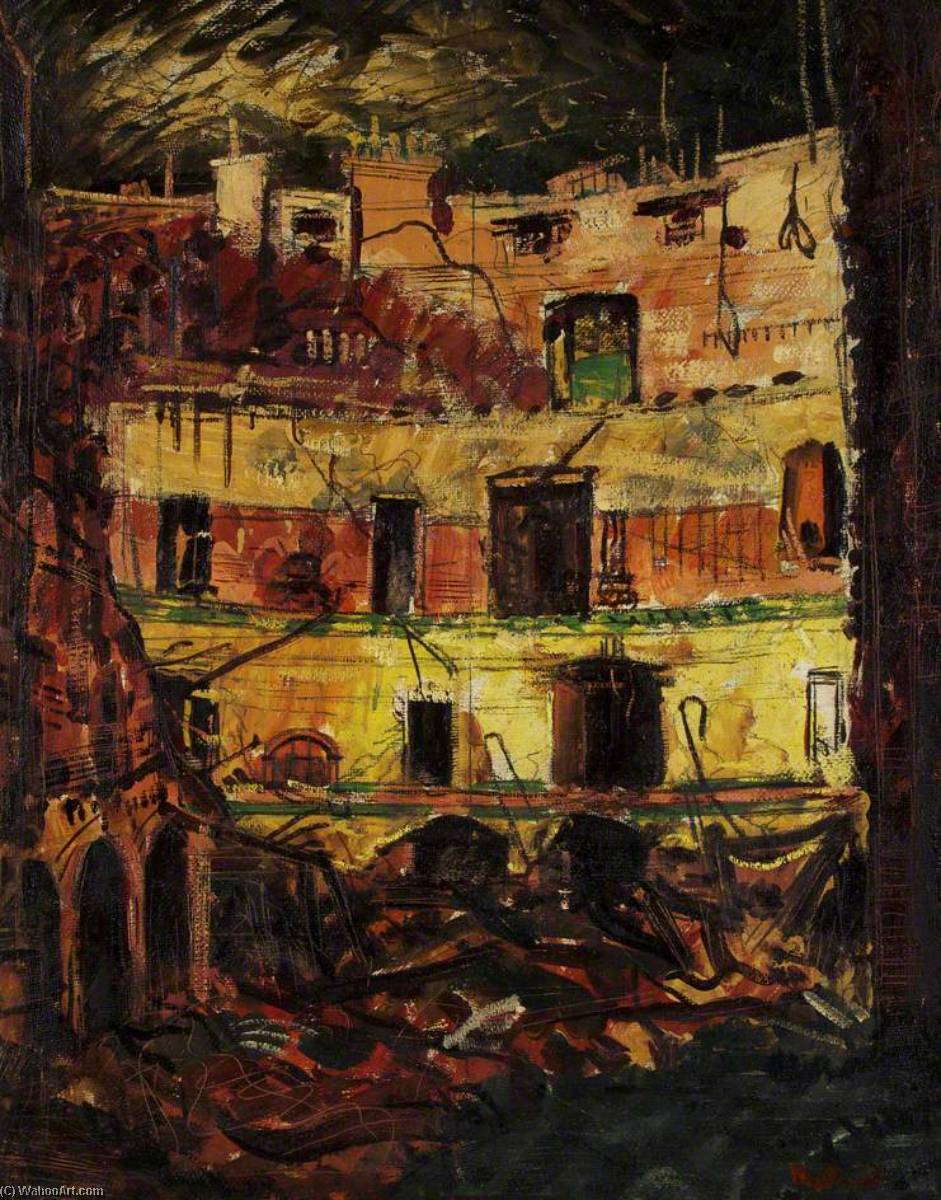
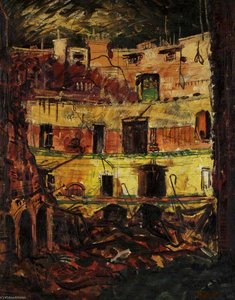
Prince's Theatre, Bristol, after the Raid
 Painting
- Contemporary Realism
 1941
1941- Modern
 88.0 x 69.0 cm
 Bristol Museum - Art Gallery
 詳細を見る
詳細を見る




P118B $10

P118H $10

P118W $10

P438Z $10

P508JH $12

P508YH $12

P805H $10

P805Z $10

P919BZ $10

P919G $10

P919XJ $10

P959ZH $10

P968JZ $12

W106C $8

W218G $10

W218JH $8

W218Y $10

W307PJ $10

W316G $10

W316PJ $8

W316Y $10

W398PJ $8

W4111J $10

W500HY $15

W500JH $15

W692G $12

W849H $8

W940BG $15

W953PJ $8




作品のオリジナル比率に合わせた、当店の規定サイズからお選びください。

特定のフレームやスペースに合わせて、ご希望のサイズをご入力いただけます。選択されたサイズが元の画像の比率と異なる場合、アートワークをトリミングするか、手描きで要素を追加して絵画を拡張いたします。デジタルモックアップ を制作し、制作開始前にご確認(承認)をいただきます。
画面上のプレビューは、実際のトリミングや拡張を正確に反映しているものではありません。最終的な構図は、モックアップによってのみ正確にご確認いただけます。
カスタムサイズもご利用いただけますが、元の比率を維持するためには、あらかじめ用意されたリストからサイズを選択することをお勧めいたします。
ご注文後、ArtsDot.com チームより詳細な指示をお送りするとともに、仕上がりイメージ(モックアップ)をご提供いたします。


 ガラスオプションは、110cm未満のサイズでのみご利用いただけます。

Prince's Theatre, Bristol, after the Raid
複製技法
複製画のサイズ
-


合計金額
$ 263
作品解説
A Night of Shadows and Resilience
In the hauntingly evocative Prince's Theatre, Bristol, after the Raid, George Melhuish captures a moment frozen in the chilling stillness of 1941. This monochrome masterpiece serves as more than just a depiction of urban destruction; it is a visceral window into the soul of a city under siege. The painting presents a streetscape transformed by the chaos of the Blitz, where the familiar architecture of Bristol is shrouded in the heavy, atmospheric darkness of a wartime night. Through his masterful use of light and shadow, Melhuist directs our gaze through a landscape of uncertainty, where the silhouettes of buildings loom like silent witnesses to the devastation that has just unfolded.
The composition is layered with a profound sense of movement and survival. Amidst the wreckage, figures emerge from the gloom—residents navigating the debris-strewn streets, their forms rendered with a poignant vulnerability. The presence of a dog on the periphery adds a layer of unexpected tenderness to the scene, perhaps symbolizing the enduring bond between humans and their companions even in the face of existential terror. Every window and doorway in the background tells a story of interrupted lives, adding a structural depth that invites the viewer to wander through the wreckage of this historical moment.
The Artistry of Wartime Documentation
Technically, Melhuish employs a style that bridges the gap between documentary realism and emotive expressionism. By stripping away color, he forces the viewer to confront the raw textures of the scene: the jagged edges of broken masonry, the heavy density of the night air, and the stark contrast between light and void. This monochromatic approach heightens the dramatic tension, lending the work a timeless, archival quality that resonates with the gravity of its subject matter. His brushwork, though controlled, carries an urgency that mirrors the frantic energy of the raid itself.
For the discerning collector or interior designer, this piece offers a powerful focal point for spaces that demand depth and historical weight. It is not merely a decoration but a conversation starter—a window into the resilience of the human spirit. Integrating such a reproduction into a curated collection allows one to honor the complex history of Bristol’s industrial and wartime heritage. The painting’s ability to evoke both melancholy and strength makes it an ideal centerpiece for sophisticated environments, providing a somber yet inspiring atmosphere that celebrates the endurance of civilization amidst the darkest of hours.
関連作品



アーティストの略歴
George Melhuish: A Life Painted in Paradox
George Melhuish (1916-1985) remains a figure of intriguing complexity within the British art world, often described as an artist and philosopher inextricably linked to the industrial heartland of Bristol. His life was marked by a deliberate self-imposed austerity – a rejection of conventional employment, marriage, and smoking – a framework that profoundly shaped his artistic vision and the narratives he sought to capture on canvas. Born in Bristol, a city undergoing rapid transformation during his formative years, Melhuish’s early life instilled within him a deep appreciation for both its industrial heritage and the poignant beauty of its decaying architecture. This duality would become a recurring theme throughout his prolific career, informing his distinctive style and subject matter.
Melhuish's artistic journey began in London, where he studied at the Slade School of Fine Art. However, disillusioned with the prevailing academic approach, he soon relocated to Paris, immersing himself in the vibrant avant-garde scene of the 1930s. This period exposed him to the ideas of Surrealism and Cubism, though he ultimately forged his own unique path, characterized by a meticulous realism combined with an underlying sense of melancholy and introspection. Returning to Bristol, he established a home – a sprawling neo-Gothic mansion filled with his own artwork and collected treasures – that became both studio and sanctuary, a place where the echoes of the past resonated alongside the realities of the present.
The Blitz and Beyond: Capturing Bristol’s Trauma
Melhuish's most enduring legacy lies in his powerful depictions of Bristol during the Second World War, particularly the devastating “Blitz” raids. Unlike many war artists who focused on heroic scenes of combat, Melhuish chose to document the everyday suffering of ordinary people – the shattered streets of Park Street, the blackened facades of Turbine Furnaces, and the faces etched with fear and resilience. His paintings are not celebratory; they are unflinchingly honest portrayals of destruction and loss, imbued with a profound sense of empathy for those who endured the ordeal.
His meticulous attention to detail – the crumbling brickwork, the flickering flames, the dust-covered furniture – created an almost photographic realism. Yet, these images were not merely representations of events; they were infused with a symbolic weight, reflecting Melhuish’s philosophical concerns about the nature of reality and the human condition. He sought to capture not just the physical damage inflicted by the bombs but also the psychological scars left behind. His work from this period is considered vital historical documentation, offering a poignant and deeply personal account of a pivotal moment in British history.
A Philosophical Palette: Influences and Style
Melhuish’s artistic style was shaped by a diverse range of influences, extending beyond the traditional movements he encountered during his early years. He drew inspiration from the works of Gustave Courbet, known for his unflinching realism; from the architectural details of Gothic cathedrals, which he meticulously rendered in his paintings; and from the writings of philosophers such as Schopenhauer and Nietzsche, whose ideas about paradox and the limitations of human understanding resonated deeply with his own worldview.
His technique involved layering thin glazes of oil paint to achieve a remarkable sense of depth and texture. He often worked on multiple canvases simultaneously, allowing his thoughts and emotions to flow freely between them. Melhuish’s paintings are characterized by their rich color palettes – dominated by earthy tones, muted blues, and the occasional burst of fiery red – and their meticulous attention to detail. He was a master of capturing light and shadow, creating images that were both visually arresting and emotionally evocative.
Legacy and Recognition
Despite his significant contribution to British art, Melhuish remained largely obscure during his lifetime. His unconventional lifestyle and fiercely independent spirit often clashed with the expectations of the art establishment. However, in recent decades, there has been a growing recognition of his artistic merit and historical significance. His wartime paintings are now exhibited in major museums across Britain, including the Imperial War Museum, and his work is increasingly studied by scholars and critics.
Melhuish’s legacy extends beyond his individual artworks; he represents a unique synthesis of art, philosophy, and personal experience. He was an artist who refused to be defined by conventional categories, a man who sought to capture the complexities of human existence through his paintings – a testament to the enduring power of artistic vision.
george melhuish
1916 - 1985
基本情報
- Artistic Movement Or Style: War art, philosophical
- Artists Or Movements Influenced By This Artist:
- Romanticism
- Impressionism
- Artists Who Influenced This Artist:
- Turner
- Cypriot painters
- Date Of Birth: 1916
- Date Of Death: 1985
- Full Name: George Melhuish
- Nationality: British
- Notable Artworks:
- Park Street Blitz
- Turbine Furnaces
- Place Of Birth: Bristol, UK
関連記事

White on Canvas: 10 Masterpieces & Timeless Elegance for Your Home Decor
Explore 10 iconic white paintings by Monet, Whistler & Rothko! Discover the stories behind these serene masterpieces and their impact on art history. Find museum-quality reproductions for your home decor at .

Dark Masterpieces: 10 Iconic Paintings Dominated by Black Tones |
Explore 10 iconic paintings dominated by black tones, from Rembrandt’s chiaroscuro to Goya's dark expressions. Discover the stories behind these masterpieces & find museum-quality art reproductions for your home at .

Monochrome Visions: Exploring the Aesthetic & Historical Significance of Black & White Photography
Explore the rich history & artistic power of black and white photography. From early techniques to iconic masters like Ansel Adams, discover why monochrome continues to captivate art lovers today. Expert insights for collectors.
Mars Black Masterpieces: 10 Iconic Paintings & Timeless Art Decor Ideas
Delve into the power of 'Mars Black' with 10 iconic paintings by masters like Rembrandt & Caravaggio. Explore dramatic chiaroscuro, gothic art, and timeless beauty. Find museum-quality reproductions & elevate your home decor on .
The Subtleties of White: Exploring Absence, Light & Symbolism in Art History
Explore the profound symbolism & history of white in art! From ancient purity to modern abstraction, discover how artists have used absence & light. Expert insights from ArtsDot.

