

 プレビュー
プレビュー
 シェアする
シェアする シェアする
シェアする
 詳細を見る
詳細を見る

 ダウンロード
 似ている作品
 X線調査
X線調査 スライドショー
 統計情報
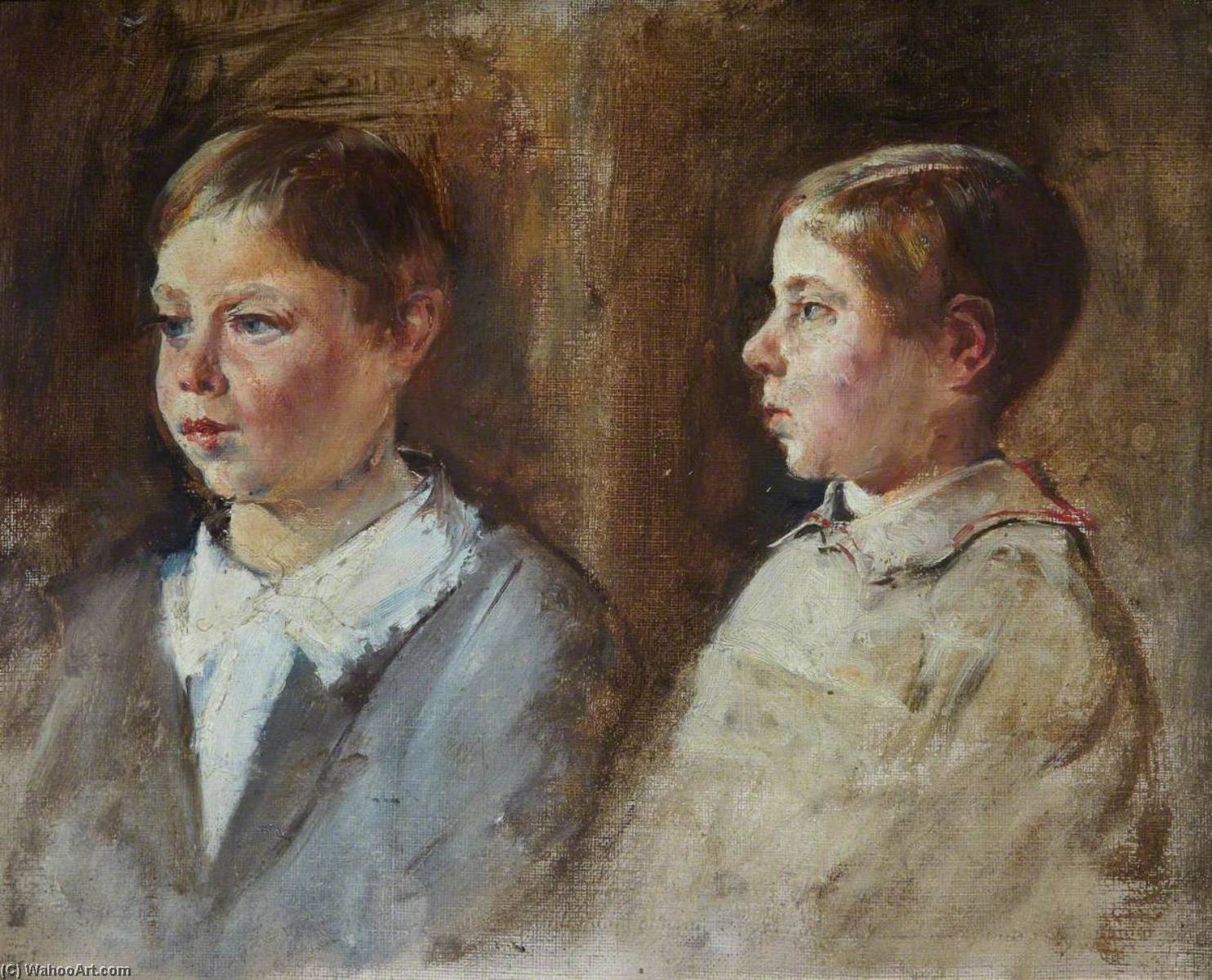
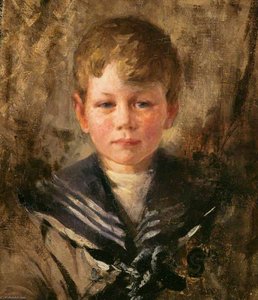
統計情報Sketch of Prince Alexander of Battenberg (1886–1960)
 Realism
 1891
1891- 19th Century
 25.0 x 31.0 cm
 Royal Scottish Academy of Art - Architecture
 詳細を見る
詳細を見る
オンラインプレビューをはるかに凌ぐ、高解像度で鮮明なデジタル画像をご購入いただけます。
各ファイルは、社内の専門家が高度なツールと熟練した手作業によるレタッチを用いて、細心の注意を払って準備されています。すべての画像において、卓越した鮮明度、正確な色彩再現性、そして繊細なディテールを保証いたします。
最終ファイルは、プロフェッショナルな編集・印刷環境ですぐにご利用いただけるよう最適化された状態で、72時間以内にメールにてお届けいたします。これは、一流のデザインスタジオ、出版社、ギャラリーから信頼されているものと同等の品質です。
デジタルアート
個人での鑑賞、印刷、クリエイティブなプロジェクト用に、高解像度ファイルをダウンロードできます。 ( プリント版に切り替え 手描きの絵画を購入)
デジタル画像のご注文に付随する特典
高品質なデジタル画像配信を、確かな品質で。
ArtsDot.com を選ぶことは、単に画像を手に入れることではありません。それは、プロの手によって精密に仕上げられ、満足保証が付いた高品質なデジタルアートワークを受け取ることを意味します。ご注文いただいた際に自動的に付随する内容は、以下の通りです:

メールですぐにお届け
ご注文から72時間以内に、高解像度のデジタル画像ファイルがメールでお手元に届きます。すぐにそのままご利用いただけます。

AI技術で最適化されたデジタルファイル
お客様の作品は、高度なAIツールと専門家による手作業の編集を組み合わせてプロフェッショナルに最適化されており、細部のディテール、鮮明さ、そして正確な色再現性を最大限に引き出しています。

一生涯無料の再送サービス
ファイルを誤って削除したり、紛失してしまったりしましたか?ご安心ください。いつでも無料で再送いたします。

輸入手数料は一切かかりません
関税や手数料、配送料を気にすることなく、お気に入りのアートワークをすぐにお楽しみいただけます。デジタルダウンロードは常に免税です。

色彩再現の保証
プロ仕様のツールとカラーマネジメント技術を用いることで、デジタル画像が元の色を最大限に忠実に再現することを保証いたします。

100日間満足保証
ご購入いただいたデジタル画像にご満足いただけない場合は、100日以内であれば、理由を問わず修正または100%の返金対応をさせていただきます。

100% 返金保証
ご満足いただけない場合は、デジタルファイルを受け取ってから100日以内であれば、理由を問わず全額返金いたします。

まとめ買い割引
3枚購入で10%OFF - 5枚購入で15%OFF - 10枚以上購入で20%OFF。クリエイティブなプロジェクト、ギャラリー、エージェンシーに最適です。
A Moment Captured in Time: The Charm of Reid’s Portraiture
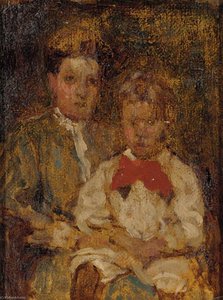
In the delicate strokes of George Ogilvy Reid’s 1891 work, Sketch of Prince Alexander of Battenberg, we are invited into a private, candid moment that transcends the formal rigidity often associated with royal portraiture. While Reid was celebrated for his grand historical narratives and meticulous engravings, this particular piece captures a fleeting, humanizing glimpse of youth. The composition presents two young boys, their presence anchored by an intimate indoor setting that feels both lived-in and timeless. One child, caught in a moment of spontaneous expression with an open mouth, seems to radiate the uninhibited joy of childhood, while his companion gazes thoughtfully toward something unseen beyond the frame. It is this interplay between movement and stillness, between the boisterous and the contemplative, that gives the painting its enduring emotional resonance.
The technical mastery of Reid is evident in the way he utilizes light and texture to breathe life into the subjects. Drawing from his foundational training as an engraver, Reid employs a precision of line that defines the soft contours of the boys' faces and the crispness of their attire. The subtle use of shadow creates a sense of three-dimensional depth, pulling the viewers into the room where a quiet clock hangs on the wall, acting as a silent witness to the passing seconds. For collectors and interior designers alike, the painting offers a sophisticated balance; it possesses the formal elegance required for a classical gallery setting, yet its warmth and narrative spontaneity make it an ideal centerpiece for a cozy study or a refined living space.
Beyond the mere depiction of figures, the artwork serves as a window into the late 19th-century atmosphere. The presence of domestic elements, such as the chair in the background and the rhythmic ticking implied by the wall clock, evokes a sense of Victorian nostalgia. There is a profound symbolism in the contrast between the royal lineage of the subject and the universal, relatable innocence of the children portrayed. This tension between status and humanity allows the piece to speak to a wide audience, offering a sense of comfort and continuity. To possess a reproduction of this work is to hold a fragment of history—a beautifully rendered tribute to the fleeting, precious nature of youth and the quiet dignity of the past.
関連作品

作家の略歴
A Life Etched in Detail: The World of George Ogilvy Reid
George Ogilvy Reid, a name synonymous with meticulous detail and a deep reverence for Scottish history, was born in Leith, Edinburgh, in 1851. His life unfolded entirely within the bustling port area of his native city, a setting that would subtly yet profoundly influence his artistic vision. Initially embarking on a career as an engraver, Reid honed skills in precision and line work—a foundation that would later become a hallmark of his paintings. However, it wasn’t long before painting beckoned, drawing him towards the expressive possibilities of watercolour and oil. He studied at the Trustee's Academy, the precursor to the Edinburgh College of Art, laying the groundwork for a career steeped in both technical mastery and artistic ambition.From Engraving to Historical Narrative
Reid’s early work demonstrated an inclination toward genre scenes and landscapes, but it was his fascination with Scottish history that truly ignited his creative spark. He absorbed influences from earlier masters like David Wilkie, whose narrative precision resonated deeply, as well as contemporaries such as William Quiller Orchardson and John Pettie. This blend of tradition and emerging artistic sensibilities shaped Reid’s unique style—a commitment to detailed realism infused with a growing sense of dramatic storytelling. His paintings weren't merely depictions of the past; they were carefully constructed narratives designed to evoke emotion and convey historical significance. He exhibited regularly at both the Royal Scottish Academy and the Royal Academy in London, quickly gaining recognition for his ability to breathe life into bygone eras.Royal Commissions and National Recognition
The year 1891 marked a pivotal moment in Reid’s career with a prestigious commission from Queen Victoria herself. Tasked with painting the baptism of Prince Maurice of Battenburg at Balmoral Castle, Reid seized the opportunity to showcase his talent on a grand scale. The preparatory studies for this work, later bequeathed to the Royal Scottish Academy, stand as testament to his dedication and meticulous approach. This royal endorsement solidified his position within the art world and opened doors to further opportunities. In 1888 he was elected an Associate of the Royal Scottish Academy (ARSA), a distinction that acknowledged his growing reputation. A decade later, in 1898, he achieved full membership as a Royal Scottish Academician (RSA), with his diploma work being the powerful historical painting *After Killiecrankie – The Death of Claverhouse*.Themes and Techniques: A Legacy of Scottish Identity
Reid’s artistic output was remarkably diverse. He painted portraits that captured the character and dignity of his subjects, contemporary scenes reflecting the social landscape of his time, and genre paintings imbued with a sense of everyday life. However, it was his historical works—particularly those centered around Jacobite themes—that truly defined his legacy. Paintings like *After Killiecrankie* weren’t simply recreations of past events; they were carefully constructed dramas filled with symbolism and emotional resonance. He wasn't always concerned with strict historical accuracy, instead prioritizing the conveyance of atmosphere and the weight of significant moments. His technique was characterized by a painstaking attention to detail, a masterful use of light and shadow, and an ability to imbue his figures with a sense of life and movement.A Pillar of Tradition: Reid’s Enduring Influence
George Ogilvy Reid passed away in Edinburgh on April 11th, 1928, leaving behind a rich artistic legacy. He was remembered as a loyal and devoted member of the Royal Scottish Academy, fiercely protective of its traditions and committed to upholding the highest standards of artistic excellence. While his unwavering adherence to established techniques sometimes drew criticism from younger artists embracing more modern styles, his integrity and dedication were never questioned. His works continue to captivate audiences today, offering a glimpse into a bygone era and a testament to the power of meticulous detail and evocative storytelling. He remains a significant figure in Scottish art history, celebrated for his ability to capture the spirit of his nation and translate it onto canvas with unparalleled skill and passion.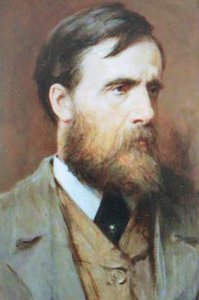
george ogilvy reid
1851 - 1928
プロフィール概要
- Artistic Movement Or Style: Victorian painting
- Artists Who Influenced This Artist:
- David Wilkie
- William Orchardson
- Date Of Birth: 1851
- Date Of Death: 1928
- Full Name: George Ogilvy Reid
- Nationality: Scottish
- Notable Artworks:
- After Killiecrankie
- Baptism of Prince Maurice
- The Belgians on the March
- Place Of Birth: Leith, Scotland