

 プレビュー
プレビュー
 シェアする
シェアする シェアする
シェアする
 詳細を見る
詳細を見る

 ダウンロード
 似ている作品
 X線調査
X線調査 スライドショー
 統計情報
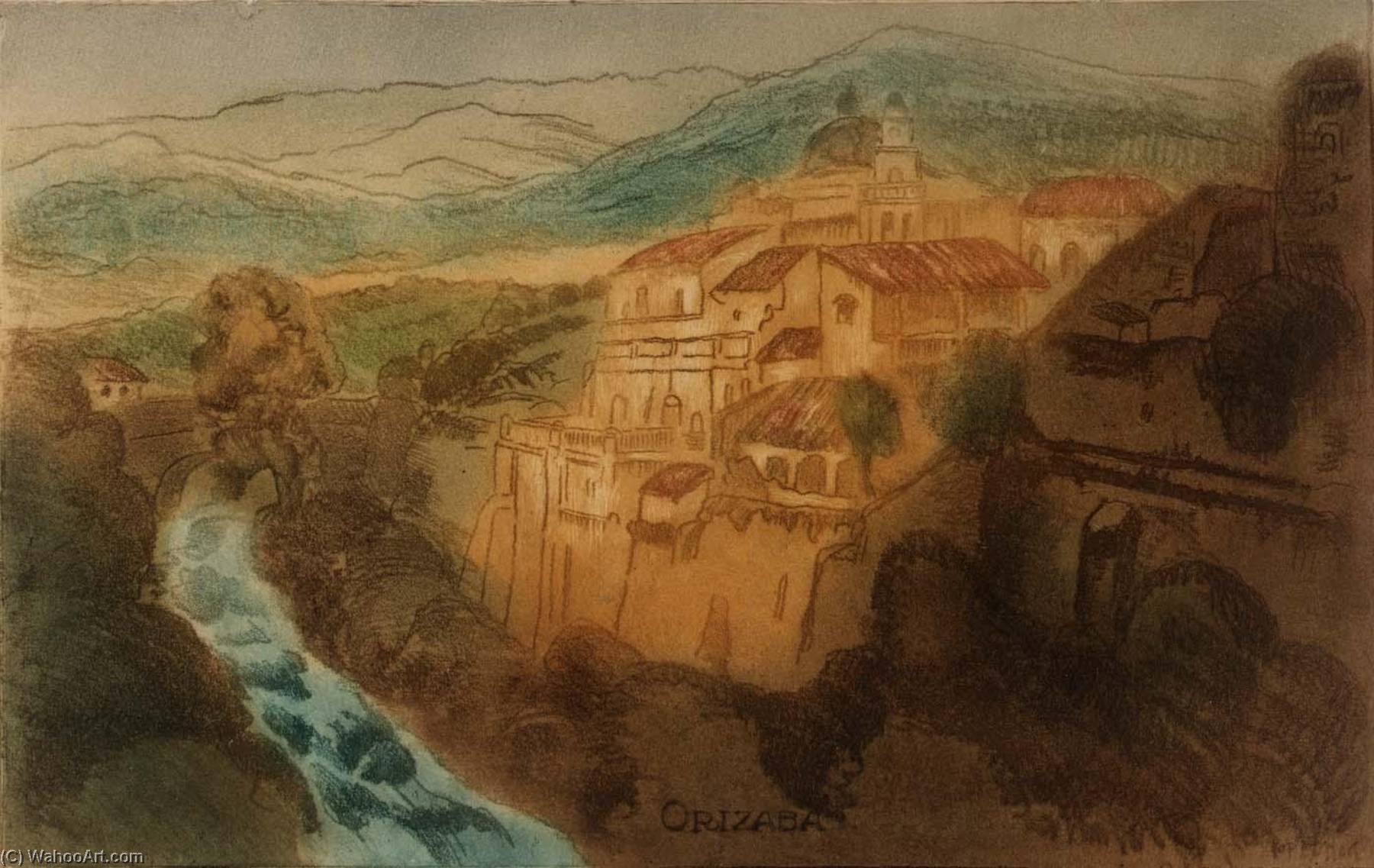
統計情報Orizaba, Mexico
 20.0 x 31.0 cm
 詳細を見る
詳細を見る
オンラインプレビューをはるかに凌ぐ、高解像度で鮮明なデジタル画像をご購入いただけます。
各ファイルは、社内の専門家が高度なツールと熟練した手作業によるレタッチを用いて、細心の注意を払って準備されています。すべての画像において、卓越した鮮明度、正確な色彩再現性、そして繊細なディテールを保証いたします。
最終ファイルは、プロフェッショナルな編集・印刷環境ですぐにご利用いただけるよう最適化された状態で、72時間以内にメールにてお届けいたします。これは、一流のデザインスタジオ、出版社、ギャラリーから信頼されているものと同等の品質です。
デジタルアート
個人での鑑賞、印刷、クリエイティブなプロジェクト用に、高解像度ファイルをダウンロードできます。 ( プリント版に切り替え 手描きの絵画を購入)
デジタル画像のご注文に付随する特典
高品質なデジタル画像配信を、確かな品質で。
ArtsDot.com を選ぶことは、単に画像を手に入れることではありません。それは、プロの手によって精密に仕上げられ、満足保証が付いた高品質なデジタルアートワークを受け取ることを意味します。ご注文いただいた際に自動的に付随する内容は、以下の通りです:

メールですぐにお届け
ご注文から72時間以内に、高解像度のデジタル画像ファイルがメールでお手元に届きます。すぐにそのままご利用いただけます。

AI技術で最適化されたデジタルファイル
お客様の作品は、高度なAIツールと専門家による手作業の編集を組み合わせてプロフェッショナルに最適化されており、細部のディテール、鮮明さ、そして正確な色再現性を最大限に引き出しています。

一生涯無料の再送サービス
ファイルを誤って削除したり、紛失してしまったりしましたか?ご安心ください。いつでも無料で再送いたします。

輸入手数料は一切かかりません
関税や手数料、配送料を気にすることなく、お気に入りのアートワークをすぐにお楽しみいただけます。デジタルダウンロードは常に免税です。

色彩再現の保証
プロ仕様のツールとカラーマネジメント技術を用いることで、デジタル画像が元の色を最大限に忠実に再現することを保証いたします。

100日間満足保証
ご購入いただいたデジタル画像にご満足いただけない場合は、100日以内であれば、理由を問わず修正または100%の返金対応をさせていただきます。

100% 返金保証
ご満足いただけない場合は、デジタルファイルを受け取ってから100日以内であれば、理由を問わず全額返金いたします。

まとめ買い割引
3枚購入で10%OFF - 5枚購入で15%OFF - 10枚以上購入で20%OFF。クリエイティブなプロジェクト、ギャラリー、エージェンシーに最適です。
The Artist's Style and Inspiration
George Overbury Pop Hart was an American artist known for his exceptional printmaking skills. He spent most of his life traveling the world, capturing scenes of everyday life in his unique style. His paintings and prints gained serious recognition, and his reputation grew as a self-taught artist. The Orizaba, Mexico painting is a prime example of his ability to blend colors and create a sense of depth and dimension. Key Features of the Painting The painting features a town situated on the side of a mountain, with a mix of old and new buildings. A river runs through the town, adding depth and dimension to the landscape. The bridge crossing the river serves as an essential connection between different parts of the town. The artist's use of color and light creates a sense of warmth and vitality, drawing the viewer into the scene.- The painting measures 20 x 31 cm and is created using soft ground etching with aquatint
- It is currently housed at the Smithsonian American Art Museum
- The artist's unique style blends colors and creates a sense of depth and dimension
The Orizaba, Mexico painting is a captivating example of the artist's skill and attention to detail. With its unique blend of colors and sense of depth and dimension, it is a must-see for art enthusiasts. Visit the Smithsonian American Art Museum to see this beautiful piece in person or explore our website for more information on handmade oil paintings reproductions.
関連作品










作家の略歴
George Overbury “Pop” Hart: A Life Painted in Vibrant Detail
George Overbury “Pop” Hart (1868-1933) wasn’t a name etched into the annals of art history until relatively recently, yet his vibrant watercolors offer a captivating window into early 20th-century America – a world brimming with travel, social change, and a burgeoning interest in depicting everyday life. Born in Cairo, Illinois, to a family involved in the printing industry, Hart’s artistic journey began not through formal training but through observation and a restless spirit that propelled him across continents. His early years were marked by itinerant work as a sign painter, a profession that honed his technical skills while simultaneously exposing him to the diverse visual landscapes of America and Europe. This period instilled in him a keen eye for detail and an appreciation for capturing fleeting moments – qualities that would become hallmarks of his distinctive style.
Hart’s formal artistic education began in Chicago, where he attended the Art Institute from 1894 to 1897. However, it was his travels—a defining characteristic of his life—that truly shaped his artistic vision. Beginning around 1898, Hart embarked on a series of extended journeys that took him to Mexico, Central America, North Africa, the Caribbean, and ultimately, Tahiti. These expeditions weren’t merely vacations; they were immersive experiences that fueled his art and provided him with an unparalleled understanding of diverse cultures and social dynamics. It was in Tahiti, shortly after the death of Paul Gauguin, that Hart truly found his artistic voice – a voice characterized by spontaneity, humor, and a fascination with the lives of ordinary people.
Returning to New York City in 1907, Hart became part of a vibrant artist community centered in Fort Lee, New Jersey. This group, including figures like Walt Kuhn, Arthur B. Davies, and Edward Hopper, represented a shift away from the rigid academic traditions of the time and embraced a more social realist approach. Hart’s style evolved during this period, incorporating elements of Impressionism, Post-Impressionism, and even touches of Social Realism – reflecting the diverse influences surrounding him. He was drawn to capturing scenes of daily life: bustling marketplaces, spirited cockfights (a frequent subject in his work), festive celebrations, and the simple pleasures of human interaction. His technique involved loose, expressive brushstrokes, often layering paint in a way that created a sense of movement and immediacy – a deliberate departure from the polished realism favored by many of his contemporaries.
The Watercolorist’s Palette: Technique and Style
Hart's mastery lay primarily in watercolor. He recognized its inherent qualities—its portability, quick drying time, and ability to capture subtle nuances of light and color—and exploited them with remarkable skill. Unlike many artists who meticulously planned their compositions, Hart often worked *en plein air*, directly on location, allowing his sketches to inform the final painting. His brushwork was characterized by a loose, almost improvisational quality – a deliberate rejection of rigid control in favor of capturing the essence of a moment. He employed a technique of layering paint in thin washes, allowing colors to bleed and blend together organically, creating a luminous and atmospheric effect.
His color palette was equally vibrant and expressive. Hart favored bright, saturated hues—particularly reds, yellows, and blues—that he used to create a sense of energy and excitement. He wasn’t afraid to use contrasting colors to draw the eye and emphasize key elements within his compositions. Furthermore, Hart's work is notable for its dynamic composition – often featuring multiple figures engaged in lively activity. This reflects his fascination with capturing the dynamism of everyday life and his ability to convey a sense of movement and spontaneity on paper.
Subjects of Observation: Cockfights, Festivals, and Everyday Life
While Hart’s travels exposed him to a wide range of subjects, he consistently returned to scenes of social interaction – particularly cockfighting and festive celebrations. These events provided him with ample opportunities to observe human behavior, capture the energy of crowds, and explore themes of competition, ritual, and community. His depictions of cockfights are not simply illustrations; they’re vibrant narratives filled with detail, humor, and a keen understanding of the participants' motivations. Similarly, his paintings of festivals convey a sense of joyous abandon – capturing the sights, sounds, and smells of these communal gatherings.
Beyond these specific subjects, Hart also painted landscapes, portraits, and still lifes—often infused with a distinctly personal style. He frequently depicted scenes from his travels, showcasing the beauty and diversity of the world around him. His work is characterized by an intimate perspective – he often focused on capturing the details of ordinary people’s lives, revealing their humanity and resilience.
Legacy and Recognition
Despite a relatively quiet career, George Overbury “Pop” Hart left behind a significant body of work that has gained increasing recognition in recent decades. His paintings are now held by major museums across the United States and Europe, including the Museum of Modern Art, the Brooklyn Museum, and the Smithsonian Institution. A comprehensive monograph on his life and art, published in 1986, helped to bring attention to his work and establish him as a significant figure in American watercolor painting.
Hart’s legacy extends beyond his artistic achievements. He represents a fascinating example of an artist who embraced travel and cultural exchange as integral components of his creative process. His paintings offer a unique glimpse into the early 20th century—a time of rapid social change, technological innovation, and a growing interest in exploring the world beyond one’s immediate surroundings. “Pop” Hart's vibrant watercolors continue to captivate viewers with their energy, humor, and profound appreciation for the beauty and complexity of human life.
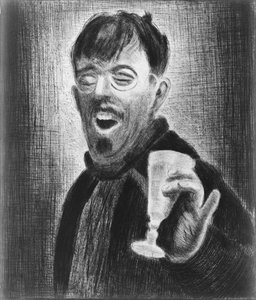
george overbury pop hart
1868 - 1933
プロフィール概要
- Artistic Movement Or Style: Ashcan School, Watercolorist
- Artists Or Movements Influenced By This Artist:
- Robert Henri
- Diego Rivera
- Artists Who Influenced This Artist:
- Cézanne
- John Marin
- Date Of Birth: May 10, 1868
- Date Of Death: September 9, 1933
- Full Name: George Overbury "Pop" Hart
- Nationality: American
- Notable Artworks:
- Happy days (self-portrait)
- The Gamblers
- Place Of Birth: Cairo, Illinois, USA