

 プレビュー
プレビュー
 シェアする
シェアする シェアする
シェアする
 詳細を見る
詳細を見る

 ダウンロード
 似ている作品
 X線調査
X線調査 スライドショー
 統計情報
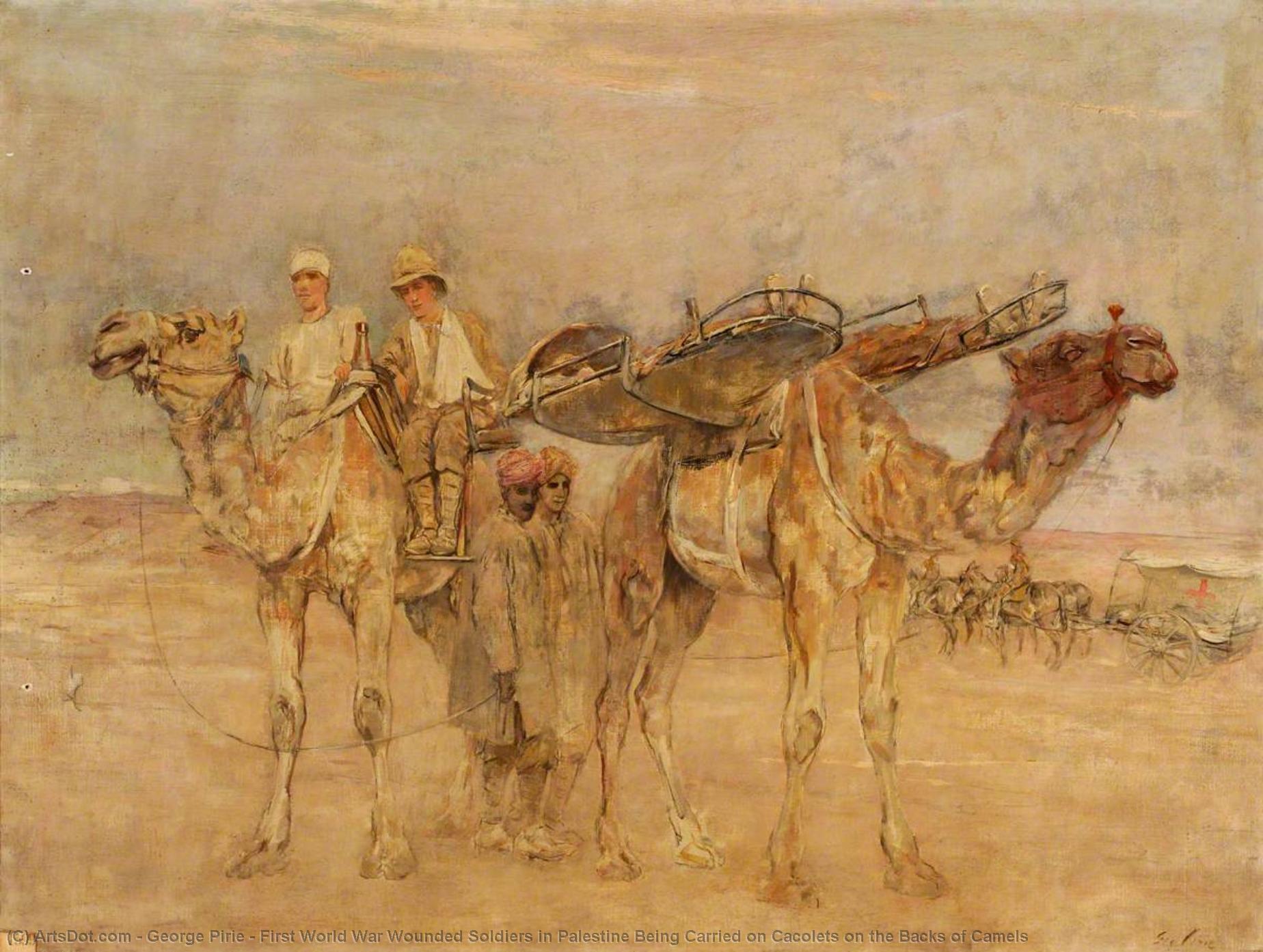
統計情報First World War Wounded Soldiers in Palestine Being Carried on Cacolets on the Backs of Camels
 1917
1917 76.0 x 102.0 cm
 詳細を見る
詳細を見る
手描き油彩複製画
当社のアーティストが、お客様のご希望のサイズと額縁に合わせて、キャンバスに手描きで制作する油彩画です。 ( プリント版に切り替え デジタル画像販売へ切り替え)




































作品のオリジナル比率に合わせた、当店の規定サイズからお選びください。

特定のフレームやスペースに合わせて、ご希望のサイズをご入力いただけます。選択されたサイズが元の画像の比率と異なる場合、アートワークをトリミングするか、手描きで要素を追加して絵画を拡張いたします。デジタルモックアップ を制作し、制作開始前にご確認(承認)をいただきます。
画面上のプレビューは、実際のトリミングや拡張を正確に反映しているものではありません。最終的な構図は、モックアップによってのみ正確にご確認いただけます。
カスタムサイズもご利用いただけますが、元の比率を維持するためには、あらかじめ用意されたリストからサイズを選択することをお勧めいたします。
ご注文後、ArtsDot.com チームより詳細な指示をお送りするとともに、仕上がりイメージ(モックアップ)をご提供いたします。


 ガラスオプションは、110cm未満のサイズでのみご利用いただけます。

First World War Wounded Soldiers in Palestine Being Carried on Cacolets on the Backs of Camels
複製技法
複製画のサイズ
-


合計金額
$ 263
関連作品



アーティストの略歴
George Pirie (1863–1946): Bridging Impressionism and Symbolism in Scottish Landscape Painting
George Pirie (1863–1946) stands as a pivotal figure within the Glasgow Boys movement, yet his artistic trajectory diverged significantly from its prevailing theoretical currents. Born in Campbeltown, Argyllshire, on December 5th, 1863, Pirie’s upbringing instilled in him a deep appreciation for the natural world—a fascination that would permeate his oeuvre and define his distinctive style. His father, John Pirie, was a respected physician, fostering intellectual curiosity alongside familial warmth, while Jane Harvey provided a grounding in traditional Scottish values. Early artistic inclinations found expression at Glasgow Academy, culminating in a Master’s degree from Glasgow University in 1882. Subsequently, he honed his skills at the Slade School of Art and the Académie Julian in Paris under the tutelage of Gustave Boulanger, Jules Lefebvre, and Emmanuel Frémiet—influences that would shape his artistic vision.- Early Influences: Pirie’s formative years were marked by exposure to Victorian aesthetics, particularly the Romantic tradition championed by artists like Turner and Constable. These masters emphasized atmospheric perspective and emotional resonance, principles that resonated deeply with Pirie's nascent sensibilities.
- The Glasgow Boys Debate: While Pirie participated in discussions surrounding the Glasgow Boys’ exploration of scientific theories—particularly Darwinian evolution—he remained steadfastly committed to artistic observation and subjective interpretation. He viewed these debates as unproductive distractions from the fundamental task of conveying beauty and emotion through painting.
A Distinctive Style: Impressionistic Techniques Rooted in Symbolism
Pirie’s artistic style can be characterized as a harmonious blend of Impressionist techniques and Symbolist sensibilities. He skillfully employed loose brushstrokes and vibrant color palettes—inherited from Boulanger and Lefebvre—to capture fleeting moments of light and atmosphere, mirroring the spirit of Impressionism. However, unlike many of his contemporaries who sought to represent reality objectively, Pirie infused his landscapes with evocative symbolism. Recurring motifs—such as solitary trees, misty hillsides, and brooding skies—served as vehicles for conveying profound emotional states and philosophical ideas. He wasn’t interested in merely depicting what he saw; rather, he aimed to evoke feelings of contemplation and wonder within the viewer.- Color Palette: Pirie favored muted hues—particularly blues and greens—to convey a sense of melancholy and solitude. These colors were juxtaposed with splashes of warmer tones—such as ochre and crimson—to heighten visual drama and suggest hidden depths.
- Brushwork: His brushstrokes were loose, expressive, and layered—creating textured surfaces that captured the dynamism of nature. Pirie’s technique prioritized capturing the essence of a scene rather than striving for photographic accuracy.
Notable Works and Exhibitions
Pirie's artistic output spanned several decades, producing a substantial body of paintings that reflect his evolving stylistic concerns. Among his most celebrated works are “A Crofter’s Byre” (1893), depicting a humble rural dwelling bathed in soft light—a testament to Pirie’s ability to convey profound emotion through simple imagery; and “The Old Mill,” showcasing the weathered grandeur of Scottish industrial heritage. His paintings were exhibited extensively throughout Britain and internationally, garnering critical acclaim for their artistic merit and emotional depth. He was recognized as a member of the Royal Scottish Academy from 1933 until his death in Torrance on February 17th, 1946.Legacy and Influence
George Pirie’s contribution to Scottish landscape painting remains significant. His unwavering commitment to artistic observation—combined with his masterful incorporation of Symbolist principles—established him as a singular voice within the Glasgow Boys movement. He demonstrated that beauty could be found not only in faithful representation but also in imaginative interpretation, leaving an enduring legacy for subsequent generations of artists. His work continues to inspire admiration for its evocative atmosphere and profound emotional resonance—a testament to Pirie’s artistic vision and his unwavering belief in the power of art to communicate universal human experience.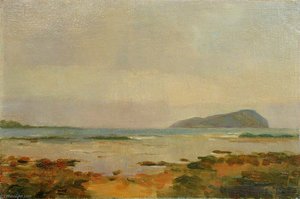
george pirie
1863 - 1946
基本情報
- Artistic Movement Or Style: Glasgow Boys
- Artists Or Movements Influenced By This Artist: ['']
- Artists Who Influenced This Artist:
- Gustave Boulanger
- Jules Lefebvre
- Emmanuel Frémiet
- Date Of Birth: December 5, 1863
- Date Of Death: February 17, 1946
- Full Name: George Pirie
- Nationality: Scottish
- Notable Artworks: ['A Crofter’s Byre']
- Place Of Birth: Campbeltown, Argyllshire