

 プレビュー
プレビュー
 シェアする
シェアする シェアする
シェアする
 詳細を見る
詳細を見る

 ダウンロード
 似ている作品
 X線調査
X線調査 スライドショー
 統計情報
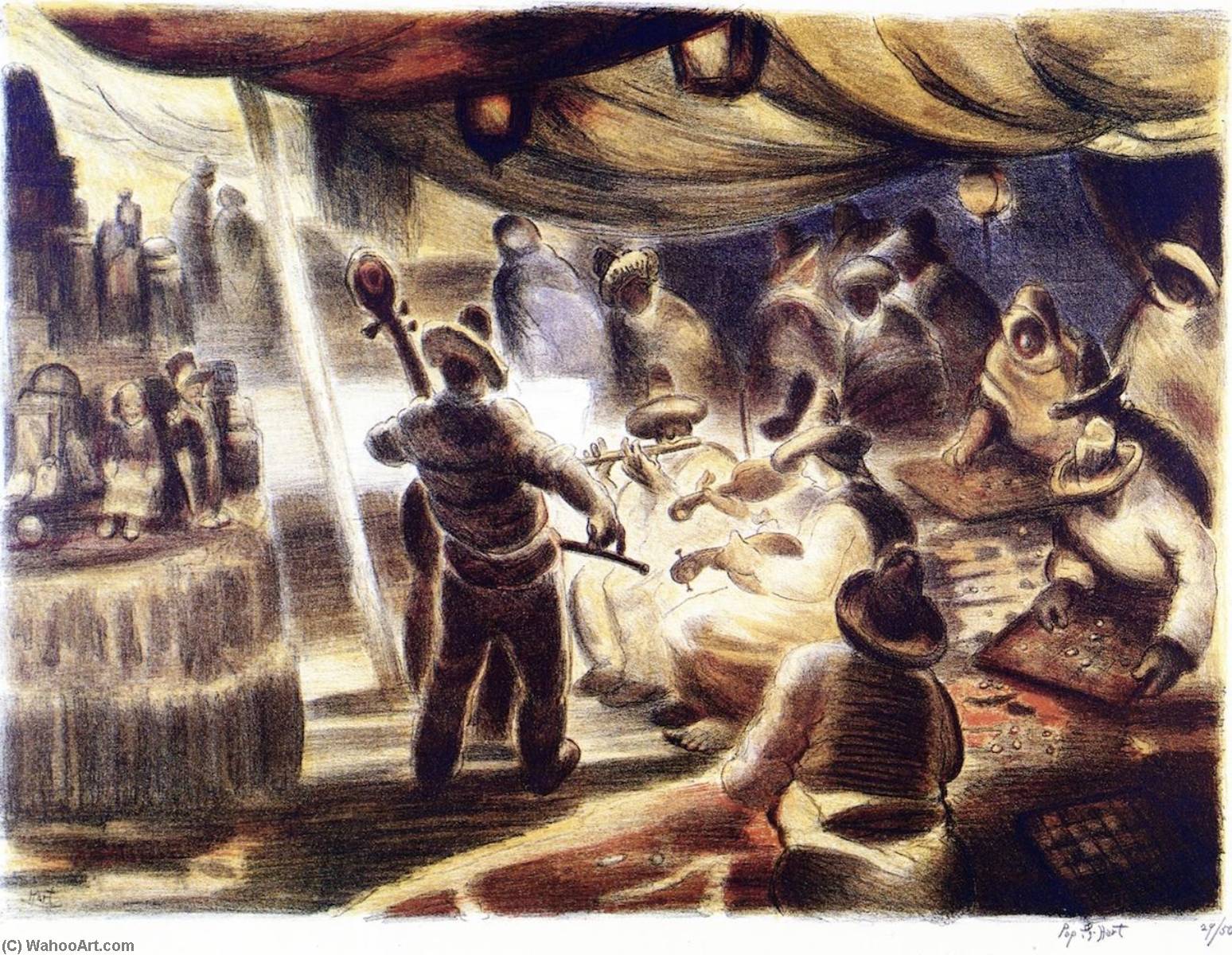
統計情報Mexican Orchestra


 詳細を見る
詳細を見る
オンラインプレビューをはるかに凌ぐ、高解像度で鮮明なデジタル画像をご購入いただけます。
各ファイルは、社内の専門家が高度なツールと熟練した手作業によるレタッチを用いて、細心の注意を払って準備されています。すべての画像において、卓越した鮮明度、正確な色彩再現性、そして繊細なディテールを保証いたします。
最終ファイルは、プロフェッショナルな編集・印刷環境ですぐにご利用いただけるよう最適化された状態で、72時間以内にメールにてお届けいたします。これは、一流のデザインスタジオ、出版社、ギャラリーから信頼されているものと同等の品質です。
デジタルアート
個人での鑑賞、印刷、クリエイティブなプロジェクト用に、高解像度ファイルをダウンロードできます。 ( プリント版に切り替え 手描きの絵画を購入)
デジタル画像のご注文に付随する特典
高品質なデジタル画像配信を、確かな品質で。
ArtsDot.com を選ぶことは、単に画像を手に入れることではありません。それは、プロの手によって精密に仕上げられ、満足保証が付いた高品質なデジタルアートワークを受け取ることを意味します。ご注文いただいた際に自動的に付随する内容は、以下の通りです:

メールですぐにお届け
ご注文から72時間以内に、高解像度のデジタル画像ファイルがメールでお手元に届きます。すぐにそのままご利用いただけます。

AI技術で最適化されたデジタルファイル
お客様の作品は、高度なAIツールと専門家による手作業の編集を組み合わせてプロフェッショナルに最適化されており、細部のディテール、鮮明さ、そして正確な色再現性を最大限に引き出しています。

一生涯無料の再送サービス
ファイルを誤って削除したり、紛失してしまったりしましたか?ご安心ください。いつでも無料で再送いたします。

輸入手数料は一切かかりません
関税や手数料、配送料を気にすることなく、お気に入りのアートワークをすぐにお楽しみいただけます。デジタルダウンロードは常に免税です。

色彩再現の保証
プロ仕様のツールとカラーマネジメント技術を用いることで、デジタル画像が元の色を最大限に忠実に再現することを保証いたします。

100日間満足保証
ご購入いただいたデジタル画像にご満足いただけない場合は、100日以内であれば、理由を問わず修正または100%の返金対応をさせていただきます。

100% 返金保証
ご満足いただけない場合は、デジタルファイルを受け取ってから100日以内であれば、理由を問わず全額返金いたします。

まとめ買い割引
3枚購入で10%OFF - 5枚購入で15%OFF - 10枚以上購入で20%OFF。クリエイティブなプロジェクト、ギャラリー、エージェンシーに最適です。
Artistic Style and Inspiration
George (Pop) Overbury Hart's artistic style is characterized by his use of bold lines, vivid colors, and dynamic compositions. His inspiration from Mexican culture is evident in the Mexican Orchestra, where he depicts a lively scene of musicians playing various instruments, surrounded by a crowd of enthusiastic onlookers. The painting is a celebration of music, culture, and community. Key Features of the Painting:- The use of bold lines and vibrant colors to create a dynamic composition
- The depiction of a lively orchestra scene, showcasing various musical instruments
- The capture of the energetic atmosphere of a Mexican cultural event
Conservation and Exhibition
The Mexican Orchestra is part of the permanent collection at the Zimmerli Art Museum at Rutgers University in New Brunswick, United States. The museum is renowned for its diverse collection of art from around the world, including works by other notable artists. For more information on the Zimmerli Art Museum at Rutgers University and its collection, visit /art/list/?Filter=A@D3C6PH-Zimmerli-Art-Museum-at-Rutgers-University-New-Brunswick-United-States.The Mexican Orchestra by George (Pop) Overbury Hart is a remarkable piece of art that showcases the artist's unique style and his ability to capture the essence of Mexican culture. As a handmade oil painting reproduction, it can be a beautiful addition to any art collection, bringing a touch of vibrancy and energy to any room. Visit https://ArtsDot.com to explore more artworks by George (Pop) Overbury Hart and other notable artists.
関連作品










作家の略歴
The Vibrant Soul of a Wanderer: The Life and Art of George "Pop" Overbury Hart
In the tapestry of early 20th-century American art, few threads are as colorful or as spirited as those woven by George Overbury “Pop” Hart. Born in 1868 in Cairo, Illinois, Hart’s journey from the industrial landscapes of the American Midwest to the sun-drenched streets of Mexico and the Caribbean is a narrative of profound transformation. His early life was marked by a sudden, dramatic shift; while working in his father's printing roller factory, a devastating explosion claimed his position, yet this very upheaval seemed to liberate his artistic spirit. This period of uncertainty paved the way for a life of movement, leading him from the cattle boats bound for London—where he honed his craft as an itinerant sign painter—to the bustling urban centers of Chicago and beyond.
Hart’s artistic evolution was deeply rooted in the observation of the world around him. While his technical foundation was built upon the practical precision of a sign painter, his vision was elevated by the profound influences of Impressionism and Post-Impressionism. One can trace the ethereal light and atmospheric sensitivity of Claude Monet in Hart’s ability to capture fleeting moments, while the raw, emotional intensity and expressive brushwork of Vincent van Gogh resonate through his more dynamic compositions. Yet, unlike many who sought only to abstract reality, Hart maintained a commitment to meticulous detail, using his mastery of watercolor and lithography to document the textures and rhythms of life with an almost ethnographic reverence.
A Celebration of Culture and Light
The true heart of Hart’s oeuvre lies in his deep, lifelong fascination with Latin America. He did not merely visit these regions; he immersed himself in their very essence, capturing the pulse of Mexican and Caribbean existence. His works serve as luminous windows into a bygone era, where the vibrancy of local traditions is rendered with both accuracy and passion. In masterpieces such as Mexican Orchestra (1933), Hart utilizes bold lines and a vivid palette to celebrate the communal joy of music, depicting musicians and onlookers entwined in a rhythmic dance of color. His ability to translate the heat, the sound, and the movement of a crowd into a static medium is nothing short of extraordinary.
Beyond the grand social scenes, Hart possessed a remarkable gift for finding serenity in the mundane and the maritime. His watercolors often transport the viewer to tranquil settings, such as the peaceful Fore Lee Boat Docks (1921), where the gentle interplay of water, trees, and architecture creates a sense of profound stillness. Whether he was capturing the bustling energy of the Flower Market, Paris or the sun-soaked streets of Main Street, Roseau, his work consistently sought to find the extraordinary within the everyday. This duality—the ability to oscillate between high-energy social chronicles and quiet, contemplative landscapes—is what defines his unique contribution to the Ashcan School movement.
Legacy and Historical Significance
George "Pop" Hart passed away in 1933, leaving behind a legacy that transcends simple documentation. He was an artist who bridged the gap between American realism and international impressionism, creating a visual language that honored the cultural richness of the Americas. His work remains a vital historical record of the social fabric of the early 20th century, preserving the dignity and vitality of populations that were often overlooked by the traditional art canon of his time.
Today, his contributions are celebrated through several key artistic achievements:
- Mastery of Medium: His exceptional skill in watercolor and lithography allowed for a unique blend of transparency and structural strength.
- Cultural Documentation: He provided an evocative, respectful lens through which the world could view the vibrant traditions of Mexico and the Caribbean.
- Stylistic Synthesis: By merging the light-focused techniques of Monet with the emotional depth of Van Gogh, he created a distinctive American Impressionist voice.
- Enduring Presence: His works continue to reside in prestigious institutions, such as the Zimmerli Art Museum, ensuring his vision of a colorful, interconnected world remains accessible to future generations.
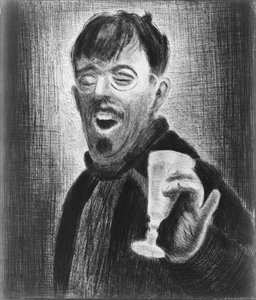
george (pop) overbury hart
1868 - 1933
プロフィール概要
- Artistic Movement Or Style: Ashcan School
- Artists Or Movements Influenced By This Artist: ['George Bridgman']
- Artists Who Influenced This Artist:
- Winslow Homer
- Thomas Moran
- Date Of Birth: May 10, 1868
- Date Of Death: September 9, 1933
- Full Name: George Overbury Hart
- Nationality: American
- Notable Artworks:
- Happy days (self-portrait)
- The Cafe
- Place Of Birth: Cairo, Illinois