

 プレビュー
プレビュー
 シェアする
シェアする シェアする
シェアする
 詳細を見る
詳細を見る

 ダウンロード
 似ている作品
 X線調査
X線調査 スライドショー
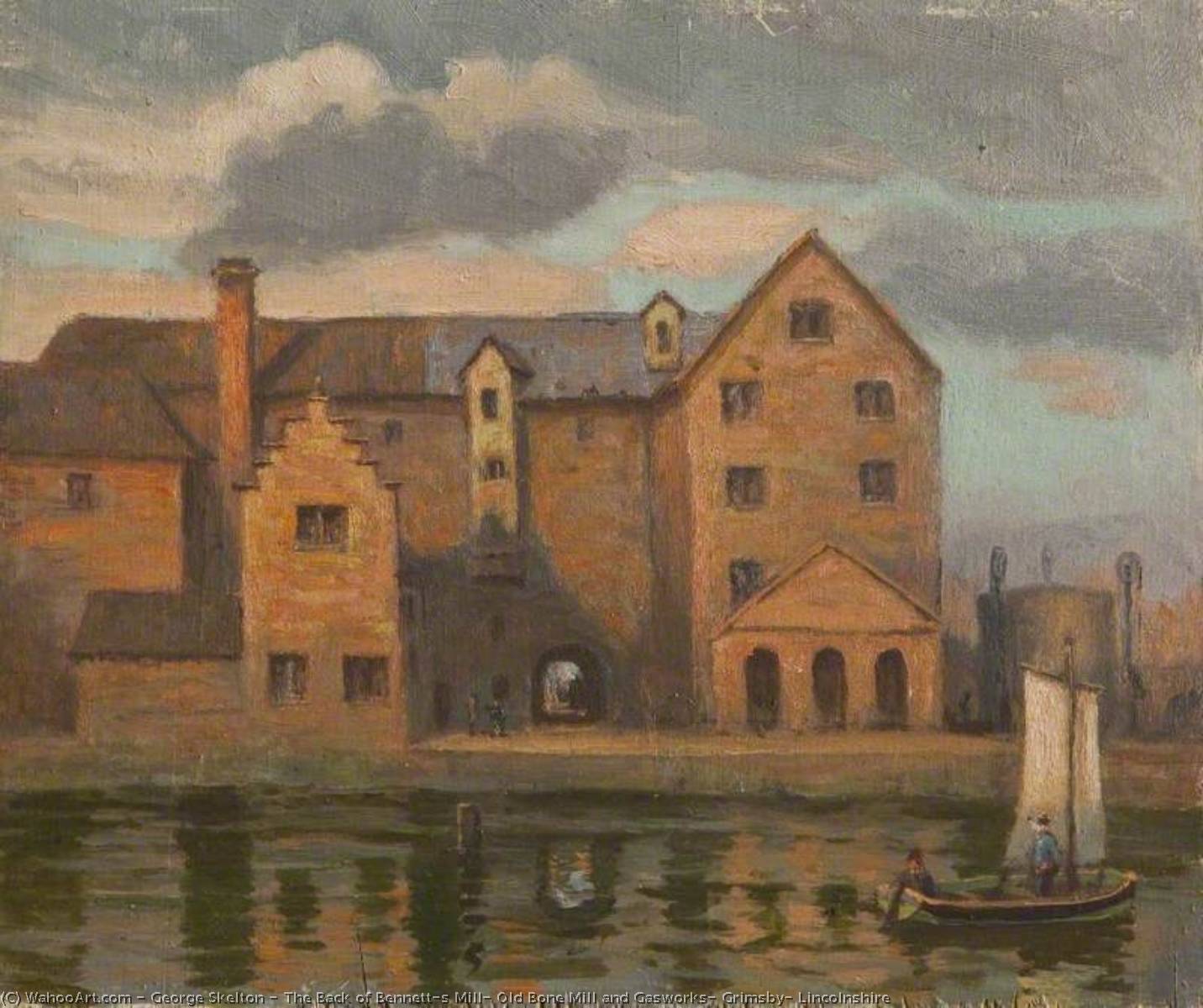
The Back of Bennett's Mill, Old Bone Mill and Gasworks, Grimsby, Lincolnshire
 1928
1928 22.0 x 26.0 cm
 Fishing Heritage Centre
 詳細を見る
詳細を見る
ジークレー/アートプリント
迅速な制作と多彩な仕上げオプションを備えた、ミュージアムクオリティのジークレーまたはキャンバスプリント。 ( 手描きの絵画を購入 画像を購入)




































作品のオリジナル比率に合わせた、当店の規定サイズからお選びください。

特定のフレームやスペースに合わせて、ご自身でサイズを指定することも可能です。選択されたサイズが元の画像の比率と一致しない場合、作品をトリミングするか、鏡面反射または単色での塗りつぶしによって画像を拡張いたします。制作を開始する前に、ご確認用のデジタルモックアップをお送りいたします。
画面上のプレビューには、実際のトリミングや拡張は反映されませんのでご注意ください。最終的な構図を正確に確認できるのは、モックアップのみとなります。
カスタムサイズも承っておりますが、元の比率を維持するためには、あらかじめ用意されたリストからサイズを選択することをお勧めいたします。


 ガラスオプションは、110cm未満のサイズでのみご利用いただけます。

The Back of Bennett's Mill, Old Bone Mill and Gasworks, Grimsby, Lincolnshire
ジークレー/アートプリント
複製画のサイズ
-


合計金額
$ 62
関連作品










アーティストの略歴
George Skelton: A Tudor Visionary Capturing Quiet Dignity
George Skelton remains a figure shrouded in relative obscurity, yet his portraits—particularly those depicting unnamed gentlemen—hold a unique fascination for art historians and collectors alike. Primarily active during the Elizabethan era, Skelton’s meticulous realism distinguishes him from many of his contemporaries, offering glimpses into a world of refined taste and subtle psychological observation rarely found elsewhere. While biographical details are scarce, surviving documentation suggests he was born in England sometime around 1560, though precise birth records remain elusive.
Skelton's artistic journey began amidst the burgeoning Renaissance fervor that swept across Europe, absorbing influences from masters of portraiture who championed naturalism and humanist ideals. These formative connections are evident in his technique: he employed oil paints on canvas with painstaking detail, meticulously layering glazes to achieve astonishing tonal accuracy and capturing minute nuances of expression. Unlike some artists of his time who prioritized grandeur and theatrical pose, Skelton favored a restrained approach, focusing instead on conveying inner character through subtle gestures and facial features.
The Art of the Unknown
His most celebrated works are undoubtedly the portraits of “unknown gentlemen,” which exemplify his distinctive style. These canvases depict men dressed in elegant attire—often richly embroidered robes—but their faces remain deliberately ambiguous. Rather than presenting idealized representations of nobility, Skelton sought to portray individuals with quiet dignity and understated intelligence. The sitter’s gaze is direct yet contemplative, hinting at inner thoughts and emotions that transcend mere appearance.
The technical mastery displayed in these works allows the viewer to appreciate the textures of the era:
- Textural Realism: The heavy weight of velvet, the intricate sheen of silk, and the delicate patterns of lace are rendered with a precision that borders on the tactile.
- Psychological Depth: Through subtle shifts in light and shadow, Skelton captures a sense of melancholy or resolve within his subjects.
- Tonal Accuracy: His use of glazes creates a luminous quality, making the skin tones appear lifelike and breathing beneath the surface of the paint.
Legacy and Historical Significance
Critics have noted the remarkable sensitivity with which Skelton captures the psychological complexities of his subjects—a trait that elevates his work from mere documentation to profound character study. In an age where portraiture often served as a tool for political propaganda or the display of wealth, Skelton’s focus on the individual's internal state provides a rare, intimate window into the Elizabethan soul. His ability to find beauty in the understated and importance in the anonymous ensures his place as a vital, if quiet, voice in the history of British Renaissance art.
基本情報
- Artistic Movement Or Style: Tudor & Elizabethan Portraiture
- Full Name: George Skelton
- Nationality: British
- Notable Artworks:
- Elizabethan Portrait of an Unknown Gentleman
- Tudor Portrait of an Unknown Gentleman
- The Moll All Alone

