

 プレビュー
プレビュー
 シェアする
シェアする シェアする
シェアする
 詳細を見る
詳細を見る

 ダウンロード
 似ている作品
 X線調査
X線調査 スライドショー
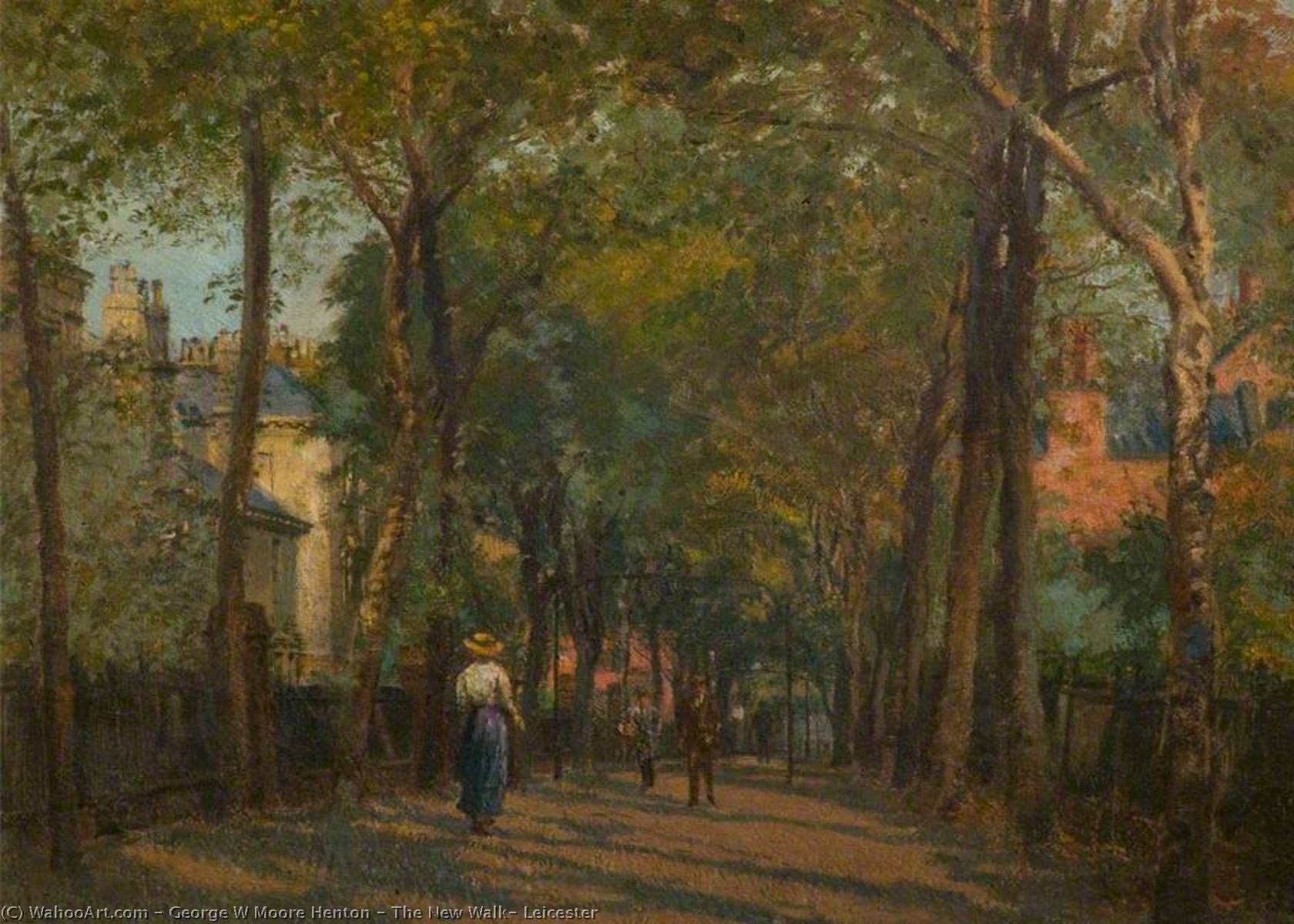
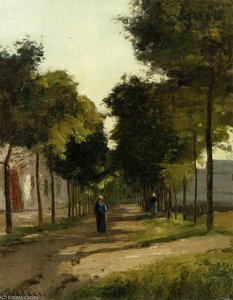
The New Walk, Leicester
 Impressionism
 1914
1914 31.0 x 41.0 cm
 New Walk Museum - Art Gallery
 詳細を見る
詳細を見る
ジークレー/アートプリント
迅速な制作と多彩な仕上げオプションを備えた、ミュージアムクオリティのジークレーまたはキャンバスプリント。 ( 手描きの絵画を購入 画像を購入)




































作品のオリジナル比率に合わせた、当店の規定サイズからお選びください。

特定のフレームやスペースに合わせて、ご自身でサイズを指定することも可能です。選択されたサイズが元の画像の比率と一致しない場合、作品をトリミングするか、鏡面反射または単色での塗りつぶしによって画像を拡張いたします。制作を開始する前に、ご確認用のデジタルモックアップをお送りいたします。
画面上のプレビューには、実際のトリミングや拡張は反映されませんのでご注意ください。最終的な構図を正確に確認できるのは、モックアップのみとなります。
カスタムサイズも承っておりますが、元の比率を維持するためには、あらかじめ用意されたリストからサイズを選択することをお勧めいたします。


 ガラスオプションは、110cm未満のサイズでのみご利用いただけます。

The New Walk, Leicester
ジークレー/アートプリント
複製画のサイズ
-


合計金額
$ 62
作品詳細説明
Artist Background
George W Moore Henton was a talented artist known for his captivating depictions of everyday life. His work often featured serene landscapes and tranquil scenes, inviting viewers to step into the peaceful world he created. Some of his notable works include Old Town Hall Library, Guildhall, Leicester, Courtyard, Guildhall, Leicester, and November Sunshine, Lowesby Church, Leicestershire.The Painting
The The New Walk, Leicester painting showcases a woman walking her dog in a park-like setting, surrounded by trees and other individuals enjoying the outdoors. The scene exudes a sense of calmness and tranquility, drawing the viewer into the serene atmosphere. The use of oil on canvas adds depth and texture to the piece, making it a truly remarkable work of art. Key Features:- Oil on canvas
- Measures 31 x 41 cm
- Created in 1914
- Housed at the New Walk Museum - Art Gallery
Discover the beauty of The New Walk, Leicester and experience the tranquility it embodies. With its rich history and stunning depiction, this painting is sure to be a treasured addition to any art collection.
関連作品

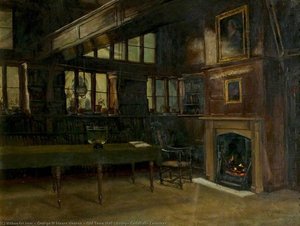
アーティストの略歴
A Leicestershire Visionary: The Life and Art of George W. Moore Henton
George W. Moore Henton, born in Leicester on January 2nd, 1861, was a painter deeply rooted in the landscapes and evolving urban scenes of his native England. While not a household name, Henton occupies a significant niche as a chronicler of Victorian and Edwardian life, particularly within the city of Leicester itself. His work offers a fascinating glimpse into a period of rapid change, capturing both the idyllic beauty of the countryside and the burgeoning modernity of industrial towns. Born to George Henton, a banker’s clerk, and his wife, Moore Henton's early life provided him with a stable upbringing that likely fostered an appreciation for detail and observation – qualities that would become hallmarks of his artistic style. He passed away in 1924, leaving behind a legacy of paintings that continue to resonate with those interested in British landscape painting and the social history of the era.Early Influences and Artistic Development
Henton’s artistic journey wasn't one of dramatic revolution but rather a gradual refinement of skill and vision. While formal training details remain somewhat scarce, it is evident his work was influenced by the Impressionistic movement sweeping across Europe. However, he didn’t fully embrace the broken brushstrokes and emphasis on light that defined many French Impressionists. Instead, Henton developed a unique style characterized by meticulous detail, a soft atmospheric quality, and a keen eye for capturing the nuances of Victorian architecture and natural forms. His early works often focused on rural scenes around Leicestershire, demonstrating a proficiency in depicting trees, fields, and waterways with remarkable accuracy. He skillfully rendered light and shadow, creating paintings that evoke a sense of tranquility and harmony. As his career progressed, Henton increasingly turned his attention to the cityscapes of Leicester, becoming particularly known for his depictions of The New Walk – a picturesque promenade established in 1794.The New Walk: A Recurring Motif
The New Walk, a tree-lined avenue following the course of an ancient Roman road, became almost synonymous with George W. Moore Henton’s artistic output. He painted it repeatedly throughout his career, capturing its changing seasons and the evolving social life that unfolded along its path. His 1914 oil painting, The New Walk, Leicester, is perhaps his most celebrated work. It exemplifies his ability to blend Impressionistic techniques with a more traditional attention to detail. The painting isn’t merely a topographical representation; it's a vibrant snapshot of Victorian society – families strolling, couples courting, and individuals enjoying the leisure afforded by this public space. Henton masterfully captures the dappled sunlight filtering through the trees, creating an atmosphere of warmth and serenity. This dedication to documenting The New Walk reflects not only his artistic skill but also his deep connection to his hometown and its cultural landmarks.Technique and Style: A Blend of Realism and Atmosphere
Henton’s technique was marked by a careful layering of paint, often using thin glazes to create depth and luminosity. He wasn't interested in bold experimentation or abstract forms; instead, he focused on achieving a realistic representation of his subjects while simultaneously imbuing them with a sense of atmosphere and emotion. His brushwork is generally smooth and controlled, allowing for precise detailing of architectural elements and natural textures. The use of color is subtle yet effective, employing muted tones to create a harmonious palette that reflects the soft light of the English countryside and the urban landscapes he depicted. He often worked en plein air, capturing the immediacy of his observations directly from nature. This commitment to direct observation contributed to the authenticity and realism of his paintings.Legacy and Historical Significance
While George W. Moore Henton may not be as widely recognized as some of his contemporaries, his work holds significant historical value. His paintings provide a valuable visual record of Victorian and Edwardian England, offering insights into the social customs, architectural styles, and landscapes of the period. He was a keen observer of change, documenting the transition from a predominantly rural society to an increasingly industrialized nation. His depictions of Leicester, particularly The New Walk, are invaluable for understanding the city’s cultural heritage and its evolution over time. Today, his paintings are held in public collections such as the New Walk Museum & Art Gallery in Leicester, ensuring that his vision of England continues to inspire and captivate audiences for generations to come.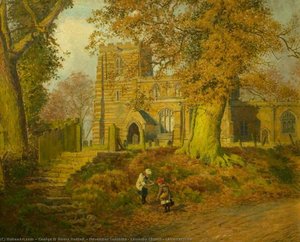
基本情報
- Artistic Movement Or Style: Impressionism
- Date Of Death: 1924
- Full Name: George W. Moore Henton
- Nationality: British
- Notable Artworks: ['The New Walk, Leicester']
- Place Of Birth: Leicester, England
関連記事

ジョルジュ・ブラック傑作25選:革新的なキュビスムの世界と装飾への誘い
ジョルジュ・ブラックの傑作25選。キュビスムを代表する画家、その革新的な色彩と技法に迫ります。名画から知られざる逸品まで、美術史に残る作品群をArtsDot.comで鑑賞。お部屋を彩るアートプリントも多数ご用意。今すぐオンラインでコレクションをご覧ください。

ジョルジュ・スーラ傑作25選:光と色彩の科学が織りなす芸術の世界|ArtsDot
ジョルジュ・スーラの傑作25選。点描画の光と色彩、印象派から新印象派へ—ArtsDotで美術史を紐解き、リビングやダイニングを彩る高品質なアートプリントを見つけましょう。セーラ作品集をオンラインで鑑賞ください。
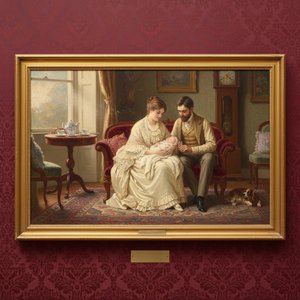
George Goodwin Kilburne: Capturing Victorian Sentimentality Through Genre Painting
Explore the evocative Victorian paintings of George Goodwin Kilburne. Discover his detailed scenes of domestic life, masterful use of light, and lasting impact on British genre painting. Learn more at ArtsDot.
George Hayter: Portraiture, Power & Victorian Society's Canvas
Explore the life & work of George Hayter, Queen Victoria’s Principal Painter. Discover his iconic Victorian portraits, historical masterpieces, and lasting impact on British art history. Learn more at ArtsDot.
The Refined Aesthetic of Victorian Illustration: A Study in Narrative & Technique
Explore the captivating world of Victorian illustration! Discover Pre-Raphaelite influences, key artists like Rossetti & Stephens, and the era's rich narrative detail. A deep dive for art enthusiasts.

