 プレビュー
プレビュー
 シェアする
シェアする シェアする
シェアする
 詳細を見る
詳細を見る

 ダウンロード
 似ている作品
 X線調査
X線調査 スライドショー
ガラスのユリ


 詳細を見る
詳細を見る
ジークレー/アートプリント
迅速な制作と多彩な仕上げオプションを備えた、ミュージアムクオリティのジークレーまたはキャンバスプリント。 ( 手描きの絵画を購入 画像を購入)




P118B $10

P118H $10

P118W $10

P438Z $10

P508JH $12

P508YH $12

P805H $10

P805Z $10

P919BZ $10

P919G $10

P919XJ $10

P959ZH $10

P968JZ $12

W106C $8

W218G $10

W218JH $8

W218Y $10

W307PJ $10

W316G $10

W316PJ $8

W316Y $10

W398PJ $8

W4111J $10

W500HY $15

W500JH $15

W692G $12

W849H $8

W940BG $15

W953PJ $8




作品のオリジナル比率に合わせた、当店の規定サイズからお選びください。

特定のフレームやスペースに合わせて、ご自身でサイズを指定することも可能です。選択されたサイズが元の画像の比率と一致しない場合、作品をトリミングするか、鏡面反射または単色での塗りつぶしによって画像を拡張いたします。制作を開始する前に、ご確認用のデジタルモックアップをお送りいたします。
画面上のプレビューには、実際のトリミングや拡張は反映されませんのでご注意ください。最終的な構図を正確に確認できるのは、モックアップのみとなります。
カスタムサイズも承っておりますが、元の比率を維持するためには、あらかじめ用意されたリストからサイズを選択することをお勧めいたします。


 ガラスオプションは、110cm未満のサイズでのみご利用いただけます。

ガラスのユリ
ジークレー/アートプリント
複製画のサイズ
-


合計金額
$ 62
作品詳細説明
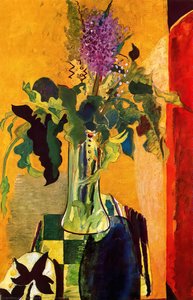
The Glass of Lilies: A Cubist Meditation on Still Life
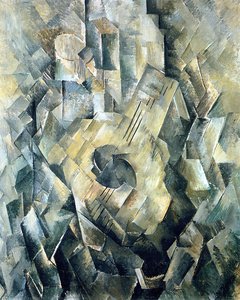
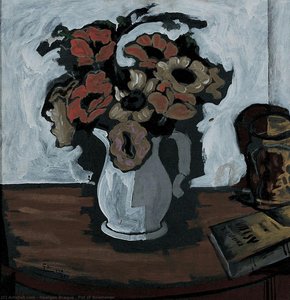
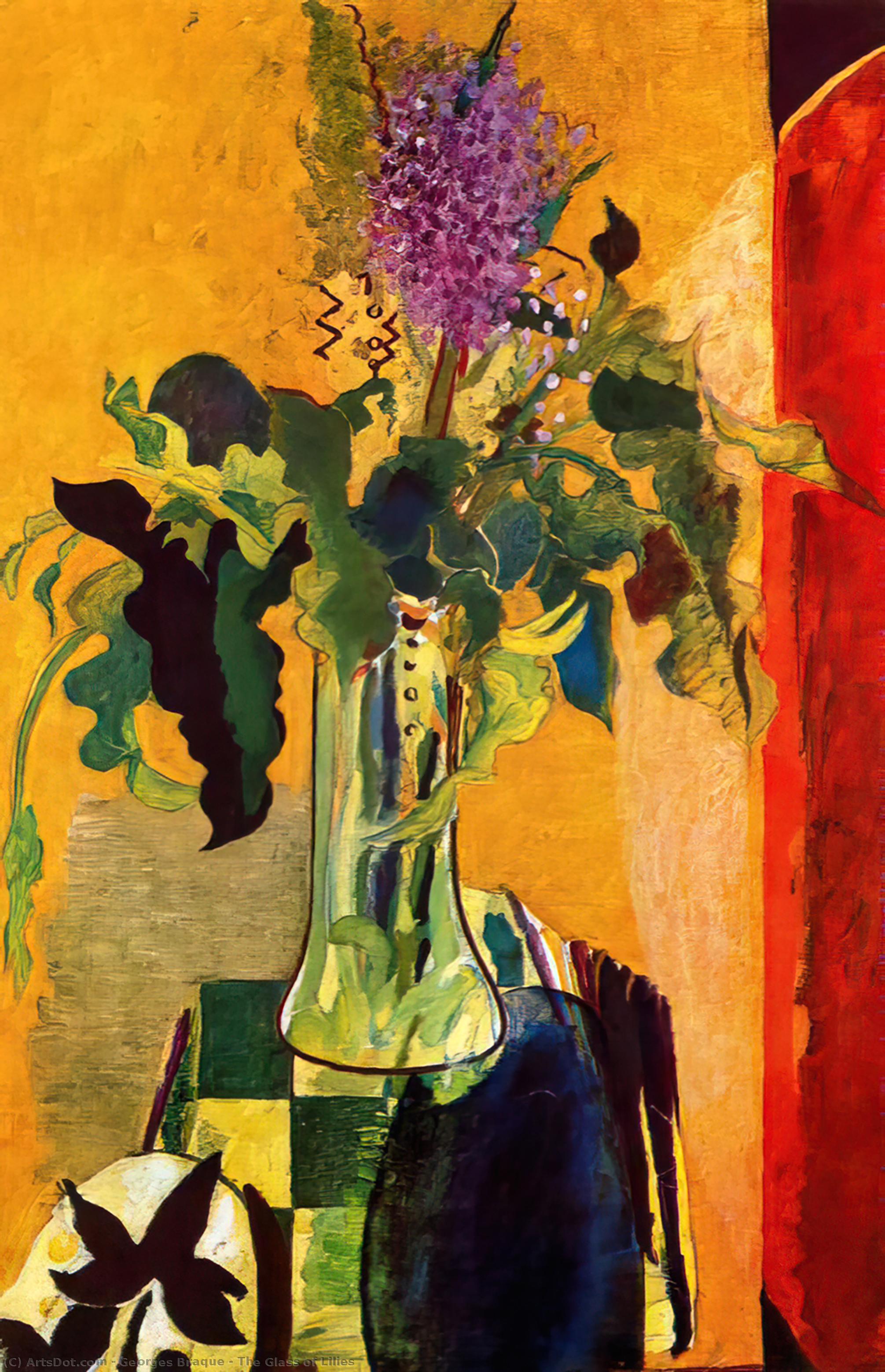
Georges Braque’s “The Glass of Lilies,” painted in 1912, isn't merely a depiction of a vase and flowers; it’s a profound exploration of perception itself. This pivotal work, residing within the heart of the Cubist movement, invites us to reconsider how we see – and understand – the world around us. Braque, working closely with Pablo Picasso during this intensely creative period, dismantled traditional notions of representation, opting instead for a fragmented, multi-faceted approach that captures not just the *appearance* of an object but its very essence. The painting’s muted palette—dominated by browns, ochres, and subtle greens—creates a sense of quiet contemplation, drawing the viewer into a space where form and color intertwine in a dance of abstraction. Notice how the vase itself isn't rendered as a solid volume; it’s broken down into geometric planes, suggesting multiple viewpoints simultaneously. This technique, central to Cubism, challenges our ingrained assumptions about depth and spatial relationships, forcing us to actively engage with the image and reconstruct its form within our own minds. The inclusion of other vases and potted plants in the background further reinforces this sense of multiplicity, creating a layered composition that mirrors the complexities of modern experience.- Analytical Cubism: Braque’s early work in this style is characterized by a deliberate flattening of space and an emphasis on geometric forms.
- Color Palette: The subdued tones contribute to the painting's contemplative mood, allowing the structural elements to take center stage.
- Multiple Perspectives: The fragmented composition reflects the Cubist principle of presenting multiple viewpoints within a single image.
Influences and Artistic Roots
To truly appreciate “The Glass of Lilies,” it’s essential to understand its lineage. Braque's artistic journey was deeply rooted in the work of Paul Cézanne, whose emphasis on geometric forms and spatial relationships profoundly influenced his approach to painting. Cézanne’s exploration of multiple perspectives—seeing an object from various angles simultaneously—provided a crucial foundation for Braque’s Cubist innovations. Simultaneously, Braque absorbed the vibrant color palettes and expressive brushwork of Fauvism, particularly through his collaborations with artists like Raoul Dufy. This fusion of influences – Cézanne's structural rigor combined with Fauvist boldness – resulted in a uniquely powerful style that would reshape the course of modern art. The painting’s composition also subtly echoes the decorative arts traditions Braque had learned as a house painter, grounding the abstract forms within a familiar visual vocabulary. Cézanne’s Influence:** Braque sought to capture the essence of an object by analyzing its underlying geometric structure, much like Cézanne did with his landscapes. Fauvist Echoes:* The painting's muted tones and emphasis on color reflect the influence of Fauvism, a movement that prioritized emotional expression over realistic representation.Symbolic Resonance: Flowers as Fragments
Beyond its formal innovations, “The Glass of Lilies” is rich in symbolic meaning. The flowers themselves—likely lilies, though their precise identification remains open to interpretation—represent beauty, purity, and remembrance. Their fragmented depiction within the painting suggests a disruption of traditional notions of floral representation, mirroring the broader Cubist challenge to established artistic conventions. The glass, acting as a vessel for these delicate blooms, symbolizes containment and transformation – holding the essence of the flowers while simultaneously reflecting them in distorted fragments. The arrangement of objects—the vase, the other vases, the plants—creates a miniature world within the frame, inviting contemplation on themes of harmony, balance, and the interconnectedness of all things.- Lilies: Symbolize beauty, purity, and remembrance.
- The Vase: Represents containment and transformation.
A Legacy in Reproduction – Bringing Braque to Your Space
Georges Braque’s “The Glass of Lilies” stands as a testament to the transformative power of Cubism. Today, high-quality oil painting reproductions offer an accessible way to experience this groundbreaking artwork firsthand. ArtsDot.com specializes in meticulously crafted replicas that capture not only the visual details but also the emotional depth and intellectual complexity of Braque’s original masterpiece. Whether adorning a contemporary living room or enriching a scholarly study, a reproduction of “The Glass of Lilies” serves as a constant reminder of the enduring legacy of this revolutionary artist. For further exploration, we encourage you to visit the Dixon Gallery and Gardens in Memphis, United States, where an impressive collection of Braque’s works—including “Pot of Anemones”—provides invaluable context for understanding his artistic development. And if you're seeking a deeper dive into the world of Cubism, consider exploring resources like Georges Braque on ArtsDot.com or delving into the extensive archives available at The Glass of Lilies.関連作品

アーティストの略歴
Georges Braque (1882-1963): キュビズムのパイオニアとファウヴィスムの巨匠
Georges Braqueはフランスで生まれ、1882年にアルジェンテイルで誕生しました。彼の幼少期は画家や職工の家族の中で育ち、素材に対する技術的な熟練さと形状への初期的な認識を培いました。父親の職業に従うことよりも、彼は芸術的な欲求がすぐに現れ、レハーヴ美術学院で美術教育を受けることで、20世紀における最も影響力のある画家の一人になるための旅立ちを果たしました。これは実践的な職人の技術とアカデミックな学習の融合であり、後に伝統的な芸術形式を破壊し書き換えながら、彼がより後の世代に影響を与えることを可能にする基礎となりました。 パリへ移住した1902年には、美術都市で美術教育を受け続けました。彼はマリー・ローランシンやフランシス・ピカビアなど、彼の初期の開発を形作ったつながりを築いたアーティストたちと出会いました。彼の最初の作品は印象主義とポスト印象主義の影響を受けていましたが、1905年にファウヴィズムの鮮やかな色彩と表現的な自由に遭遇したことで、彼の芸術的探求は新たな方向へ進みました。彼はファウヴィストの原則を採用し、鮮やかなパレットと簡素化された形態を特徴とする絵画でその影響を示しています。例えば、『エスタークの家』です。この時期には、ヘンリー・マティスやアン ドレ・ドランなどとともに働き、鮮やかな色彩と簡素化された形態を試みました。しかし、彼はファウヴィズムの熱狂的なエネルギーをより抑制的で分析的なアプローチで和らげながら、この動きの独自性を反映しました。ファウヴィズムへの傾倒とキュビズムの誕生
彼の芸術的探求は印象主義とポスト印象主義の影響を受けましたが、彼は特に絵画『パチエンス』においてファウヴィストの原則を採用し、鮮やかな色彩と表現的な自由を特徴とする絵画でその影響を示しています。この時期にはヘンリー・マティスやアン ドレ・ドランなどとともに働き、鮮やかな色彩と簡素化された形態を試みました。彼はファウヴィズムの熱狂的なエネルギーをより抑制的で分析的なアプローチで和らげながら、この動きの独自性を反映しました。彼の初期の作品は印象主義とポスト印象主義の影響を受けていましたが、彼は特に絵画『パチエンス』においてファウヴィストの原則を採用し、鮮やかな色彩と表現的な自由を特徴とする絵画でその影響を示しています。この時期にはヘンリー・マティスやアン ドレ・ドランなどとともに働き、鮮やかな色彩と簡素化された形態を試みました。彼はファウヴィズムの熱狂的なエネルギーをより抑制的で分析的なアプローチで和らげながら、この動きの独自性を反映しました。彼はファウヴィストの原則を採用し、鮮やかなパレットと簡素化された形態を特徴とする絵画でその影響を示しています。この時期にはヘンリー・マティスやアン ドレ・ドランなどとともに働き、鮮やかな色彩と簡素化された形態を試みました。彼はファウヴィズムの熱狂的なエネルギーをより抑制的で分析的なアプローチで和らげながら、この動きの独自性を反映しました。彼はファウヴィストの原則を採用し、鮮やかなパレットと簡素化された形態を特徴とする絵画でその影響を示しています。この時期にはヘンリー・マティスやアン ドレ・ドランなどとともに働き、鮮やかな色彩と簡素化された形態を試みました。彼はファウヴィズムの熱狂的なエネルギーをより抑制的で分析的なアプローチで和らげながら、この動きの独自性を反映しました。彼はファウヴィストの原則を採用し、鮮やかなパレットと簡素化された形態を特徴とする絵画でその影響を示しています。この時期にはヘンリー・マティスやアン ドレ・ドランなどとともに働き、鮮やかな色彩と簡素化された形態を試みました。彼はファウヴィズムの熱狂的なエネルギーをより抑制的で分析的なアプローチで和らげながら、この動きの独自性を反映しました。彼はファウヴィストの原則を採用し、鮮やかなパレットと簡素化された形態を特徴とする絵画でその影響を示しています。この時期にはヘンリー・マティスやアン ドレ・ドランなどとともに働き、鮮やかな色彩と簡素化された形態を試みました。彼はファウヴィズムの熱狂的なエネルギーをより抑制的で分析的なアプローチで和らげながら、この動きの独自性を反映しました。彼はファウヴィストの原則を採用し、鮮やかなパレットと簡素化された形態を特徴とする絵画でその影響を示しています。この時期にはヘンリー・マティスやアン ドレ・ドランなどとともに働き、鮮やかな色彩と簡素化された形態を試みました。彼はファウヴィズムの熱狂的なエネルギーをより抑制的で分析的なアプローチで和らげながら、この動きの独自性を反映しました。彼はファウヴィストの原則を採用し、鮮やかなパレットと簡素化された形態を特徴とする絵画でその影響を示しています。彼はファウヴィストの原則を採用し、鮮やかなパレットと簡素化された形態を特徴とする絵画でその影響を示しています。彼はファウヴィストの原則を採用し、鮮やかなパレットと簡素化された形態を特徴とする絵画でその影響を示しています。彼はファウヴィストの原則を採用し、鮮やかなパレットと簡素化された形態を特徴とする絵画でその影響を示しています。彼はファウヴィストの原則を採用し、鮮やかなパレットと簡素化された形態を特徴とする絵画でその影響を示しています。彼はファウヴィストの原則を採用し、鮮やかなパレットと簡素化された形態を特徴とする絵画でその影響を示しています。彼はファウヴィストの原則を採用し、鮮やかなパレットと簡素化された形態を特徴とする絵画でその影響を示しています。彼はファウヴィストの原則を採用し、鮮やかなパレットと簡素化された形態を特徴とする絵画でその影響を示しています。彼はファウヴィストの原則を採用し、鮮やかなパレットと簡素化された形態を特徴とする絵画でその影響を示しています。彼はファウヴィストの原則を採用し、鮮やかなパレットと簡素化された形態を特徴とする絵画でその影響を示しています。彼はファウヴィストの原則を採用し、鮮やかなパレットと簡素化された形態を特徴とする絵画でその影響を示しています。彼はファウヴィストの原則を採用し、鮮やかなパレットと簡素化された形態を特徴とする絵画でその影響を示しています。彼はファウヴィストの原則を採用し、鮮やかなパレットと簡素化された形態を特徴とする絵画でその影響を示しています。彼はファウヴィストの原則を採用し、鮮やかなパレットと簡素化された形態を特徴とする絵画でその影響を示しています。彼はファウヴィストの原則を採用し、鮮やかなパレットと簡素化された形態を特徴とする絵画でその影響を示しています。彼はファウヴィストの原則を採用し、鮮やかなパレットと簡素化された形態を特徴とする絵画でその影響を示しています。彼はファウヴィストの原則を採用し、鮮やかなパレットと簡素化された形態を特徴とする絵画でその影響を示しています。彼はファウヴィストの原則を採用し、鮮やかなパレットと簡素化された形態を特徴とする絵画でその影響を示しています。彼はファウヴィストの原則を採用し、鮮やかなパレットと簡素化された形態を特徴とする絵画でその影響を示しています。彼はファウヴィストの原則を採用し、鮮やかなパレットと簡素化された形態を特徴とする絵画でその影響を示しています。彼はファウヴィストの原則を採用し、鮮やかなパレットと簡素化された形態を特徴とする絵画でその影響を示しています。彼はファウヴィストの原則を採用し、鮮やかなパレットと簡素化された形態を特徴とする絵画でその影響を示しています。彼はファウヴィストの原則を採用し、鮮やかなパレットと簡素化された形態を特徴とする絵画でその影響を示しています。彼はファウヴィストの原則を採用し、鮮やかなパレットと簡素化された形態を特徴とする絵画でその影響を示しています。彼はファウヴィストの原則を採用し、鮮やかなパレットと簡素化された形態を特徴とする絵画でその影響を示しています。彼はファウヴィストの原則を採用し、鮮やかなパレットと簡素化された形態を特徴とする絵画でその影響を示しています。彼はファウヴィストの原則を採用し、鮮やかなパレットと簡素化された形態を特徴とする絵画でその影響を示しています。彼はファウヴィストの原則を採用し、鮮やかなパレットと簡素化された形態を特徴とする絵画でその影響を示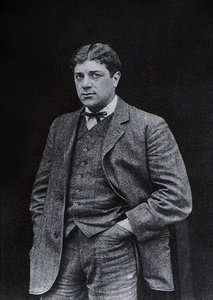
ジョルジュ・ブラクエ
1882 - 1963 , フランス
基本情報
- Artistic Movement Or Style: キュビズム、ファウヴィスム
- Artists Or Movements Influenced By This Artist: ['パブロ・ピカソ']
- Artists Who Influenced This Artist:
- ピエール・マティス
- アンリ・ドラン
- パウル・セザンヌ
- Date Of Birth: 1882年5月13日
- Date Of Death: 1963年
- Full Name: Georges Braque
- Nationality: フランス人
- Notable Artworks:
- エルスタックの家
- 忍耐
- Place Of Birth: フランス アルジェンテュイユ
関連記事

ジョルジュ・ブラック傑作25選:革新的なキュビスムの世界と装飾への誘い
ジョルジュ・ブラックの傑作25選。キュビスムを代表する画家、その革新的な色彩と技法に迫ります。名画から知られざる逸品まで、美術史に残る作品群をArtsDot.comで鑑賞。お部屋を彩るアートプリントも多数ご用意。今すぐオンラインでコレクションをご覧ください。

ジョルジュ・スーラ傑作25選:光と色彩の科学が織りなす芸術の世界|ArtsDot
ジョルジュ・スーラの傑作25選。点描画の光と色彩、印象派から新印象派へ—ArtsDotで美術史を紐解き、リビングやダイニングを彩る高品質なアートプリントを見つけましょう。セーラ作品集をオンラインで鑑賞ください。
Georges Braque: Pioneering Cubism & the Evolution of Modern Form
Explore the revolutionary art of Georges Braque, a pioneer of Cubism alongside Picasso. Discover his artistic evolution, key works, and lasting impact on modern art. A guide for discerning collectors.
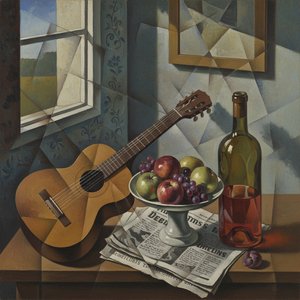
Deconstructing Reality: A Comprehensive Exploration of Cubist Still Life
Explore the revolutionary world of Cubist Still Life with ArtsDot. Discover Picasso & Braque's groundbreaking techniques, its philosophical roots, and lasting impact on modern art. Expert insights for collectors.
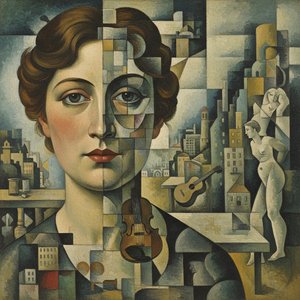
Deconstructing Reality: Cubism's Revolutionary Impact on 20th-Century Art
Explore the revolutionary world of Cubism with ArtsDot. Discover Picasso & Braque's groundbreaking techniques, its philosophical roots, and lasting impact on modern art. Expert insights for collectors.