 プレビュー
プレビュー
 シェアする
シェアする シェアする
シェアする
 詳細を見る
詳細を見る

 ダウンロード
 似ている作品
 X線調査
X線調査 スライドショー
 統計情報
統計情報The Port Of Le Havre


 詳細を見る
詳細を見る
手描き油彩複製画
当社のアーティストが、お客様のご希望のサイズと額縁に合わせて、キャンバスに手描きで制作する油彩画です。 ( プリント版に切り替え デジタル画像販売へ切り替え)




P118B $10

P118H $10

P118W $10

P438Z $10

P508JH $12

P508YH $12

P805H $10

P805Z $10

P919BZ $10

P919G $10

P919XJ $10

P959ZH $10

P968JZ $12

W106C $8

W218G $10

W218JH $8

W218Y $10

W307PJ $10

W316G $10

W316PJ $8

W316Y $10

W398PJ $8

W4111J $10

W500HY $15

W500JH $15

W692G $12

W849H $8

W940BG $15

W953PJ $8




作品のオリジナル比率に合わせた、当店の規定サイズからお選びください。

特定のフレームやスペースに合わせて、ご希望のサイズをご入力いただけます。選択されたサイズが元の画像の比率と異なる場合、アートワークをトリミングするか、手描きで要素を追加して絵画を拡張いたします。デジタルモックアップ を制作し、制作開始前にご確認(承認)をいただきます。
画面上のプレビューは、実際のトリミングや拡張を正確に反映しているものではありません。最終的な構図は、モックアップによってのみ正確にご確認いただけます。
カスタムサイズもご利用いただけますが、元の比率を維持するためには、あらかじめ用意されたリストからサイズを選択することをお勧めいたします。
ご注文後、ArtsDot.com チームより詳細な指示をお送りするとともに、仕上がりイメージ(モックアップ)をご提供いたします。


 ガラスオプションは、110cm未満のサイズでのみご利用いただけます。

The Port Of Le Havre
複製技法
複製画のサイズ
-


合計金額
$ 263
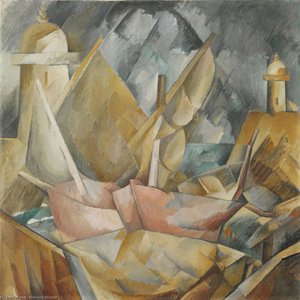
The Port of Le Havre: A Study in Atmospheric Gray – Georges Braque’s Masterpiece
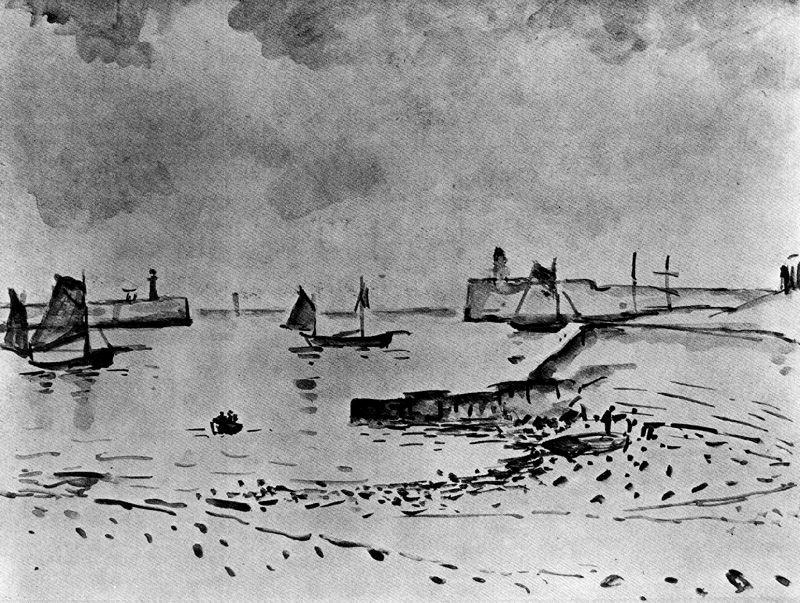
Georges Braque's “The Port of Le Havre” isn’t merely a depiction of a harbor scene; it’s an immersion into a specific mood, a carefully constructed meditation on light, space, and the quiet power of observation. Painted around 1909, during a pivotal period in his artistic development alongside Pablo Picasso, this monochrome masterpiece exemplifies the nascent principles of Cubism while retaining a deeply evocative emotional resonance. The artwork immediately draws the viewer into a world of subtle tonal shifts and fragmented forms, inviting contemplation rather than immediate recognition.
The composition is strikingly simple yet profoundly effective. A dominant horizontal axis – the line of the water, the pier extending towards the center, and the expansive sky – establishes a sense of stillness and vastness. The long pier acts as a powerful diagonal element, guiding the eye into the heart of the scene and creating an illusion of depth that belies the limited palette. Scattered across the water are several sailboats, rendered with loose brushstrokes that suggest movement and subtly hinting at the bustling activity implied by their presence. Braque’s focus isn't on detailed representation but rather on capturing the *feeling* of the harbor – its atmosphere, its scale, and its inherent solitude.
The artwork’s remarkable restraint in color is central to its impact. Braque employs a meticulously controlled grayscale, ranging from delicate washes of light gray in the sky to dense blacks outlining shapes and casting dramatic shadows. This monochromatic approach isn't limiting; instead, it intensifies the sense of form and texture. The artist masterfully utilizes hatching and cross-hatching techniques – visible through careful examination – to build up tonal variations and create a convincing illusion of three-dimensionality. The effect is remarkably tactile; one can almost feel the roughness of the weathered wood of the pier or the choppy surface of the water.
Impressionistic Roots, Cubist Explorations
“The Port of Le Havre” firmly resides within the Impressionist tradition, particularly in its emphasis on capturing fleeting moments and atmospheric effects. However, it also represents a crucial stepping stone towards Braque’s later embrace of Cubism. The loose brushwork, the fragmented forms, and the deliberate distortion of perspective—all hallmarks of Impressionism—are subtly transformed into elements that foreshadow the geometric deconstruction characteristic of Cubism. Braque's early exposure to Paul Cézanne’s work, particularly his exploration of multiple viewpoints and the simplification of natural forms, is clearly evident in this piece. The artist seems to be grappling with how to represent reality not as a static image but as a series of interconnected perspectives.
The diffused lighting, absent of any strong directional source, contributes significantly to the artwork’s subdued mood. This atmospheric quality reinforces the sense of isolation and contemplation that permeates the scene. The vastness of the harbor—a recurring theme in Braque's work—suggests themes of human insignificance against the backdrop of nature’s power. There’s a quiet melancholy woven into the composition, inviting viewers to consider the passage of time and the enduring beauty of the natural world.
Technique and Materials – A Glimpse Behind the Canvas
Based on available research, “The Port of Le Havre” was likely created using ink or watercolor on paper. The rapid brushstrokes and layered washes suggest a technique prioritizing spontaneity and expressive freedom over meticulous detail. The artist’s use of wet-on-wet techniques – blending colors directly on the canvas without allowing them to dry—creates soft transitions and atmospheric effects, further enhancing the sense of depth and atmosphere. It's fascinating to consider how Braque achieved such a nuanced range of tones with such a limited palette; his mastery of color theory is clearly evident.
Further research reveals that this work was created during a period of intense experimentation for Braque, alongside Picasso, as they explored the foundations of Cubism. The influence of Cézanne’s geometric approach to landscape painting is particularly apparent, demonstrating how Braque built upon established artistic traditions while simultaneously forging new paths. The artwork stands as a testament to their collaborative spirit and their shared desire to challenge conventional notions of representation.
A Reproduction for Your Space – Bringing the Mood Home
ArtsDot offers meticulously crafted hand-painted reproductions of “The Port of Le Havre,” allowing you to bring this evocative masterpiece into your home or office. Our skilled artists faithfully recreate Braque’s atmospheric style, capturing the subtle tonal shifts and fragmented forms with remarkable precision. Whether you appreciate Impressionism, Cubism, or simply seek a piece that evokes a sense of quiet contemplation, our reproduction provides an authentic representation of this iconic artwork. Consider how the muted palette and evocative composition will complement your existing décor, creating a space filled with understated beauty and artistic depth.
関連作品
アーティストの略歴
Georges Braque (1882-1963): キュビズムのパイオニアとファウヴィスムの巨匠
Georges Braqueはフランスで生まれ、1882年にアルジェンテイルで誕生しました。彼の幼少期は画家や職工の家族の中で育ち、素材に対する技術的な熟練さと形状への初期的な認識を培いました。父親の職業に従うことよりも、彼は芸術的な欲求がすぐに現れ、レハーヴ美術学院で美術教育を受けることで、20世紀における最も影響力のある画家の一人になるための旅立ちを果たしました。これは実践的な職人の技術とアカデミックな学習の融合であり、後に伝統的な芸術形式を破壊し書き換えながら、彼がより後の世代に影響を与えることを可能にする基礎となりました。 パリへ移住した1902年には、美術都市で美術教育を受け続けました。彼はマリー・ローランシンやフランシス・ピカビアなど、彼の初期の開発を形作ったつながりを築いたアーティストたちと出会いました。彼の最初の作品は印象主義とポスト印象主義の影響を受けていましたが、1905年にファウヴィズムの鮮やかな色彩と表現的な自由に遭遇したことで、彼の芸術的探求は新たな方向へ進みました。彼はファウヴィストの原則を採用し、鮮やかなパレットと簡素化された形態を特徴とする絵画でその影響を示しています。例えば、『エスタークの家』です。この時期には、ヘンリー・マティスやアン ドレ・ドランなどとともに働き、鮮やかな色彩と簡素化された形態を試みました。しかし、彼はファウヴィズムの熱狂的なエネルギーをより抑制的で分析的なアプローチで和らげながら、この動きの独自性を反映しました。ファウヴィズムへの傾倒とキュビズムの誕生
彼の芸術的探求は印象主義とポスト印象主義の影響を受けましたが、彼は特に絵画『パチエンス』においてファウヴィストの原則を採用し、鮮やかな色彩と表現的な自由を特徴とする絵画でその影響を示しています。この時期にはヘンリー・マティスやアン ドレ・ドランなどとともに働き、鮮やかな色彩と簡素化された形態を試みました。彼はファウヴィズムの熱狂的なエネルギーをより抑制的で分析的なアプローチで和らげながら、この動きの独自性を反映しました。彼の初期の作品は印象主義とポスト印象主義の影響を受けていましたが、彼は特に絵画『パチエンス』においてファウヴィストの原則を採用し、鮮やかな色彩と表現的な自由を特徴とする絵画でその影響を示しています。この時期にはヘンリー・マティスやアン ドレ・ドランなどとともに働き、鮮やかな色彩と簡素化された形態を試みました。彼はファウヴィズムの熱狂的なエネルギーをより抑制的で分析的なアプローチで和らげながら、この動きの独自性を反映しました。彼はファウヴィストの原則を採用し、鮮やかなパレットと簡素化された形態を特徴とする絵画でその影響を示しています。この時期にはヘンリー・マティスやアン ドレ・ドランなどとともに働き、鮮やかな色彩と簡素化された形態を試みました。彼はファウヴィズムの熱狂的なエネルギーをより抑制的で分析的なアプローチで和らげながら、この動きの独自性を反映しました。彼はファウヴィストの原則を採用し、鮮やかなパレットと簡素化された形態を特徴とする絵画でその影響を示しています。この時期にはヘンリー・マティスやアン ドレ・ドランなどとともに働き、鮮やかな色彩と簡素化された形態を試みました。彼はファウヴィズムの熱狂的なエネルギーをより抑制的で分析的なアプローチで和らげながら、この動きの独自性を反映しました。彼はファウヴィストの原則を採用し、鮮やかなパレットと簡素化された形態を特徴とする絵画でその影響を示しています。この時期にはヘンリー・マティスやアン ドレ・ドランなどとともに働き、鮮やかな色彩と簡素化された形態を試みました。彼はファウヴィズムの熱狂的なエネルギーをより抑制的で分析的なアプローチで和らげながら、この動きの独自性を反映しました。彼はファウヴィストの原則を採用し、鮮やかなパレットと簡素化された形態を特徴とする絵画でその影響を示しています。この時期にはヘンリー・マティスやアン ドレ・ドランなどとともに働き、鮮やかな色彩と簡素化された形態を試みました。彼はファウヴィズムの熱狂的なエネルギーをより抑制的で分析的なアプローチで和らげながら、この動きの独自性を反映しました。彼はファウヴィストの原則を採用し、鮮やかなパレットと簡素化された形態を特徴とする絵画でその影響を示しています。この時期にはヘンリー・マティスやアン ドレ・ドランなどとともに働き、鮮やかな色彩と簡素化された形態を試みました。彼はファウヴィズムの熱狂的なエネルギーをより抑制的で分析的なアプローチで和らげながら、この動きの独自性を反映しました。彼はファウヴィストの原則を採用し、鮮やかなパレットと簡素化された形態を特徴とする絵画でその影響を示しています。彼はファウヴィストの原則を採用し、鮮やかなパレットと簡素化された形態を特徴とする絵画でその影響を示しています。彼はファウヴィストの原則を採用し、鮮やかなパレットと簡素化された形態を特徴とする絵画でその影響を示しています。彼はファウヴィストの原則を採用し、鮮やかなパレットと簡素化された形態を特徴とする絵画でその影響を示しています。彼はファウヴィストの原則を採用し、鮮やかなパレットと簡素化された形態を特徴とする絵画でその影響を示しています。彼はファウヴィストの原則を採用し、鮮やかなパレットと簡素化された形態を特徴とする絵画でその影響を示しています。彼はファウヴィストの原則を採用し、鮮やかなパレットと簡素化された形態を特徴とする絵画でその影響を示しています。彼はファウヴィストの原則を採用し、鮮やかなパレットと簡素化された形態を特徴とする絵画でその影響を示しています。彼はファウヴィストの原則を採用し、鮮やかなパレットと簡素化された形態を特徴とする絵画でその影響を示しています。彼はファウヴィストの原則を採用し、鮮やかなパレットと簡素化された形態を特徴とする絵画でその影響を示しています。彼はファウヴィストの原則を採用し、鮮やかなパレットと簡素化された形態を特徴とする絵画でその影響を示しています。彼はファウヴィストの原則を採用し、鮮やかなパレットと簡素化された形態を特徴とする絵画でその影響を示しています。彼はファウヴィストの原則を採用し、鮮やかなパレットと簡素化された形態を特徴とする絵画でその影響を示しています。彼はファウヴィストの原則を採用し、鮮やかなパレットと簡素化された形態を特徴とする絵画でその影響を示しています。彼はファウヴィストの原則を採用し、鮮やかなパレットと簡素化された形態を特徴とする絵画でその影響を示しています。彼はファウヴィストの原則を採用し、鮮やかなパレットと簡素化された形態を特徴とする絵画でその影響を示しています。彼はファウヴィストの原則を採用し、鮮やかなパレットと簡素化された形態を特徴とする絵画でその影響を示しています。彼はファウヴィストの原則を採用し、鮮やかなパレットと簡素化された形態を特徴とする絵画でその影響を示しています。彼はファウヴィストの原則を採用し、鮮やかなパレットと簡素化された形態を特徴とする絵画でその影響を示しています。彼はファウヴィストの原則を採用し、鮮やかなパレットと簡素化された形態を特徴とする絵画でその影響を示しています。彼はファウヴィストの原則を採用し、鮮やかなパレットと簡素化された形態を特徴とする絵画でその影響を示しています。彼はファウヴィストの原則を採用し、鮮やかなパレットと簡素化された形態を特徴とする絵画でその影響を示しています。彼はファウヴィストの原則を採用し、鮮やかなパレットと簡素化された形態を特徴とする絵画でその影響を示しています。彼はファウヴィストの原則を採用し、鮮やかなパレットと簡素化された形態を特徴とする絵画でその影響を示しています。彼はファウヴィストの原則を採用し、鮮やかなパレットと簡素化された形態を特徴とする絵画でその影響を示しています。彼はファウヴィストの原則を採用し、鮮やかなパレットと簡素化された形態を特徴とする絵画でその影響を示しています。彼はファウヴィストの原則を採用し、鮮やかなパレットと簡素化された形態を特徴とする絵画でその影響を示しています。彼はファウヴィストの原則を採用し、鮮やかなパレットと簡素化された形態を特徴とする絵画でその影響を示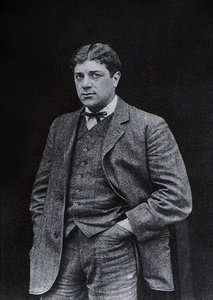
ジョルジュ・ブラクエ
1882 - 1963 , フランス
基本情報
- Artistic Movement Or Style: キュビズム、ファウヴィスム
- Artists Or Movements Influenced By This Artist: ['パブロ・ピカソ']
- Artists Who Influenced This Artist:
- ピエール・マティス
- アンリ・ドラン
- パウル・セザンヌ
- Date Of Birth: 1882年5月13日
- Date Of Death: 1963年
- Full Name: Georges Braque
- Nationality: フランス人
- Notable Artworks:
- エルスタックの家
- 忍耐
- Place Of Birth: フランス アルジェンテュイユ
関連記事
Georges Braque: Pioneering Cubism & the Evolution of Modern Form
Explore the revolutionary art of Georges Braque, a pioneer of Cubism alongside Picasso. Discover his artistic evolution, key works, and lasting impact on modern art. A guide for discerning collectors.
Henri Le Sidaner: Evoking Atmosphere & Intimacy in Post-Impressionist Landscapes
Discover the evocative world of Henri Le Sidaner, a master of Intimist painting. Explore his tranquil landscapes & atmospheric interiors – a celebration of light and intimacy. Learn about his life, style, and lasting legacy.

ジョルジュ・スーラ傑作25選:光と色彩の科学が織りなす芸術の世界|ArtsDot
ジョルジュ・スーラの傑作25選。点描画の光と色彩、印象派から新印象派へ—ArtsDotで美術史を紐解き、リビングやダイニングを彩る高品質なアートプリントを見つけましょう。セーラ作品集をオンラインで鑑賞ください。
Impressionism's Masterpieces: 10 Paintings That Defined a Movement | ArtsDot
Journey through Impressionism's heart with 10 iconic paintings by Monet, Renoir & Degas. Explore light, color & the stories behind these masterpieces. Find museum-quality art reproductions and elevate your home decor on ArtsDot.com.

ジョルジュ・ブラック傑作25選:革新的なキュビスムの世界と装飾への誘い
ジョルジュ・ブラックの傑作25選。キュビスムを代表する画家、その革新的な色彩と技法に迫ります。名画から知られざる逸品まで、美術史に残る作品群をArtsDot.comで鑑賞。お部屋を彩るアートプリントも多数ご用意。今すぐオンラインでコレクションをご覧ください。